
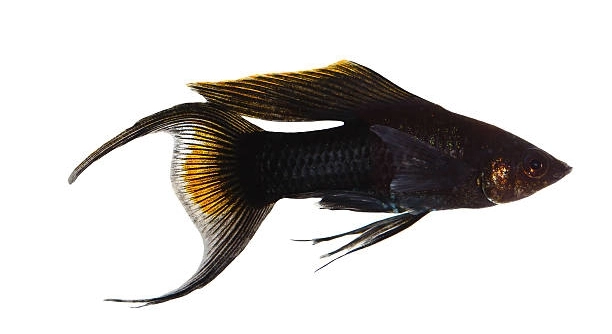
Do you ever notice your Black Molly swimming quietly in the tank and wonder about its daily habits? These small, peaceful fish can be fascinating to watch as they move through plants and decorations. Observing their routine can reveal subtle needs.
Black Mollies do benefit from a regular day-night cycle. Providing consistent periods of light and darkness helps regulate their biological rhythms, reduces stress, and supports healthy behavior, feeding patterns, and overall well-being in an aquarium environment.
Maintaining a steady light schedule can improve the health of your fish and create a more harmonious tank environment for everyone.
Importance of a Regular Day-Night Cycle
Black Mollies are sensitive to changes in their environment, and light plays a crucial role in their daily routine. Keeping a consistent day-night cycle helps their internal clock stay in sync, which is important for feeding, swimming, and resting patterns. When lights are irregular, these fish can become stressed, leading to slower growth and weakened immune systems. I have noticed that tanks with uneven lighting often have more restless fish, and they may even hide more than usual. Natural light patterns in a home or room can be inconsistent, so using a timer for aquarium lights can make a big difference. This simple step helps your fish feel secure and more active during their waking hours. In addition to stress reduction, proper lighting can also encourage natural coloration, making Black Mollies appear more vibrant. Regular light cycles support both physical health and observable behavior, improving overall tank life.
A consistent light schedule ensures that your Black Mollies feed properly, rest well, and remain healthy.
For practical setup, aim for around 10 to 12 hours of light per day. Using a timer removes guesswork and keeps the tank consistent even if you are busy or away. Avoid leaving lights on at night because it can disrupt the fish’s sleep, leading to stress or illness. Observing how your fish react over a week can help you fine-tune the schedule. Additionally, balance bright light with shaded areas or decorations so the fish have places to rest. Adjusting the cycle gradually is better than sudden changes, which can startle them. Over time, a stable routine will encourage calmer behavior and healthier feeding habits. Black Mollies will respond well to a tank that mimics their natural environment, with clear periods for activity and rest. This approach supports long-term well-being, reduces erratic behavior, and makes daily observation more enjoyable.
Signs Your Black Molly Needs Better Lighting
Irregular light cycles can cause noticeable behavior changes in Black Mollies, including reduced activity or unusual hiding.
Fish that do not receive a proper day-night cycle may appear lethargic or less colorful. They can skip meals or become more skittish around tank mates. In severe cases, prolonged stress may affect reproduction and growth. It’s important to monitor their activity and look for patterns that suggest discomfort. Small adjustments to lighting or tank environment can resolve these issues before they become serious. Observing their swimming, feeding, and resting patterns can provide clear signs of whether your lighting routine is effective or needs improvement.
How to Set Up a Day-Night Cycle
Using a timer is the easiest way to give Black Mollies a consistent light schedule. Set lights for about 10 to 12 hours per day and keep them off at night. Gradually adjust timing to avoid stressing the fish.
Timers provide precise control over light periods, which is especially useful if the tank is in a room with inconsistent natural light. Gradual adjustments of 15-30 minutes at a time allow the fish to adapt without sudden changes that could cause stress. Make sure there are shaded areas or decorations where they can retreat during light periods. Consistent lighting supports healthy feeding, swimming, and resting patterns, keeping behavior predictable and reducing anxiety. I noticed that after using a timer, my Mollies became more active and vibrant during the day.
A balanced tank environment also includes monitoring temperature and water quality alongside light. Sudden changes in any of these factors can counteract the benefits of a steady day-night cycle. Observing how the fish respond to these adjustments helps maintain stability.
Common Mistakes to Avoid
Leaving lights on for too long can disrupt fish rest and stress them out. Sudden light changes can cause panic in Black Mollies.
Over-illuminating the tank can reduce sleep periods, leading to lethargy or weakened immune response. Abrupt on-off lighting can make the fish swim frantically or hide excessively. Avoid placing the tank where sunlight hits unevenly, as this can create hotspots and stress the fish. Combining a timer with careful placement helps prevent these issues and encourages a stable daily routine.
In addition, using overly bright bulbs or improper spectra can affect natural coloration and behavior. I found that using soft, white lighting works best, allowing the fish to display their natural colors without causing discomfort. Ensuring that lights mimic natural cycles and providing hiding spots reduces stress, encourages natural activity patterns, and supports overall health. Even small adjustments in timing or brightness can lead to noticeable improvements in both behavior and appearance. Monitoring fish daily helps you catch issues early, keeping your Black Mollies calm, active, and healthy.
Adjusting Light Gradually
Sudden changes in lighting can stress Black Mollies. Adjust the light schedule gradually in small increments to let them adapt comfortably. Patience during changes keeps behavior stable.
Gradual adjustments help maintain healthy feeding and resting patterns. I usually change timing by 15 minutes every few days, allowing the fish to get used to new light cycles without panic or hiding.
Natural vs. Artificial Light
Artificial lights allow control over timing, while natural light can vary and cause inconsistencies. Using a timer ensures the cycle remains steady and predictable for the fish.
Observing Fish Behavior
Lethargy, hiding, or erratic swimming can indicate lighting issues. Consistent observation helps detect and fix problems before they affect health.
FAQ
How many hours of light do Black Mollies need each day?
Black Mollies thrive with about 10 to 12 hours of light daily. Too much light can stress them, while too little may affect feeding and activity. I keep my tank on a timer to maintain a consistent schedule, and I noticed the fish are calmer and more active during daytime.
Can Black Mollies adapt to irregular light schedules?
They can adapt to some changes, but frequent irregularities cause stress. Sudden changes may lead to hiding, erratic swimming, or reduced appetite. Gradual adjustments work best if you need to change their schedule. I found that even small, consistent shifts are easier for them than abrupt changes.
Is natural sunlight enough for Black Mollies?
Natural light can help, but it’s often inconsistent. Sunlight changes with seasons, weather, and time of day, which can confuse fish. Using artificial lights with a timer ensures a stable day-night cycle, creating a predictable routine that supports healthy behavior and reduces stress.
Do Black Mollies need darkness at night?
Yes, darkness is essential for rest. Leaving lights on overnight can disrupt sleep patterns and cause stress, making them more prone to disease. I always make sure my tank lights turn off at night, giving the fish a quiet period to rest and recover.
Will inconsistent lighting affect their color?
Yes, irregular light can make colors dull. Black Mollies show their best coloration under stable lighting. After setting a regular light cycle in my tank, I noticed their black scales became more vibrant, and their activity during the day improved as well.
Can a timer really make a difference?
Absolutely. Timers remove guesswork and keep lighting consistent, even if you forget to switch the lights. I’ve used timers for years, and it not only keeps the fish healthier but also reduces stress for anyone maintaining the tank.
How should I adjust lighting for a new tank?
Start with a shorter light period, around 8-10 hours, then gradually increase to 10-12 hours over a week or two. Sudden bright lighting in a new tank can stress fish already adjusting to water and decorations. Gradual change helps them settle in comfortably.
Are there signs my fish are unhappy with lighting?
Yes, they may hide constantly, swim frantically, or stop eating. I watch my Black Mollies closely when I make light changes. Behavioral changes are usually the first sign something needs adjustment, so keeping track daily is important.
Can nighttime lighting help them at all?
Only minimal, indirect lighting may be used for observation, but avoid bright lights. Complete darkness is important for rest. I sometimes use a dim night lamp near the tank to check on them without disturbing their sleep cycle.
Should plants in the tank affect light timing?
Yes, live plants may need longer light periods, but balance is key. Over-lighting for plants can stress the fish. I keep lights on 10-12 hours for the fish and ensure plants have enough light without interfering with the fish’s rest.
Do Black Mollies need different light in winter?
Artificial light compensates for shorter days. I don’t change the timer with seasons, keeping a stable cycle year-round. This helps maintain their routine and keeps behavior consistent, even when natural light is minimal.
Can irregular lighting cause disease?
Indirectly, yes. Stress from inconsistent light can weaken their immune system, making them more susceptible. I noticed that once I stabilized the lighting in my tank, health issues decreased and the fish became more active and vibrant.
Is it okay to leave aquarium lights on when I am away?
Yes, that’s one of the main benefits of a timer. Even if you are gone for a few days, your Black Mollies will maintain their routine without disruption, avoiding stress from irregular lighting.
How long does it take for fish to adjust to a new schedule?
Adjustment usually takes a few days to a week. Gradual changes are key. I adjust my tank lights by 15 minutes every day until the desired schedule is reached, and the fish adapt without noticeable stress.
Do different types of Mollies need different lighting?
Most Mollies, including Black Mollies, prefer similar light schedules. Variations are minor, so the same 10-12 hour cycle works for mixed tanks. I keep all my Mollies under one consistent schedule, and it has worked well for all of them.
Can I use colored lights for aesthetic purposes?
Colored lights are fine if used sparingly, but avoid strong colors that disrupt natural day-night cues. I use soft white lighting as the main source and sometimes dim accent lights for aesthetics, ensuring the fish still get proper rest.
Does tank size affect lighting needs?
No, the cycle matters more than tank size. Larger tanks may need multiple lights for even coverage, but timing should remain consistent. I’ve found that regardless of tank size, consistent lighting improves fish behavior and overall tank harmony.
Should I consider dimming lights gradually at night?
Gradual dimming mimics natural sunsets and can reduce stress. I sometimes use a dimmer or low-light period before turning lights off completely, and the Black Mollies respond calmly, swimming leisurely before resting.
How do I balance lighting with feeding schedules?
Feed during daylight hours when fish are active. I keep feeding times consistent with the light cycle. This routine helps Black Mollies associate activity periods with food, supporting healthy growth and natural behavior.
Can too little light harm Black Mollies?
Yes, insufficient light affects activity, color, and feeding. I make sure their light period is long enough to promote normal behavior but not excessive, balancing health needs with their natural rest cycles.
Do you need special bulbs for Mollies?
Standard aquarium bulbs with the right spectrum are fine. Soft white or daylight bulbs work best. I avoid overly bright or colored bulbs that can stress the fish or interfere with sleep. Proper bulbs support natural coloration and daily activity patterns.
Is it necessary to adjust lights for multiple fish species?
Yes, consider the needs of all species in the tank. I adjust the cycle to meet the most sensitive species while ensuring others still get proper rest. This prevents stress and encourages a balanced ecosystem.
Can lighting affect breeding?
Yes, consistent lighting supports reproductive behavior. Mollies may spawn more regularly under a stable day-night cycle. I noticed that once my tank lighting became consistent, I saw healthier fry and more predictable breeding patterns.
Should I leave lights on if tank is in a naturally dark room?
Yes, artificial light ensures a stable cycle. I use timers to provide predictable lighting even in rooms with little or no natural light, keeping the fish on a consistent schedule for better health and activity.
Do Black Mollies need special considerations in heavily planted tanks?
Balance plant and fish needs carefully. I keep plants well-lit but ensure shading spots for the fish. This allows the Mollies to rest and hide while still supporting plant growth, keeping both healthy and stress-free.
Is it okay to change light schedules on weekends or holidays?
Avoid frequent changes. I keep the timer consistent even during vacations. Irregular schedules can stress fish, so maintaining routine is better than adjusting for convenience.
How do I know if my tank lighting is too bright?
Signs include frantic swimming, hiding, or faded color. I watch for these behaviors and adjust brightness or add shaded areas. Proper light intensity keeps fish calm and colors vibrant.
Do Black Mollies need moonlight simulation?
Not necessary. I use it occasionally for aesthetic purposes, but it’s not required for health. Mollies rest well in complete darkness.
Can lights affect algae growth?
Yes, longer or intense lighting can increase algae. I manage duration and intensity, balancing fish needs with algae control. This keeps the tank healthy without compromising Mollies’ routine.
Is it okay to turn lights off briefly during the day?
Short breaks are okay, but consistency matters most. I avoid frequent interruptions, as they can disrupt activity patterns and stress the fish.
Should lighting be adjusted if fish seem stressed?
Yes, sudden stress can sometimes be mitigated by adjusting light duration or intensity. I slowly modify lighting to create a calmer environment, which often reduces erratic behavior and hiding.
How often should I check my timer?
Regularly, at least once a month, to ensure it works correctly. I double-check timers after power outages or holidays to maintain a stable day-night cycle.
Do Black Mollies need seasonal lighting changes?
No, consistency is more important than matching natural seasons. I keep the same schedule year-round, which supports stable behavior and health.
Can lighting influence water temperature?
High-intensity lights may slightly raise temperature. I monitor water closely and adjust lighting or heaters to maintain safe levels, preventing stress or illness.
Is it necessary to have a backup light system?
Optional, but helpful. I use a backup timer to prevent sudden dark periods, ensuring the fish maintain a consistent cycle even during outages.
Do Black Mollies need brighter light than other common aquarium fish?
Not necessarily. Their needs are similar to most tropical fish. I focus on stable duration and moderate intensity rather than very bright light, which keeps them healthy and calm.
Can changing tank décor affect light distribution?
Yes, adding tall plants or decorations may create shaded areas. I adjust light placement to maintain even coverage while leaving hiding spots for the fish.
Is LED lighting better than fluorescent for Mollies?
LEDs are more efficient, longer-lasting, and generate less heat. I switched to LEDs and noticed stable temperature, good illumination, and healthy fish behavior.
How do I combine lighting with other tank maintenance?
Keep a routine for feeding, water changes, and light schedule. I maintain consistency across all tank care activities to reduce stress and support healthy Mollies.
Can night lights disrupt sleep?
Yes, bright night lights can interfere with rest. I use complete darkness or very dim lighting when needed for observation. Mollies sleep better and remain active during the day.
Are there any health issues caused by improper lighting?
Yes, stress from irregular light can lead to weakened immune systems, poor color, and reduced appetite. I observed better health once I stabilized the lighting schedule.
Do Black Mollies need more light than live plants in the tank?
Not more, but enough to cover both needs. I ensure plants get adequate light while maintaining a schedule that keeps the fish active and rested.
Can consistent lighting reduce aggression?
Yes, a predictable day-night cycle reduces stress-related aggression. I noticed calmer interactions and less chasing once lighting became stable.
Should I adjust lights for nighttime observation?
Dim, indirect lighting is okay, but avoid bright lights. Mollies need darkness to rest. I use a soft glow for minimal disturbance.
How do I fix lighting mistakes?
Gradually restore a proper schedule. I adjust timing slowly to reduce stress and allow fish to adapt comfortably.
Are timers reliable for long-term use?
Yes, high-quality timers last years. I check them occasionally to ensure proper function and maintain consistent cycles for the Mollies.
Can lighting affect their sleep cycles?
Yes, irregular or excessive light disrupts sleep. Stable lighting promotes normal rest patterns, keeping them healthy and active during the day.
How important is consistency compared to light intensity?
Consistency matters more than brightness. I focus on maintaining steady on/off periods, which has a bigger impact on behavior and health than very bright lighting.
Do I need different lighting for juvenile Mollies?
No, young Mollies follow the same cycle as adults. I maintain the same schedule to promote healthy growth and routine behavior.
Can irregular lighting affect breeding timing?
Yes, unpredictable light may delay or reduce spawning. Consistent cycles encourage regular breeding patterns. I observed more successful fry production after stabilizing lighting.
Is it okay to experiment with lighting duration?
Small changes are fine, but monitor fish response. I make gradual adjustments and watch behavior to ensure it doesn’t cause stress or hiding.
Can Black Mollies tolerate low-light tanks?
Yes, but they are more active and show better coloration with moderate lighting. I balance brightness to support health without overexposing them.
Does light color matter for Black Mollies?
Soft white or daylight bulbs work best. I avoid intense colors that can stress fish or interfere with natural rhythms.
How often should I change bulbs?
Replace bulbs every 12-18 months to maintain proper intensity and spectrum. I track bulb age to prevent dimming that affects the fish’s daily routine.
Can aquarium hood reflect light to improve coverage?
Yes, reflective hoods help distribute light evenly. I use a hood to ensure all areas of the tank receive proper illumination, supporting fish activity and plant growth.
Should lighting be adjusted for breeding tanks?
Yes, maintain a stable schedule to encourage spawning. I keep lights consistent and avoid sudden changes, which can stress fish and reduce breeding success.
How do I balance plant growth and fish needs?
Ensure sufficient light for both without overexposing the fish. I monitor plant health and adjust duration or placement, keeping Mollies comfortable.
Can sudden darkness harm fish?
Yes, abrupt darkness may startle them. I turn lights off gradually or use a timer to avoid sudden changes.
Are timers necessary for small tanks?
Yes, even small tanks benefit from consistent lighting. I use timers in every tank, regardless of size, to maintain routine and reduce stress.
Can lighting affect algae control?
Yes, longer light periods encourage algae growth. I balance duration to support fish and plants while minimizing algae problems.
Do Mollies respond differently to LED versus fluorescent lights?
LEDs provide better control and less heat, while fluorescent may be less efficient. I switched to LED and noticed improved behavior and easier maintenance.
Should I adjust lights if adding new fish?
Gradually, yes. Sudden changes may stress newcomers. I maintain a stable cycle and slowly introduce any lighting adjustments.
Can lighting influence water temperature significantly?
High-intensity lights can raise temperature slightly. I monitor water and adjust lights or heaters as needed to prevent stress or illness.
Do Black Mollies need shaded areas in the tank?
Yes, shaded spots let them rest during light periods. I provide plants, rocks, or decorations to create hiding spaces.
Can lights affect feeding habits?
Yes, fish feed better during active light periods. I schedule feeding to align with lights on for consistent appetite and healthy growth.
Should I avoid fluorescent bulbs?
Not necessary, but LED is more efficient and produces less heat. I prefer LED for better control and consistent lighting.
Can changing light cycles suddenly kill fish?
Sudden changes stress fish, but usually not fatal. Gradual adjustments prevent panic, hiding, and appetite loss. I avoid abrupt shifts entirely.
Does tank placement affect lighting effectiveness?
Yes, sunlight or shadows can impact cycle. I place tanks away from direct sunlight and use timers for consistent artificial light.
Can excessive lighting cause behavioral issues?
Yes, fish may become hyperactive or stressed. I balance intensity and duration to maintain calm, natural behavior.
How do I maintain lighting with power outages?
Timers with battery backup or manual adjustments help keep cycles consistent. I plan for outages to prevent disruption.
Is consistent lighting more important than water changes?
Both matter, but routine lighting supports daily behavior patterns. I prioritize stability in both areas for overall health.
Can lighting affect stress levels directly?
Yes, stable lighting reduces stress. I noticed calmer, more predictable behavior once a steady cycle was implemented.
Do Mollies need more light during growth stages?
No, duration remains similar, but monitor feeding and activity. I keep 10-12 hours daily, adjusting only if necessary for health.
Should lights be placed above or around the tank?
Above is best for even coverage. I ensure no areas are left in darkness while providing shaded retreats.
Is dimming lights necessary for sleep?
Optional. Gradual dimming can help, but complete darkness works well. I sometimes use a slow fade for calm transition.
Can changing lighting help sick fish recover?
Yes, proper cycles reduce stress and support immune function. I focus on stable light and clean water for recovery.
Are timers reliable for long-term consistency?
Yes, high-quality timers maintain stable schedules. I check them periodically to ensure the day-night cycle remains uninterrupted.
Do different Black Molly varieties respond differently to light?
Minor differences, but overall needs are similar. I treat all varieties the same, focusing on consistent cycles and moderate intensity.
Can lighting affect interactions between tank mates?
Yes, stable light reduces stress-induced aggression. I noticed calmer behavior after establishing a consistent day-night cycle.
Should I adjust lights for nighttime tank viewing?
Only use dim, indirect lighting. Bright lights disrupt sleep. I prefer soft illumination for short observation.
Can lighting improve their lifespan?
Indirectly, yes. Stable cycles reduce stress and support health, which can contribute to longer, healthier lives. I maintain consistent lighting for this reason.
Do Black Mollies need different light schedules than other tropical fish?
Generally no. I keep schedules similar for mixed tanks, focusing on consistency for all species.
Is it important to monitor fish after changing lighting?
Yes, watch behavior closely. I track swimming, feeding, and hiding to ensure adjustments are not causing stress.
Can improper lighting lead to malnutrition?
Indirectly, yes. Stress or disrupted feeding patterns may reduce intake. I align feeding with active light periods to prevent issues.
Are there long-term effects of inconsistent lighting?
Yes, stress, weaker immune systems, dull coloration, and erratic behavior can occur. I maintain steady cycles to prevent long-term problems.
Can lights affect breeding success in Black Mollies?
Yes, stable cycles encourage regular spawning. I noticed more predictable fry production once lighting became consistent.
Should lighting changes be seasonal?
Not necessary. I keep the same schedule year-round, which supports stable activity, feeding, and breeding patterns.
Do Black Mollies need high-intensity light?
No, moderate intensity is sufficient. I focus on duration and consistency rather than brightness.
Can timers fail and disrupt cycles?
Yes, check regularly. I monitor timers monthly and after outages to ensure uninterrupted day-night cycles.
Should lights be left on during maintenance?
Keep lights consistent, but short interruptions are fine. I avoid prolonged changes to prevent stress.
Can artificial lights fully replace natural sunlight?
Yes, with proper duration and intensity. I rely on timers to provide consistent artificial light, supporting health and routine.
Do Black Mollies prefer warm or cool light?
Soft white or daylight bulbs work best. I avoid extreme tones that may stress or confuse the fish.
Can lighting affect water evaporation?
High-intensity lights may increase evaporation slightly. I monitor water levels and top off as needed to maintain stability.
**How do I balance light for
Black Mollies are small, lively fish that benefit from a stable and predictable day-night cycle. Providing consistent light and dark periods helps maintain their natural rhythms, which is important for feeding, resting, and overall health. When lights are irregular or left on too long, these fish can become stressed, hide more, or swim erratically. Over time, inconsistent lighting may even affect their color, appetite, and immune system. In my experience, using a timer to control the aquarium lights has made a noticeable difference. The fish become more active during the day, sleep better at night, and display their natural black coloration more vividly. This simple adjustment creates a calmer environment for the fish and reduces the chances of behavioral issues or health problems. Observing a Black Molly in a well-lit and properly cycled tank is easier, too, as their activity becomes more predictable and natural.
Setting up a proper day-night cycle is straightforward but requires attention to detail. About 10 to 12 hours of light each day is ideal for most Black Mollies, followed by a complete dark period at night. Gradually adjusting lighting when changes are needed is important, as sudden shifts can stress the fish. Incorporating shaded areas, plants, and decorations also allows the fish to retreat and rest during bright periods. In my tank, I noticed that even small details like adding taller plants for hiding spots improved comfort and reduced stress. Consistent monitoring helps ensure the lighting supports both the fish and any live plants in the tank. A well-maintained routine provides an environment that feels closer to their natural habitat, even in a home aquarium. Over time, this leads to healthier, happier fish that are easier to care for and observe.
Lighting is just one part of maintaining a healthy tank, but it has a significant impact on the daily life of Black Mollies. Alongside clean water, proper feeding, and stable temperatures, a consistent day-night cycle supports overall well-being. By keeping lights on a timer and avoiding sudden changes, fish experience less stress and more predictable behavior. Even small adjustments, such as dimming lights gradually at night or creating shaded spots, can make a difference. I’ve found that after implementing these strategies, my Black Mollies are more active during their waking hours, rest better at night, and maintain stronger, more vibrant colors. A simple and consistent lighting routine ultimately makes caring for these fish easier and more rewarding while promoting their long-term health and happiness.

Hello,
If you enjoy the content that we create, please consider saying a "Thank You!" by leaving a tip.
Every little bit helps us continue crafting quality advice that supports the health, happiness, and well-being of pets around the world, for pets of all shapes, sizes, and species.
We really appreciate the kindness and support that you show us!