
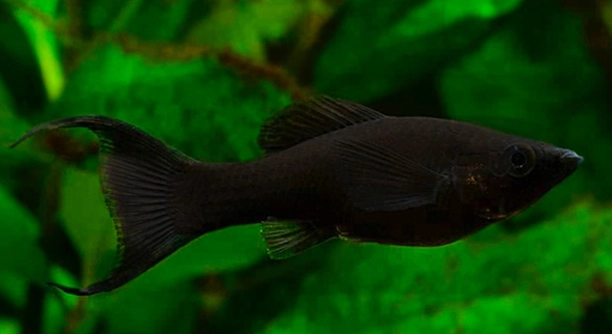
Black mollies are usually social fish, swimming together and interacting peacefully in community tanks. Recently, many owners have noticed that these fish seem to avoid each other, creating tension and confusion among their once harmonious groups.
The sudden avoidance behavior in black mollies is often caused by changes in water quality, stress, overcrowding, or shifts in social hierarchy. These factors can trigger defensive or territorial behaviors, leading to temporary or prolonged social distancing among the fish.
Observing the subtle signs and understanding the triggers can help you restore harmony in your tank efficiently and maintain a healthy environment for your mollies.
Changes in Water Conditions
Water conditions have a major impact on black mollies’ behavior. Even small changes in temperature, pH, or hardness can stress them, causing them to hide or avoid one another. Sudden drops in water quality from leftover food, waste, or insufficient filtration can also trigger defensive behavior. Mollies are sensitive to ammonia and nitrites, which can accumulate quickly in poorly maintained tanks. Maintaining stable water conditions is essential. Regular testing, partial water changes, and proper filtration can prevent stress. When water parameters fluctuate, fish may establish new territories or avoid areas entirely. Over time, stress can affect their immune system, making them more prone to illness. Observing their movement and interactions often reveals patterns linked to environmental stress. Adjusting the tank to maintain balance encourages social behavior. Black mollies respond well to gradual changes rather than sudden shifts, so careful monitoring and consistent maintenance are key to keeping them active and interacting naturally.
Even minor variations in water can lead to social tension. Consistency helps mollies feel secure and interact normally.
Regular monitoring and consistent tank care prevent stress. A stable environment allows mollies to rebuild social bonds. Observing how they swim and group together after changes provides insight into their comfort levels and helps maintain a peaceful tank atmosphere.
Social Hierarchy and Space
Black mollies establish pecking orders within their groups. Dominant fish can intimidate others, leading to avoidance behaviors.
Understanding the social structure is important. Mollies need adequate space to establish territories without constant conflict.
When space is limited, dominant fish may chase or corner others, creating tension and disrupting natural interactions. Providing hiding spots, plants, and open swimming areas allows subordinate mollies to escape aggression and reduces stress. Social conflicts often peak during feeding or breeding times. Adjusting tank layout or separating aggressive individuals temporarily can restore balance. Observing behavior over several days helps identify persistent issues versus temporary disputes. Additionally, maintaining an appropriate male-to-female ratio prevents harassment and supports overall harmony. Space and environmental enrichment help mollies feel secure, encouraging them to swim together and resume natural social behaviors. Addressing these factors consistently can improve interactions and prevent long-term avoidance, ensuring all fish thrive in a healthy, calm tank environment.
Stress and Overcrowding
Overcrowded tanks make black mollies anxious, leading them to avoid one another. Limited space increases competition for food and hiding spots, which can heighten stress and trigger defensive behavior.
Stress from overcrowding affects fish health and social interactions. When tanks are too small or populated, dominant mollies may chase or corner others, forcing them to hide. This behavior is a survival response, not permanent aggression. Providing ample space, separating aggressive individuals if necessary, and monitoring interactions can reduce tension. Stress management also involves maintaining stable water conditions, as fluctuations can amplify anxiety. Black mollies thrive in balanced groups with sufficient room to swim freely, explore, and establish territories without constant pressure from tank mates. Gradual adjustments in population density and layout often restore calm behavior over time.
Keeping the tank at a comfortable population density and adding hiding areas helps mollies regain normal social patterns. Observing their movement can indicate when adjustments are needed.
Diet and Nutrition
An inadequate diet can make mollies irritable and less social. Poor nutrition weakens their energy and resilience, leading to avoidance behaviors.
Feeding balanced meals supports mollies’ physical and mental well-being. Lack of essential nutrients can make fish lethargic or aggressive, creating tension in groups. Offering high-quality flakes, frozen foods, and occasional live foods ensures they get the proteins, vitamins, and minerals necessary for health. Inconsistent feeding schedules can also cause stress, as fish compete for limited resources. Maintaining a proper diet prevents energy imbalances and encourages regular social interaction. Mollies with consistent, nutritious meals are more likely to swim together and exhibit natural behaviors, rather than isolating themselves or showing signs of stress. Diet directly influences activity levels, coloration, and overall harmony within the tank.
Observing feeding behavior can reveal if mollies are stressed or undernourished. Adjusting food type, quantity, and frequency restores their energy and promotes social cohesion.
Breeding Behavior
During breeding periods, black mollies can become more territorial. Males may chase females or other males, causing temporary avoidance.
Providing separate areas and hiding spots helps reduce stress during this time. Female mollies benefit from having space to escape aggressive males.
Disease and Illness
Illness can make mollies isolate themselves from the group. Sick fish often hide and avoid contact to conserve energy and recover. Stress weakens the immune system, making minor infections more noticeable. Observing for physical signs like spots, discoloration, or unusual swimming patterns can help identify health problems early. Quarantining affected fish and maintaining clean water helps prevent disease spread. Regular monitoring of tank conditions and the behavior of all fish ensures minor issues do not escalate, keeping the community healthier and reducing long-term avoidance among mollies.
Environmental Enrichment
Adding plants, decorations, and hiding spots encourages natural exploration and reduces stress. Proper enrichment supports social interaction.
FAQ
Why are my black mollies hiding from each other?
Black mollies may hide due to stress, overcrowding, poor water conditions, or illness. They often need space to feel safe. Observing their environment and maintaining stable water parameters can help them return to normal social behavior.
Can overcrowding cause black mollies to avoid one another?
Yes, overcrowding increases competition for food, swimming space, and hiding spots. Dominant fish may chase others, causing avoidance. Reducing the number of fish or increasing tank size helps mollies feel secure and interact naturally again.
Do water changes affect their behavior?
Sudden or large water changes can stress mollies, making them avoid each other temporarily. Gradual water changes and consistent monitoring of temperature, pH, and hardness help maintain a calm environment where social behavior is encouraged.
Does diet impact social behavior?
Poor nutrition can weaken mollies, making them lethargic or aggressive. Feeding a balanced diet of high-quality flakes, frozen foods, and occasional live foods supports energy, health, and interaction among tank mates. Consistent feeding schedules prevent competition and stress.
How does breeding affect interactions?
During breeding, males can become territorial and chase females or other males. Providing plants, hiding spots, and open swimming areas reduces stress and allows females to escape aggression, preventing long-term avoidance.
Could illness make them avoid each other?
Yes, sick mollies often isolate themselves to conserve energy and recover. Watch for signs like discoloration, spots, or unusual swimming. Quarantining affected fish and keeping the tank clean prevents disease from spreading.
How much space do black mollies need?
Black mollies require enough room to swim freely and establish territories. Crowded tanks increase stress and avoidance. Providing at least 10 gallons for the first few fish and extra for each additional fish helps maintain peaceful social behavior.
Can tank decorations help reduce avoidance?
Plants, rocks, and other decorations give mollies hiding spots and reduce stress. Proper enrichment allows fish to retreat when feeling threatened, which encourages calmer social interactions and reduces aggressive encounters.
How long does it take for mollies to return to normal behavior?
Recovery depends on the cause. Stress from overcrowding or water changes may resolve in a few days with adjustments. Health-related avoidance can take longer, requiring treatment and careful monitoring until fish regain energy and social confidence.
Is aggression normal in black mollies?
Some aggression is natural, especially during territorial disputes or breeding. Temporary chases are expected, but persistent attacks indicate stress, poor water quality, or overcrowding, which need to be addressed to prevent long-term avoidance and injury.
Should I separate aggressive fish?
Yes, separating overly aggressive individuals can restore harmony. Isolation for a short period allows subordinate fish to regain confidence and reduces overall stress in the tank, helping the group return to peaceful interaction.
Does water temperature play a role?
Yes, mollies are sensitive to temperature changes. Sudden shifts can trigger stress, hiding, and avoidance. Maintaining a stable temperature within the recommended range of 75–82°F supports social behavior and overall health.
How do I know if avoidance is permanent?
Avoidance is rarely permanent. Most black mollies return to normal behavior once environmental, social, or health issues are resolved. Continuous observation and adjustments to tank conditions ensure mollies remain active and interactive.
Are there signs that indicate social stress?
Signs include hiding, reduced swimming, loss of appetite, and chasing or bullying by dominant fish. Early recognition allows for interventions like adjusting tank size, providing hiding spots, and monitoring water quality to reduce stress.
Can adding new fish affect existing mollies?
Introducing new fish can temporarily disrupt social order. Gradual acclimation, sufficient space, and hiding spots help reduce stress. Observing interactions closely ensures new and existing mollies adjust without long-term avoidance.
Does lighting influence their behavior?
Lighting affects activity levels. Too bright or inconsistent lighting can stress mollies, causing hiding and avoidance. Providing a stable light cycle with shaded areas allows natural behavior and calmer interactions.
Are black mollies naturally social?
Yes, they are community fish and prefer swimming in groups. Stress, illness, or environmental changes can disrupt this behavior, but with proper care, they usually return to social patterns.
How can I encourage interaction again?
Maintain clean water, provide enough space, feed consistently, and add hiding spots. Minimizing stressors and observing their behavior helps mollies rebuild social bonds and swim together naturally.
What is the best tank setup to prevent avoidance?
A well-maintained tank with stable water parameters, ample space, hiding spots, and balanced population supports healthy social behavior. Regular care, observation, and gradual adjustments prevent stress and avoidance among black mollies.
How often should I monitor their behavior?
Daily observation is ideal. Noticing changes in swimming patterns, hiding, or aggression early allows for quick intervention, maintaining harmony and preventing prolonged avoidance in the tank.
Black mollies are social fish that thrive in stable, calm environments. Observing avoidance behavior can feel concerning, but it is often a temporary response to stress, environmental changes, or health issues. Factors like water quality, overcrowding, diet, and breeding behavior play a significant role in their interactions. Even small fluctuations in water temperature, pH, or hardness can make these fish anxious, causing them to hide or avoid one another. Similarly, overcrowding increases competition for swimming space and resources, which may lead to defensive behavior. Providing ample room, consistent maintenance, and hiding spots helps mollies feel safe and encourages normal social patterns.
Maintaining their diet and health is equally important. Poor nutrition can weaken mollies, making them less active or more aggressive, which disrupts group dynamics. Balanced meals including high-quality flakes, frozen foods, and occasional live foods support energy, immunity, and natural behavior. Stress from illness can also lead to isolation, so watching for signs like unusual swimming patterns, discoloration, or spots is crucial. Quarantining sick fish and keeping the tank clean helps prevent the spread of disease. By addressing diet, health, and tank conditions together, it is possible to reduce avoidance and restore harmony in the group.
Environmental enrichment and careful observation further improve social interaction. Plants, rocks, and other hiding spots give mollies security and allow them to retreat from dominant individuals when needed. Gradually adjusting tank layouts, maintaining proper population density, and monitoring their behavior daily ensures they feel comfortable. Avoidance is rarely permanent, and with consistent care, mollies usually return to normal swimming and social behavior. Paying attention to water quality, space, diet, and health provides a reliable foundation for happy, interactive fish. Overall, understanding their needs and making gradual improvements can restore balance, reduce stress, and support the long-term wellbeing of black mollies in any community tank.

Hello,
If you enjoy the content that we create, please consider saying a "Thank You!" by leaving a tip.
Every little bit helps us continue crafting quality advice that supports the health, happiness, and well-being of pets around the world, for pets of all shapes, sizes, and species.
We really appreciate the kindness and support that you show us!