
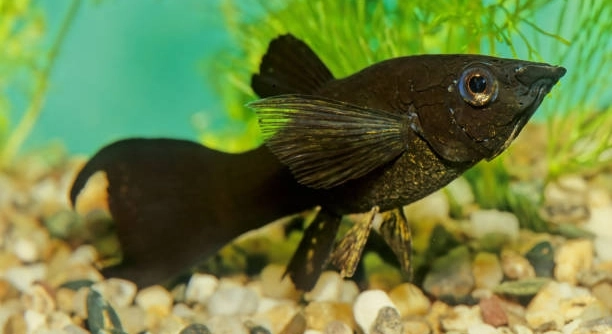
Do your Black Molly fry seem smaller and more vulnerable than the adults in your tank? Many aquarists face challenges in keeping fry safe while allowing adults to thrive in a shared environment.
Fry should be separated from adult Black Mollies within two to three weeks after birth. Early separation reduces the risk of predation and competition for food, ensuring higher survival rates and promoting healthy growth in juvenile fish.
Proper timing and techniques for separation are crucial for the well-being of your fry. Understanding this process can help you maintain a balanced and thriving aquarium environment.
Signs It’s Time to Separate Fry
When your Black Molly fry start to grow, it becomes clear that adults and babies cannot always share the same space safely. Fry are small and can easily be outcompeted for food or accidentally eaten by adult fish. One of the first signs to watch for is uneven growth. If some fry are noticeably smaller or weaker, they need a protected space where they can feed and develop without interference. Another indication is stress in the adult fish. Overcrowding or excessive chasing of fry can harm both adults and young. Monitoring water quality is also essential because high waste levels can impact fry more severely than adults. Providing hiding spots can help temporarily, but permanent separation is often the most effective method. Using a breeding box or a separate tank allows fry to grow safely and reduces mortality rates significantly, giving them a better chance to mature into healthy adults.
Separating fry early helps prevent stress-related illness in both fry and adult Mollies.
Proper separation is not just about safety; it also ensures consistent growth rates. Fry kept in a protected area can be fed more frequently with finely crushed food or specialized fry diets. Adults continue their normal feeding routine without competition, which reduces aggression in the tank. Over time, fry gain strength, develop proper coloration, and become more resilient. The process also allows aquarists to monitor the health of young fish more closely, making it easier to identify disease or developmental issues. Once fry reach a certain size, they can safely integrate with adult Mollies, creating a balanced tank population. Careful observation and gradual acclimation are key, ensuring that both fry and adults maintain their health and vitality. Separating fry at the right time ultimately leads to a more harmonious aquarium and reduces the risk of avoidable losses.
Methods for Safe Separation
Using a breeding box is a simple and effective solution.
Breeding boxes are small enclosures placed inside the main tank, allowing fry to swim freely while preventing contact with adults. Mesh or slotted designs let water flow through, maintaining water quality. Fry can feed normally while being protected, and adults continue their usual activities. Another method is transferring fry to a separate tank. This gives complete control over feeding, water conditions, and monitoring. Regular water changes and careful observation are necessary to prevent stress or disease. Hiding structures, such as plants or artificial decorations, provide additional security for fry. Both methods aim to create a safe environment without disrupting the overall tank ecosystem. Consistency is important, as sudden changes can shock young fish and affect their growth. Choosing the method depends on tank size, the number of fry, and equipment availability, but either approach significantly improves survival rates.
Separating fry properly ensures stronger, healthier adult Mollies in the future.
Managing separation requires attention to detail and patience. Regular feeding schedules, appropriate water temperature, and gentle handling contribute to the fry’s overall well-being. Avoid overfeeding, which can deteriorate water quality and harm delicate fry. Observation is crucial to detect any signs of disease early. Once fry reach roughly one-third the size of adult Mollies, gradual integration can begin. Slowly introducing fry to the main tank allows them to adapt to adult presence without excessive stress or injury. Some aquarists use a combination of breeding boxes and partial tank separation to ease the transition. Tracking growth and behavior during this period ensures that fry develop evenly and reduces the risk of aggression from adults. With proper management, your tank can support both mature Mollies and successfully raised young, creating a balanced and thriving aquatic environment.
Feeding Strategies for Fry
Fry need smaller, more frequent meals than adult Mollies. Crushed flakes, powdered fry food, and infusoria are ideal. Overfeeding can harm water quality, so careful portioning is essential for healthy growth and survival.
Regular feeding helps fry grow steadily and reduces stress from competition. Offering tiny meals four to six times a day allows all fry to access food evenly. Variety is important: finely crushed flake food provides essential nutrients, while live foods like baby brine shrimp or micro worms encourage natural hunting behavior and improve overall development. Monitoring their consumption ensures none are left hungry or overfed, maintaining a stable tank environment.
Fry feeding also impacts water quality. Uneaten food can decay quickly, increasing ammonia and nitrite levels, which are more harmful to fry than adults. Removing leftover food after 10–15 minutes prevents this. Maintaining a separate feeding area in breeding boxes or separate tanks ensures fry receive sufficient nutrition while minimizing waste. Water changes are critical during this stage to sustain cleanliness and prevent disease. Consistency in feeding and water maintenance supports healthy development and strengthens fry for eventual integration with adult Mollies.
Tank Setup for Successful Separation
Separate tanks or breeding boxes require proper hiding spots. Plants, artificial decorations, or floating moss give fry security and reduce stress.
Temperature and water conditions must remain stable. Fry are sensitive to sudden changes in pH, temperature, or hardness. Maintaining clean water with partial daily or alternate-day changes prevents harmful ammonia buildup. Use gentle filtration to avoid sucking in fry while still circulating water. Decorations should create natural barriers, allowing fry to explore safely while avoiding aggressive adults. Providing ample hiding areas encourages normal behavior, reduces stress, and promotes stronger, healthier growth in young fish.
Monitoring growth and interactions within the setup is key. Fry should have room to swim freely while being protected, and food must be accessible to all. Observing fry behavior helps identify weaker or slower-growing individuals who may need additional attention. Proper filtration, heating, and aeration are essential to maintain oxygen levels and stable conditions. Overcrowding must be avoided, as it can cause stunted growth and increase aggression. Adjusting hiding spots as fry grow ensures they have enough space without exposing them to adults prematurely. A well-maintained, thoughtfully arranged tank supports the survival and development of fry until they are ready for integration.
Monitoring Fry Health
Watch for signs of illness or slowed growth. Pale coloration, lethargy, or fin damage may indicate problems. Early detection is crucial for survival and proper development.
Regular observation allows timely adjustments in feeding, water quality, or tank conditions. Healthy fry are active, show consistent growth, and respond to food promptly.
Gradual Reintegration with Adults
Fry should only rejoin adults once they reach about one-third of the adult size. Introducing them slowly prevents aggression and allows adaptation. Using a divider for several days can help fry get used to adult presence without direct contact. Careful observation during this period ensures safety and reduces stress.
Avoiding Overcrowding
Too many fry or adults in a single tank can increase stress, reduce growth rates, and lead to disease. Maintain appropriate numbers in both main and separate tanks to support healthy development.
Equipment Recommendations
Use gentle filters and adjustable heaters to maintain stable conditions. Breeding boxes or small tanks should allow easy access to feed fry and provide secure hiding spots. Proper equipment reduces stress and ensures water quality remains safe for young fish.
FAQ
How soon should fry be separated from adult Black Mollies?
Fry should generally be separated within two to three weeks after birth. At this stage, they are small enough to be at risk from adults, who may accidentally eat or stress them. Early separation ensures higher survival rates and allows fry to grow in a safer, controlled environment.
What is the best method for separating fry?
There are two main methods. One is using a breeding box within the main tank, which allows water to flow while keeping fry safe. The other is transferring fry to a separate tank. Both methods provide protection, reduce stress, and make feeding easier. The choice depends on tank size and the number of fry.
What should I feed Black Molly fry?
Fry need small, frequent meals. Crushed flake food, powdered fry food, and live foods like baby brine shrimp or micro worms work well. Feeding four to six times a day in small amounts ensures all fry get enough nutrition without overfeeding, which could harm water quality.
How often should I change water for fry?
Frequent water changes are important. Partial water changes every day or every other day help prevent ammonia and nitrite buildup, which is more harmful to fry than adults. Gentle filtration and careful water replacement maintain a clean environment and reduce stress.
When can fry be reintroduced to the main tank?
Fry should be about one-third the size of adult Mollies before reintegration. Start slowly using dividers or gradual exposure to adult fish. This prevents aggression and allows fry to adapt safely. Observe their behavior closely to ensure the transition is smooth.
How do I know if fry are healthy?
Healthy fry are active, responsive to food, and display consistent growth. Pale coloration, lethargy, or fin damage can indicate illness or stress. Monitoring their behavior daily allows early intervention and prevents potential losses.
Can adult Mollies live with fry if I don’t separate them?
Keeping fry and adults together increases risks. Adults may eat fry or outcompete them for food. While some fry survive in heavily planted tanks with plenty of hiding spots, separation is generally safer for ensuring higher survival and balanced growth.
What equipment is essential for fry care?
A small tank or breeding box with gentle filtration is ideal. Adjustable heaters maintain stable temperature, while decorations or plants offer hiding spaces. Proper equipment reduces stress and supports healthy growth. Feeding tools like tiny nets or pipettes can help target meals directly to fry.
How do I prevent overfeeding fry?
Feed in small, measured amounts and remove leftovers after 10–15 minutes. Overfeeding leads to decaying food, poor water quality, and increased risk of disease. Observe fry closely to gauge consumption and adjust portion sizes accordingly.
Can I keep multiple batches of fry together?
It is possible if they are similar in size, but overcrowding can increase stress and competition. Providing adequate hiding spaces, feeding evenly, and maintaining clean water are essential for multiple batches in a single tank. Separation by size or age is often the safest approach.
How do I handle fry during tank cleaning?
Use gentle methods, such as siphons with fine mesh or small nets, to avoid injury. Avoid sudden water changes or strong currents that can stress fry. Maintaining a calm environment ensures survival and continued growth during maintenance.
Are live foods necessary for fry growth?
Live foods are highly beneficial but not strictly required. They encourage natural hunting behavior and provide essential nutrients. Combining live foods with powdered or crushed flake diets ensures balanced nutrition and promotes faster, healthier development.
What signs indicate stress in fry?
Stress may appear as hiding excessively, rapid gill movement, or reduced feeding activity. Environmental factors like poor water quality, temperature fluctuations, or aggressive tankmates can cause stress. Prompt adjustments in feeding, hiding spaces, or water conditions help fry recover and thrive.
How can I encourage even growth among fry?
Provide multiple feeding spots, feed small amounts frequently, and reduce competition. Removing weaker fry for additional attention or keeping them in smaller groups can also promote uniform growth. Monitoring progress regularly allows you to adjust care practices for balanced development.
Is it necessary to monitor water parameters constantly?
Yes. Fry are highly sensitive to ammonia, nitrites, and pH changes. Regular testing and careful management of water temperature, hardness, and cleanliness are essential to maintain a safe and healthy environment for young Black Mollies.
Can fry survive in a tank without plants?
While fry can survive without plants, hiding spaces significantly reduce stress and aggression. Floating moss, artificial plants, or small decorations give fry protection and encourage natural behavior. Tanks without adequate shelter may require more frequent monitoring and careful feeding practices.
How long do fry take to reach adult size?
Growth varies, but most Black Molly fry reach adult size in about six months under proper care. Nutrition, water quality, and stress levels influence development. Gradual, consistent feeding and stable conditions are key to healthy maturation.
Should I separate fry by gender?
Separating by gender is not necessary until sexual maturity. Early separation focuses on safety and growth rather than preventing breeding. Once mature, males and females can be managed to control population and maintain a balanced tank.
How can I reduce aggression from adults?
Provide hiding spots and avoid overcrowding. Separating fry early reduces adult chasing behavior. Adequate feeding and maintaining stable water conditions also minimize aggression, ensuring a safer environment for all fish.
What mistakes should I avoid with fry care?
Common mistakes include delayed separation, overfeeding, poor water quality, and overcrowding. Monitoring growth, providing frequent small meals, maintaining clean tanks, and using protective enclosures prevent many common problems and improve survival rates.
How often should I check fry during the day?
Daily observation is recommended. Look for signs of illness, stress, or uneven growth. Brief, consistent checks allow timely interventions, keeping fry healthy and thriving.
Can fry live with other species of fish?
Fry are vulnerable with other fish species. Predatory or larger tankmates can harm or eat them. If cohabitation is necessary, provide ample hiding spaces and monitor interactions closely to prevent losses.
Are water conditioners necessary for fry tanks?
Yes. Dechlorinating tap water and using conditioners that remove harmful substances like heavy metals or ammonia protects delicate fry. Stable, safe water ensures proper growth and reduces stress-related illness.
How do I handle sudden fry deaths?
Remove the deceased immediately and check water parameters. Sudden deaths may indicate disease or poor water quality. Adjust feeding, water changes, or tank conditions promptly to protect remaining fry.
Is breeding multiple times a year safe for Black Mollies?
Yes, but spacing breeding periods and providing separate tanks for fry ensures adults remain healthy and reduces stress. Overlapping batches without separation can increase fry mortality and adult aggression.
How do I acclimate fry to new tanks?
Gradually introduce fry by floating their container in the new tank for temperature adjustment. Slowly add small amounts of new tank water before full transfer. This minimizes shock and promotes smooth adaptation.
Can fry survive on dry food alone?
Dry food works if finely crushed and provided frequently. Adding live or powdered foods improves growth and nutrition. Combining multiple food types ensures a balanced diet for optimal development.
How important is tank lighting for fry?
Moderate lighting helps fry see food and promotes plant growth if present. Avoid overly bright lights, which can stress fry. Consistent day-night cycles support normal behavior and development.
Should I quarantine new adult Mollies before introducing fry?
Yes. Quarantining adults prevents the introduction of disease or parasites that could harm vulnerable fry. Observing new fish for at least two weeks ensures a safer tank environment.
Can I use air stones with fry?
Air stones are safe if airflow is gentle. Strong currents can exhaust or injure fry. Adjust bubbles carefully to maintain oxygen levels without creating stress.
How do I know if fry are ready to eat adult food?
Fry can gradually transition once they are larger and can consume flakes without difficulty. Start with small, softened portions while maintaining regular fry meals for balanced nutrition.
What is the ideal temperature for fry?
Black Molly fry thrive in 24–28°C (75–82°F). Consistent temperature supports growth, reduces stress, and prevents disease. Avoid sudden fluctuations that can impact health.
How can I prevent fungus or infections in fry?
Maintaining clean water, providing proper nutrition, and avoiding overcrowding reduces infection risk. Quarantining sick fry and using mild treatments if necessary keeps the group healthy.
Is it okay to use tap water without treatment?
No. Chlorine and heavy metals in untreated tap water are harmful. Always use conditioners or dechlorinated water to protect sensitive fry.
Can fry survive with limited hiding spaces?
They can, but stress and mortality rates increase. Providing adequate shelters promotes natural behavior, reduces aggression, and supports healthy growth.
What should I do if fry growth is uneven?
Separate weaker fry or feed them individually in smaller groups. Ensuring equal access to food and reducing competition helps maintain uniform growth and improves overall survival rates.
Are live plants necessary for fry tanks?
Not necessary, but they offer hiding spaces and contribute to water quality. Artificial plants or moss can serve the same purpose effectively.
How can I track fry growth efficiently?
Measure or observe size differences weekly, noting activity and health. Keeping a simple log helps identify issues early and ensures proper development over time.
Can fry survive in the same tank as adult Black Mollies if heavily planted?
Some may survive, but risks remain high. Separation is safer to prevent predation, stress, and uneven growth. Plants alone do not guarantee protection.
How often should I remove waste from fry tanks?
Daily or every other day. Removing uneaten food and debris prevents ammonia buildup and maintains a healthy environment for fragile fry.
Can I breed Black Mollies year-round?
Yes, with proper care and separation for fry. Continuous breeding requires monitoring tank conditions, feeding schedules, and managing fry survival carefully.
How can I tell if fry are stressed from tank conditions?
Signs include hiding excessively, erratic swimming, or loss of appetite. Adjust water quality, temperature, and hiding spaces immediately to reduce stress and support healthy development.
Do fry need special lighting for growth?
Moderate lighting is sufficient. Too bright can cause stress, while a consistent day-night cycle supports normal activity and feeding behavior.
How important is aeration in a fry tank?
Aeration keeps water oxygenated but should be gentle. Strong currents can harm small fry, so adjust bubbles carefully to maintain safe conditions.
What’s the safest way to feed fry in a group?
Distribute small portions in multiple spots. This ensures all fry access food and reduces competition. Monitor consumption and remove leftovers to maintain water quality.
Can I use sponge filters with fry?
Yes, sponge filters provide gentle filtration without sucking in fry. They maintain water quality and create mild water movement suitable for young fish.
How do I prevent disease in mixed-age tanks?
Separate fry from adults until they reach adequate size. Maintain clean water, quarantine new fish, and avoid overcrowding. Proper nutrition also supports immune health.
How often should fry tanks be cleaned?
Partial cleaning daily or every other day is recommended. Avoid full water changes, which can stress fry. Gentle maintenance preserves stable conditions and water quality.
Is it necessary to track individual fry?
Not always, but tracking weaker or slower-growing fry can help target extra care. Simple grouping and observation are usually sufficient for most batches.
How can I reduce mortality during early fry stages?
Early separation, frequent small feedings, stable water conditions, and hiding spaces all improve survival rates. Observation and timely intervention prevent avoidable losses.
Are there any medications safe for fry?
Only mild treatments designed for fry should be used. Strong medications can be toxic, so consult guidance for appropriate dosing and type.
What temperature fluctuations are harmful to fry?
Sudden drops or spikes beyond 2–3°C can cause stress or disease. Maintaining stable water conditions is critical for their growth and survival.
Can fry tolerate slightly higher salinity like adults?
Small adjustments are acceptable, but fry are more sensitive. Keep salinity stable and monitor for signs of stress when using brackish water.
How do I manage multiple fry batches at once?
Separate by size or age to reduce competition. Ensure adequate hiding spaces, maintain consistent feeding schedules, and monitor water quality carefully for each batch.
Do fry need hiding spaces if adults are calm?
Yes. Even non-aggressive adults can inadvertently harm fry. Hiding spots provide security, reduce stress, and promote natural behavior.
How soon after birth can fry start feeding?
Fry can begin feeding within 24 hours if using infusoria or finely crushed food. Early nutrition supports rapid growth and strengthens immune systems.
Are there risks of keeping fry in too small a tank?
Yes. Overcrowding leads to stunted growth, stress, and increased disease risk. Proper tank size ensures adequate space, water quality, and access to food.
How do I acclimate fry to new water conditions?
Introduce small amounts of new water gradually while observing their response. Avoid sudden changes in temperature, pH, or hardness to prevent stress.
Can fry survive with minimal care?
They may survive temporarily, but neglecting feeding, water quality, or separation significantly reduces survival and growth. Consistent care is essential.
How do I know when fry are fully grown?
Size, coloration, and maturity of fins indicate adult status. Most Black Mollies reach full size around six months with proper care.
Are fry more sensitive to pH changes than adults?
Yes. Small fluctuations can stress fry, affecting growth and survival. Maintaining a stable, suitable pH is critical for early development.
Can fry live without supplemental heating?
Fry can survive at room temperature if stable, but optimal growth occurs in consistently warm water around 24–28°C. Heating ensures steady conditions and reduces stress.
Do fry need a varied diet?
Yes. A mix of powdered, flake, and live foods provides balanced nutrition and supports healthy growth and immune function.
Can I raise fry in a community tank?
It is risky. Predation and competition reduce survival rates. Separate tanks or breeding boxes remain the safest approach.
How long should fry stay in the separate tank?
Until they reach about one-third adult size. Gradual introduction afterward minimizes stress and reduces risk of aggression from adults.
What happens if fry grow unevenly in the same tank?
Smaller fry may be outcompeted, leading to slower growth or death. Separate weaker individuals or provide additional feeding to support uniform development.
Is monitoring temperature more important than water changes?
Both are critical. Stable temperature prevents stress, while regular water changes maintain clean, safe conditions for sensitive fry.
Can fry live with adult Mollies in planted tanks indefinitely?
Some survive, but separation ensures higher survival, reduces stress, and promotes healthy, even growth. Plants alone do not provide complete protection.
Are fry more prone to disease than adults?
Yes. Their small size and developing immune systems make them highly vulnerable. Clean water, proper feeding, and careful monitoring reduce risks.
What is the best way to transfer fry to a new tank?
Float them in the new tank to equalize temperature, gradually add small amounts of tank water, then gently release them once acclimated.
Can fry survive sudden water changes?
No. Sudden changes in temperature, pH, or hardness can stress or kill fry. Gradual adjustments are essential.
How can I tell if fry are stressed from handling?
Signs include erratic swimming, hiding, or reduced appetite. Minimize handling and allow recovery time in a safe, calm environment.
Is separating fry necessary if adults are non-aggressive?
Yes. Even calm adults may outcompete fry for food or inadvertently harm them. Separation ensures better survival and growth.
How do I know if fry have enough space?
Fry should swim freely, access food easily, and have hiding areas. Overcrowding leads to stunted growth, aggression, and higher mortality.
Can fry survive with lower-quality water if adults are healthy?
No. Fry are more sensitive than adults. Even minor water quality issues can lead to illness or death, so maintaining clean water is crucial.
Should fry be monitored more frequently than adults?
Yes. Daily observation helps detect illness, stress, or growth issues early, allowing timely intervention.
How do I prevent fry from escaping breeding boxes?
Ensure mesh or slotted openings are small enough. Check regularly for gaps and secure lids to prevent accidental escapes.
Can fry be kept with smaller, non-predatory species?
Some small fish may coexist safely, but careful monitoring is required. Fry are still vulnerable to accidental harm or competition.
How can I improve survival rates for multiple fry batches?
Separate by age, provide adequate hiding spaces, maintain clean water, and feed frequently in small amounts. Observation and early intervention are key.
Do fry need continuous aeration?
Not continuous, but gentle aeration helps maintain oxygen levels without stressing them. Strong currents should be avoided.
What temperature range is safe for fry growth?
24–28°C is ideal. Consistency is more important than exact degrees, as sudden fluctuations stress young fish.
Can fry survive with occasional missed feedings?
Occasional missed meals are tolerable, but consistent feeding is critical for healthy growth. Extended neglect reduces survival and development.
How do I introduce new fry to an existing group?
Acclimate gradually using a divider or floating container. Observe interactions and adjust timing to prevent aggression.
Are chemical treatments safe for small fry?
Only mild, fry-specific treatments are safe. Strong chemicals can be toxic and harm development.
What is the best way to remove dead fry?
Use a small net or siphon carefully. Remove promptly to prevent water quality issues and disease spread.
Can fry survive in lower temperatures than adults?
They tolerate slightly cooler water, but growth slows and immune function weakens. Stable, optimal temperature promotes healthy development.
Do fry need more oxygen than adults?
Yes. Smaller size and higher metabolism make them more sensitive to low oxygen levels. Gentle aeration helps maintain proper levels.
How often should fry be fed live food?
Live food a few times a week supplements powdered or flake diets. It encourages hunting behavior and improves nutrition.
Is it okay to mix different sizes of fry?
Mixing sizes increases competition and risk of smaller fry being outcompeted. Grouping by size improves survival and even growth.
Can fry survive if adult Mollies are aggressive feeders?
Separation is necessary. Aggressive adults will outcompete fry, leading to slower growth or starvation.
How important is water hardness for fry?
Fry tolerate a moderate range
Final Thoughts
Separating Black Molly fry from adults is one of the most important steps for ensuring healthy growth and survival. Fry are small, fragile, and more vulnerable to stress, predation, and competition than adult fish. Even if adult Mollies are calm or well-fed, the risk of accidental harm remains high. Providing a separate tank or a breeding box allows fry to develop without interference, giving them space to explore, feed, and strengthen their immune systems. Early separation also reduces stress on adult fish, as they no longer feel the need to compete or chase young fry, creating a calmer and more balanced tank environment overall.
Feeding strategies play a critical role in fry development. Small, frequent meals of finely crushed flake food, powdered fry diets, or live foods such as baby brine shrimp provide essential nutrients for rapid and healthy growth. Overfeeding should be avoided because leftover food can quickly pollute the water, increasing ammonia and nitrite levels that are particularly harmful to fry. Proper feeding routines combined with consistent monitoring ensure that all fry receive adequate nutrition while maintaining clean water conditions. Additionally, providing hiding spaces with plants, moss, or decorations reduces stress and encourages natural behavior, helping fry grow strong and healthy before rejoining adult fish.
Maintaining stable water conditions is equally important. Fry are sensitive to changes in temperature, pH, hardness, and water quality. Regular partial water changes, gentle filtration, and careful observation of water parameters help prevent disease and stress. Gradual acclimation when integrating fry back with adults ensures a smooth transition without aggressive interactions. Monitoring growth, behavior, and overall health during this stage is essential, as it allows timely intervention if any fry show signs of weakness or illness. By following these practices, aquarists can support both the immediate survival of fry and the long-term health of adult Black Mollies, creating a thriving and balanced aquarium ecosystem where all fish can flourish.

Hello,
If you enjoy the content that we create, please consider saying a "Thank You!" by leaving a tip.
Every little bit helps us continue crafting quality advice that supports the health, happiness, and well-being of pets around the world, for pets of all shapes, sizes, and species.
We really appreciate the kindness and support that you show us!