
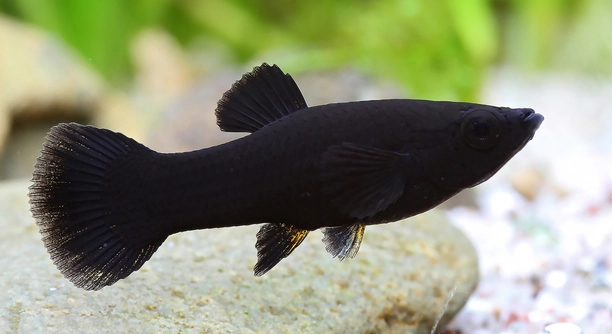
Are your black mollies often inactive in the evening, leaving your aquarium looking dull and lifeless? Observing these lively fish slows down when the sun sets, making it harder to enjoy their natural behaviors and playful movements.
Maintaining evening activity in black mollies requires attention to environmental factors and daily routines. Adjusting lighting schedules, providing sufficient hiding spots, and offering high-quality food at the right times can significantly enhance their evening movement and overall vitality.
Following a few simple adjustments can help your black mollies stay energetic, ensuring your aquarium remains vibrant and engaging throughout the night.
Adjust the Lighting Schedule
Keeping black mollies active in the evening starts with managing light. These fish are sensitive to sudden changes and need a consistent day-night cycle to feel secure. Gradually dimming lights over an hour before evening encourages natural movement and reduces stress. Using a timer ensures they get the same pattern every day, which helps maintain predictable activity. Bright lights for too long can tire them and cause hiding behavior, while too little light may make them sluggish. Natural-looking lighting that mimics sunset often triggers evening swimming and foraging behaviors. Pairing this with floating plants or gentle aquarium décor creates shadows they can explore safely. Observing how your mollies react to the light adjustment allows you to fine-tune the schedule for the best results. This method improves not only movement but also their overall health by supporting normal biological rhythms.
Gradual light changes signal to black mollies that the day is ending, promoting evening activity naturally and consistently.
Tracking their response helps maintain a lively tank, giving you better insight into their behavior and needs.
Provide Hiding Spots
Black mollies feel more secure when they have safe spaces to retreat. Hiding spots reduce stress and encourage exploration, which keeps them moving. Plants, caves, and driftwood give them options to swim around and rest safely.
Creating varied spaces within the tank allows mollies to engage with their environment while maintaining comfort and security.
Placing hiding spots strategically encourages movement without forcing them into open areas too soon. By alternating plant density and adding small decorations, you create zones that simulate natural habitats. Mollies often venture out to explore when they know a safe retreat is nearby. Over time, this setup promotes evening activity, as they feel secure enough to leave shelters and swim freely. Observing which areas they favor helps you adjust decorations for optimal engagement. In addition, hiding spots reduce aggression and competition, particularly if multiple mollies share the tank. Ensuring they are spaced correctly and not overcrowding the tank is important to prevent territorial behavior. The combination of comfort, security, and environmental enrichment keeps your mollies active consistently, especially during evening hours when natural movement patterns are heightened.
Maintain Water Quality
Clean water keeps black mollies active and healthy. Regular water changes remove waste and prevent toxins from building up, which can make them sluggish.
Testing water parameters frequently ensures ammonia, nitrite, and nitrate levels remain safe. Mollies are sensitive to sudden changes, so gradual adjustments help them stay comfortable. A stable pH between 7.5 and 8.5 supports normal activity, and consistent filtration keeps oxygen levels sufficient. Overfeeding can pollute the tank quickly, so feeding small amounts and removing leftover food is essential. Observing behavior after maintenance shows whether water quality supports their energy and evening movement. Proper water management reduces stress and strengthens their immune system.
Monitoring tank cleanliness consistently prevents illnesses that could slow your mollies.
Proper maintenance routines help create an environment where black mollies can swim actively, explore their surroundings, and interact naturally with other fish, ensuring the tank remains lively.
Offer a Balanced Diet
Feeding black mollies a varied diet boosts their energy and overall health. Providing high-quality flakes, frozen foods, and occasional live treats ensures they receive essential nutrients.
Balanced nutrition improves swimming endurance and encourages natural foraging behavior. Overfeeding or sticking to one type of food can lead to lethargy and poor health. Introducing small portions multiple times a day matches their natural feeding patterns and prevents bloating. Live or frozen foods like brine shrimp and daphnia stimulate hunting instincts and evening activity. Rotating foods also supports proper coloration and strengthens their immune system. Monitoring how mollies respond to diet changes helps fine-tune feeding schedules for maximum energy and vitality. A well-fed black molly is more likely to explore the tank and stay active throughout the evening.
Encourage Gentle Water Flow
Black mollies enjoy moderate water movement, which keeps them swimming and engaged. Gentle currents simulate natural habitats and prevent boredom.
Adjusting the filter output or adding a small air stone creates circulation without overwhelming them. Strong currents can stress mollies and reduce activity, so balance is key.
Maintain Proper Temperature
Consistent water temperature between 75°F and 82°F keeps black mollies active. Fluctuations can make them sluggish and more prone to disease.
Using a reliable heater and thermometer ensures stability. Sudden drops or spikes in temperature cause stress, which reduces evening movement. Stable warmth supports digestion and energy levels. Mollies naturally become more energetic when the water is comfortable, so maintaining this range encourages swimming and exploration consistently. Temperature management is crucial for evening activity and overall well-being.
Social Interaction
Black mollies are social and often become more active when kept in small groups. Observing each other stimulates movement and playful swimming.
Provide Evening Feeding
Offering food in the evening encourages natural foraging behaviors. Mollies respond to the presence of food by swimming actively around the tank.
FAQ
How often should I feed my black mollies in the evening?
Feeding small amounts two to three times in the evening is usually enough. Overfeeding can pollute the tank and make mollies sluggish. Offering tiny portions ensures they remain active and encourages natural foraging behavior without causing digestive issues.
Can black mollies handle dim lighting at night?
Yes, dim lighting can help mimic a natural sunset and signal to mollies that evening activity is starting. Gradually lowering light intensity over an hour encourages swimming and exploration while reducing stress. Sudden changes should be avoided to keep them comfortable.
Do black mollies need hiding spots even at night?
Absolutely. Hiding spots reduce stress and give mollies places to feel secure. Plants, caves, or decorations allow them to rest while remaining near activity zones. Knowing a safe space is nearby encourages them to swim and explore during the evening.
Will water temperature affect their evening activity?
Yes, maintaining a stable temperature between 75°F and 82°F is critical. Fluctuations can make them sluggish or stressed. A reliable heater and thermometer help ensure consistent warmth, which supports energy levels and natural swimming patterns in the evening.
Does water flow influence black molly activity?
Moderate water flow stimulates movement and keeps them engaged. Gentle currents mimic natural habitats and encourage exploration. Strong currents should be avoided, as they can stress mollies and reduce swimming. Proper circulation promotes consistent energy without overwhelming them.
Is a varied diet important for evening activity?
Providing a balanced diet with flakes, frozen foods, and occasional live treats ensures energy and health. Live foods like brine shrimp or daphnia encourage hunting instincts, which increases evening swimming. Rotating foods supports proper coloration, immune health, and consistent movement.
How many mollies should I keep together for best activity?
Keeping black mollies in small groups of three to six is ideal. They are social fish, and observing each other increases activity levels. Groups encourage natural behaviors like schooling, which makes them more lively, particularly during the evening.
What signs indicate my mollies are not active enough?
Lethargy, hiding constantly, or staying near the bottom can indicate poor water quality, incorrect temperature, or insufficient stimulation. Tracking feeding response and movement helps identify the cause. Adjusting lighting, adding hiding spots, and maintaining proper conditions often restores evening activity.
Can decorations affect their energy?
Yes, strategic placement of plants and structures provides zones for exploration and security. Mollies move more when they feel safe but have space to swim freely. Rearranging decorations occasionally keeps the environment stimulating without stressing the fish.
How long should evening activity last?
Typically, black mollies are most active in the hour after lights dim. Consistent light schedules and feeding times help establish predictable routines. Maintaining stable conditions throughout the evening encourages sustained swimming and playful behavior without overexerting them.
Is monitoring behavior important?
Observing mollies regularly helps identify health or environmental issues early. Noticing changes in swimming patterns, feeding interest, or social interactions allows timely adjustments in care. Monitoring ensures evening activity remains consistent and supports overall well-being.
What is the role of stress in evening inactivity?
Stress from overcrowding, poor water quality, or sudden changes reduces movement. Providing hiding spots, maintaining clean water, and keeping a consistent schedule helps mollies feel safe and energetic, allowing them to stay active naturally during the evening.
Can feeding frequency affect their night behavior?
Yes, spreading food in small portions keeps energy steady and encourages regular movement. Feeding too much at once can lead to sluggishness, while too little may reduce activity. Evening feeding should match their natural foraging instincts to keep them engaged.
How can I make their tank more stimulating?
Adding varied decorations, gentle water flow, and plants creates zones to explore. Hiding spots combined with open swimming areas promote natural behaviors and evening activity. Small adjustments can make the environment more engaging without adding stress.
What should I do if my mollies remain inactive?
Check water quality, temperature, diet, and tank setup. Make gradual adjustments rather than sudden changes. Observing reactions after each modification helps identify what stimulates activity. Consistency in care and environment is key to restoring evening liveliness.
Keeping black mollies active in the evening requires consistent care and attention to their environment. Simple adjustments, like gradually dimming lights and providing hiding spots, can make a big difference. Black mollies respond well to predictable routines, so maintaining a steady schedule for lighting, feeding, and tank maintenance helps them feel secure and encourages natural movement. Ensuring the tank is clean, the water temperature is stable, and the flow is gentle supports their overall health, which directly impacts how active they are. Over time, these small, consistent efforts create a comfortable habitat where black mollies feel safe to explore and swim during the evening hours.
Diet also plays an important role in evening activity. Providing a varied diet with high-quality flakes, frozen foods, and occasional live treats supplies the nutrients mollies need to remain energetic. Feeding smaller portions multiple times a day mimics natural feeding behavior and prevents sluggishness caused by overfeeding. Introducing live or frozen foods such as brine shrimp and daphnia stimulates their hunting instincts and encourages movement. Watching how your mollies respond to changes in diet can help you adjust portions or types of food to maximize energy and vitality. A well-fed black molly is more likely to swim actively, interact with other fish, and explore its environment consistently during the evening.
Finally, observing behavior and making thoughtful adjustments is key. Mollies are social and curious fish, and providing them with a stimulating environment keeps them engaged. Adding plants, decorations, and spaces to explore while ensuring the tank is not overcrowded gives them opportunities to move safely. Regularly checking water quality and temperature, along with maintaining a consistent feeding and lighting schedule, allows mollies to follow natural patterns of activity. Small, intentional changes over time have a cumulative effect, creating a lively and healthy aquarium. With careful attention to these factors, black mollies can remain active and vibrant in the evening, enhancing the overall enjoyment and balance of your tank.

Hello,
If you enjoy the content that we create, please consider saying a "Thank You!" by leaving a tip.
Every little bit helps us continue crafting quality advice that supports the health, happiness, and well-being of pets around the world, for pets of all shapes, sizes, and species.
We really appreciate the kindness and support that you show us!