
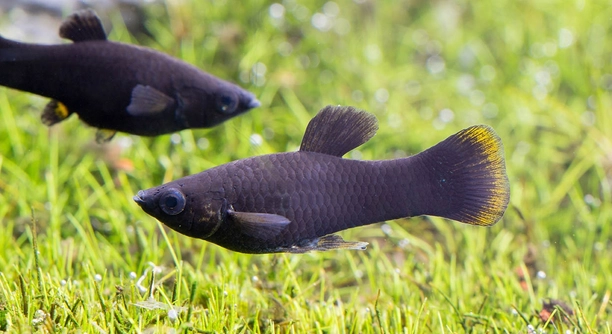
Do you ever find yourself needing to move your Black Molly fish but unsure of the safest way to do it? Many aquarium enthusiasts face this situation when transferring fish between tanks or setups. Proper handling is key.
Black Mollies should ideally be transported in a water-filled bag to reduce stress and prevent injury. Moving them without a bag increases the risk of damage, temperature shock, and oxygen depletion, which can negatively affect their health and survival.
Knowing the proper method can make all the difference for your fish’s well-being. Learning these steps ensures a safer and smoother transition for your Black Molly.
Why Using a Bag Matters
Moving a Black Molly without a bag might seem convenient, but it can cause serious stress. Fish are sensitive to sudden changes in water conditions, temperature, and handling. A water-filled bag provides a buffer that keeps their environment stable while being moved. Without it, they can experience shock from sudden exposure to air, which affects breathing. The bag also minimizes direct contact, reducing the risk of injury from sharp edges or rough handling. Even small movements in a tank can make a fish panic, leading to bumps against hard surfaces. Using a bag allows the fish to float gently and maintain its natural posture. Proper transportation also keeps water temperature consistent, preventing rapid changes that can weaken their immune system. For longer moves, oxygen can be added to the bag to ensure the fish remains healthy. Overall, a bag ensures a safe, controlled transfer.
Black Mollies have delicate bodies that react quickly to sudden changes. A bag reduces these risks significantly.
Handling your Black Molly with care reflects directly on its health. Consistent temperature, minimal stress, and controlled movement are critical. Using a bag ensures these factors are met, allowing the fish to remain calm. Observing your fish’s behavior during transport can help identify signs of stress early. Fish may flare fins or swim erratically if disturbed, indicating discomfort. Preparing the bag with some of the tank water helps maintain familiar conditions and reduces shock. Avoid overcrowding multiple fish in one bag, as this increases stress and oxygen depletion. Securing the bag properly prevents tipping or splashing. Once in the new tank, float the bag briefly to equalize temperature before release. Slowly acclimating them helps them settle comfortably. Even minor precautions can make the transfer less traumatic. By following these steps, your Black Molly arrives safely and remains healthy, ready to continue thriving in its new environment.
Preparing Your Black Molly for Transport
Remove any sharp decorations or obstacles from the tank before moving your fish. This ensures a smooth transition and prevents accidental injuries.
Acclimating a Black Molly begins with selecting a clean, sturdy bag. Fill it partially with tank water, then gently place the fish inside. Avoid filling the bag completely, as this leaves no air for oxygen exchange. Tie the top securely but not too tightly to prevent leaks. For longer trips, adding oxygen or air stones can help maintain safe oxygen levels. Keep the bag in a shaded, stable spot to avoid temperature fluctuations during transport. Upon arrival, float the bag in the new tank for about 15 to 20 minutes to equalize water temperature. Gradually mix small amounts of tank water into the bag to help the fish adjust to the new environment. Open the bag carefully and release the fish gently, minimizing stress. This process allows your Black Molly to acclimate naturally, reducing the risk of shock, injury, or sudden behavior changes. Proper preparation ensures a safe, calm, and effective transfer.
Common Mistakes When Moving Black Mollies
Overhandling is one of the main mistakes when moving Black Mollies. Squeezing or dropping them can injure their fins or scales. Using improper containers or skipping temperature adjustment also puts the fish at risk, leading to stress or shock.
Many people try to move Black Mollies in dry containers or cups. Without water, the fish cannot breathe and quickly become stressed. Sudden temperature changes are another frequent issue. Fish accustomed to a stable tank environment can react poorly if exposed to colder or warmer conditions. Even brief exposure to air can cause gill damage. Overcrowding in one bag or container can further worsen the situation, depleting oxygen rapidly. Each precaution, from using a suitable bag to gradually adjusting water temperature, directly affects the fish’s safety.
Skipping acclimation steps after transport is another common problem. Releasing a fish immediately into a new tank can shock it. Gradually mixing tank water with the bag water helps the fish adjust. Observing behavior during the first minutes in the new tank is important. Signs like erratic swimming or staying at the bottom indicate stress. Adjusting the water slowly and avoiding sudden disturbances can reduce these risks. Small measures during and after transport make a big difference in keeping your Black Molly healthy.
Best Practices for Smooth Transport
Always prepare a clean, water-filled bag before moving your fish. Ensure it has adequate space and oxygen to maintain safe conditions.
Use water from the fish’s original tank to fill the bag partially. Secure the bag top without making it too tight to allow slight movement. Keep the bag in a shaded, stable area during transport. Avoid sudden movements or shaking the bag, which can disorient the fish. For trips longer than an hour, consider adding extra oxygen or using an air stone. Once at the destination, float the bag in the new tank to equalize temperature. Gradually add small amounts of the new tank water to the bag over 15–20 minutes. Open the bag carefully and release the fish gently to minimize stress. Following these practices ensures a safer, calmer transition and helps your Black Molly adapt quickly to its new environment.
Signs of Stress in Black Mollies
Erratic swimming, clamped fins, or hiding excessively are common signs of stress in Black Mollies. These behaviors often appear after handling or moving the fish, indicating discomfort or environmental shock.
Loss of appetite or rapid gill movement can also signal stress. Observing your fish closely helps detect these signs early. Addressing stress quickly improves recovery and prevents further health issues.
Temperature Considerations During Transport
Maintaining stable water temperature is critical when moving Black Mollies. Sudden changes can weaken their immune system, making them more prone to illness. Use a bag with water from their original tank to reduce temperature shock. Avoid exposing the fish to direct sunlight or cold drafts during transit.
Avoiding Overcrowding
Only move a few fish per bag. Overcrowding reduces oxygen and increases stress levels, which can lead to injury or illness.
Using Tank Water for Acclimation
Adding small amounts of tank water gradually helps your Black Molly adjust to its new environment. This prevents shock and encourages smoother adaptation.
FAQ
Can Black Mollies survive a short move without a bag?
While Black Mollies might survive very brief moves without a bag, it is risky. Even a few minutes out of water or in an unstable environment can cause stress and potential injury. Using a water-filled bag greatly reduces these risks, helping the fish stay healthy and calm.
How long can a Black Molly stay in a transport bag?
For short trips under an hour, a bag partially filled with tank water is usually sufficient. For longer trips, extra precautions such as adding oxygen or using an air stone are necessary. Keep the bag shaded and avoid sudden movements to maintain stable water conditions.
Is it safe to use a cup instead of a bag?
A cup can be used in emergencies for very brief transfers, but it is far from ideal. Cups provide little water volume, minimal oxygen, and no temperature control, making the fish more vulnerable to stress. Bags are far safer and recommended.
Can I move multiple Black Mollies together?
It is possible, but overcrowding should be avoided. Too many fish in one bag reduces oxygen and increases stress levels. Use separate bags for larger numbers and ensure each bag has enough water and air space.
Do I need to acclimate my Black Molly after moving it?
Yes, acclimation is critical. Gradually mixing the tank water from the new environment into the bag allows the fish to adjust to temperature, pH, and other water parameters. This prevents shock and promotes a smooth transition.
What are the signs of stress after transport?
Clamped fins, erratic swimming, hiding excessively, rapid gill movement, or loss of appetite are all common stress indicators. Observing these behaviors helps identify problems early and allows corrective measures to protect the fish’s health.
Can I reuse the same bag for another transport?
It’s not recommended. Used bags can carry bacteria or residues that may harm the next fish. Always use a clean, sturdy bag for each transport to ensure safe and hygienic conditions.
Is water from the original tank necessary for the bag?
Yes, using water from the original tank helps maintain familiar conditions and reduces stress. It also keeps temperature, pH, and other water parameters consistent, minimizing the risk of shock during transport.
What temperature is safe for transporting Black Mollies?
Maintain a temperature close to their normal tank environment, usually between 74–78°F (23–26°C). Avoid direct sunlight, heaters, or cold drafts, as sudden changes can weaken their immune system and increase stress levels.
How soon can I feed my Black Molly after moving?
Wait until the fish appears relaxed and shows normal swimming behavior. Feeding immediately after transport can be stressful and lead to poor digestion. Typically, a few hours to a day is sufficient before offering food.
Can stress from moving cause long-term health issues?
Yes, prolonged stress weakens the immune system, making Black Mollies more susceptible to disease. Minimizing handling, maintaining stable conditions, and using proper transport methods helps prevent long-term health problems.
Are there alternatives to bags for short moves?
For very short distances within the same home, using a small container filled with water from the tank can work. However, it must be done carefully, ensuring the fish has sufficient water, oxygen, and temperature stability. Bags remain the safest option for most moves.
Can I use a heater during transport?
Portable heaters are usually unnecessary for short trips if the ambient temperature is stable. For longer trips in cooler conditions, small battery-operated heaters or insulating materials can help maintain consistent water temperature.
How do I reduce panic in Black Mollies during transport?
Keep the environment calm and minimize movement. Shaded, stable placement of the bag, avoiding sudden jerks or vibrations, and keeping noise low can help reduce panic and stress during transit.
Should I check water quality before and after transport?
Yes, monitoring pH, ammonia, and temperature helps ensure the fish stays healthy. Use water from the original tank during transport and test water after the move to confirm it matches safe conditions for your Black Molly.
This FAQ covers the most common concerns and practical steps for safely transporting Black Mollies, focusing on minimizing stress, ensuring stable conditions, and protecting overall health. Proper preparation, careful handling, and attention to details make all the difference in keeping your fish safe.
Moving Black Mollies requires careful attention to their safety and comfort. These fish are delicate and sensitive to sudden changes in their environment, so even small mistakes can have a big impact on their health. Using a water-filled bag is the most reliable method for transport because it maintains stable water conditions, reduces stress, and protects the fish from injury. The bag acts as a temporary buffer, keeping the fish’s environment consistent and allowing them to float gently without struggling against hard surfaces. Even short trips without a bag can put a Black Molly at risk of shock, temperature fluctuations, or damage to their fins and scales. By taking the time to prepare a proper bag and handling the fish carefully, you give them the best chance to remain healthy and calm during the move.
Acclimation is just as important as the actual transport. When a Black Molly is introduced to a new tank, it is essential to gradually mix water from the new environment into the transport bag. This step allows the fish to adjust to changes in temperature, pH, and other water parameters. Skipping this process can cause stress and shock, even if the fish survived the trip itself. Observing the fish’s behavior after transfer is also key. Signs such as clamped fins, erratic swimming, or hiding indicate stress, and adjustments may be needed to ensure comfort. By taking these precautions, you can help your Black Molly settle into its new home more smoothly. Small steps like floating the bag to equalize temperature or slowly adding new tank water make a noticeable difference in the fish’s well-being.
Consistent care and preparation go a long way in ensuring the long-term health of your Black Mollies. Avoiding overcrowding, maintaining stable water temperature, and minimizing handling all help reduce stress levels during transport. Even brief exposure to air or sudden movements can negatively affect them, so careful planning is essential. Using clean bags, oxygenating water when needed, and monitoring their behavior after the move are all simple but effective measures. Paying attention to these details not only keeps the fish safe but also promotes healthier, more active behavior in the new tank. Proper preparation and cautious handling allow Black Mollies to adapt comfortably, reducing the risk of illness and improving their overall quality of life. With consistent attention to these steps, moving Black Mollies can be a safe and successful process that supports their long-term health and happiness.

Hello,
If you enjoy the content that we create, please consider saying a "Thank You!" by leaving a tip.
Every little bit helps us continue crafting quality advice that supports the health, happiness, and well-being of pets around the world, for pets of all shapes, sizes, and species.
We really appreciate the kindness and support that you show us!