
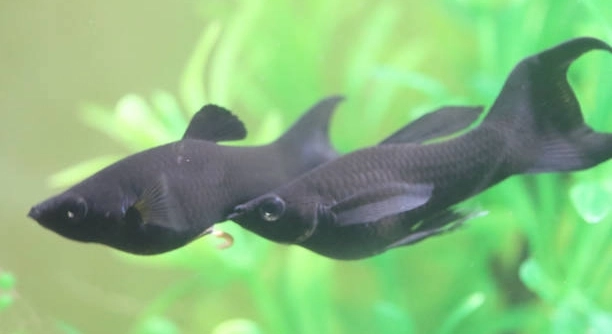
Introducing Black Molly to a fry tank can be exciting but also tricky. Many hobbyists rush the process without realizing how delicate these fish are when first entering a new environment. Careful attention is essential.
Common mistakes when introducing Black Molly to fry tanks include sudden water changes, overfeeding, aggressive tank mates, insufficient hiding spots, poor water quality, incorrect temperature, and lack of acclimation. Avoiding these errors ensures fry survival and healthy development.
Knowing these mistakes can save your fry from unnecessary stress and improve their chances of thriving in a safe, controlled environment. Proper preparation makes all the difference in early growth stages.
Sudden Water Changes
Sudden water changes are one of the most common mistakes when introducing Black Molly to fry tanks. Fry are extremely sensitive to shifts in water chemistry, even more than adult fish. If the new water has a different pH, hardness, or temperature, it can shock the fry, causing stress or even death. Many people think replacing half the tank water quickly is harmless, but fry need very gradual adjustments. Slowly mixing new water with tank water over a period of 30 to 60 minutes can help them acclimate safely. Even minor differences in chlorine or other chemicals can harm delicate fry, so using a water conditioner and letting water sit before introducing it is important. Observing fry behavior during this period can give insight into their comfort levels, as stressed fry may hide excessively or stop feeding. Taking the time to adjust water slowly improves survival and reduces long-term stress.
Using gradual water changes helps fry adapt without shock and ensures their growth starts on stable conditions.
Black Molly fry are highly sensitive, and rushing changes often leads to fatalities. By controlling the rate at which water is introduced, you can maintain a healthier environment. Patience during the initial weeks makes a significant difference in fry health and development, reducing illness and mortality. Establishing a calm, stable environment encourages regular feeding, normal swimming behavior, and strong immune function. Monitoring water parameters like pH, temperature, and hardness consistently allows you to notice small changes before they become dangerous. Many hobbyists find that the extra effort during acclimation saves time later, as healthy fry grow faster and are less prone to disease. Even when other factors are ideal, sudden water changes can undo weeks of careful management. By combining slow water adjustments with proper tank setup and feeding, you create a secure environment where Black Molly fry can thrive. Consistency and attention are key to supporting the earliest, most vulnerable stage of life.
Overfeeding
Overfeeding fry can quickly compromise their health and water quality.
Black Molly fry are small and have tiny stomachs, so giving too much food leads to leftover waste that pollutes the tank. Uneaten food decomposes, raising ammonia levels and stressing fry. Feeding small amounts two to three times daily is enough. Observing how much the fry eat in a few minutes allows you to adjust portions properly. Using finely crushed flakes or specialized fry food ensures they can consume it easily. Overfeeding also encourages rapid algae growth, which can compete with fry for oxygen and create an unbalanced environment. Limiting feeding to what fry can eat in a few minutes reduces water contamination and promotes steady growth. Consistency in portion size and timing helps fry develop normally without exposing them to harmful water conditions caused by excess food. Creating a controlled feeding schedule keeps both fry and water healthy while preventing unnecessary problems.
Aggressive Tank Mates
Aggressive tank mates can harm Black Molly fry before they have a chance to grow. Even slightly larger fish may nip at fins or eat fry, causing injury or death. Keeping fry separate from adult fish prevents stress and increases survival rates.
Selecting peaceful species or using a breeder box is essential. Fry are tiny and vulnerable, and even minor harassment can stunt growth or cause permanent damage. Observing interactions in a shared tank often reveals hidden aggression that isn’t obvious at first. Breeder nets or divided tanks allow fry to swim freely while avoiding attacks, which supports healthy development. Regularly checking for signs of stress or injury helps ensure the environment remains safe, and removing aggressive individuals quickly can prevent losses. Protecting fry from bullying ensures they spend energy on growth instead of hiding.
Many people underestimate how dangerous minor aggression can be. Providing hiding spots and monitoring behavior allows fry to thrive without constant threat. Tank layout, decorations, and plants can all contribute to reducing stress and creating a secure habitat where fry can feed and move freely. Maintaining vigilance during the early weeks prevents injuries and promotes strong, healthy development, reducing the likelihood of long-term damage from stress or attacks.
Insufficient Hiding Spots
Fry need adequate hiding spots to feel secure and avoid stress. Without cover, they may hide constantly or become easy targets for other fish. Plants, rocks, and small shelters create safety zones.
Dense vegetation or small floating plants provide natural protection. Black Molly fry instinctively seek cover when they sense movement or sudden changes, and lack of hiding spots can increase stress hormones, slowing growth. Small caves, PVC tubes, or leaf litter can also serve as retreats. Ensuring multiple hiding areas reduces competition and prevents overcrowding in one spot, which can cause injury. Fry that feel secure feed more actively and grow faster, while stressed fry may refuse food and weaken. Rotating or rearranging decorations occasionally helps distribute activity evenly. These simple additions significantly improve survival rates, making fry more resilient during critical development stages.
Poor Water Quality
Poor water quality can quickly harm Black Molly fry. High ammonia, nitrite, or nitrate levels stress fry and can lead to disease or death. Regular testing and partial water changes are essential to maintain a safe environment.
Fry are extremely sensitive to even minor fluctuations in water parameters. Maintaining clean water with stable pH and temperature supports proper growth. Using a gentle filter and avoiding overcrowding also helps preserve water quality.
Incorrect Temperature
Temperature that is too high or too low affects fry metabolism and growth. Consistently maintaining the recommended range ensures they remain active and healthy.
Lack of Acclimation
Introducing fry without proper acclimation shocks their system. Gradual adjustment to the new tank’s water prevents stress and increases survival. Slow mixing and monitoring behavior during the first hour helps fry adapt smoothly.
How long should I wait before introducing Black Molly to a fry tank?
It is best to wait until the fry tank is fully cycled and stable. The tank should have consistent temperature, pH, and ammonia levels near zero. For most setups, this takes about two to four weeks. Introducing adult Black Molly or new water too early can shock the fry. Even if the tank looks clean, chemical imbalances can stress or kill fry quickly. Make sure all equipment, such as filters and heaters, are functioning correctly before adding any fish. Patience in this stage reduces losses and ensures the fry have a safe environment to grow.
What type of hiding spots work best for fry?
Fry need small and dense cover to feel secure. Live plants such as Java moss or floating plants like duckweed are ideal. Small PVC tubes or decorative caves also provide safe retreats. Avoid overcrowding one area; spreading hiding spots allows fry to explore freely while reducing stress. Fry will naturally hide when startled, so having multiple options keeps them from being trapped or injured. Adjusting hiding spots slightly over time can encourage movement and healthy growth. Soft decorations without sharp edges prevent injury while still giving fry a sense of safety.
How often should I feed Black Molly fry?
Feed small amounts two to three times per day. Fry have tiny stomachs, so giving more than they can consume in a few minutes leads to leftover food that pollutes the tank. Use finely crushed flakes, powdered fry food, or specially formulated baby brine shrimp. Observing how much they eat in five minutes helps adjust portion sizes. Overfeeding not only harms water quality but also increases disease risk. Consistency in feeding times encourages regular growth and helps fry establish healthy routines. Rotate food types occasionally to provide balanced nutrition without overwhelming the tank.
What water parameters are best for fry survival?
Black Molly fry thrive in stable, slightly alkaline water with a pH between 7.0 and 8.0. Temperature should be maintained around 24–26°C (75–79°F). Ammonia and nitrite must remain at zero, while nitrates should be kept low. Frequent monitoring with test kits is necessary. Small, gentle filtration and careful water changes prevent fluctuations. Fry are more sensitive than adults, so even minor changes can cause stress or illness. Using conditioned, dechlorinated water and avoiding drastic chemical treatments helps maintain stability. Regular observation ensures the environment stays safe for growth.
Can fry survive with adult Black Mollies?
It is risky to keep fry with adult Black Mollies. Adults may eat or harass fry, even if they are not overtly aggressive. Breeder boxes, nets, or separate tanks are recommended until fry are large enough to avoid predation. Even peaceful adults can unintentionally harm fry during feeding or swimming. Monitoring interactions is important if separation isn’t possible. Providing ample hiding spaces can reduce stress, but isolation is always safer for early stages. Survival rates are significantly higher when fry are protected from larger fish until they grow stronger.
How do I acclimate fry to a new tank?
Acclimating fry should be done gradually over 30–60 minutes. Slowly mix small amounts of the new tank water with the water they are currently in. Avoid pouring fry directly into the new tank, as sudden changes in temperature, pH, or hardness can shock them. Observe behavior for signs of stress, such as erratic swimming or hiding. Only release fry fully once they appear calm and are actively exploring. Patience in acclimation increases survival and ensures fry are ready to thrive in their new environment without sudden stress or health issues.
What signs indicate fry are stressed or unhealthy?
Stressed or unhealthy fry often hide excessively, stop eating, swim erratically, or show discoloration. Lethargy and slow growth are common indicators as well. Poor water quality, aggressive tank mates, or insufficient hiding spots are usually the cause. Immediate action, such as adjusting water parameters, separating fry, or improving tank setup, can help prevent losses. Regular observation during feeding and swimming times allows early detection. Keeping a consistent environment with proper temperature, food, and water quality minimizes stress and supports healthy development. Early intervention often makes the difference between thriving and high mortality rates.
How can I prevent overpopulation in fry tanks?
Overpopulation occurs if too many fry are kept in one tank. Crowding increases stress, disease risk, and competition for food. Transfer excess fry to other tanks or give them away responsibly. Maintaining a reasonable density ensures adequate space, oxygen, and food for each fry. Observing growth patterns helps determine when separation is necessary. Providing multiple hiding spots also reduces conflict in moderately populated tanks. Controlled breeding and careful monitoring help maintain balance, prevent overcrowding, and create a stable environment where fry can grow efficiently.
What is the best feeding routine for balanced growth?
A consistent feeding schedule with small, frequent meals supports steady growth. Rotate foods such as crushed flakes, powdered fry food, and live or frozen baby brine shrimp. Feed amounts that fry can consume in a few minutes to avoid leftover food accumulation. Monitor growth and adjust portions as fry develop. Avoid overfeeding, as it can damage water quality and health. Feeding at the same times daily helps fry adapt, improves digestion, and reduces competition. A structured routine ensures fry receive proper nutrition without compromising the tank’s cleanliness or stability.
How often should I test the water in a fry tank?
Water testing should be done at least two to three times per week. Ammonia, nitrite, nitrate, pH, and temperature need regular monitoring. Fry are extremely sensitive to fluctuations, so frequent checks help detect problems early. Small adjustments prevent stress and illness, improving survival rates. Logging results over time helps track trends and maintain stability. Even minor changes can have a big impact on fry health, so consistency in monitoring is essential. Quick intervention keeps the environment safe and supports healthy development throughout the early stages of life.
Introducing Black Molly to a fry tank requires patience and careful planning. Fry are very small and sensitive, so small mistakes can lead to stress or death. Things like sudden water changes, aggressive tank mates, or poor water quality can harm them before they have a chance to grow. Providing the right environment from the start is key. Using stable water conditions, proper temperature, and gentle filtration gives fry a chance to develop safely. Hiding spots, soft decorations, and live plants help reduce stress, allowing fry to explore and feed comfortably. Even small details, such as the timing of water changes or the size of food particles, can make a big difference. Attention to these factors early on saves time and effort later.
Feeding is another important area where care matters. Fry have tiny stomachs, so overfeeding is a common problem. Uneaten food pollutes the water, increasing ammonia and nitrite levels, which can quickly become harmful. Feeding small amounts two to three times daily is enough. Using finely crushed flakes or specialized fry food ensures they can eat easily without leaving leftovers behind. Rotating foods, like adding live or frozen baby brine shrimp occasionally, helps provide balanced nutrition for healthy growth. Fry that eat properly grow faster and are less likely to get sick. Monitoring feeding behavior also gives a good indication of overall health, as stressed or unhealthy fry may refuse to eat. Maintaining a consistent feeding routine and keeping the water clean go hand in hand to support healthy development.
Finally, separating fry from adult fish and other potential threats is essential for survival. Even peaceful adult Black Mollies can harm fry, and overcrowding can lead to stress or injury. Breeder boxes, nets, or separate tanks provide safe spaces for fry to grow without constant threats. Observing fry daily helps detect problems early, whether it’s illness, stress, or aggressive behavior from tank mates. Acclimating fry gradually to new water conditions prevents shock and increases their chances of thriving. By combining stable water, proper feeding, adequate hiding spots, and protection from aggression, the early weeks in a fry tank can be managed successfully. Consistent attention and care ensure fry develop into healthy adult Black Mollies, setting the foundation for a strong and thriving tank in the future.

Hello,
If you enjoy the content that we create, please consider saying a "Thank You!" by leaving a tip.
Every little bit helps us continue crafting quality advice that supports the health, happiness, and well-being of pets around the world, for pets of all shapes, sizes, and species.
We really appreciate the kindness and support that you show us!