
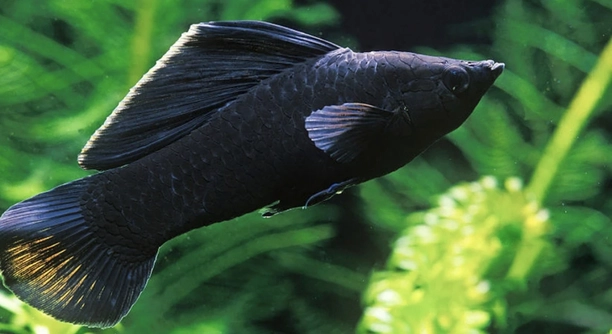
Many aquarists enjoy keeping black mollies because of their sleek appearance and peaceful nature. Observing them in their tank can be relaxing, but sometimes they rest on leaves for long periods, catching your attention.
Black molly fry often rest on leaves due to a combination of seeking shelter, conserving energy, and avoiding strong water currents. Leaves provide a stable surface that reduces stress and allows fry to maintain safety while they develop.
Watching your fry interact with their environment reveals important behaviors. Recognizing these patterns helps ensure they grow healthy and adapt well to your tank’s conditions.
Reasons Black Molly Fry Rest on Leaves
Black molly fry often use leaves as resting spots because they feel safe and secure. Young fry are vulnerable, and staying on or near leaves helps them avoid stronger fish and sudden currents in the tank. Leaves also provide a shaded area, which can reduce stress and make the environment feel more stable for them. Many fry naturally stay close to surfaces that offer support, especially when they are not actively swimming. This behavior is normal and part of their instinct to find shelter. Fry may also rest on leaves to conserve energy, especially after feeding or swimming for extended periods. In tanks with dense plants, fry have more opportunities to find comfortable spots. Observing these patterns can help you understand their needs and maintain a healthy environment for them. Ensuring leaves are clean and stable will make these resting areas safe and reliable.
Fry resting on leaves is a natural behavior and generally not a sign of illness.
Leaf resting is influenced by water quality, plant density, and fry activity levels. Healthy fry will use leaves intermittently, balancing swimming and resting periods naturally.
How to Support Fry Comfort and Growth
Providing enough live plants and leaves gives fry secure spots to rest and hide. Dense foliage allows them to explore while remaining protected.
Maintaining a balanced environment is key for black molly fry development. Leaves and plants are important, but water conditions must also be stable. Keep temperature, pH, and filtration consistent, as sudden changes can stress fry, causing them to cling to surfaces more than usual. Feeding plays a role too; small, frequent feedings help fry stay active and grow evenly. Regularly check for decaying leaves or algae buildup, since poor plant quality can harm fry or reduce their resting options. Observing their behavior daily allows you to notice changes early, helping you adjust care routines as needed. By providing both physical support through plants and proper water care, fry have a safer environment. This leads to healthier, more confident swimming and reduces unnecessary stress, ensuring they reach adulthood with strength and resilience.
Healthy tanks and thoughtful plant placement make fry more comfortable and encourage proper growth.
Leaf Selection for Fry
Choosing the right leaves helps black molly fry feel secure and supported. Soft, broad leaves are ideal, while tough or sharp leaves may injure delicate fry.
Live plants like java fern or anubias offer wide, flexible surfaces that fry can rest on without risk of cuts or stress. Avoid delicate plants that may decay quickly, as decaying leaves can reduce water quality and create harmful conditions. Leaves that stay in place reduce stress for fry, as they can safely cling without struggling against currents or movement. The right leaves also provide shelter from more active tank mates, giving fry spots to recover energy. By observing which leaves fry prefer, you can tailor plant selection to their needs, improving both safety and comfort. Consistent maintenance ensures that leaves remain clean and supportive, allowing fry to develop in a stable, healthy environment without unnecessary obstacles or hazards.
Leaves should be checked regularly for cleanliness and stability to prevent fry injuries or stress.
Observing Fry Behavior
Fry often stay still on leaves to conserve energy or hide from larger fish. Watching these patterns can reveal their health and comfort.
Black molly fry show subtle signals when resting on leaves. If fry spread out evenly and swim periodically, it usually indicates good water conditions and proper nutrition. Fry that cling constantly without movement may be stressed or uncomfortable. Monitoring interactions with other fry and tank mates is also important, as overcrowding can cause fry to remain hidden for longer periods. Regular observation helps you adjust feeding, water flow, and plant placement to suit their needs. Fry that explore their surroundings gradually while using leaves for short rests tend to grow stronger and adapt better to tank life. Paying attention to these behaviors allows for timely adjustments, ensuring fry remain active and healthy.
Fry resting habits vary with age, temperature, and activity levels, all of which influence leaf use and overall behavior.
Tank Setup Considerations
Proper tank setup helps black molly fry use leaves safely. Low water flow and stable plants create comfortable resting spots.
Avoid overcrowding the tank, as too many fry or active fish can force young mollies off leaves. Providing space ensures they can rest without constant disturbance.
Water Quality and Fry Health
Maintaining clean, stable water is essential for fry comfort. Frequent water changes, filtered circulation, and careful monitoring of temperature and pH reduce stress and support healthy growth. Fry are sensitive to ammonia, nitrites, and rapid fluctuations, which can make them cling to leaves excessively or hide for long periods. Observing fry during feeding and rest helps detect early signs of stress or illness. Regular testing and adjusting water parameters allows fry to thrive and interact naturally with their environment. A stable tank supports proper development, making leaves effective resting spots rather than refuges from poor conditions.
Feeding and Energy Levels
Consistent, small feedings keep fry active and balanced, reducing the need to rest excessively on leaves.
Why are my black molly fry always resting on leaves?
Black molly fry rest on leaves to feel secure, conserve energy, and avoid strong currents. Leaves provide a stable surface where they can pause swimming and observe their surroundings. This is a normal behavior, especially in young fry, and usually indicates they are seeking comfort rather than showing signs of illness. Fry will alternate between resting and active swimming as they grow, using leaves intermittently rather than staying there all the time.
Is it harmful if my fry stay on leaves most of the day?
Fry resting frequently on leaves is not harmful if water conditions are stable and they are feeding regularly. Excessive resting may indicate stress from poor water quality, overcrowding, or insufficient hiding spots. Ensuring clean water, proper filtration, and adequate live plants will help fry balance activity with resting. Observing feeding habits is important; if fry are eating normally, leaf resting is generally safe.
Do certain types of leaves work better for fry resting?
Soft, broad leaves are best for fry. Plants like java fern, anubias, or broad-leaved aquatic plants offer safe surfaces without sharp edges. Avoid delicate leaves that decay quickly, as rotting leaves can reduce water quality and increase the risk of disease. Leaves that stay firmly in place allow fry to rest without being pushed around by water flow. Observing which leaves fry prefer can guide your plant selection for optimal comfort.
Can water flow affect how often fry use leaves?
Yes, water flow has a strong influence on resting behavior. Fry tend to cling to leaves in areas with slower currents to conserve energy. Strong currents can push them around, making resting more stressful. Adjusting water flow and positioning plants strategically helps fry use leaves comfortably while encouraging natural swimming behavior. Balanced water movement is important for oxygenation without forcing fry to remain hidden excessively.
Do fry need leaves to grow properly?
Leaves are not strictly necessary, but they greatly improve comfort and security. Fry without access to resting spots may expend more energy swimming and hiding, which can affect growth slightly. Providing leaves mimics natural habitats and reduces stress, helping fry focus on feeding and development. Even a few well-placed leaves in the tank can make a big difference in fry activity levels and confidence.
How can I tell if my fry are stressed or unhealthy?
Stressed fry often cling to leaves constantly, fail to eat, or display erratic swimming. Pale coloration, rapid gill movement, or lying on the tank bottom may also indicate poor health. Regular observation of behavior and appearance, combined with proper water testing, can help detect issues early. Addressing water quality, feeding, and tank environment quickly ensures fry stay healthy and reduces excessive leaf resting due to stress.
Is it normal for fry to rest after feeding?
Yes, fry often rest on leaves after feeding to digest food and regain energy. Resting periods are natural and help fry grow efficiently. As long as fry resume active swimming after resting, this behavior is normal and beneficial for their development. Providing multiple resting spots allows them to choose safe areas without crowding or stress.
Can I use artificial leaves for fry resting?
Artificial leaves can be used if they are smooth, broad, and free of sharp edges. They should stay in place and not leach harmful chemicals into the water. While live leaves provide added benefits like natural shelter and slight water filtration, artificial leaves can serve as effective resting surfaces if maintained properly. Observing fry preferences will indicate whether they accept artificial options comfortably.
How often should I check leaves for fry safety?
Leaves should be inspected regularly for damage, decay, or algae buildup. Decaying leaves can reduce water quality and make resting spots unsafe. A weekly check is usually sufficient, removing any that are breaking down. Clean, stable leaves help fry feel secure, maintain health, and encourage balanced activity and rest throughout the day.
Do fry prefer certain areas of the tank for resting on leaves?
Fry often choose quieter, sheltered areas with less light and slower currents. Corners or areas with dense plants are popular spots. Observing preferred resting locations can help you position additional plants or leaves to encourage safe, stress-free behavior. Proper tank layout ensures fry have multiple options to rest comfortably without crowding or conflict.
Can temperature changes affect leaf resting behavior?
Yes, cooler or fluctuating temperatures can make fry less active, causing them to stay on leaves longer. Consistent water temperature within the recommended range for black mollies supports regular swimming and resting patterns. Sudden drops or spikes in temperature increase stress, so maintaining stability is crucial for healthy fry development.
Will fry outgrow the need to rest on leaves?
As fry grow stronger and more confident swimmers, they may use leaves less frequently. Older fry still benefit from resting spots but can explore the tank more actively. Observing behavior over time helps ensure their environment continues to support both activity and comfort. Proper plant placement can accommodate growth stages without restricting movement or causing stress.
Are there signs that leaf resting is linked to illness?
Persistent, unusual leaf resting paired with lack of appetite, faded color, or lethargy may indicate illness. Common issues include poor water quality, parasites, or bacterial infections. Early intervention, water testing, and careful observation are key to preventing serious health problems. Fry should return to normal swimming when conditions improve.
How does plant density affect resting behavior?
Dense plants provide more hiding and resting spots, reducing stress and encouraging natural behavior. Sparse planting can force fry to rest in fewer areas, increasing competition and vulnerability. Arranging plants with varied heights and surfaces allows fry to choose comfortable leaves for short rests while remaining safe from active tank mates.
Can I supplement resting spots with decorations?
Smooth, broad decorations can serve as alternative resting surfaces. Items like floating platforms or gentle curves mimic natural leaf surfaces and offer additional comfort. Avoid rough or sharp decorations that can injure delicate fry. Combining live plants, leaves, and safe decorations creates multiple safe options, supporting both activity and growth in young black mollies.
Do lighting levels impact leaf resting behavior?
Bright light may encourage fry to seek shaded leaves for comfort. Dimming lights or providing plants that create shaded areas helps fry balance activity and rest. Proper lighting ensures they feed effectively while maintaining secure resting spots without stress. Observing how fry respond to different light levels allows fine-tuning for optimal tank conditions.
How can I encourage fry to explore more and not stay on leaves all the time?
Providing a gentle current, balanced feeding schedule, and scattered hiding spots encourages movement. Gradually introducing open swimming areas alongside leaves allows fry to explore while maintaining safety. Observing behavior helps adjust tank setup so fry gain confidence without abandoning secure resting areas. This promotes healthy growth and activity balance.
What is the ideal number of leaves or plants for a fry tank?
There is no strict number, but enough leaves should allow every fry to rest without crowding. A mix of tall, broad, and floating plants provides variety. Regularly observing how fry interact with plants helps determine whether more or fewer resting spots are needed. Proper spacing supports comfort, growth, and reduced stress in the tank environment.
Black molly fry resting on leaves is a normal and natural behavior that reflects their need for safety, energy conservation, and comfort. Young fry are still developing swimming strength, and leaves provide stable surfaces where they can pause, observe their surroundings, and recover from periods of activity. Observing your fry as they cling to or hover over leaves gives insight into how they interact with their environment. It is important to recognize that resting on leaves is not automatically a sign of illness. Fry often rest after feeding, when water currents are strong, or when they feel the need to hide from more active tank mates. By providing secure resting spots, you are supporting their natural instincts and helping them grow in a healthy, low-stress environment.
Proper tank setup plays a major role in how often fry use leaves. Tanks with stable water conditions, gentle currents, and adequate plant coverage create a comfortable environment where fry can alternate between swimming and resting. Water quality is critical; consistent temperature, pH, and filtration reduce stress and encourage normal activity patterns. Live plants with broad, soft leaves are particularly beneficial, giving fry multiple safe areas to rest without injury. Even artificial leaves can be useful if they are smooth and stable. Observing how fry use leaves can guide adjustments in tank layout, plant selection, and water flow. This ensures that your fry have both safe resting areas and enough room to explore, which is essential for healthy growth and development.
Supporting fry comfort extends beyond just leaves. Feeding them small, frequent meals, monitoring their behavior, and keeping the tank clean all contribute to balanced energy levels and reduced stress. Fry that feel safe and well-cared-for will use leaves for short rests and spend the rest of their time exploring and swimming confidently. Leaf resting is a natural part of their early life, and as they grow, they will begin to rely on leaves less frequently. By paying attention to their environment and behavior, you can create a tank that promotes healthy growth, security, and a calm, comfortable setting where black molly fry can thrive without unnecessary stress or risk. Providing consistent care and observing these small habits allows your fry to develop into strong, active adult fish while still benefiting from the comfort that leaves offer during their vulnerable early stages.

Hello,
If you enjoy the content that we create, please consider saying a "Thank You!" by leaving a tip.
Every little bit helps us continue crafting quality advice that supports the health, happiness, and well-being of pets around the world, for pets of all shapes, sizes, and species.
We really appreciate the kindness and support that you show us!