
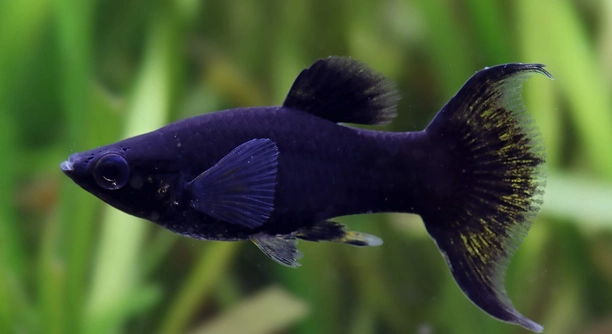
Have you ever tried raising black molly fry only to notice their sudden darting around the tank, leaving you unsure about what is causing their movements and how to keep them comfortable in their environment.
Darting behavior in black molly fry commonly arises from stressors including poor water quality, abrupt lighting changes, overcrowding, predation concerns, nutritional deficiencies, temperature instability, and strong currents, all of which undermine their stability and trigger heightened reactivity within aquatic environments.
Exploring these causes will help you recognize what shapes their behavior and support a calmer setting that nurtures steady development.
Poor Water Quality
Poor water quality affects black molly fry quickly, and it can make them dart around the tank as they try to escape uncomfortable conditions. When levels of ammonia or nitrite rise, their bodies react with sudden movements because the water irritates their gills and skin. Even mild changes can create stress that shows up as fast, sharp swimming patterns. Clean water helps fry stay calm, so monitoring their tank is important. Regular testing, gentle water changes, and steady filtration all support a stable environment. When the water stays clear and balanced, their behavior becomes more predictable because they feel safer. Many keepers overlook small shifts in parameters, but fry notice them right away and respond with noticeable movements. Keeping everything steady lets them grow without dealing with discomfort. Over time, this stability helps them settle into normal routines that make observing them feel more relaxed and enjoyable in their tank.
Stable water conditions support steady development in black molly fry by reducing the stress that causes quick darting. When their surroundings stay consistent, they move with calmer patterns and settle into gentle routines that reflect comfort and better overall health in a well maintained tank every single day for them.
Keeping water quality under control requires simple habits that make a noticeable difference in how fry behave. Testing the tank regularly helps you catch small changes before they create stress. Gentle water changes prevent sudden shifts that might disturb the fry. A reliable filter keeps debris from building up while maintaining steady flow. Avoid cleaning too aggressively because fry react to abrupt changes. Instead, aim for calm routines that keep the water clear and safe. When these steps become part of your regular care, the fry become more settled and their movements show steady comfort rather than sudden darting behaviors.
Stress From Environmental Changes
Environmental changes can unsettle black molly fry quickly, leading to sudden darting when they sense something unfamiliar. Shifts in lighting, rearranged decorations, or loud movement near the tank can make them react fast. Keeping their space consistent helps them feel secure and move with calmer patterns in their daily routine.
Fry respond strongly to even minor environmental shifts because their senses are still developing and they depend on consistency to feel safe. When the lighting changes too quickly, their eyes struggle to adjust, which can make them dart in sharp patterns as they search for stable cues. Sudden noise near the tank or frequent movement around their space can also push them into rapid swimming that looks frantic. Rearranging decorations or changing the layout of the tank can confuse them because they rely on familiar structures to navigate. Keeping their surroundings predictable helps them settle into calmer behavior that reflects a sense of security. You can support this by making changes slowly, using soft lighting transitions, and placing the tank in a quiet spot where sudden disruptions are less likely. When adjustments are needed, try to space them out so the fry have time to adapt. Their reactions become more natural when they can trust that the environment will not shift without warning. Over time, this stability guides healthier growth, steadier swimming patterns, and a more relaxed appearance that lets you enjoy watching them without worrying about sudden darting caused by preventable disruptions. This helps them feel calm each day.
Overcrowding
Overcrowding makes black molly fry dart because they struggle to find comfortable space. When too many fish share a small tank, they bump into each other and feel pressured, which leads to sudden, sharp movements as they try to avoid constant activity around them.
Keeping fry in a spacious tank helps reduce this behavior by giving them room to explore without feeling cornered. When space is limited, stronger fish may outcompete others, creating extra stress that shows up as frantic swimming. A larger area with gentle flow lets fry move naturally while avoiding nonstop interaction with tank mates. This calmer setting supports steady growth and helps them settle into smoother swimming patterns that feel more relaxed.
Managing overcrowding is simple when you keep track of how many fry you have and split them into separate tanks when needed. Adding hiding spots helps them feel safer by breaking up sight lines and reducing the pressure of constant movement around them. Even small pieces of décor can create calmer zones where fry rest without interruption. When they are not overwhelmed by activity, their behavior becomes softer and more predictable, reflecting a peaceful tank where they can grow comfortably.
Predation Concerns
Predation concerns make black molly fry dart because they react to anything that feels threatening. Even gentle tank mates can intimidate them, and this tension leads to sudden swimming patterns as they attempt to avoid potential danger around them in their space.
Fry stay calmer when they are kept with peaceful companions or in their own dedicated nursery tank. When larger fish share the space, fry remain alert and ready to flee, which becomes obvious through quick, unpredictable movements. Adding hiding spots helps them feel safer, especially when they can slip into small areas that bigger fish cannot reach. This sense of shelter lets them relax and reduces frantic darting. A peaceful tank setup supports healthier growth and a comfortable environment.
Reducing predation concerns also means paying attention to tank behavior each day. Even fish considered mild can show interest in fry, so watching interactions helps you decide if separation is needed. When fry stay in a protected space, their stress levels decrease and they behave with softer, steadier motions. Gentle lighting, stable décor, and quiet surroundings help reinforce their sense of security. Over time, this consistent safety encourages smooth development and calmer swimming that reflects true comfort.
Nutritional Deficiencies
Nutritional deficiencies make black molly fry dart because their bodies struggle to stay balanced without proper nourishment. When they lack essential nutrients, their movements become jumpy and restless as they try to keep up with basic energy needs in their growing stage.
Feeding them a varied diet helps reduce this behavior by giving them steady support. High quality fry food, crushed flakes, and occasional protein rich options keep them energized. Consistent feeding routines help prevent sudden shifts in behavior caused by hunger or weakness.
Temperature Instability
Temperature instability pushes black molly fry into darting behavior because their bodies react quickly to thermal changes. When water cools or warms too fast, they swim in sharp bursts trying to adjust. Keeping temperatures stable encourages smoother movements and steady comfort without sudden reactivity in the tank.
Strong Currents
Strong currents create darting in black molly fry because they struggle to control their movements in fast water. When the flow is too intense, they use quick bursts of energy to stay steady. Softer currents help them move gently and remain more relaxed in their space.
FAQ
Why do my black molly fry dart around even when the tank looks fine?
Black molly fry can dart even in a tank that appears stable because they react to small changes you might not notice right away. Subtle shifts in lighting, temperature, or movement around the tank can startle them. Their senses are sensitive, so even small disruptions feel significant. When their environment stays consistent, they usually settle into smoother movements. Regular observation helps you notice patterns in their behavior and understand what triggers sudden reactions. Over time, you will see how tiny adjustments can make them feel more secure and keep their swimming soft and steady.
Can darting harm my fry in the long run?
Darting itself does not usually harm them, but the stress behind it can become an issue if it lasts too long. Constant stress weakens their growth and makes them more vulnerable to illness. When fry spend too much energy reacting to stressors, they have less energy to develop properly. Supporting a calm tank with steady conditions helps protect them. A peaceful environment lets them move naturally and focus on growing rather than constantly trying to adjust to sudden changes.
How can I tell if the darting is from stress or normal activity?
Normal activity includes playful swimming, gentle exploring, and small bursts of energy. Stress driven darting looks sharper and more frantic and often continues longer than typical movement. If they dart suddenly and hide afterward, it usually points to discomfort. Watching them at different times of the day helps you understand what is normal for your fry. When their darting comes with clamped fins, hiding, or loss of appetite, it often signals something in the tank needs attention.
Do lighting changes really affect darting behavior?
Yes, lighting changes can influence darting more than many keepers expect. Fry react quickly when lights turn on or off too suddenly because their eyes adjust slowly. Abrupt brightness can startle them and cause fast, sharp swimming as they look for a safe spot. Using softer transitions keeps them from being overwhelmed. Natural looking lighting patterns help them feel secure, especially when paired with a calm environment.
Is it better to separate fry from adult mollies to reduce darting?
Keeping fry separate from adults usually helps reduce darting because it removes the pressure of possible predation. Even peaceful adult mollies can intimidate fry with their size and quick movements. A nursery tank offers a stable space where fry can grow without fear. When they do not feel chased or outcompeted, their movements become gentler and more predictable. Adding small hiding spots in their space also gives them extra comfort.
What tank setup reduces darting the most?
A stable tank with gentle filtration, soft lighting, steady temperatures, and plenty of hiding spots reduces darting effectively. A calm setup supports fry by giving them space to rest and explore without feeling unsettled. Avoid sudden changes to décor or layout because fry rely on familiar structures to navigate. When everything stays steady, their swimming patterns reflect comfort. Over time, these simple adjustments create an environment where fry feel supported and safe, and their movements stay smooth and relaxed.
How often should I check water conditions to prevent darting?
Checking water conditions regularly helps you catch issues before they affect behavior. Testing a few times a week works well for fry because they react to even small imbalances. Keeping track of ammonia, nitrite, nitrate, and temperature helps you stay ahead of problems. Gentle water changes prevent sudden shifts that might unsettle them. When you keep conditions steady, fry feel more secure and darting becomes less common. This simple routine helps them grow comfortably while maintaining calm, predictable behavior each day.
Final Thoughts
Caring for black molly fry becomes much easier when you understand the small factors that shape their behavior. Their darting is not random, and it often reflects how they feel in their surroundings. When the tank stays calm and steady, they move with softer patterns that show comfort rather than stress. Paying attention to each detail helps you support them in a way that keeps them safe and encourages smooth development. Even simple actions, like adjusting lighting gently or keeping the water clean, can make a strong difference. As you watch them grow, you start noticing how their behavior shifts with the environment and how each choice you make helps them feel supported.
Creating a peaceful space for fry does not have to feel complicated. It comes down to consistent habits that keep their world predictable. Gentle water changes, stable temperatures, and a quiet environment help them feel secure, especially when they are still small and learning to navigate their surroundings. Giving them hiding spots and soft currents creates a sense of protection that reduces sudden darting. When they do not feel threatened or overwhelmed, their movements become calmer, and it becomes easier for you to understand their needs. Over time, these simple routines shape healthier growth and steadier behavior. Their well being grows from the stability you provide every day.
As you continue caring for them, you will notice how much their comfort depends on the little things. Once you learn what causes stress and how to prevent it, their natural behavior starts to shine through. You get to see them explore their space at a relaxed pace, interact with their environment, and develop strength in a safe setting. By staying mindful and patient, you support their growth in a way that feels steady and reassuring. This gentle approach makes raising black molly fry more enjoyable, because you can see the impact of your efforts in how they swim, eat, and react to their surroundings. Their calmer behavior reflects the care you provide, and that makes the experience feel rewarding in a quiet, simple way.

Hello,
If you enjoy the content that we create, please consider saying a "Thank You!" by leaving a tip.
Every little bit helps us continue crafting quality advice that supports the health, happiness, and well-being of pets around the world, for pets of all shapes, sizes, and species.
We really appreciate the kindness and support that you show us!