
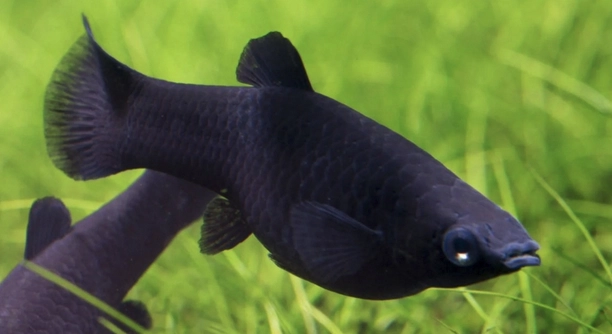
Is your black molly resting still in the tank, leaving you unsure about its well being and behavior? Moments like these can be concerning, especially when you want to ensure your fish stays healthy alright.
A black molly that stops moving often signals stress or declining water conditions, which can affect its respiratory and metabolic functions. Addressing water quality, temperature stability, and potential illness promptly helps restore normal activity and supports the fish’s overall health.
These simple steps can guide you toward understanding your molly’s behavior and creating a safer environment that encourages steady movement.
Signs of Trouble
Noticing your black molly staying still can feel worrying, and understanding what might be happening helps you react with clarity and care. The first thing to consider is the general environment inside the tank, since even small changes can influence your fish’s behavior in noticeable ways. Water temperature that shifts too quickly, low oxygen levels, or a sudden rise in waste can make your molly become inactive. Sometimes the issue comes from other tank mates causing stress by chasing or nipping, which leads your molly to freeze or hide in silent discomfort. Illness can also play a role, especially if you observe pale colors, clamped fins, or labored breathing. These signs often show that something within the tank needs attention right away. By observing closely and staying calm, you can collect small details that reveal what might be affecting your molly’s movement and comfort. This helps guide your next steps.
Once you notice these signs, give yourself a moment to breathe and look at your tank with fresh attention. Small patterns often stand out when you slow down, making it easier to understand what needs adjusting to support your molly’s comfort and help it regain steady movement in its space.
Addressing these concerns early helps prevent the situation from becoming more stressful for your molly. Start by checking the water temperature to ensure it remains stable and suitable for the species. Look closely at filtration, making sure it is running smoothly and providing enough oxygen. Observe tank mates to determine whether any aggression is present, even if it appears mild at first. Keep an eye on the overall cleanliness of the tank, since debris and waste can impact behavior quickly. By taking these simple steps, you create a calmer environment that allows your molly to feel supported again each day.
How to Respond Quickly
Acting quickly helps protect your molly’s well being, especially when stillness appears suddenly. Begin by testing water parameters to confirm the tank meets stable conditions. Adjusting temperature, improving filtration, and removing debris can bring noticeable relief, allowing your molly to recover from stress and settle comfortably again in its space.
Start by performing small corrections rather than overwhelming the tank with drastic changes. Gradual adjustments help your molly adapt without added stress. Clean the filter if it seems clogged, but avoid washing it too thoroughly to preserve helpful bacteria that support overall stability. Check the heater to ensure it maintains an appropriate temperature, since fluctuating warmth often affects your molly’s activity. If you notice waste collecting along the bottom, remove it with gentle siphoning to improve water clarity and comfort. Observe your molly’s breathing and posture to gather clues about possible illness, such as parasitic infections or bacterial concerns. If symptoms look consistent with disease, consider isolating your molly in a separate container with matched water conditions while you decide on further care. Keep feeding light during this time, since excess food can raise ammonia levels. By staying attentive and adjusting the tank with care, you encourage your molly to regain movement gradually, helping it return to a calmer and more stable routine that supports healthy behavior.
Common Environmental Factors
Stable water conditions keep your molly calm, and any shift can affect its movement quickly. Temperature drops, reduced oxygen, or rising waste levels often create discomfort that shows through stillness. Keeping the tank balanced helps your molly feel safe and maintains steady activity each day.
Water temperature should remain consistent, ideally within the range your molly prefers. Even a small fluctuation can place stress on its body and slow its movement. Oxygen levels matter as well, especially in tanks with limited surface agitation or aging filters. Clean water supports healthy breathing, allowing your molly to stay active without strain. Check for ammonia or nitrite spikes since these chemicals interfere with normal behavior. When the tank remains stable and clean, your molly responds with smoother swimming patterns and a more relaxed posture.
Lighting and noise also influence your molly’s comfort. Bright lights that stay on too long may overstimulate it, causing long periods of stillness as it tries to rest. Sudden sounds or tank vibrations can create stress that lingers throughout the day. Even decorations that shift or overcrowd the space may interrupt your molly’s routine by limiting room to swim freely. Keeping the environment calm and predictable gives your molly the support it needs to remain steady and active without unnecessary strain.
Health Related Concerns
Illness can cause your molly to stop moving, especially when symptoms appear slowly. Clamped fins, reduced appetite, or rapid breathing often signal underlying issues that need attention. Observing small changes helps you notice illness early, giving your molly a better chance to regain strength and normal behavior.
Parasitic infections, bacterial problems, and fungal concerns each show different signs. A molly dealing with parasites may rub against objects or hold still for long periods. Bacterial infections can cause swelling or color changes that make movement uncomfortable. Fungal patches appear as soft, pale growths that weigh your molly down and reduce its interest in swimming. Separating the fish when needed helps prevent spreading and gives you time to stabilize the main tank. Careful observation and timely adjustments create a calm setting that supports your molly’s recovery while maintaining balance in the entire aquarium.
Stress From Tank Mates
Aggressive tank mates can make your molly freeze in place to avoid conflict. Chasing, nipping, or constant hovering near your molly often leads to stress that affects movement. Giving your molly enough space and reducing aggressive interactions helps restore calmer behavior.
Some fish naturally dominate the tank, creating tension without you noticing at first. Rearranging decorations, adding hiding spots, or separating aggressive species can lower stress levels. A peaceful environment supports steady movement and keeps your molly from withdrawing into stillness throughout the day.
Feeding Problems and Overfeeding
Overfeeding or offering the wrong type of food often affects your molly’s activity. When too much food accumulates, it pollutes the water and forces your molly to endure stressful conditions that slow its movement. Feeding small portions and choosing appropriate food helps keep digestion smooth and supports healthy energy levels. Uneaten food should be removed quickly to maintain clean water. A consistent feeding routine prevents sudden spikes in waste, protects your molly’s comfort, and encourages more natural activity. Balanced feeding plays a simple but important role in keeping your molly steady and responsive.
When Silence Becomes a Pattern
Repeated stillness can signal a deeper issue that needs attention. Observing your molly’s posture, color, and breathing over several days helps you understand whether the problem is environmental or health related, guiding you toward the adjustments that support a smoother recovery.
FAQ
Why is my black molly staying still at the bottom of the tank?
A black molly resting at the bottom often points to stress, low oxygen, or unstable water conditions. Ammonia or nitrite spikes may irritate the gills, making movement uncomfortable. Cold temperatures can also slow your molly’s metabolism, causing long periods of stillness. Checking the tank’s temperature, water quality, and filtration helps you understand which factor might be affecting your molly. Illness is another possibility, especially when paired with clamped fins, faded color, or rapid breathing. Addressing these concerns early supports healthier movement and prevents further decline.
What should I check first when my molly stops moving?
The first step is to look at water parameters. Confirm that ammonia and nitrite are at zero and that nitrate levels remain safe. Temperature should be stable and within your molly’s preferred range. Make sure your filter is working properly and providing steady water circulation. Once the environment is confirmed to be stable, observe your molly for signs of stress, illness, or aggression from tank mates. Small details often reveal what needs attention and help you make safe adjustments without overwhelming the fish.
Can a black molly stop moving because of stress from other fish?
Yes, stress from tank mates is a common reason for sudden stillness. Aggressive species may nip, chase, or crowd your molly, causing it to hide or remain motionless. Even subtle tension can influence behavior. Adding hiding spaces, rearranging decorations, or separating incompatible fish helps create a calmer environment. When your molly feels safe again, its movement usually returns to normal.
How do poor water conditions affect my molly’s movement?
Dirty or unstable water makes breathing difficult and forces your molly to conserve energy. Ammonia burns sensitive tissues, and nitrite interferes with oxygen absorption. Inconsistent temperature can shock your molly’s system and reduce activity. Regular water changes, stable heating, and consistent filtration keep the environment steady. Clear water supports your molly’s comfort and helps maintain natural swimming patterns.
Could overfeeding cause my molly to stop moving?
Overfeeding leads to waste buildup, which directly affects water quality. Uneaten food sinks, decomposes, and releases harmful substances that strain your molly’s body. A fish experiencing digestive discomfort may remain still for long periods. Feeding small portions and removing leftovers keeps the tank cleaner and supports steady behavior. Quality food also helps maintain your molly’s energy without overwhelming its system.
When is stillness a sign of illness?
Stillness paired with visible symptoms often points to illness. Watch for white spots, heavy breathing, bloating, fin damage, or fuzzy patches. These signs usually indicate parasites, bacterial infections, or fungal problems. Early detection reduces stress and improves recovery chances. Quarantining the sick fish protects the rest of the tank and allows you to focus on treatment. Keeping the main tank clean and stable supports the healing process.
Should I isolate my molly if it stops moving for too long?
Isolation can be helpful when you suspect illness or aggression. A separate container with matched water conditions gives your molly space to rest without pressure from other fish. It also allows you to monitor symptoms more clearly. However, isolation should not be rushed. Confirm that tank conditions are stable first, since the problem may come from the environment rather than another fish. When used appropriately, isolation offers a controlled space that supports recovery.
How long does it take for a molly to recover once the issue is fixed?
Recovery time depends on the cause. Environmental problems often improve within a day or two once corrected. Stress-related stillness may take longer, especially after aggression or sudden changes. Illness may require several days or weeks depending on severity. Consistent care, clean water, and gentle observation help your molly regain energy and return to its natural level of activity at a steady pace.
Final Thoughts
Caring for a black molly that has stopped moving can feel unsettling, especially when the change appears suddenly and interrupts the calm rhythm of your tank. Stillness is often your molly’s way of signaling that something in its environment or health needs attention. Looking closely at water quality, temperature stability, tank mates, and feeding habits helps you understand the situation from all angles. When you take the time to observe quietly and patiently, you begin to notice small clues that guide you toward simple adjustments. These careful moments are meaningful, because they allow you to respond with clarity instead of worry. Creating a stable and predictable environment supports your molly in returning to a comfortable pattern of movement. Whether the cause is environmental stress, aggressive tank mates, sudden temperature changes, or early signs of illness, being attentive helps your molly feel safe again. You are giving it the calm and steady care it needs to find its balance.
Addressing concerns early always makes a noticeable difference. Once you stabilize water conditions and remove sources of stress, your molly often shows slow but steady improvement. It may start by adjusting its posture, then by moving lightly around the tank, and eventually by returning to its usual patterns. Recovery is rarely instant, and giving your molly time to adapt helps reduce the pressure it may be feeling. This gentle approach supports both the physical and emotional comfort of your fish. Clean water, consistent feeding, suitable companions, and quiet surroundings all play a meaningful role in shaping how secure your molly feels. Steady routines make a significant impact, allowing your molly to regain strength without sudden changes that might overwhelm it. Watching these improvements can feel reassuring, as each small sign of progress shows that your efforts are working. This creates a more peaceful atmosphere for your molly and gives you confidence in the steps you are taking. Stability is often the key to helping your molly move with comfort again.
As you continue caring for your molly, remember that these experiences help you build a deeper understanding of its needs over time. Every observation teaches you something new about how your molly responds to its environment and how its behavior reflects the conditions within the tank. This awareness helps you make thoughtful decisions, creating a safer and more balanced habitat with each adjustment. When you provide consistent care, your molly benefits from the calm, controlled environment you maintain. Clear water, gentle lighting, compatible tank mates, and a stable routine form the foundation of its well being. When you respond with patience and supportive attention, your molly gains the space it needs to recover and return to peaceful swimming. These habits strengthen the overall atmosphere in your aquarium, setting the stage for healthier behavior in the long run. Through steady care and thoughtful observation, you give your molly the comfort and stability that help it feel secure each day.

Hello,
If you enjoy the content that we create, please consider saying a "Thank You!" by leaving a tip.
Every little bit helps us continue crafting quality advice that supports the health, happiness, and well-being of pets around the world, for pets of all shapes, sizes, and species.
We really appreciate the kindness and support that you show us!