
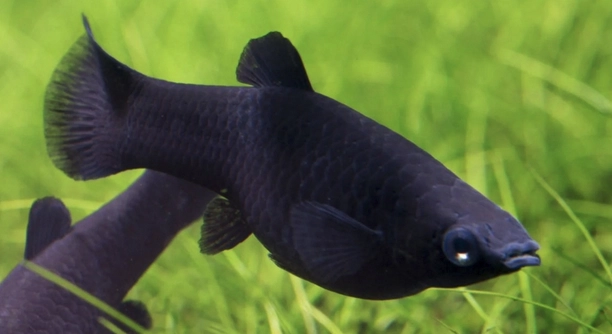
Do you enjoy keeping a lively aquarium but find yourself wondering how different fish species interact with each other? Black mollies are popular for their hardiness and calm nature in many home tanks.
Black mollies can sometimes be housed with fry, but caution is essential. Adult black mollies may eat small fry, so careful monitoring, providing hiding spaces, and separating sizes can reduce predation risks in a shared tank environment.
Learning proper tank setup and monitoring fish behavior will help ensure both adult mollies and fry thrive safely together.
Understanding Black Molly Behavior
Black mollies are generally peaceful, but they have natural instincts that affect how they interact with smaller fish like fry. Adult mollies may view fry as food, especially if the fry are very small or weak. Observing your fish closely is important because aggression can vary between individuals. Providing plenty of hiding spots, like plants, moss, or small caves, helps fry avoid predation and encourages natural exploration. Feeding your adult mollies well also reduces the likelihood they will target fry, as they are less likely to hunt when full. Tank size plays a role as well; a larger tank allows more space for fry to hide and reduces encounters that could lead to harm. Grouping fish of similar sizes and introducing fry gradually can increase survival rates. Consistent water quality, temperature, and proper filtration further support the health of both adults and young fish.
Monitoring behavior regularly ensures adjustments can be made promptly to protect the fry.
A balanced tank setup with hiding spaces, frequent observation, and proper feeding is key. Fry can grow safely alongside adults when the environment is managed carefully.
Tips for Housing Fry with Adults
Separating fry during early stages greatly increases survival chances.
If you plan to keep fry with adult black mollies, consider using a breeding box or partitioned section of the tank. These barriers allow fry to move freely while preventing direct contact with adults. Floating plants can also serve as natural hiding spots. Feeding both adults and fry adequately is essential; adults should receive enough food to reduce predation risk, and fry need small, frequent feedings to grow healthily. Regular tank maintenance, including water changes and checking filtration, ensures both adults and fry remain in optimal conditions. Observing the tank daily allows you to spot stress, aggression, or health issues early. Adjusting tank layout, hiding spots, or separating adults temporarily can help maintain safety for the young fish. Over time, as fry grow larger and stronger, they can coexist more safely with adult mollies, though vigilance is always recommended.
By creating a well-structured environment and maintaining close observation, you can help fry develop safely. Managing feeding, space, and hiding spots is essential for their growth and survival alongside adult black mollies.
Feeding Strategies for Fry
Feeding fry small amounts frequently helps them grow quickly and stay healthy. Using finely crushed flakes or specialized fry food ensures they get enough nutrition without competing with adult fish for food.
Providing proper nutrition for fry is essential, as it supports rapid growth and reduces vulnerability to adults. Small, frequent feedings are best because fry have tiny stomachs and need constant nourishment. Using powdered or finely crushed food helps them eat efficiently, while floating or slow-sinking foods allow easier access. Adults should also be fed adequately to minimize the risk of them hunting fry. Observing feeding behavior can help you adjust portions and frequency, ensuring fry are not left hungry or stressed, while adults remain content.
Balancing food for both adults and fry requires attention to timing and quantity. Overfeeding adults can pollute the tank, while underfeeding fry can stunt growth. Careful observation ensures both groups thrive.
Tank Setup Considerations
Hiding spaces are crucial for fry survival. Plants, moss, and decorations create safe areas to reduce stress and prevent predation.
A well-structured tank allows fry to grow safely around adult black mollies. Floating plants, dense vegetation, and small caves give fry areas to hide and explore, limiting exposure to adults. Tank size also matters; a spacious tank reduces encounters that could lead to harm. Filtration and water flow should be gentle to avoid displacing fry while keeping water clean. Consistent water parameters, such as temperature and pH, help maintain a stable environment for all fish. Rearranging plants occasionally can encourage fry to explore new spaces, promoting natural behavior and reducing aggression. Monitoring interactions between fry and adults helps identify potential risks, allowing quick adjustments in hiding spots or feeding routines.
Proper tank setup involves balancing hiding areas, water quality, and adult-fry interactions. A thoughtful layout increases fry survival and reduces stress for both adults and young fish.
Monitoring Fry Growth
Regular observation of fry helps track their growth and spot early signs of stress or illness. Quick intervention can prevent losses and maintain a healthy tank environment.
Noticing size differences among fry is important. Larger fry may accidentally harm smaller ones, so separating or providing extra hiding spaces can reduce conflicts and ensure balanced growth for all young fish.
Separation Techniques
Using breeding boxes or mesh dividers keeps fry safe from adult mollies while allowing water circulation. Gradually removing barriers as fry grow ensures safer cohabitation without disrupting tank dynamics.
Water Quality Maintenance
Consistent water changes and monitoring parameters like ammonia, nitrite, and pH levels are critical. Clean, stable water supports fry health and prevents adult stress or aggression.
FAQ
Can black mollies and fry live together without issues?
Yes, they can coexist, but careful management is essential. Adult black mollies may eat very small fry, so providing plenty of hiding spots, dense plants, and decorations is necessary. Separating fry temporarily or using breeding boxes during early stages also improves survival chances. Observing their interactions regularly helps maintain a safe environment.
What type of food should fry receive?
Fry need finely crushed flakes, powdered food, or specialized fry food to ensure proper nutrition. Small, frequent feedings work best because fry have tiny stomachs. Adults should also be fed enough to prevent them from targeting fry for extra food. Feeding routines should be adjusted based on growth and behavior.
How often should I check water parameters?
Daily observation is ideal, especially during the fry stage. Monitoring ammonia, nitrite, nitrate, and pH levels ensures the water remains safe. Regular water changes help maintain stable conditions and reduce stress for both adults and fry, preventing potential aggression or illness.
Are hiding spaces really necessary?
Yes, hiding spaces are crucial for fry survival. Plants, moss, and small decorations give fry areas to escape from adults. They also help fry explore safely, reducing stress and promoting natural behavior. Rearranging plants occasionally encourages movement and activity, which benefits overall health.
When can fry be safely released with adults?
Fry can gradually be introduced to the main tank as they grow larger and stronger. Usually, when they reach a size where adults no longer see them as food, cohabitation becomes safer. Continued monitoring is still needed to prevent aggression or accidental harm from larger tank mates.
Should I use a separate tank for fry?
Using a separate tank or breeding box is often the safest option during early growth stages. It allows fry to develop without risk from adults. Once they grow strong enough and hiding spots are sufficient, they can be gradually introduced to the main tank, ensuring better survival and balanced interactions.
How do I reduce aggression from adult mollies?
Feeding adults adequately, providing hiding spots, and maintaining enough space helps minimize aggression. Observing interactions and adjusting tank layout or separating aggressive individuals can prevent stress or harm to fry. Ensuring a stable environment with proper water quality also reduces territorial behavior and improves cohabitation success.
What is the ideal tank size for housing fry with adults?
A larger tank is preferable because it provides space for hiding and reduces encounters between adults and fry. A crowded tank increases stress and predation risk. Dense plants, floating vegetation, and gentle water flow help create a safer environment, supporting healthy growth and behavior for both adults and fry.
How do I know if fry are healthy?
Healthy fry are active, have clear eyes, and show steady growth. They should feed readily and explore hiding spaces without signs of stress. Any lethargy, discoloration, or unusual behavior may indicate illness or poor water conditions, requiring immediate attention. Maintaining clean water and proper nutrition supports their well-being.
Can adult mollies accidentally harm larger fry?
Yes, even larger fry can sometimes be nipped or stressed by adults. Monitoring interactions is important, and providing extra hiding spaces helps prevent accidental injury. Gradual acclimation and careful observation ensure that fry grow safely and coexist with adult mollies without excessive risk.
How often should I feed adult mollies to protect fry?
Adults should be fed consistently, usually once or twice a day depending on tank size and population. Proper feeding reduces the likelihood of predation on fry. Observing adults after feeding helps gauge whether they remain aggressive or calm, allowing adjustments in food type or quantity to improve tank safety.
Are floating plants better than grounded plants for fry?
Floating plants are particularly useful because they create cover in the upper areas of the tank, giving fry extra places to hide. Grounded plants also help but are more effective in combination with other hiding spots. A mix of floating and dense vegetation provides multiple layers of protection for young fish.
What is the best way to introduce fry back into the main tank?
Gradual acclimation is key. Allow fry to explore the main tank while still having access to hiding spots. Start with short periods and increase time as they grow larger and show confidence. Continue monitoring adult behavior closely to prevent accidental predation and ensure smooth integration.
How do I manage tank cleanliness with both adults and fry?
Regular water changes, gentle filtration, and removing uneaten food are essential. Overfeeding can pollute the tank, while insufficient cleaning can stress fry and adults. Monitoring water parameters frequently helps maintain a stable environment, promoting healthy growth and reducing aggression in cohabiting fish.
What signs indicate that cohabitation isn’t working?
Frequent chasing, nipping, stress signs, or high fry mortality indicate problems. Adjusting hiding spots, feeding routines, or separating fry temporarily can help. Quick intervention ensures fry survival and reduces stress for adult mollies, maintaining a balanced and safe tank environment for all fish.
How long does it take for fry to grow strong enough to live safely with adults?
Growth rates vary, but generally, fry become less vulnerable after several weeks to a few months, depending on tank conditions, food, and hiding spaces. Close monitoring ensures that they are healthy, strong, and capable of coexisting with adult mollies without high risk of predation.
Can tank decorations influence fry safety?
Yes, dense decorations, caves, and plants create more hiding spots, reducing encounters with adults. Rearranging them occasionally stimulates movement and provides new cover. A well-planned layout significantly improves fry survival and allows adults to interact without causing harm.
Is it necessary to separate different sizes of fry?
In some cases, yes. Larger fry may outcompete or accidentally harm smaller ones. Providing additional hiding spaces or temporary partitions helps ensure even growth and reduces stress, improving the overall health and survival rate of the young fish population.
Can black mollies and fry share a community tank with other species?
Yes, but species selection is important. Non-aggressive, small tank mates are ideal. Avoid large or aggressive fish that may prey on fry. Maintaining hiding spaces and proper feeding routines helps all species coexist without unnecessary stress or predation.
How do I prevent overpopulation when keeping fry?
Monitoring reproduction and separating sexes or removing fry as they mature helps manage population. Planning tank space and resources ensures healthy growth for all fish, preventing overcrowding and reducing stress and aggression among adults and fry.
What is the role of observation in fry care?
Consistent observation allows early detection of stress, illness, or aggression. Adjusting hiding spaces, feeding, or separating fry can prevent losses. Being attentive ensures a balanced environment and promotes healthy growth for both fry and adult black mollies, improving overall tank stability.
How important is tank temperature for fry survival?
Stable temperature is critical. Sudden fluctuations can stress fry and adults, reducing immunity and increasing aggression. Maintaining optimal temperature for black mollies supports proper growth, activity, and cohabitation, ensuring fry thrive safely alongside adults.
Can adult mollies learn not to eat fry over time?
Some adults may become less aggressive if well-fed and if fry have sufficient hiding spots. However, natural instincts can’t be entirely removed, so continuous observation and precautions are necessary to protect young fish until they grow strong enough.
What is the best way to feed fry and adults simultaneously?
Provide small, frequent feedings for fry and sufficient portions for adults. Using slow-sinking or floating foods helps fry access nutrition without interference. Observing behavior allows adjustments to ensure all fish receive proper food while minimizing competition and predation risk.
How do I know when to remove breeding boxes?
Breeding boxes can be removed once fry are large enough to avoid predation and hide successfully in the main tank. Gradual introduction while still providing cover ensures safety. Monitor adults closely during this transition to prevent harm and stress.
Are there special considerations for fry growth rates?
Fry growth depends on food quality, frequency, tank conditions, and genetics. Providing optimal nutrition, stable water parameters, and sufficient hiding spots supports steady growth. Regular observation helps identify slow-growing fry, allowing adjustments to feeding and environment to promote even development.
Can adults accidentally injure fry even if they don’t eat them?
Yes, adults can accidentally nip or stress fry during normal swimming and territorial behavior. Proper hiding spaces, tank size, and monitoring reduce these risks, ensuring fry grow safely without unnecessary harm.
Is it necessary to separate fry by age?
Separating very small fry from older fry helps prevent accidental harm and ensures balanced growth. Temporary partitions or separate tanks allow safe development until all fry are large enough to coexist in the main tank with minimal risk.
How often should I rearrange tank decorations for fry safety?
Occasional rearrangement encourages exploration and provides new hiding areas. This practice reduces stress, promotes activity, and allows fry to learn safe spaces. Frequent observation ensures adjustments meet the needs of both fry and adults without creating unsafe conditions.
Can water flow affect fry survival?
Yes, strong currents can displace or stress fry. Gentle filtration and moderate water flow create a safer environment while maintaining clean water. Observing how fry respond allows adjustments to flow for optimal safety and growth.
How do I manage tank lighting with fry present?
Moderate lighting helps fry hide among plants and reduces stress. Bright, constant light can increase visibility to adults, raising predation risk. Providing shaded areas or floating plants allows fry to feel safe and supports natural behavior.
What is the best strategy for introducing new fry into an established tank?
Gradual introduction with access to hiding spaces reduces stress and predation risk. Monitor adult behavior closely, and ensure adequate feeding for all fish. Adjust tank layout or temporary partitions as needed until fry are large enough to integrate safely.
How important is diet variety for fry growth?
Providing a varied diet with powdered food, crushed flakes, or specialized fry food promotes healthy growth. Variety ensures they receive essential nutrients and supports immune function, increasing survival rates while coexisting with adult mollies.
Can tank mates influence fry survival?
Yes, aggressive or predatory species increase risk, while calm, small fish reduce stress and competition. Choosing compatible tank mates, combined with hiding spots and proper feeding, ensures fry grow safely alongside adults and other species.
How do I know if hiding spots are sufficient?
If fry appear calm, explore freely, and have low predation risk, hiding spots are sufficient. High stress, visible injuries, or frequent chasing indicates additional cover or rearrangement is needed to maintain safety.
What are common mistakes to avoid with fry and adults?
Overcrowding, insufficient hiding spaces, irregular feeding, poor water quality, and ignoring adult behavior can harm fry. Observing interactions, maintaining the tank, and providing adequate nutrition prevent these issues and improve survival rates.
Can temperature fluctuations cause adult aggression toward fry?
Yes, sudden changes in temperature can stress adults, increasing territorial or aggressive behavior. Maintaining stable conditions reduces risk, supporting safer cohabitation with fry and overall tank health.
How long should I monitor adult-fry interactions daily?
Daily observation for at least 10–15 minutes helps identify early signs of aggression, stress, or feeding issues. Quick intervention ensures fry safety and maintains harmony in the tank, supporting healthy growth and interactions.
Is it necessary to quarantine fry before introducing them to adults?
Quarantining fry can prevent disease spread and allows assessment of growth and behavior. Gradual introduction with sufficient hiding spots ensures a safer transition into the main tank, minimizing risks to both fry and adult mollies.
Can overcrowding increase fry mortality?
Yes, too many fish increases stress, reduces hiding opportunities, and promotes aggression. Maintaining appropriate stocking levels and providing adequate hiding spots ensures fry survive and adults remain calm.
What is the best way to track fry growth?
Regular measurements or visual comparisons help track size and health. Monitoring feeding behavior, coloration, and activity provides insight into development, allowing adjustments to diet, tank setup, or separation strategies as needed.
How do I know if adults are ready to coexist with fry long-term?
Adults are ready when fry are large enough to avoid predation, hiding spaces are sufficient, and minimal chasing or aggression is observed. Continuous observation ensures ongoing safety and healthy tank dynamics.
Can stress in adults affect fry survival?
Yes, stressed adults may become aggressive or neglect feeding, increasing predation risk. Maintaining stable water, proper feeding, and hiding areas reduces stress, supporting fry survival and overall tank harmony.
What role does lighting play in fry visibility?
Lighting affects fry safety and behavior. Bright light can expose fry to adults, while moderate lighting combined with plants provides cover and encourages natural exploration without increasing predation risk.
How can I improve fry survival rates naturally?
Providing dense vegetation, hiding spots, proper nutrition, stable water parameters, and careful observation improves survival. Gradual introduction to adults and appropriate tank size further supports healthy growth and reduces stress-related losses.
Can adult mollies become territorial toward fry?
Yes, adults may establish territories that fry enter accidentally. Observing tank interactions and providing multiple hiding areas minimizes conflicts and allows safe coexistence.
What is the most common cause of fry loss in a mixed tank?
Predation by adult mollies, inadequate hiding spaces, and poor water quality are leading causes. Maintaining proper tank setup, feeding routines, and observation significantly reduces fry mortality.
How important is tank filtration for fry safety?
Filtration maintains clean water, supporting fry health and reducing stress. Gentle flow prevents fry from being displaced while ensuring water quality, benefiting both fry and adult mollies in a shared environment.
Can tank decorations reduce aggression from adults?
Yes, decorations create barriers, hiding spaces, and visual breaks, which reduce stress and aggressive encounters. Strategic placement improves fry safety and allows adults to interact without causing harm.
Is it necessary to provide separate feeding zones for fry and adults?
Yes, separate feeding zones or careful placement of food reduces competition and ensures fry get proper nutrition while adults remain satisfied, minimizing aggression and predation risk.
How often should I inspect fry for injuries?
Daily inspection helps detect injuries early, allowing prompt intervention. Removing aggressive adults temporarily or adjusting hiding spots prevents further harm and improves overall survival.
Can water flow patterns be adjusted to protect fry?
Yes, redirecting currents or using gentle filtration reduces displacement and stress. Proper water flow ensures fry remain in safe areas while maintaining water quality and oxygenation.
How do I prevent adults from eating fry accidentally?
Providing hiding spaces, sufficient food, gradual acclimation, and monitoring interactions reduces accidental predation. Temporary partitions or breeding boxes during early stages also improve survival until fry grow strong enough.
What is the ideal pH range for fry and adult mollies together?
Maintaining a stable pH between 7.0 and 8.0 supports health and reduces stress. Sudden fluctuations can increase aggression or weaken fry, so regular testing is essential for cohabitation success.
Can overcrowding adult mollies increase fry predation?
Yes, crowded conditions increase stress and competition, leading to more frequent chasing or nipping. Adequate tank size and hiding spaces help mitigate these risks, ensuring safer conditions for fry.
How long should fry remain in a protected area before full integration?
Fry usually need several weeks to months in a protected area until they grow large enough to avoid predation. Monitoring growth and behavior ensures a safe transition into the main tank with adult mollies.
Can feeding adults more frequently reduce fry losses?
Yes, adults that are well-fed are less likely to hunt fry. Consistent feeding routines, combined with hiding spots, improve fry survival while maintaining calm behavior among adult mollies.
What is the safest way to introduce new adults into a tank with fry?
Quarantine new adults first, then introduce them gradually while ensuring ample hiding spots for fry. Observe interactions closely and be ready to separate fish if aggression occurs to protect the young.
How important is daily observation for long-term fry survival?
Daily observation is critical. Spotting early signs of stress, aggression, or health issues allows timely intervention. This proactive approach ensures fry grow safely and coexist successfully with adult mollies.
Can temperature fluctuations stunt fry growth?
Yes, unstable temperatures can stress fry, slow growth, and increase susceptibility to disease. Maintaining stable conditions supports healthy development and reduces aggression from adults.
How do I balance nutrition between fry and adults?
Provide frequent, small feedings for fry and sufficient portions for adults. Monitoring feeding behavior ensures both groups receive proper nutrition without competition or stress, supporting overall tank harmony.
Are there specific plant types that help fry hide better?
Dense floating plants, fine-leaved species, and moss provide excellent cover. They create multiple layers of hiding space, reducing predation risk and encouraging natural exploration and growth for fry.
Can adult mollies ignore fry if the tank is well-planted?
While adults may still show some interest, dense vegetation and hiding spots significantly reduce predation. Observing interactions ensures fry remain safe while adults behave normally.
How can I tell if the tank layout is sufficient for fry safety?
Fry explore without fear, show minimal stress, and avoid frequent chasing by adults. If these behaviors are observed, the layout provides adequate cover and interaction space for both fry and adult mollies.
Do water changes affect fry survival?
Yes, regular water changes maintain clean, stable conditions. Avoid abrupt changes, as sudden disturbances can stress fry and adults, increasing aggression or susceptibility to disease. Gradual, consistent maintenance ensures a healthy tank.
How can I reduce fry stress in a community tank?
Provide hiding spaces, stable water parameters, adequate nutrition, and gentle filtration. Gradual acclimation and careful monitoring reduce stress, allowing fry to grow safely alongside adult mollies and other compatible species.
Is monitoring fry growth necessary if adults seem calm?
Yes, even if adults are calm, fry may still be stressed, outcompeted for food, or injured. Regular observation ensures early detection of issues, supporting safe growth and coexistence.
Can tank lighting influence fry growth?
Moderate lighting encourages natural behavior and allows fry to hide safely. Bright or harsh light can increase visibility to adults, raising predation risk and stress. Balanced lighting supports healthy development.
What is the best way to manage fry numbers in a shared tank?
Controlling reproduction, separating fry as needed, and maintaining proper tank stocking levels prevents overcrowding. Adequate hiding spaces and feeding routines ensure survival and balanced growth for both fry and adult mollies.
How do I handle slow-growing fry?
Provide extra feeding, ensure hiding spaces, and monitor for signs of stress or disease. Slow-growing fry may need temporary separation from larger fry to ensure equal access to food and reduce competition.
Can tank flow patterns stress fry?
Yes, strong currents can displace or tire fry. Gentle water flow supports health, allows safe hiding, and maintains water quality without causing unnecessary stress or increasing predation risk.
How do I maintain harmony between fry and adults long-term?
Consistent feeding, adequate hiding spots, proper tank size, and daily observation maintain harmony. Gradual introduction, monitoring,
Black mollies are popular fish because they are hardy, peaceful, and visually appealing in home aquariums. When keeping them with fry, it is important to understand their natural behavior. Adult black mollies are not always aggressive, but they can sometimes see very small fry as food. This does not mean they are “bad” fish, it is just a natural instinct. Providing the right environment and monitoring their behavior can help reduce risks. Ensuring that fry have plenty of hiding spaces, such as plants, moss, and decorations, allows them to explore the tank safely while staying out of reach of adults. Feeding adults well also reduces the chance that they will target fry, as they are less likely to hunt when their food needs are met.
Tank size, layout, and water conditions play a major role in keeping both adults and fry safe. A larger tank gives fry more space to move and hide, reducing stress and accidental encounters with adults. Gentle filtration and stable water flow are important to prevent fry from being pushed into dangerous areas, while keeping the tank clean and healthy. Consistent water parameters, including temperature and pH, support the overall health of all fish in the tank. Regular observation is essential because even well-fed, calm adults can sometimes become aggressive or curious in ways that endanger fry. By monitoring behavior and making adjustments, such as adding extra hiding spaces or temporarily separating fry, you can create a safer environment where both adults and fry can thrive.
Caring for fry alongside adult black mollies requires attention and planning, but it is manageable with the right approach. Feeding routines, hiding spots, and careful tank management help fry grow safely while adults remain healthy and calm. Over time, as fry grow larger and stronger, they become less vulnerable to predation, allowing them to live alongside adults with minimal risk. Maintaining a balanced tank also encourages natural behavior in adults and healthy development in fry. With careful observation, proper feeding, and thoughtful tank setup, keeping black mollies and fry together can be a successful and rewarding experience. It is not without challenges, but understanding the needs of both adults and fry makes it possible to create a harmonious aquatic environment.

Hello,
If you enjoy the content that we create, please consider saying a "Thank You!" by leaving a tip.
Every little bit helps us continue crafting quality advice that supports the health, happiness, and well-being of pets around the world, for pets of all shapes, sizes, and species.
We really appreciate the kindness and support that you show us!