
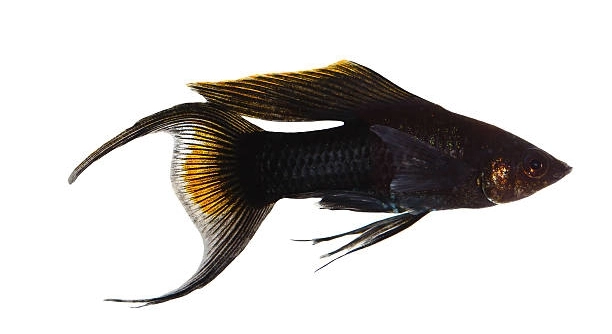
Are your Black Molly fish swimming frantically across the tank, leaving you worried about their stress levels and overall well-being? Hyperactivity in these fish can be unsettling, especially when you want a calm and healthy aquarium environment.
Hyperactivity in Black Molly fish is often caused by environmental factors, diet, or social dynamics. Adjusting water temperature, improving tank decor, moderating feeding schedules, and providing appropriate companions can significantly reduce stress and promote calmer, healthier behavior.
Implementing small adjustments in their daily environment can create a noticeable difference in your Black Mollies’ behavior and improve their overall comfort in the tank.
Adjust Water Temperature
Maintaining a stable water temperature is essential for calming hyperactive Black Mollies. These fish thrive best between 75 and 82 degrees Fahrenheit. Sudden changes in temperature can stress them, causing erratic swimming or aggression. Using a reliable heater with a thermostat ensures consistent warmth. Avoid placing the tank near windows or vents where drafts can create fluctuations. Regularly monitor the water with a thermometer to catch small changes early. Gradually adjusting the temperature if needed helps prevent shock. Black Mollies are sensitive to cold water, which can slow metabolism and trigger frantic activity. Warmer, stable water supports normal swimming patterns and overall health. Adding floating plants can also help buffer minor temperature shifts, providing shaded areas that mimic natural conditions. Observing your fish during temperature adjustments allows you to respond quickly if behavior worsens. Over time, a consistent and comfortable environment encourages calmer movements and reduces stress-induced hyperactivity, making the aquarium more peaceful and visually pleasant.
Stable temperature helps reduce sudden bursts of energy and promotes predictable, calm behavior among your Black Mollies.
Gradual adjustments in temperature are safer than abrupt changes. Rapid increases or decreases can cause shock, leading to weakened immunity or illness. Using a thermometer daily ensures accuracy. Installing a heater with an automatic thermostat allows consistent readings without constant monitoring. Floating plants or driftwood provide areas for the fish to regulate their exposure to heat. Small adjustments of a degree or two at a time are ideal. Observing your fish’s activity levels during changes helps identify their comfort range. Tank location matters; avoid placing it near air vents, windows, or heating units. Consistency is more important than perfection. Over time, maintaining optimal temperature reduces erratic swimming, aggressive chasing, or hiding behavior. Your Mollies will settle into a calmer routine, allowing you to enjoy the tank without frequent stress responses. This approach supports their long-term health and encourages natural, peaceful behavior, creating a balanced and harmonious aquarium environment.
Reduce Overfeeding
Overfeeding is a common reason for hyperactivity in Black Mollies. Feeding smaller portions multiple times a day prevents excess energy and keeps water quality stable.
Feeding small, measured amounts helps prevent rapid swimming and aggressive behavior.
Excess food can lead to poor water quality, which indirectly increases stress and hyperactivity. Black Mollies are omnivorous, but giving more than they can consume in two to three minutes is unnecessary. Uneaten food decomposes quickly, raising ammonia and nitrate levels, which irritates fish and stimulates frantic movement. Breaking daily rations into two or three feedings mimics natural grazing and stabilizes energy levels. Rotating food types, including high-quality flakes, freeze-dried items, and occasional live food, ensures balanced nutrition without overloading their system. Observing how quickly the fish eat allows adjustment of portion size. Removing leftover food promptly protects water quality. Gradual portioning and proper feeding routines lead to calmer swimming and reduce the risk of diet-related stress. In the long term, consistent feeding patterns improve behavior, digestion, and overall health, making tank management simpler and your Black Mollies more content.
Provide Hiding Spots
Hiding spots help Black Mollies feel secure, reducing frantic swimming and stress. Caves, plants, and driftwood offer shelter and personal space, allowing fish to rest and regulate interactions with tankmates.
Black Mollies naturally seek areas to retreat when they feel threatened or overwhelmed. Adding live or artificial plants creates shaded zones that mimic their natural environment. Small caves or tunnels give each fish a personal refuge, lowering competition and stress. A well-decorated tank encourages calmer swimming patterns and less chasing behavior. Observing which areas your fish use most helps adjust decor placement for maximum comfort. Rotating or rearranging decorations occasionally prevents boredom while maintaining safety.
Providing hiding spots also helps with territorial disputes. When multiple Mollies occupy the same tank, visual barriers reduce aggressive interactions. Fish can retreat without confrontation, improving overall harmony. Decorations should be securely anchored to avoid shifting during active swimming. Combining tall plants, floating plants, and small structures creates multiple layers of refuge. Over time, a tank with ample hiding spaces results in calmer, more natural behavior. Fish feel in control of their environment, reducing stress-induced hyperactivity and supporting healthier, more relaxed daily routines.
Monitor Tank Mates
Tankmates influence Black Molly behavior significantly. Aggressive or overly active species can provoke hyperactivity, while compatible fish promote calm interactions.
Choosing peaceful, similarly sized species reduces chasing and stress. Mollies respond well to livebearers like Platies or peaceful Tetras. Avoid fin-nipping fish or overly territorial species that create constant tension. Introducing new tankmates slowly allows the existing population to adjust without sudden disruption. Observation during the first days is crucial to detect signs of stress or bullying. Removing or separating incompatible fish prevents long-term behavioral problems. Properly selected companions support natural swimming patterns and minimize frantic activity.
Balancing the number of fish in a tank is equally important. Overcrowding increases competition for space, food, and hiding spots, leading to elevated stress and erratic swimming. A spacious environment with multiple compatible species promotes stable social hierarchies. Black Mollies feel more secure and exhibit calmer movements when not constantly challenged. Monitoring interactions daily helps maintain a peaceful tank and allows timely intervention if conflicts arise. Gradually adding tankmates instead of introducing many at once also reduces stress. Careful selection and observation result in a harmonious aquarium where fish can thrive without unnecessary hyperactivity.
Maintain Water Quality
Regular water changes keep Black Mollies calm by preventing toxin buildup. Clean water reduces stress and supports natural behavior patterns.
Testing water for ammonia, nitrites, and nitrates ensures safe conditions. A weekly 20-30% water change stabilizes the environment and minimizes erratic swimming.
Avoid Overcrowding
Too many fish in a tank increases stress and triggers hyperactivity. Proper stocking levels ensure each Molly has space to swim freely.
Use Gentle Filtration
Strong currents can overstimulate Black Mollies. A gentle filter maintains water cleanliness without creating excessive flow that forces constant swimming or hiding.
Adjust Lighting
Bright or inconsistent lighting can agitate Black Mollies. Moderate, stable light levels reduce stress and help them settle into calmer daily patterns.
How can I tell if my Black Molly is stressed?
Stress in Black Mollies can appear as frantic swimming, constant hiding, loss of appetite, or faded colors. Watch for unusual aggression or lethargy, as these are indicators of environmental or social issues. Observing daily behavior helps identify stress before it becomes severe.
What is the ideal tank size for Black Mollies?
A minimum of 20 gallons is recommended for a small group of Black Mollies. Larger tanks reduce aggression, provide space for swimming, and allow proper placement of plants and hiding spots. Overcrowding increases hyperactivity and stress.
How often should I feed my Black Mollies?
Feed small amounts two to three times a day. Overfeeding leads to hyperactivity, poor water quality, and health problems. Remove uneaten food promptly to maintain clean water and prevent ammonia spikes.
Can tank decorations calm hyperactive Black Mollies?
Yes, plants, caves, and driftwood create hiding spots and visual barriers. These features allow fish to retreat, reduce chasing, and give a sense of security, which lowers overall stress and promotes calmer swimming.
Do water changes affect Black Molly behavior?
Regular water changes are critical. Weekly 20-30% changes remove toxins, stabilize water chemistry, and prevent erratic behavior. Sudden or large water changes can stress fish, so gradual adjustments are best. Monitoring water parameters ensures a safe, consistent environment.
Should I keep other fish with Black Mollies?
Yes, but choose peaceful, similarly sized species. Avoid aggressive or fin-nipping fish, as they trigger hyperactivity and stress. Slowly introduce new tankmates and monitor interactions. Compatible companions encourage social stability and calmer behavior.
Does water temperature impact activity levels?
Absolutely. Black Mollies thrive between 75 and 82 degrees Fahrenheit. Rapid fluctuations cause stress and frantic swimming. Using a heater with a thermostat and monitoring the temperature daily ensures consistent conditions and helps maintain calm behavior.
How important is lighting for Black Mollies?
Moderate, stable lighting reduces stress and supports natural routines. Excessively bright or inconsistent lighting can provoke agitation, leading to hyperactivity. Incorporating floating plants can soften light and create shaded areas for resting, improving overall comfort.
Can diet influence hyperactivity?
Yes, a balanced diet with high-quality flakes, occasional live food, and freeze-dried options keeps energy levels steady. Overfeeding or improper nutrition contributes to frantic swimming and aggressive behavior. Feeding measured portions prevents water quality issues and promotes calm behavior.
What signs indicate the tank environment needs adjustment?
Signs include constant chasing, hiding, fading colors, and rapid breathing. These indicate stress due to temperature changes, poor water quality, overcrowding, or incompatible tankmates. Regular observation allows timely adjustments to maintain a calm, healthy environment.
Are Black Mollies social fish?
Yes, they thrive in small groups of at least three to four. Proper social interaction reduces stress and promotes natural swimming patterns. Isolation or overcrowding both lead to hyperactivity, so maintaining the right group size is essential.
How do hiding spots improve behavior?
Hiding spots reduce visual stress, giving fish areas to retreat. This lowers aggression, prevents chasing, and encourages calm swimming. A combination of caves, plants, and driftwood creates layers of refuge that cater to individual comfort preferences.
Can filter type affect activity levels?
Strong currents overstimulate Black Mollies, causing constant swimming and stress. Gentle filters maintain water quality without excessive flow. Observing how fish respond to water movement helps select appropriate filtration for a peaceful environment.
How long does it take for adjustments to show results?
Behavior changes can appear within days for some fish, while others may take weeks. Consistency in feeding, water quality, temperature, and tank mates is crucial. Gradual, steady improvements reduce stress and support long-term calm behavior.
Is it necessary to test water parameters frequently?
Yes, testing for ammonia, nitrites, nitrates, and pH ensures a safe environment. Small imbalances can trigger hyperactivity or health issues. Regular monitoring allows quick corrections, maintaining a stable, calm tank environment that supports overall well-being.
Can stress cause health problems?
Chronic stress weakens immunity, making Black Mollies more susceptible to infections and diseases. Reducing environmental stressors, providing proper diet, and maintaining clean water are critical steps to prevent illness and ensure long-term health.
How do I know if the tank is overcrowded?
Signs include constant chasing, competition for hiding spots, and rapid swimming. A spacious tank with appropriate fish numbers reduces stress. Monitoring activity levels and providing hiding spots helps maintain balance and calm behavior.
What is the best way to introduce new tankmates?
Introduce slowly, ideally quarantining new fish first. Gradual introduction reduces aggression and stress. Observing interactions allows for immediate separation if conflicts arise, helping maintain calm and stability in the aquarium.
Can Black Mollies calm down naturally over time?
Yes, with consistent environmental care, proper diet, compatible tankmates, and hiding spaces, hyperactivity naturally decreases. Patience and observation ensure long-term improvement in behavior, making the tank more peaceful.
Are floating plants beneficial?
Floating plants create shaded areas, reduce light intensity, and provide additional hiding spots. These help Mollies feel secure, encourage calmer swimming, and improve overall tank comfort.
How do I handle persistent hyperactivity?
Check water quality, temperature, tank mates, and feeding routines. Make gradual, consistent adjustments, adding hiding spots and monitoring behavior. Persistent issues may require reevaluation of tank setup or stocking levels to ensure optimal conditions.
Black Mollies are lively and visually appealing fish, but their hyperactivity can be concerning if left unmanaged. Their behavior often reflects the condition of their environment, so maintaining a stable and suitable habitat is essential. Factors such as water temperature, water quality, tank size, and proper tank mates all contribute to whether the fish feel secure or stressed. Even minor fluctuations in these conditions can trigger frantic swimming, hiding, or chasing. Observing your Black Mollies closely and responding to changes promptly helps create a calmer and healthier environment, which benefits both the fish and the aquarium as a whole.
Diet and feeding routines also play a significant role in managing hyperactivity. Overfeeding or irregular schedules can increase energy levels, prompting more erratic behavior. Feeding small, measured portions two to three times a day is sufficient, while removing uneaten food protects water quality. Balanced nutrition, including high-quality flakes, occasional live food, and freeze-dried options, keeps energy levels steady and supports overall health. In addition, providing a varied diet encourages natural foraging behaviors, which can further reduce stress. Combining a proper feeding routine with environmental adjustments, such as hiding spots and gentle filtration, ensures the fish remain calm while thriving in their habitat.
Social dynamics and tank setup also influence Black Molly behavior. Aggressive or incompatible tank mates, overcrowding, and insufficient hiding spots can all lead to hyperactivity. Introducing compatible companions gradually, maintaining appropriate stocking levels, and providing ample cover allow the fish to establish natural hierarchies without unnecessary stress. Additionally, moderate lighting and consistent water parameters help maintain stability. Over time, consistent care and attention to environmental and social factors result in calmer, more predictable behavior. By prioritizing these adjustments, Black Mollies can enjoy a peaceful, comfortable environment where their natural traits are supported, and owners can appreciate their beauty without concern for excessive hyperactivity.

Hello,
If you enjoy the content that we create, please consider saying a "Thank You!" by leaving a tip.
Every little bit helps us continue crafting quality advice that supports the health, happiness, and well-being of pets around the world, for pets of all shapes, sizes, and species.
We really appreciate the kindness and support that you show us!