
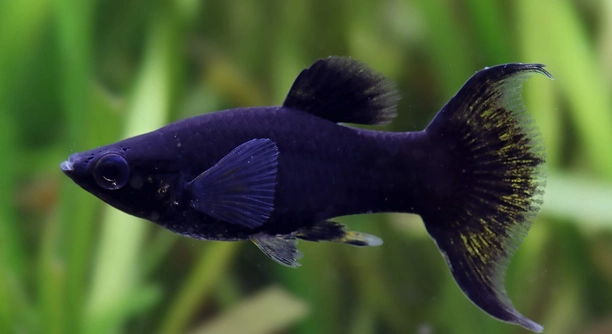
Do you ever notice your Black Molly swimming quietly in a corner while the others explore the tank boldly? These small fish can show subtle signs of hesitation, making it important to observe their behavior closely.
Shyness in Black Molly behavior is typically indicated by reduced activity, avoidance of other fish, hiding behind plants, and delayed feeding responses. These behaviors are consistent indicators that a fish may feel stressed or insecure in its environment.
Understanding these patterns can help you ensure a comfortable tank environment and support the overall wellbeing of your Black Molly. Careful observation makes a big difference.
Signs of Shyness in Black Molly
Black Mollies that are shy often stick close to the corners or edges of the tank, avoiding open spaces. They may linger behind decorations or plants and seem hesitant when other fish swim nearby. Feeding time can reveal their behavior clearly, as shy fish often wait for others to eat first or approach food cautiously. Their fins might remain close to their bodies, and they may dart quickly when startled. Observing these patterns over several days gives a better understanding of their temperament. It’s not unusual for shy Black Mollies to become more active once they feel comfortable. Lighting and tank activity can influence their confidence. Changes in water temperature, tank mates, or even feeding schedules can increase their tendency to hide. Keeping a calm environment and minimizing sudden disturbances helps these fish gradually explore the tank. Patience is essential, as every fish adapts at its own pace.
Shy Black Mollies are usually more reserved around other fish and spend significant time near shelters. Their movements are cautious.
Over time, shy Black Mollies can develop confidence with consistent care. Providing ample hiding spots, such as plants, rocks, or decorative structures, encourages exploration. Feeding at predictable times can help them associate your presence with positive experiences, gradually reducing their fear. Observing interactions with tank mates is important, as aggressive or overly active fish may increase stress. Adjusting lighting to a softer level can also make the tank feel safer. Shy fish often respond better to smaller, slower movements when being fed or cleaned. Consistent water quality and temperature help create a stable environment, which supports their confidence. Monitoring their behavior allows you to see gradual changes and intervene if stress signs persist. With patience and attention, shy Black Mollies often become more comfortable, allowing them to display natural behaviors like swimming freely and interacting with other fish. Creating a stable, calm environment is key to helping them thrive.
Encouraging Interaction
Introducing gentle tank decorations and plants encourages shy Black Mollies to explore gradually. These provide safe spaces without forcing exposure.
Providing consistent routines and observing reactions to environmental changes is essential. Over time, shy Black Mollies begin to interact more confidently with their surroundings and other fish. The goal is steady acclimation without overwhelming them.
Creating a Safe Environment
Shy Black Mollies respond well to calm, stable tanks. Avoid sudden movements, loud noises, and aggressive fish. Plants and decorations offer hiding spots that help reduce stress and encourage exploration.
Maintaining clean water with consistent temperature and proper filtration is crucial for shy fish. High-quality food given at regular times also supports comfort and confidence. Overcrowding should be avoided, as it can increase anxiety and push shy fish further into hiding. Observing their reactions to tank changes helps identify what triggers fear and what encourages exploration. Gradual adjustments are more effective than sudden ones.
Lighting and tank layout play important roles in a Black Molly’s confidence. Dimmer lighting reduces stress, while plants and rocks provide natural barriers. Strategic placement of feeding areas encourages shy fish to venture from hiding gradually. Monitoring interactions with tank mates is essential, ensuring peaceful coexistence. Creating predictable routines fosters a sense of safety and stability.
Recognizing Recovery Signs
Shy Black Mollies gradually explore the tank more, showing reduced hiding and increased activity. They begin feeding alongside other fish.
Indicators of recovery include steady swimming patterns, interaction with tank mates, and willingness to approach open spaces. Confidence often appears first during feeding, with cautious but deliberate movements. Changes in body language, such as slightly raised fins and smoother swimming, show reduced stress levels. Monitoring their comfort during tank maintenance is also helpful, as shy fish will tolerate gentle handling more readily.
Over several weeks, shy Black Mollies may exhibit bolder behavior, exploring new areas and interacting more with other fish. Gradual increases in swimming range, curiosity about decorations, and occasional mid-tank presence are positive signs. Consistency in feeding, environment, and gentle interactions promotes continued confidence. Observing subtle improvements allows adjustments in care, such as adding extra plants or rearranging hiding spots to support further acclimation. Tracking these changes ensures the fish’s long-term wellbeing and reduces the likelihood of regression into hiding. Maintaining patience and consistency is key to supporting shy Black Mollies’ comfort and natural behavior.
Adjusting Tank Conditions
Shy Black Mollies thrive in stable environments. Avoid sudden temperature changes or strong water currents, as these can increase stress. Regular water testing and gentle filtration help maintain comfort.
Adding live plants and soft decorations creates hiding spaces. These elements allow shy fish to explore at their own pace and feel secure, reducing fear responses.
Monitoring Social Interactions
Observe tank mates closely. Aggressive or overly active fish can intimidate shy Black Mollies, leading them to hide more frequently. Peaceful companions encourage gradual social confidence. Consistent observation helps identify and correct stressful interactions before they become a problem.
Feeding Techniques
Offer food at predictable times and in small amounts. Shy Black Mollies often need reassurance that feeding is safe. Watching them approach gradually reinforces positive behavior and encourages more confident eating habits over time.
Gradual Exposure
Introducing shy Black Mollies to new areas or objects should be slow. Sudden changes may cause retreat or prolonged hiding, so patience is key for successful acclimation.
How can I tell if my Black Molly is shy or sick?
Shy Black Mollies typically hide more than usual, avoid other fish, and may linger near decorations. Sick fish often display additional signs like faded coloration, clamped fins, lethargy, or unusual swimming patterns. Observing consistent behavior over several days helps distinguish normal shyness from potential illness. Water quality and tank conditions should also be checked to rule out environmental stress.
Will shy Black Mollies ever become more confident?
Yes, with a calm and stable environment, shy Black Mollies can gradually gain confidence. Providing hiding spots, gentle tank mates, and predictable routines encourages exploration. Over time, these fish may swim more openly, feed alongside others, and interact with their surroundings without constant retreat. Consistency is essential to support this progression.
How many hiding spots should I provide?
A good rule is to have multiple hiding spots, so shy Black Mollies always have at least one nearby. Live plants, rocks, and decorations placed strategically allow the fish to explore safely. Too few shelters can increase stress, while too many may make monitoring them more difficult.
Does lighting affect their shyness?
Yes, lighting plays a significant role. Bright lights can increase fear, while softer or diffused lighting helps them feel secure. Shy Black Mollies often stay near shaded areas if the tank is too bright. Adjusting light gradually can help them become more comfortable moving throughout the tank.
Should I separate shy Black Mollies from aggressive tank mates?
Separation can be helpful if other fish are overly active or aggressive. Shy Black Mollies need a calm environment to build confidence. Observing interactions first can guide whether temporary or permanent separation is necessary. Peaceful companions support gradual acclimation and reduce stress.
How does feeding influence shyness?
Shy Black Mollies often approach food cautiously. Feeding at consistent times and offering small amounts encourages them to participate without feeling threatened. Placing food near hiding spots gradually teaches them that mealtime is safe, promoting more confident behavior over time.
Can water changes impact their confidence?
Yes, large or sudden water changes can increase stress. Shy Black Mollies are sensitive to environmental changes, so gradual water adjustments and careful handling during cleaning help maintain comfort. Maintaining stable temperature and chemical balance is critical to supporting their wellbeing.
Do shy Black Mollies interact with other fish?
Shy Black Mollies will interact slowly. They may watch other fish from a distance, follow them cautiously, or explore after observing tank mates. Peaceful, non-aggressive fish encourage gradual social confidence, whereas aggressive species can cause increased hiding and stress.
How long does it take for a shy Black Molly to become comfortable?
The timeline varies. Some fish may show confidence within a few weeks, while others take several months. Consistent care, gentle routines, and stable tank conditions accelerate progress. Patience and observation are key to ensuring gradual acclimation without causing stress.
Are there signs that a shy Black Molly is thriving?
Yes, thriving fish display smooth, relaxed swimming, venture into open areas, interact with other fish, and feed without hesitation. Fins are held naturally, coloration is healthy, and hiding is occasional rather than constant. These behaviors indicate that the fish feels secure and comfortable in its environment.
Can shy Black Mollies ever regress in confidence?
Yes, changes in tank conditions, aggressive tank mates, sudden movements, or poor water quality can cause regression. Monitoring their environment and maintaining consistent care helps prevent setbacks, supporting long-term confidence and wellbeing.
Is it normal for shy Black Mollies to stay hidden most of the time?
Early in acclimation, yes. Shy Black Mollies naturally seek security. As they gain confidence, hiding decreases. Observing their behavior alongside tank conditions ensures they are adjusting appropriately rather than being stressed or ill.
Shy Black Mollies are sensitive fish that rely heavily on their environment to feel safe. Their natural tendency to hide or avoid other fish is not unusual, but it requires careful observation to ensure they are healthy and comfortable. Many factors influence their behavior, including water quality, lighting, tank layout, and the behavior of tank mates. Understanding these factors helps create a calm and predictable environment that allows shy fish to explore at their own pace. Even small changes in the tank, such as rearranging decorations or adjusting lighting, can affect their confidence. Providing consistent care, including regular feeding schedules and stable water conditions, helps reduce stress and encourages them to show natural behaviors. Recognizing the difference between shyness and signs of illness is also important, as this ensures timely attention to health concerns while supporting their overall comfort.
Creating hiding spaces within the tank is one of the most effective ways to support shy Black Mollies. Plants, rocks, and other decorations provide places to retreat when they feel threatened. These hiding spots not only reduce stress but also allow fish to gradually gain confidence. Over time, shy Mollies may venture further from shelters, interact more with other tank mates, and explore open areas. It is important to be patient during this process, as forcing exposure or sudden changes can increase fear and set back progress. Observing their movements, feeding patterns, and interactions with other fish helps determine whether they are adjusting well. Gentle routines and minimal disturbance during maintenance also contribute to a sense of security. These practices ensure that shy fish gradually become more comfortable while maintaining a healthy, stress-free environment.
Consistency, patience, and careful observation are key to managing shy Black Mollies effectively. Their behavior can change over time, and small improvements in confidence are important milestones to recognize. Gradual exposure to new areas, calm tank mates, and steady routines help these fish feel secure. Attention to environmental factors, such as water temperature and lighting, is crucial to maintaining their wellbeing. Over time, shy Mollies often become more active and interactive, demonstrating natural swimming patterns and feeding behaviors. Supporting their growth requires ongoing care, attention, and a stable environment. By understanding and accommodating their timid nature, you can foster a healthier, more comfortable life for your Black Mollies, ensuring they thrive and display their full potential in the tank.

Hello,
If you enjoy the content that we create, please consider saying a "Thank You!" by leaving a tip.
Every little bit helps us continue crafting quality advice that supports the health, happiness, and well-being of pets around the world, for pets of all shapes, sizes, and species.
We really appreciate the kindness and support that you show us!