
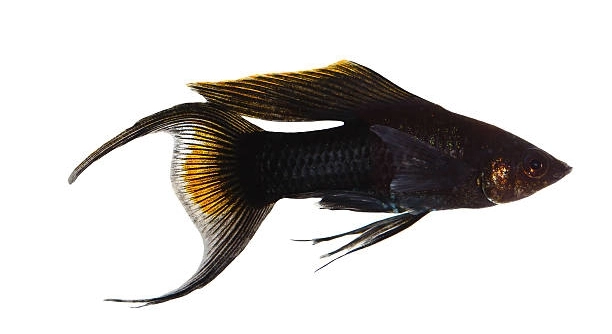
Raising fry can be both exciting and challenging for aquarists. Observing small fish closely allows you to notice changes in behavior, growth, and environment. Healthy fry often show clear signs that indicate proper care and thriving conditions.
A fry group is thriving when the young fish exhibit steady growth, active swimming, proper feeding responses, and minimal signs of disease or stress. Consistent water quality, adequate nutrition, and suitable tank conditions are essential factors supporting their development.
Recognizing these subtle indicators early helps aquarists ensure their fry continue to grow safely and remain healthy in their aquatic environment.
Steady Growth and Size Differences
Observing fry over time reveals a lot about their health. In a thriving group, the fry grow steadily and consistently, with most showing gradual increases in size. While some variation is normal, extreme differences can indicate underlying problems. Regularly measuring and comparing the fry helps monitor their development. Healthy fry often have plump, full bodies, clear eyes, and smooth scales. Their fins are well-formed and free of damage. Consistent growth reflects adequate nutrition and proper water conditions. When fry feed actively and digest food well, growth is more uniform. Tanks with stable temperatures, clean water, and a reliable feeding schedule encourage this progress. Uneven growth may result from competition for food, stress, or subtle health issues. Tracking changes daily can prevent problems from escalating. Observing patterns in behavior alongside size provides a complete picture of overall health. Maintaining records or simple notes can help aquarists adjust care strategies promptly.
Steady growth is one of the clearest signs that a fry group is healthy and adapting well to its environment.
Noticing consistent size increases over several weeks confirms proper care. Fry that remain active and responsive while growing indicate optimal conditions, suggesting the tank setup and feeding routines are supporting their development effectively.
Active Swimming and Exploration
Active swimming is a key indicator of thriving fry. Healthy fry explore their environment, respond quickly to stimuli, and move freely without lingering at the bottom. Observing how they interact with each other and their surroundings can reveal energy levels and overall well-being. Slow, lethargic movement often signals stress or illness, while coordinated group swimming demonstrates stability in the tank. Fry that dart around to feed, hide among plants, and react to gentle disturbances are likely receiving sufficient oxygen and nutrition. Tank layout also affects movement; open spaces encourage activity, while crowded or poorly designed setups can limit it.
Watching fry swim actively indicates a lively, thriving group.
When fry explore consistently and show energetic swimming, it reflects strong health, proper water quality, and adequate feeding. Their movement patterns reveal adaptability and resilience, ensuring they are developing in a safe, supportive environment. Consistent monitoring allows adjustments to maintain these favorable conditions, preventing potential setbacks.
Proper Feeding Response
Fry that eat eagerly and consistently show they are thriving. Quick reactions to offered food, nibbling small portions, and returning to normal activity afterward indicate proper nutrition and good health.
Healthy fry recognize food and respond without hesitation. They swim toward it quickly, take small bites, and continue exploring afterward. Fry that ignore food or show delayed responses may be stressed or unwell. Regular, appropriately sized feedings help maintain growth and energy. Monitoring how each fry reacts allows adjustments in portion size, frequency, or type of food to meet their nutritional needs. Feeding behavior also reflects water quality, as poor conditions can reduce appetite.
Consistent feeding responses are linked to overall tank stability. Fry that consume food efficiently avoid competition-related stress. Properly fed fry maintain energy for swimming and growth, while weak or slow feeders may struggle. Observing these patterns over days helps identify issues early and ensures all fry get the nutrition they need to continue developing healthily.
Clear Eyes and Vibrant Colors
Healthy fry display clear eyes and vibrant colors, even at a young age. Cloudy eyes or dull pigmentation can signal poor water quality or early signs of illness, so monitoring their appearance is essential.
Clear eyes and well-defined coloration indicate a thriving fry group. Bright colors reflect good nutrition, minimal stress, and proper lighting. Fry with faded or patchy colors may require water adjustments, improved diet, or closer health observation. Regular visual checks allow for early detection of problems before they worsen. Maintaining proper water parameters, providing a varied diet, and keeping a clean environment support these visual indicators.
Vibrant fry not only look healthy but are more likely to grow uniformly and remain active. Their colors often intensify with age, showing they are adapting well to the tank environment. Observing eye clarity and pigmentation over time helps track health trends and ensures that the group continues developing under optimal conditions. Consistency in care, combined with attentive monitoring, reinforces these signs and promotes a strong, resilient fry population.
Minimal Signs of Stress
Fry that are thriving show very few signs of stress. They swim normally, hide when necessary, and react to changes in the tank without prolonged panic. Stress-free fry are more likely to grow evenly and stay healthy over time.
Healthy fry maintain stable behavior even during minor water changes or tank disturbances. Avoiding overcrowding and keeping water parameters consistent helps reduce stress. Fry that remain calm and feed well despite small environmental shifts indicate a strong, resilient group that is adjusting properly to its habitat.
Smooth and Intact Fins
Fry with smooth, undamaged fins are a clear sign of good health. Ragged or torn fins often indicate aggression, overcrowding, or poor water conditions, so intact fins are important for normal swimming and growth. Smooth fins allow fry to move efficiently, avoiding injury and conserving energy.
Consistent Group Behavior
A thriving fry group demonstrates consistent, coordinated behavior. Fry swim together in predictable patterns, respond to food simultaneously, and interact without excessive aggression. This uniformity signals balanced growth, proper feeding, and stable water conditions, helping maintain overall tank harmony and promoting healthy development.
Rapid Recovery from Minor Stress
Fry that recover quickly from brief stress, such as netting or light water changes, indicate strong health. Rapid recovery reflects resilience, proper nutrition, and stable environmental conditions, ensuring the group remains robust despite minor disruptions.
FAQ
How often should I feed my fry?
Fry require frequent, small feedings to support steady growth. Depending on their age and size, feeding 3–5 times per day is usually sufficient. The key is consistency and ensuring the food is appropriate in size and type. Overfeeding can pollute the water, while underfeeding slows growth. Observing how quickly they consume the food can help adjust portions. Younger fry often need finely crushed flakes, powdered foods, or specialized fry food. As they grow, gradually increase food size. Keeping track of feeding times helps establish a routine, reducing stress and ensuring all fry get adequate nutrition.
What water conditions are best for fry?
Stable water conditions are critical for fry health. Ideal temperatures usually range between 75–80°F, but this depends on the species. Maintaining a neutral pH and keeping ammonia and nitrite levels at zero is essential. Frequent partial water changes, gentle filtration, and avoiding strong currents help fry remain stress-free. Clear, oxygen-rich water supports growth, encourages feeding, and reduces disease risk. Avoid sudden temperature changes or chemical additives that could harm sensitive fry. Using a small, reliable heater and testing water parameters regularly ensures a consistent environment that allows fry to thrive.
How can I tell if fry are sick?
Signs of illness in fry include lethargy, loss of appetite, unusual swimming patterns, or physical changes such as clamped fins, faded colors, or cloudy eyes. Some may float near the surface or hide excessively. Observing fry behavior daily helps detect problems early. Sick fry often isolate themselves from the group, making them easier to identify. Quick intervention is important to prevent spread of disease. Maintaining clean water, proper nutrition, and monitoring tank conditions reduces the likelihood of illness. For persistent symptoms, consulting species-specific care guides or an aquatics professional can provide treatment options.
Is it normal for fry to fight?
Some minor aggression is natural, especially when fry compete for food. However, excessive chasing or fin-nipping indicates stress or overcrowding. Ensuring enough space, hiding spots, and even food distribution can reduce conflicts. Monitoring interactions and removing severely injured fry can prevent worsening situations. Balanced group sizes and sufficient nutrition usually minimize aggression and support a peaceful tank environment.
How do I manage uneven growth in a fry group?
Uneven growth can result from competition for food, genetics, or stress. Separating faster-growing fry into another tank temporarily allows slower fry to catch up. Ensuring consistent feeding and water conditions helps balance growth over time. Observing feeding behavior and making adjustments can prevent dominant fry from taking too much food. Maintaining good water quality and providing varied nutrition also supports uniform development.
When should I move fry to a larger tank?
Fry should be moved when they grow too large for their current space or when overcrowding begins to affect behavior or growth. A larger tank provides more room for swimming, reduces stress, and improves water stability. Gradual acclimation prevents shock. Ensuring the new tank is cycled and has similar water parameters is critical to avoid setbacks.
What foods promote the best fry growth?
High-quality, species-appropriate foods promote steady growth. Powdered or crushed flakes, infusoria, brine shrimp, and specially formulated fry food are excellent choices. Variety ensures balanced nutrition and supports healthy development. Feeding multiple small meals per day and adjusting food size as fry grow encourages proper digestion and reduces competition. Observing which foods fry respond to best can guide future feeding strategies.
How often should I monitor my fry?
Daily observation is recommended to track behavior, feeding responses, and general health. Regular monitoring helps detect stress, illness, or water quality issues before they become serious. Keeping a simple log of growth, behavior, and feeding patterns allows for timely adjustments and ensures the fry group continues thriving.
Can fry survive without hiding spots?
While fry can survive in open spaces, hiding spots reduce stress, prevent injury, and mimic natural environments. Plants, small decorations, or gentle substrates provide security and improve overall health. Fry with access to shelter often grow more consistently and exhibit natural behaviors, contributing to a stronger, healthier group.
What is the most important factor for fry survival?
Stable water quality, proper nutrition, and attentive care are the most critical factors. Consistent conditions, frequent observation, and suitable feeding routines work together to support growth and reduce stress. Attention to these basics ensures fry develop healthily and thrive into adulthood.
Final Thoughts
Maintaining a thriving fry group requires careful observation, consistent care, and attention to detail. Each small fish shows signs of health through growth, activity, and response to feeding, and noticing these details is essential. Regularly monitoring water quality, feeding routines, and behavior allows aquarists to identify potential issues early. Even minor changes, like uneven growth or dull coloration, can indicate stress or environmental problems. By staying consistent with water changes, temperature control, and diet, a fry group is more likely to develop steadily and remain healthy. Over time, observing patterns in the fry’s behavior and growth helps predict when adjustments are needed, such as increasing feeding portions, adding hiding spots, or moving fry to larger spaces. Healthy fry are usually active, eat well, and swim freely, which reflects the stability of their environment. Paying attention to these aspects reduces the risk of disease, aggression, or stunted growth.
Understanding the indicators of a thriving fry group helps maintain a balanced tank ecosystem. Proper feeding schedules, suitable food types, and careful portion control prevent competition and ensure all fry get adequate nutrition. Regular checks of water parameters, including temperature, pH, ammonia, nitrite, and nitrate levels, are crucial to avoid sudden stress. Fry are especially sensitive to water fluctuations, so consistency is key. Observation of group behavior provides additional insight into their well-being. When fry swim together harmoniously, respond quickly to food, and show minimal signs of stress, it confirms that the tank conditions are supporting their development. Small interventions, such as separating faster-growing fry or adding gentle plants for cover, can improve outcomes and prevent long-term problems. Each of these practices contributes to the overall success of raising healthy, active fish.
A thriving fry group is the result of careful management and attention to natural behavior. Clear eyes, vibrant colors, smooth fins, and consistent growth all signal good health. Monitoring these visual and behavioral cues provides reassurance that the fry are developing correctly. Maintaining stable conditions, avoiding overcrowding, and adjusting feeding strategies as needed all contribute to a supportive environment. Even minor improvements, like adding more hiding spots or slightly modifying feeding times, can have a meaningful impact on their growth and stress levels. Ultimately, the combination of proper nutrition, water quality, and attentive observation forms the foundation for a healthy, thriving fry group. Over time, these practices help ensure that the young fish develop evenly, remain active, and continue to adapt successfully to their environment, creating a strong start for their future in the tank.

Hello,
If you enjoy the content that we create, please consider saying a "Thank You!" by leaving a tip.
Every little bit helps us continue crafting quality advice that supports the health, happiness, and well-being of pets around the world, for pets of all shapes, sizes, and species.
We really appreciate the kindness and support that you show us!