
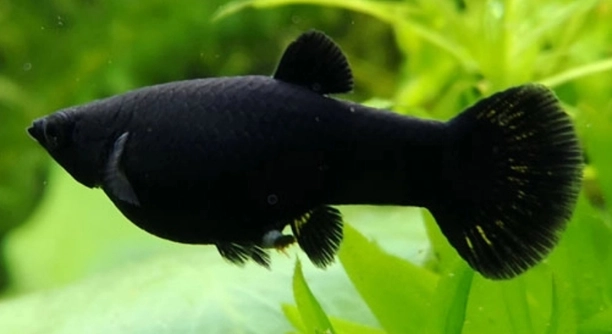
Are your black mollies not showing their full vibrant color despite your care and attention? Many aquarists face this challenge, as maintaining their natural dark hue can be influenced by diet, environment, and general health.
Enhancing black molly coloration requires attention to nutrition, water quality, and lighting. Providing a diet rich in carotenoids, maintaining stable water parameters, and ensuring proper light exposure directly contribute to more vivid and uniform pigmentation.
Small adjustments in their daily care can make a noticeable difference in their overall appearance and wellbeing. Paying attention to these factors will help your mollies thrive.
Improve Water Quality
Maintaining clean water is essential for black mollies to display their best coloration. Regular water changes, ideally 25% weekly, remove toxins that can dull their color. Using a reliable water conditioner helps neutralize chlorine and heavy metals that stress the fish. Testing pH, ammonia, nitrite, and nitrate levels ensures a stable environment, as fluctuations can lead to stress, illness, and faded pigmentation. Avoid overfeeding, as uneaten food decays and negatively affects water quality. A properly cycled tank with adequate filtration supports overall health and enhances natural color expression. Consistent water maintenance not only improves appearance but also increases energy levels and appetite, making mollies more active and engaging. Observing your fish regularly allows you to notice subtle changes in color and behavior, signaling any adjustments needed in care routines. Healthy water conditions form the foundation for vibrant black mollies and long-term wellbeing.
Clean water supports your mollies’ natural color while keeping them active and stress-free, enhancing their overall vitality.
Stable water parameters and proper filtration allow mollies to thrive, supporting strong immune systems. Over time, consistent care reduces stress, promotes vivid pigmentation, and prevents common health issues. Combining regular water changes, careful monitoring of chemical levels, and proper feeding habits ensures your black mollies remain energetic, healthy, and visually striking in the aquarium.
Balanced Nutrition
Providing a diet rich in color-enhancing nutrients is key for black mollies. Feed a mix of high-quality flakes, pellets, and occasional live or frozen foods like brine shrimp or daphnia. Foods with natural carotenoids and spirulina help deepen black pigmentation, while protein supports growth and vitality. Avoid overfeeding, offering only what mollies can consume in a few minutes. Supplementing with vegetables such as blanched spinach or zucchini improves overall health and digestive function. Rotating food types prevents deficiencies and keeps your fish interested in their meals. Treats should be limited to maintain water quality and prevent obesity. Consistent feeding schedules reinforce healthy behavior and reduce stress. Nutritional attention directly influences the intensity of black coloration, with well-fed fish showing richer and more uniform hues.
Diet directly impacts pigmentation and overall health, making proper feeding routines essential.
A carefully managed diet emphasizes high-protein foods and natural color enhancers, ensuring mollies develop deep black tones. Incorporating a variety of live, frozen, and vegetable foods supports growth, digestive health, and energy. Over time, this approach strengthens immune systems and helps mollies display consistent, vibrant coloration, making them visually appealing and active in the aquarium. Regularly monitoring feeding habits and adjusting portions prevents overfeeding, maintains water quality, and sustains long-term health while keeping coloration at its peak.
Optimal Lighting
Proper lighting enhances black molly coloration by highlighting natural pigments. Avoid excessive brightness, which can stress fish, and provide a balanced day-night cycle to mimic natural conditions. LED lights with adjustable intensity work well for controlled illumination.
Consistent, moderate lighting encourages pigment production and overall activity. Natural-spectrum bulbs or LEDs that emphasize red and blue wavelengths help black mollies display deeper tones. Position lights to avoid direct glare on the water surface, which can stress fish and cause color fading. A 10-12 hour light cycle daily maintains biological rhythms and supports feeding and social behaviors. Observing mollies under proper lighting allows you to notice subtle improvements in coloration over time. Adjusting light intensity and duration gradually prevents shock, helping mollies acclimate without stress. Combining controlled lighting with good water quality and diet strengthens color expression and supports long-term health.
Too much light can bleach colors, while too little leaves them dull. Proper scheduling is key.
Moderate, well-timed lighting enhances pigment development and natural coloration. When paired with clean water and a nutrient-rich diet, it allows black mollies to show consistent, deep hues. Gradually adjusting intensity prevents stress, while a regular day-night schedule supports healthy behavior patterns. Positioning lights to reduce glare ensures mollies remain comfortable and active. Over time, a carefully managed lighting routine enhances vibrancy, making fish more visually striking and responsive in the tank. This simple adjustment significantly impacts the overall appearance and wellbeing of your mollies.
Stable Temperature
Maintaining a stable temperature supports both health and color intensity. Sudden fluctuations can stress mollies and cause dull pigmentation, so aim for consistent warmth within the ideal range of 24-28°C (75-82°F).
Stable temperatures reduce stress and encourage natural behavior. Using a reliable heater with a thermostat ensures minimal variation, while a thermometer allows for accurate monitoring. Avoid placing the tank near drafts or direct sunlight, which can create spikes or drops in water temperature. Gradual adjustments are better than sudden changes, as mollies are sensitive to rapid shifts. Stable warmth promotes metabolic efficiency, digestion, and immune function, all of which influence pigmentation. Stress-free mollies display darker, richer colors and remain more active in the aquarium.
Maintaining a stable temperature ensures mollies stay healthy and show vibrant coloration consistently.
Consistency in water temperature prevents stress-induced color fading and supports normal metabolic functions. A heater with accurate regulation, combined with careful placement of the aquarium, keeps fluctuations minimal. Gradual changes in temperature prevent shock, which can weaken immune responses and reduce pigment intensity. Stable warmth allows mollies to feed and swim confidently, displaying natural, deep black tones. Over time, a controlled thermal environment reinforces strong coloration, healthy growth, and active behavior, helping fish remain visually striking and resilient against common environmental stressors.
Reduce Stress
Stress can quickly dull black molly coloration. Avoid overcrowding, aggressive tank mates, and sudden changes in water conditions to keep your fish calm and healthy.
Providing hiding spots with plants or decorations helps mollies feel secure. A stable environment encourages natural behavior and stronger pigmentation.
Proper Tank Size
A spacious tank allows black mollies to swim freely, promoting activity and overall health. Limited space can increase stress and reduce color vibrancy. Regularly monitor fish density to maintain balance.
Regular Water Changes
Frequent water changes remove waste and toxins that fade coloration. Changing 20-25% weekly keeps water clear and healthy. Consistency prevents sudden chemical shifts that stress mollies, allowing them to maintain rich black tones.
Avoid Overcrowding
Too many fish in a tank increases competition for food and space, which can cause stress and dull colors. Maintaining a balanced population improves health, behavior, and pigment expression.
FAQ
How often should I feed my black mollies to improve their coloration?
Feeding small amounts 2-3 times daily is ideal. Overfeeding can pollute the water, while underfeeding limits pigment development. A balanced diet including high-quality flakes, pellets, live, or frozen foods ensures mollies get essential nutrients for deep black tones. Rotating food types also prevents deficiencies.
What types of food enhance black molly coloration the most?
Natural color enhancers like spirulina, carotenoid-rich flakes, and small amounts of brine shrimp or daphnia help deepen black pigmentation. Vegetables such as blanched spinach or zucchini support overall health and digestion. Consistently offering these foods encourages uniform and vibrant color expression in your fish.
How important is water quality for maintaining vibrant colors?
Water quality is critical. Ammonia, nitrite, and nitrate fluctuations stress mollies, causing color to fade. Regular 25% water changes, proper filtration, and monitoring of pH levels support stable conditions. Clean water not only preserves pigmentation but also boosts energy, appetite, and overall wellbeing.
Can lighting really affect my black mollies’ coloration?
Yes. Moderate lighting enhances natural pigments without stressing the fish. LEDs with natural-spectrum settings work well. Providing a consistent 10-12 hour day-night cycle maintains biological rhythms, supports feeding, and encourages natural behavior, which in turn helps black mollies retain deeper hues.
What is the ideal temperature range for black mollies?
Black mollies thrive in water temperatures between 24-28°C (75-82°F). Maintaining a stable temperature prevents stress, supports metabolism, and encourages proper digestion. Sudden changes can weaken their immune system and cause dull coloration, so using a reliable heater with a thermostat is important.
Do tank mates influence black molly coloration?
Yes. Aggressive or overly active fish can stress mollies, leading to faded colors. Choose peaceful tank mates that occupy different levels of the aquarium. Providing plants or hiding spots reduces stress and allows mollies to swim freely, showing off their full, deep black tones.
How much does tank size matter for vibrant colors?
A larger tank allows mollies to swim actively, reducing stress and improving pigment expression. Overcrowded conditions limit space and increase competition for food, dulling colors. Ensure adequate room per fish and maintain balanced population levels for healthy, vibrant coloration.
Can stress cause permanent fading of color?
Chronic stress can weaken the immune system and lead to long-term color dulling. Frequent environmental changes, poor water quality, overcrowding, and aggressive tank mates all contribute. Reducing stress through stable conditions, hiding spots, and proper diet helps restore and maintain deep pigmentation.
Is it necessary to supplement black mollies with special products for color enhancement?
Supplements are not always necessary if the diet is balanced. High-quality flakes, pellets, and occasional live foods provide adequate nutrients. Color-enhancing supplements can be used occasionally, but overuse is unnecessary and may affect water quality. Focus on proper feeding and water management first.
How quickly can I expect to see improvements in coloration?
With consistent care, improvements can appear within a few weeks. Proper diet, clean water, stable temperature, and controlled lighting all contribute. Individual fish may vary, but gradual changes in pigmentation are common when all environmental and nutritional factors are addressed effectively.
Can black mollies change color naturally as they age?
Yes. Young mollies may appear lighter, with coloration deepening as they mature. Genetics, diet, and environment influence this process. Even adult mollies benefit from proper care, maintaining the intensity of black tones and overall health.
Does water hardness affect their pigmentation?
Moderate water hardness supports healthy growth and color expression. Extremely soft or very hard water can stress mollies, causing faded coloration. Maintaining a balanced mineral content helps retain vibrant black hues while supporting metabolic processes and overall wellbeing.
Are plants helpful for black molly coloration?
Live plants provide shelter, reduce stress, and improve water quality. A planted tank allows mollies to feel secure, swim freely, and display natural behavior. Reduced stress and improved water parameters support deeper and more consistent black pigmentation over time.
How can I monitor if my mollies are healthy and displaying proper coloration?
Observe swimming patterns, appetite, and pigmentation. Vibrant black tones, active behavior, and regular feeding are signs of good health. Dull coloration, lethargy, or hiding may indicate stress, poor water quality, or dietary deficiencies, signaling that adjustments are needed.
What combination of care practices produces the best results?
The most effective approach combines balanced nutrition, stable water conditions, moderate lighting, consistent temperature, adequate space, and stress reduction. Attention to all these factors ensures black mollies develop deep, uniform coloration, remain healthy, and show lively behavior in the aquarium environment.
Maintaining vibrant black coloration in mollies is a matter of consistent care and attention to their environment. Proper diet, clean water, stable temperature, and appropriate lighting all play key roles in bringing out the best in your fish. High-quality foods with natural color enhancers, such as spirulina and carotenoid-rich options, provide essential nutrients that support pigmentation. Feeding in controlled amounts and offering variety ensures mollies receive a balanced diet without overfeeding, which can compromise water quality. Vegetables like blanched spinach or zucchini also contribute to overall health and digestion, supporting strong coloration. When these dietary practices are combined with regular water monitoring, mollies are more likely to show consistent and deep black tones that enhance their visual appeal in the tank.
Water quality is another cornerstone of maintaining healthy coloration. Regular water changes remove toxins that can dull color and stress the fish. Monitoring pH, ammonia, nitrite, and nitrate levels ensures a stable environment, while proper filtration helps maintain cleanliness. Stress is minimized when the water is stable, the tank is not overcrowded, and hiding spaces are available. Stress-free mollies are more active, display natural behavior, and retain deeper pigmentation. Lighting also contributes significantly; providing a moderate day-night cycle encourages pigment production while reducing stress. Positioning lights to avoid glare and using natural-spectrum bulbs helps mollies display their colors more vividly. Together, these environmental factors create conditions in which black mollies can thrive and maintain their distinctive coloration.
Temperature stability and tank space are additional factors that support health and coloration. Keeping the water consistently between 24-28°C allows mollies to feed, swim, and digest properly without stress. Large enough tanks give them room to move freely, reducing aggression and competition for resources, which can otherwise affect coloration. Peaceful tank mates and a planted environment further enhance security, reduce stress, and encourage natural behavior. Over time, a combination of careful feeding, stable water parameters, appropriate lighting, and a supportive environment results in mollies displaying their richest black tones. Paying attention to these details ensures not only visually striking fish but also healthier, more active, and long-living mollies that thrive in their aquarium habitat.

Hello,
If you enjoy the content that we create, please consider saying a "Thank You!" by leaving a tip.
Every little bit helps us continue crafting quality advice that supports the health, happiness, and well-being of pets around the world, for pets of all shapes, sizes, and species.
We really appreciate the kindness and support that you show us!