
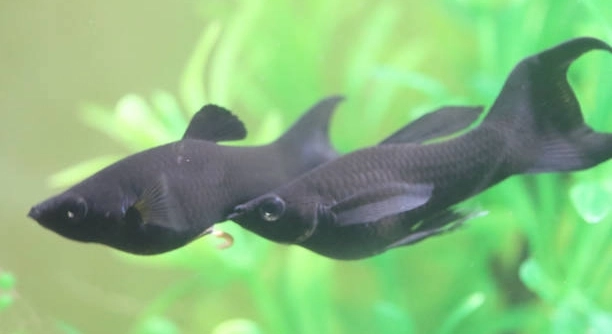
Caring for Black Molly fish can feel overwhelming when they get sick. Observing subtle changes in behavior and appetite is important for their wellbeing. Learning a few simple strategies can make managing their health much easier.
Black Molly fish require stable water conditions, proper nutrition, and minimal stress to recover effectively during illness. Monitoring temperature, maintaining cleanliness, and adjusting feeding routines are essential to prevent further complications and support their immune response.
These tips will help you create a supportive environment for your fish and ensure their recovery is smoother and safer.
Maintain Optimal Water Conditions
Keeping the water clean and stable is essential for Black Molly health, especially during illness. Regular water changes help remove toxins that can stress fish further. Using a quality water conditioner balances pH and neutralizes harmful chemicals. Monitoring temperature is equally important, as sudden fluctuations can weaken their immune system. A thermometer is a simple tool that can prevent temperature swings. Avoid overcrowding the tank because it increases waste and stress levels. Filtration systems should be cleaned regularly to ensure proper circulation. Removing uneaten food quickly reduces bacterial growth. Observing water clarity and odor gives clues about overall tank health. Even small changes in water quality can affect how your fish recover. Consistent maintenance fosters a safer environment and allows sick fish to focus energy on healing. Keeping a routine schedule for water testing and cleaning makes this process manageable and less stressful.
Proper water conditions prevent additional stress and help sick Black Molly recover faster in a safe environment.
Consistency in water changes, temperature control, and filtration ensures your Black Molly remains comfortable. Tracking pH and nitrate levels supports recovery. Observing behavioral changes during this time helps detect any lingering issues early. Simple adjustments can significantly improve their chances of healing efficiently.
Provide a Nutritious and Gentle Diet
Feeding small, frequent meals helps sick Black Mollies digest food without strain. Soft or soaked flakes are easier for weakened fish to eat. Avoid overfeeding, as leftover food can pollute the water. Nutrient-rich options support immune function and energy levels during recovery. Treats should be minimal to prevent digestive upset.
A balanced diet with protein, vitamins, and minerals strengthens immunity and speeds up healing. Fresh or frozen options may be easier to consume than dry foods.
Offering a varied diet, including softened flakes and occasional protein-rich treats, ensures your fish get nutrients without stressing their system. Observing how they respond to each food type allows adjustments to prevent digestive problems. Overfeeding is a common issue during illness, so controlled portions are key. Feeding at the same times daily helps maintain a routine and reduces stress. By supporting their diet carefully, you directly impact recovery, energy levels, and overall vitality. Careful attention to nutrition can prevent relapses and keeps your Black Molly healthy and active once again.
Monitor Behavior Closely
Changes in swimming patterns, appetite, or color can indicate how your Black Molly is feeling. Observing these signs helps you respond quickly and adjust care.
Keeping a daily log of behavior makes it easier to notice subtle changes over time. Sudden lethargy, hiding, or floating near the surface often signals stress or illness. By recording feeding responses, swimming activity, and interaction with tank mates, you can identify patterns that might require attention. Early detection allows for timely interventions such as adjusting water conditions, changing diet, or isolating the fish if necessary. This proactive approach reduces the risk of complications and ensures that your Black Molly has the best chance of a smooth recovery.
Tracking these behaviors also helps you communicate with a veterinarian or experienced aquarist if professional guidance becomes necessary. Visual records and notes provide valuable context, making treatment recommendations more accurate. Observing interactions between fish can prevent aggression or bullying that could hinder recovery. Over time, you’ll become more attuned to subtle cues, allowing you to maintain a healthy, stress-free environment. Regular observation is a simple yet powerful tool in managing your Black Molly’s health effectively.
Isolate Sick Fish
Separating an ill Black Molly from others prevents the spread of disease and reduces stress. A quarantine tank allows careful monitoring and treatment.
A quarantine setup should mimic the main tank in temperature and water quality but be easier to manage. Isolation reduces competition for food and minimizes aggression from healthy tank mates. Sick fish can recover in peace while you control medication, feeding, and water changes more effectively. Quarantine tanks also make it easier to observe how the fish responds to treatment without interference.
During isolation, frequent water changes, gentle filtration, and careful temperature control support recovery. Medications or supplements can be applied directly without affecting the main tank. Observing eating habits and activity levels in quarantine helps determine if additional care is needed. Once the fish shows steady improvement, reintegration should be gradual to prevent stress or sudden infections. By using isolation strategically, you create a controlled environment that maximizes healing and protects the rest of your tank.
Maintain Stable Temperature
Sudden temperature changes can stress Black Mollies and slow recovery. Keeping the tank consistent supports their immune system and overall health.
Using a reliable heater and thermometer ensures the water stays within the ideal range. Small adjustments are safer than large swings.
Reduce Stress Factors
Limit sudden movements around the tank and avoid loud noises. Calm surroundings help your fish focus energy on healing.
Gentle Cleaning Routine
During illness, avoid deep scrubbing of the tank or decorations. Gentle cleaning preserves beneficial bacteria while removing debris, maintaining water quality without adding stress to recovering fish.
What are the first signs my Black Molly is sick?
Early signs of illness in Black Mollies include loss of appetite, lethargy, unusual hiding, and changes in swimming behavior. You may notice clamped fins, faded color, or rubbing against objects. Observing these behaviors daily helps catch problems before they worsen, allowing for timely intervention and treatment.
How often should I check water conditions during illness?
Water should be tested at least twice a week during illness. Monitor temperature, pH, ammonia, nitrite, and nitrate levels carefully. Sick fish are more sensitive to changes, so keeping parameters stable supports recovery. Frequent checks prevent unnoticed issues from worsening and allow immediate corrective action.
Can I feed my Black Molly normally while it is sick?
Feeding should be reduced and divided into small portions. Softened flakes or frozen foods are easier to digest. Avoid overfeeding because leftover food can pollute the tank and stress the fish further. Controlled feeding helps maintain energy levels without worsening water quality.
Do I need to isolate my Black Molly if it is sick?
Isolation is highly recommended. A quarantine tank prevents disease spread to healthy fish and reduces stress. It allows for careful monitoring, targeted feeding, and easier medication administration. Recovery in a calm, controlled environment increases chances of full health restoration.
How long does it take for a Black Molly to recover from common illnesses?
Recovery time varies depending on the illness and severity. Minor infections may resolve in a few days with proper care, while more serious conditions can take weeks. Consistent monitoring, water maintenance, and nutrition all influence recovery speed. Patience is important to avoid setbacks.
Are there natural remedies that help during illness?
Some natural remedies, like using aquarium salt in small doses, can reduce stress and support gill function. However, treatments should be mild and carefully dosed. Always observe how the fish responds, as overuse or incorrect application can harm them.
What should I avoid while my Black Molly is sick?
Avoid drastic water changes, aggressive tank mates, overfeeding, and sudden temperature shifts. These factors add stress and can slow recovery. Gentle handling and a calm environment are more effective than frequent interventions or strong medications unless prescribed.
How can I prevent future illnesses in my Black Molly?
Consistent tank maintenance, stable water conditions, and a balanced diet are key. Quarantining new fish, monitoring behavior, and maintaining proper stocking levels reduce the risk of disease. Regular observation and small preventative measures make a significant difference.
When should I consult a veterinarian?
If the fish shows severe symptoms, fails to eat, or doesn’t improve after a week of careful care, professional advice is recommended. A veterinarian can provide accurate diagnosis, prescribe treatment, and prevent complications that home care alone may not resolve.
Can stress alone make Black Mollies sick?
Yes, stress weakens their immune system. Causes include overcrowding, sudden changes in water conditions, aggressive tank mates, or frequent disturbances. Reducing stress by maintaining a calm, stable environment is essential for both prevention and recovery from illness.
Caring for a sick Black Molly requires patience and attention to detail. Observing your fish closely allows you to detect small changes that could indicate health problems. Early intervention is always better than waiting for an issue to worsen. Even minor changes in swimming patterns, appetite, or coloration can be signs that something is off. By keeping track of these behaviors daily, you create a baseline for what is normal, which makes it easier to notice when something unusual happens. Consistency in care, such as feeding small portions at regular times and maintaining a calm environment, helps your fish feel secure and supports their recovery. A routine of checking water quality, temperature, and cleanliness ensures that the tank remains a safe place for healing. Stress is one of the biggest factors that can slow recovery, so minimizing disturbances and keeping tank conditions stable is crucial.
Providing the right nutrition is equally important during illness. Sick Black Mollies may not be able to digest food as efficiently, so offering soft or soaked flakes and easily digestible foods reduces strain on their system. Balanced nutrition supports immune function and gives them the energy needed to recover. Overfeeding can worsen water conditions and cause additional stress, so careful portion control is key. Supplementing with occasional protein-rich options or appropriate vitamins can help, but it’s best to keep meals simple and gentle while your fish is recovering. By monitoring how your fish responds to each type of food, you can adjust the diet to meet their needs without creating additional problems. A supportive diet combined with stable tank conditions significantly increases the likelihood of a smooth recovery.
Isolation and careful treatment routines are effective tools for managing illness in Black Mollies. A quarantine tank reduces stress from other fish, prevents disease spread, and allows you to control medication and observe recovery more closely. Gentle cleaning and maintaining consistent water parameters in the quarantine tank ensure a safe environment without disturbing beneficial bacteria. Treatments should be applied carefully and only as needed, while observation helps you determine progress and any further actions required. Recovery may take days or weeks depending on the illness, so patience and consistent care are essential. By combining careful observation, stable water conditions, proper nutrition, and stress reduction, you create an environment that supports healing and helps your Black Molly regain its health. Over time, these habits also contribute to long-term wellbeing, making future illnesses easier to prevent and manage.

Hello,
If you enjoy the content that we create, please consider saying a "Thank You!" by leaving a tip.
Every little bit helps us continue crafting quality advice that supports the health, happiness, and well-being of pets around the world, for pets of all shapes, sizes, and species.
We really appreciate the kindness and support that you show us!