
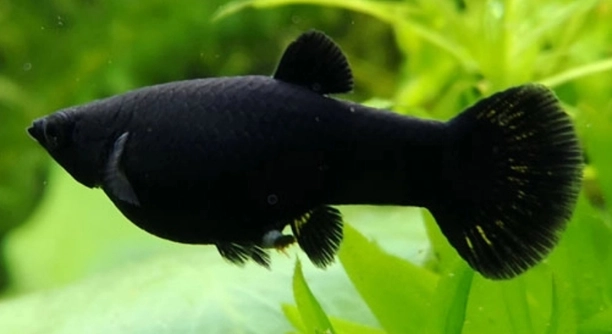
Black Mollies are a popular choice for home aquariums due to their striking color and peaceful temperament. Many owners enjoy watching them interact, yet breeding success can sometimes be unexpectedly low, causing frustration and concern for enthusiasts.
Unsuccessful breeding in Black Mollies is most often linked to environmental stressors, water quality issues, or improper diet. Inadequate temperature, pH imbalance, or lack of suitable hiding spaces can inhibit mating and reduce fry survival rates significantly.
Understanding these key factors can improve breeding outcomes and promote a healthier, more thriving aquarium environment for your Mollies. Small adjustments often make a noticeable difference in reproductive success.
Common Environmental Factors Affecting Breeding
Temperature and water conditions play a major role in Black Molly reproduction. Water that is too cold or fluctuates frequently can prevent mating. Similarly, pH levels outside the optimal 7.0 to 8.5 range can stress fish, reducing fertility. Overstocked tanks create competition and aggression, which discourages breeding. Proper filtration and regular water changes are essential to maintain a stable environment. Hiding spaces and plants help females feel secure, encouraging mating behavior. Lighting also affects reproduction; too little or too much light can disrupt natural rhythms. Even minor changes in tank setup, such as adding decorations or rearranging plants, can temporarily stress fish and delay breeding. Observing fish behavior and keeping a consistent routine helps maintain favorable conditions. Diet also ties into environmental readiness, as healthy fish are more likely to breed successfully when their surroundings are stable.
Maintaining stable water conditions and an appropriate tank setup significantly improves breeding success for Black Mollies, reducing stress and encouraging natural behaviors.
Regular monitoring and small adjustments, like maintaining temperature and pH, ensure fish remain comfortable. A stable environment supports healthier fry development and increases reproductive activity.
Diet and Nutrition for Successful Breeding
High-quality food rich in protein supports reproductive health and fry survival. Feeding a variety of live, frozen, and prepared foods ensures Black Mollies receive essential nutrients. Flake food alone is often insufficient, as it may lack the protein and vitamins required for optimal breeding. Live foods, such as brine shrimp and daphnia, stimulate natural hunting behavior and provide necessary energy. Frozen options like bloodworms are convenient alternatives that still offer high nutritional value. Vegetables, including blanched spinach or zucchini, add fiber and support digestive health. Consistent feeding schedules help maintain fish condition without overfeeding, which can lead to poor water quality and stress. Healthy adults produce stronger fry and exhibit more frequent mating behavior. Adjusting portion sizes based on the number of fish and observing their body condition ensures each Molly receives enough nutrients. A balanced diet combined with proper tank care maximizes breeding potential and overall health.
Providing a varied and protein-rich diet is essential for promoting reproductive success and maintaining overall fish vitality.
Balanced nutrition ensures Black Mollies remain healthy and ready to breed, while also supporting the growth and survival of their fry over time.
Breeding Behavior and Compatibility
Male and female Black Mollies must be compatible for successful breeding. Aggressive males can stress females, preventing mating. Observing interactions helps identify which pairs work well together. A healthy ratio of one male to two or three females reduces harassment and encourages more natural behavior.
Mating requires patience and careful observation. Females may reject males if stressed or unhealthy, so ensuring both are in prime condition is essential. Introducing new pairs slowly and providing plenty of hiding spots allows females to feel safe. Males display courtship by following and nudging females, which can be mistaken for aggression. Maintaining calm tank conditions encourages regular mating without unnecessary conflict. Stress-free fish are more likely to produce healthy fry consistently over time.
Compatibility also affects fry survival. Overcrowded or poorly matched pairs may produce weak or underdeveloped offspring. Separating aggressive males temporarily and rotating breeding pairs can improve outcomes. Ensuring balanced social dynamics helps all fish feel secure and increases overall reproductive success.
Health Issues That Can Affect Breeding
Parasites, infections, and poor overall health reduce breeding success. Sick fish are less likely to engage in mating behavior and may produce fewer or weaker fry. Monitoring health regularly and treating issues promptly prevents long-term reproductive problems.
Black Mollies are prone to bacterial infections and internal parasites that can impact fertility. Infected females may absorb eggs or produce fewer viable fry. Proper quarantine procedures for new fish reduce disease spread. Maintaining clean tanks, providing a balanced diet, and avoiding sudden water changes support immunity. Vitamins and supplements can boost resilience, while observing for unusual behavior or physical changes helps detect problems early. Regular monitoring ensures breeding adults remain strong and ready to reproduce.
Preventing and managing health issues directly improves reproductive outcomes. Healthy fish not only breed more successfully but also produce robust fry capable of thriving in the aquarium environment. Maintaining proactive care routines ensures long-term fertility and vitality.
Tank Size and Space
Insufficient space can hinder Black Molly breeding. Crowded tanks increase stress, limit hiding spots, and reduce mating behavior. Adequate swimming room is essential for both males and females to interact naturally and for fry to survive without being eaten.
Providing at least 20 gallons for a small group allows better movement and lowers stress. Dividers or separate breeding tanks can further protect fry and reduce conflicts, ensuring healthier reproduction and stronger offspring.
Water Quality Management
Stable water conditions are critical for breeding success. Fluctuating temperature, ammonia, nitrite, or nitrate levels can prevent mating and harm fry. Regular testing, partial water changes, and proper filtration maintain an environment that supports reproductive activity and overall fish health.
Separating Fry
Newly born fry are vulnerable to adult fish. Using a breeding box or separate tank ensures survival, preventing accidental predation.
Keeping fry in a protected area allows better monitoring of growth, feeding, and water quality. Proper separation increases survival rates and supports strong, healthy juvenile development.
FAQ
Why are my Black Mollies not breeding even though they seem healthy?
Even healthy-looking Black Mollies may not breed due to subtle environmental stressors. Water temperature slightly below 75°F or pH outside 7.0–8.5 can inhibit mating. Overcrowding and aggressive tank mates can also prevent females from feeling secure enough to reproduce. Providing a calm, stable environment with sufficient hiding spaces often resolves this issue.
How can I tell if my Black Mollies are ready to breed?
Males display courtship behavior by following and nudging females repeatedly. Females that are ready to breed often have a rounded belly and swim calmly near males. Observing these behaviors, along with checking for a balanced male-to-female ratio, helps determine breeding readiness without causing stress.
Do I need a separate breeding tank for Black Mollies?
While not strictly required, a separate breeding tank improves fry survival. Adult Mollies may eat their young, so isolating pregnant females or newly born fry in a protected environment ensures higher survival rates. A small tank with hiding spaces and gentle filtration works best.
What should I feed Black Mollies to encourage breeding?
A varied diet rich in protein supports reproductive health. Live foods like brine shrimp or daphnia, along with frozen options such as bloodworms, provide energy and essential nutrients. Supplementing with blanched vegetables supports overall health. Consistent feeding schedules prevent overfeeding and maintain water quality.
How long does it take for Black Mollies to breed and produce fry?
Pregnancy typically lasts around 4–6 weeks. After mating, a female will show a noticeably swollen belly before giving birth. Regular monitoring and maintaining stable water conditions help ensure successful delivery of healthy fry without complications.
Can water changes affect breeding?
Yes, sudden or large water changes can stress Mollies, reducing mating behavior. Small, regular changes of 10–20% maintain water quality without shocking fish. Keeping temperature, pH, and other parameters consistent encourages natural reproductive activity.
Why are my fry not surviving even if adults are breeding successfully?
Fry are highly vulnerable to predation and poor water quality. Adults may eat them, or high nitrate levels can stunt growth. Using breeding boxes or separate tanks, providing finely crushed food, and monitoring water parameters increase fry survival and healthy development.
Do Black Mollies breed year-round?
They can, under ideal conditions. Stable temperature, consistent lighting, and a nutritious diet allow continuous reproduction. Stress or sudden environmental changes can pause breeding, so maintaining a steady routine is key for year-round success.
How many fry can one female produce at a time?
A single female can produce 20–60 fry per pregnancy. The number depends on age, health, diet, and environmental conditions. Younger or stressed females may produce fewer fry, while well-cared-for adults often deliver larger, healthier batches.
Is it necessary to monitor pH and hardness for breeding?
Yes, water chemistry directly affects fertility and fry development. Black Mollies prefer slightly alkaline, moderately hard water. Regular testing and small adjustments prevent stress, support mating behavior, and improve fry survival rates.
Can introducing new fish disrupt breeding?
Yes, new additions can increase stress, leading to skipped mating cycles. Quarantining new fish and gradually introducing them helps maintain stability. Sudden changes in social dynamics or tank population may temporarily reduce breeding activity until fish adjust.
How do I reduce aggression among males during breeding?
Maintaining a higher female-to-male ratio reduces harassment and stress. Adding plants and hiding spots gives females refuge and lowers conflict. Rotating males or separating particularly aggressive individuals ensures calmer interactions and improves reproductive success.
What is the best temperature for breeding Black Mollies?
Optimal breeding occurs around 75–82°F. Temperatures below this range slow metabolism and reduce mating activity, while excessive heat can cause stress or illness. Using a reliable heater and thermometer keeps conditions consistent and supports successful reproduction.
How often should I feed pregnant females?
Feeding small, frequent portions ensures sufficient nutrients without fouling water. A mix of protein-rich foods and vegetables supports healthy fry development and keeps the female in prime condition throughout pregnancy.
Can stress prevent Black Mollies from breeding?
Yes, stress from poor water quality, aggressive tank mates, or sudden environmental changes can halt breeding. Observing behavior, maintaining stable conditions, and providing hiding spaces minimize stress and encourage successful mating.
Are there signs that a female is about to give birth?
A swollen abdomen, dark gravid spot near the anal fin, and decreased swimming activity indicate imminent birth. Preparing a safe area or breeding tank helps protect fry and ensures a smooth delivery process.
How do I care for fry after birth?
Feed finely crushed flakes or baby brine shrimp multiple times per day. Maintain clean water and gentle filtration. Monitor growth and remove any sick or weak fry to ensure the healthiest ones survive. Gradually acclimate them to the main tank as they grow.
Can improper lighting affect breeding?
Yes, inconsistent or extreme lighting disrupts natural rhythms, which can reduce mating behavior. Moderate, stable light that mimics day-night cycles supports normal activity and encourages reproduction.
How long until fry are independent?
Fry begin swimming freely and feeding on small particles within a week. After 4–6 weeks, they are large enough to tolerate tankmates. Providing a safe environment and proper nutrition during this period ensures strong growth and survival.
Do all Black Mollies in a tank breed at the same rate?
No, individual fish may vary in readiness due to age, health, or social status. Observing each pair and adjusting tank conditions or diet ensures all potential breeders have the best chance of producing healthy fry.
This FAQ covers common concerns, practical solutions, and key practices to help Black Mollies breed successfully while supporting fry survival and overall fish health.
Black Mollies are delicate but rewarding fish to breed, and understanding the factors that influence their reproduction is key to success. Environmental stability is one of the most important aspects to consider. Temperature, pH, and water hardness all directly affect mating behavior and fry survival. Small fluctuations in these conditions can stress both males and females, leading to reduced reproductive activity or even skipped breeding cycles. Providing adequate space and hiding spots is equally important, as females need security to feel comfortable and males require room to display natural courtship behavior. Observing fish behavior carefully allows you to detect stress or incompatibility early and make the necessary adjustments to encourage successful breeding.
Nutrition also plays a significant role in reproductive health. A diet that is varied and protein-rich ensures that adults remain strong and capable of producing healthy fry. Live foods like brine shrimp and daphnia stimulate natural behaviors and provide high energy, while frozen or prepared options like bloodworms supplement essential nutrients. Including vegetables such as blanched spinach or zucchini adds fiber and helps maintain overall digestive health. Regular feeding schedules and proper portion sizes prevent overfeeding, which can lead to poor water quality and stress. When adults are well-fed and healthy, the fry they produce are more likely to be strong, resilient, and capable of surviving in the tank environment. Nutrition and tank care work hand in hand to create an ideal setting for breeding.
Health monitoring and proactive care are equally critical to success. Sick or stressed fish are far less likely to reproduce successfully, and diseases or parasites can reduce fertility or harm developing fry. Regular observation, timely treatment, and preventive measures such as quarantine for new fish help maintain a healthy breeding population. Separating fry from adults immediately after birth ensures they have the best chance of survival, while careful management of tank conditions supports their growth and development. Consistency is essential—maintaining stable water parameters, proper nutrition, and a calm environment encourages Black Mollies to breed reliably and produces stronger, healthier fry. Focusing on these factors creates a balanced ecosystem where both adults and fry thrive, leading to more successful and enjoyable breeding experiences.

Hello,
If you enjoy the content that we create, please consider saying a "Thank You!" by leaving a tip.
Every little bit helps us continue crafting quality advice that supports the health, happiness, and well-being of pets around the world, for pets of all shapes, sizes, and species.
We really appreciate the kindness and support that you show us!