
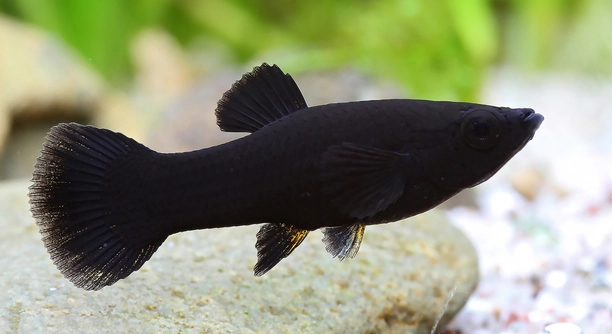
Black Mollies are small, peaceful fish that often attract attention in home aquariums. Watching them swim in groups can feel soothing, and their close movements create a sense of liveliness in any tank environment.
Black Mollies swim close to each other primarily for social and safety reasons. Staying together reduces stress, provides protection from perceived threats, and helps them communicate and coordinate feeding behaviors within their environment.
Observing their group dynamics can reveal patterns that affect their health and comfort in the aquarium setting.
Understanding Schooling Behavior
Black Mollies often move in tight groups, which is a natural instinct inherited from their wild counterparts. In the wild, staying close together helps them avoid predators. In aquariums, this behavior continues even without threats. Observing them, you can see how synchronized their movements are. Each fish seems aware of the others, adjusting speed and direction quickly. This coordination reduces stress and gives them a sense of safety. When they swim in groups, they also explore the tank together. Plants, rocks, or hiding spots become shared points of interest. This interaction helps them feel comfortable in a confined environment. Even when food is introduced, Black Mollies tend to feed together, showing that their social instincts strongly influence daily activities. It’s not just about safety; it’s also about maintaining balance within their small community. Watching them, I realized how much social behavior affects their health and activity level in the tank.
This schooling habit makes them feel secure and reduces stress significantly, keeping them active and healthy.
Their group swimming also influences tank dynamics. When a few fish move together, others often follow, maintaining harmony. The constant motion improves water circulation and ensures everyone gets food evenly. Observing this, I noticed quieter or less dominant fish become more confident. It creates a rhythm in the tank where each fish has a role, whether leading, following, or staying in the middle. Over time, the school can help prevent aggression and maintain peace. Lighting, plants, and tank size also affect how closely they swim. A well-arranged tank encourages natural patterns, whereas overcrowding or sparse decoration can disrupt these behaviors. Understanding these details helps create an environment that supports both their physical and mental well-being.
Environmental Factors Affecting Swimming
Water quality and temperature greatly influence how Black Mollies interact. Poor conditions make them less likely to school.
Temperature, pH levels, and tank size all contribute to group swimming. Mollies prefer warmer water around 24–28°C and a slightly alkaline pH. Overcrowded tanks or uneven temperatures can cause them to scatter or hide. Providing plants and hiding spaces encourages natural schooling and reduces stress. Adequate filtration and clean water ensure they stay active. Lighting also plays a role; dim or harsh light can affect their swimming patterns. A comfortable environment supports feeding behavior, social interaction, and overall health. Watching them adapt to their tank shows how closely their behavior reflects their environmental comfort. Understanding these factors allows you to create a stable setting where Black Mollies feel safe, active, and content. Proper care directly impacts their natural tendencies and strengthens their social bonds. Monitoring tank conditions consistently ensures they continue swimming together harmoniously.
Temperature, tank setup, and water quality shape their group swimming, influencing both safety instincts and social behaviors.
Social Interaction and Comfort
Black Mollies stay close to each other because it helps them feel safe and secure. Group swimming lowers stress and encourages natural behaviors, making the tank environment more balanced and calm for all the fish.
When Black Mollies swim together, they reinforce social bonds within the group. The constant presence of companions reduces anxiety, especially for shy or newly introduced fish. These interactions are essential for maintaining their overall well-being. Fish that are isolated or separated from the group often become stressed, eat less, and show slower movement. Observing their patterns, I noticed how the group dynamic affects each fish’s confidence and activity. Even in smaller tanks, maintaining at least three to four Mollies together creates a supportive and stable environment, encouraging healthy behavior and movement.
Close swimming also helps them communicate and coordinate actions. Subtle movements or position changes signal feeding opportunities, rest periods, or mild disturbances. Fish that pay attention to these cues adapt faster and respond appropriately. Their synchronized motion creates a rhythm in the tank, where each individual knows its place and role. This social cohesion prevents dominance issues, reduces conflicts, and ensures a smoother daily routine. Over time, watching these interactions made me appreciate how instinctive and organized their group behavior truly is.
Feeding and Safety Patterns
Swimming close together allows Black Mollies to feed more efficiently while remaining alert to danger. The group monitors surroundings and reacts faster than a single fish would alone.
During feeding, Mollies in a tight group can find food quickly and share access evenly. Dominant or faster fish cannot completely take over because the group presence discourages aggression. Additionally, staying together allows weaker or smaller fish to gain confidence and eat without stress. Feeding time also strengthens social bonds, as synchronized movement and positioning reduce competition. Observing my tank, I noticed how smaller fish often follow larger ones, learning where and when to feed. Safety is another key factor; group swimming provides early warning if something feels off in the environment. Stress levels drop when fish feel protected, which directly affects health. The combination of feeding and safety behaviors explains why Black Mollies rarely stray far from each other, maintaining a balanced and harmonious tank environment.
Breeding and Reproductive Behavior
Black Mollies often stay close to each other during breeding periods. Proximity allows males to display courtship behaviors while females feel more secure, reducing stress and promoting successful mating.
Group swimming also helps females avoid persistent attention from aggressive males. Staying near others creates a buffer, giving them space to move and choose partners without constant harassment.
Territorial Awareness
Even though Black Mollies are generally peaceful, swimming close together helps them maintain awareness of their surroundings. By staying in groups, they can monitor potential intruders and reduce conflicts. Proximity allows them to respond quickly to changes, keeping the tank environment stable.
Impact of Tank Size
Tank size influences how closely Black Mollies swim together. Smaller tanks naturally encourage tighter group swimming, while larger spaces give them freedom to spread out. Proper tank dimensions help balance social behavior with space for exercise, feeding, and hiding spots.
Adjusting to New Environments
When introduced to a new tank, Black Mollies stick together more tightly. The close group reduces stress and helps them adapt safely to unfamiliar surroundings.
Why do Black Mollies prefer to swim in groups?
Black Mollies are naturally social fish. Swimming together provides them with a sense of safety and comfort. In groups, they can watch out for each other, reducing stress and promoting calm behavior. Observing them, I noticed that individual fish are often more relaxed when surrounded by companions. Group swimming also helps them coordinate movements during feeding and reduces conflicts among tank mates. Even in small home tanks, keeping at least three to four Mollies together encourages natural social behavior and keeps the fish more active and healthy.
Will Black Mollies fight if kept together?
Generally, Black Mollies are peaceful, but mild skirmishes can occur, especially during breeding. Males may show aggression to compete for females, but these fights are usually short and do not cause serious harm. Maintaining a balanced male-to-female ratio helps minimize these encounters. Providing plants or hiding spots allows less dominant fish to escape and avoid stress. In my tank, I noticed that Mollies swimming in groups rarely engage in prolonged fights, as the group dynamic helps diffuse tension and encourages cooperative behavior.
How does tank size affect their swimming behavior?
Tank size plays a major role in how close Black Mollies swim together. Smaller tanks naturally encourage tighter schooling, while larger tanks give them space to explore. In a spacious tank, they still tend to form small groups for social comfort, but movements are less constrained. Observing my own setup, I found that Mollies in a medium-sized tank stay mostly in pairs or trios, while in a compact tank, they form a single cluster. Proper tank size balances social interaction with enough room for exercise and hiding areas, keeping fish healthy and stress-free.
Do Black Mollies need plants or decorations in the tank?
Yes, plants and decorations provide shelter and comfort for Black Mollies. They can hide when stressed, rest, or feel safe while swimming close to the group. Decorations also break lines of sight, which reduces territorial disputes. In my tank, adding plants encouraged more natural swimming patterns. Fish move in and around decorations, keeping the group dynamic while maintaining social bonds. Simple setups with a few plants, rocks, or caves work well and prevent overcrowding while supporting both safety and activity.
How often should Black Mollies be fed?
Black Mollies should be fed small portions 1–2 times a day. Feeding too much can harm water quality, while feeding too little can affect their health. In groups, they tend to eat together, so watching them feed ensures all fish get their share. I found that splitting food into two feedings helps prevent competition and stress among the group. Providing a mix of flakes, pellets, and occasional live or frozen food keeps them healthy and encourages natural feeding behaviors, which also reinforces their social interactions while swimming closely together.
What water conditions are ideal for Black Mollies?
Black Mollies thrive in slightly alkaline water with a pH between 7.5 and 8.5. Temperatures between 24–28°C support active swimming and healthy social behavior. Hard water is preferred, and consistent filtration maintains water quality. I noticed that when water conditions fluctuate, the fish become less active and tend to hide more, disrupting their group swimming habits. Stable conditions help them swim close together, feed regularly, and exhibit natural behaviors, creating a calmer and healthier aquarium environment.
Can Black Mollies live with other fish?
Yes, Black Mollies are generally compatible with peaceful fish. Avoid aggressive species that may stress them or interrupt schooling. In a community tank, they often swim with other calm species, maintaining their group cohesion. I introduced Mollies to a tank with tetras and guppies, and they adapted quickly. Group swimming continued while still interacting gently with other species. Ensuring similar water requirements and temperaments is important, as stress or competition can disrupt their close swimming patterns. Proper planning keeps both Black Mollies and tank mates safe and happy.
How do I introduce new Black Mollies to an existing group?
New fish should be quarantined first and then introduced slowly to reduce stress. Adding them in groups rather than singly helps them blend more easily into the existing school. I often float the new tank bag in the main tank for an hour to equalize temperature, then release the fish gently. Keeping plants and hiding spots nearby allows everyone to feel secure while the new Mollies integrate. The existing group often accepts newcomers gradually, and swimming together resumes naturally as they adjust to each other’s presence.
Do Black Mollies show signs of stress if separated?
Yes, isolated Mollies often become lethargic, hide more, and may stop eating. I noticed that when a single fish is removed from its group, it swims anxiously and tries to find companions. Stress can impact their immune system and overall health. Keeping at least three together minimizes these effects, allowing them to maintain normal swimming patterns and social behaviors. Separation can be particularly harmful during feeding or breeding, making group cohesion essential for their well-being.
How can I encourage natural group behavior?
Providing a comfortable tank with proper size, plants, and stable water conditions encourages group swimming. Feeding small portions regularly and maintaining a balanced male-to-female ratio supports social cohesion. In my experience, observing the group daily and adjusting tank setup when necessary keeps them active, stress-free, and closely connected, displaying their natural schooling instincts consistently.
This FAQ covers common concerns and observations, helping ensure Black Mollies thrive while maintaining their close, social swimming behavior.
Black Mollies are fascinating fish that show how much social behavior matters in their daily lives. Watching them swim closely together, it is easy to see that their instinct to form groups is strong and natural. This behavior is not just about moving in unison—it is about feeling safe, reducing stress, and maintaining a sense of balance in the tank. In my experience, keeping them in small groups of three or more makes a noticeable difference. Fish that are isolated or separated from others often seem anxious or less active, while those in a group appear confident and energetic. Even in a home aquarium without predators, this instinct remains, showing how deeply rooted it is in their nature. Their synchronized movements are a sign of comfort, communication, and social interaction. Each fish knows its place in the group, adjusting speed and position in subtle ways to maintain cohesion. Over time, I found that this natural behavior makes the tank environment feel calmer and more stable, not just for the Mollies but also for other compatible fish in the same space.
Providing the right environment is key to supporting these behaviors. Water conditions, tank size, temperature, and decorations all influence how Black Mollies interact and swim together. In a well-maintained tank, they display their natural schooling instincts without stress. Plants, hiding spots, and gentle filtration help create a space where they feel safe to move freely. Observing my own tank, I noticed how adding simple decorations encouraged the fish to explore while still staying close to one another. Feeding routines also play a role. When food is introduced, the group often feeds together, with smaller or less dominant fish learning to find their share without conflict. This shows that their social behavior influences more than just movement—it affects feeding, rest, and overall health. Understanding these needs and maintaining proper care allows them to thrive and express their natural tendencies fully. It also highlights the importance of keeping multiple Mollies together rather than a single fish alone, which can cause unnecessary stress and limit natural behaviors.
Finally, understanding why Black Mollies swim close together helps create a more harmonious and healthy aquarium. Their schooling behavior reflects instincts developed in the wild, but it remains important even in home tanks. Observing these fish closely, it becomes clear how group dynamics affect every aspect of their lives, from comfort and safety to feeding and social interaction. Providing the right environment and proper care not only supports these behaviors but also enhances the enjoyment of keeping them as pets. Over time, watching the synchronized movements and gentle interactions of a group of Black Mollies can be surprisingly rewarding. Their patterns show a mix of instinct, intelligence, and social awareness that brings life and balance to any tank. By respecting their natural tendencies and creating conditions that support them, owners can ensure Black Mollies remain active, healthy, and stress-free. Proper care allows them to continue displaying the group behaviors that are so essential to their well-being, making a tank with multiple Mollies both lively and peaceful.

Hello,
If you enjoy the content that we create, please consider saying a "Thank You!" by leaving a tip.
Every little bit helps us continue crafting quality advice that supports the health, happiness, and well-being of pets around the world, for pets of all shapes, sizes, and species.
We really appreciate the kindness and support that you show us!