
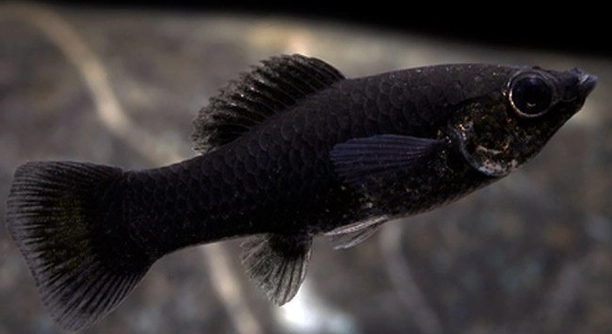
Black molly fry are tiny and delicate, requiring careful care in their first weeks of life. Feeding them properly is important, but there are times when skipping a meal benefits their health and growth.
There are specific situations when black molly fry should not be fed, including water quality issues, illness, overfeeding, or rapid growth phases. Skipping feedings during these times prevents stress, maintains water stability, and promotes healthy development.
Knowing when to hold back on feeding can protect your fry and ensure a stronger start. Understanding these moments helps you create a safer environment for them to thrive.
When the Water Quality is Poor
Poor water quality can stress black molly fry and make feeding risky. High levels of ammonia or nitrites, low oxygen, or sudden pH changes can harm their delicate systems. In these conditions, food can quickly decompose, worsening water conditions and causing illness. Even if fry seem hungry, skipping a feeding helps reduce the buildup of waste and prevents further stress. Regular water tests and partial changes are essential before reintroducing food. Monitoring temperature and maintaining a clean tank will improve survival rates. Fry are sensitive to fluctuations that adult fish can tolerate, so even small imbalances can be dangerous. By pausing feeding during poor water conditions, you are allowing the tank environment to stabilize, giving fry a better chance at healthy growth. Patience is key; feeding at the wrong time can undo careful maintenance and harm tiny fry before they have a chance to thrive.
Feeding during bad water conditions often causes more harm than good. Avoid adding food until water is stable and safe.
Taking a break from feeding is not neglect. Instead, it is a protective measure. Fry will recover faster in a stable environment, and you can resume feeding once water parameters are safe. Overfeeding during stress can lead to disease outbreaks or stunted growth. By focusing on water quality first, fry have a better chance of reaching maturity without complications, ensuring a stronger, healthier population in the long term.
When Fry Appear Sick
Illness can make fry too weak to handle food properly. Offering food during sickness can increase stress and worsen their condition.
If fry show lethargy, unusual swimming patterns, or spots on their bodies, skip feedings. Reducing stress and maintaining clean water helps them recover more efficiently.
Feeding sick fry can create additional waste in the tank, encouraging bacterial growth or further infections. It is better to focus on treating the illness and keeping the environment clean. Temporary fasting supports their immune system, allowing energy to be directed toward recovery rather than digestion. Once fry regain normal activity and show interest in food again, reintroduce small amounts slowly. Observing their response ensures you do not overwhelm their weakened systems. Proper care during sickness greatly improves survival and long-term health for black molly fry.
After a Water Change
Fry are sensitive after water changes, even minor ones. Sudden shifts in temperature, pH, or hardness can stress them. Skipping feedings for a short time helps them adjust safely and reduces the risk of shock or digestive problems.
Immediately feeding after a water change can overwhelm fry. Even small amounts of food can decay quickly in the altered water, affecting quality. Holding off allows the tank to stabilize and gives fry time to acclimate. This practice minimizes stress and protects their delicate systems. Observing fry behavior after a change ensures they are ready to eat when the environment is safe.
Skipping feeding post-water change also helps prevent unnecessary buildup of waste, which can spike ammonia or nitrite levels. Fry have fragile immune systems, and keeping water stable is more important than feeding at that moment. Once the water settles and fry appear active, you can gradually resume feeding small portions.
When Overcrowding Occurs
High fry density increases competition for food and oxygen. Feeding in overcrowded conditions can worsen water quality and stress fry, so skipping meals is sometimes necessary to maintain a safer environment.
Overcrowding leads to faster waste accumulation and low oxygen levels, both of which can harm fry. Skipping feedings temporarily helps reduce decay and keeps water parameters safer. Regular monitoring, partial water changes, and moving excess fry to another tank can ease pressure. Allowing fry time without food also teaches them to forage naturally and prevents overfeeding, which could otherwise weaken the entire group.
Pausing feeding during overcrowding protects fry health and keeps the tank balanced. Excess food can cause spikes in ammonia and nitrites, increasing mortality risk. By waiting, you control water quality and give fry space to grow. Gradually reintroducing food in small portions ensures all fry get adequate nutrition without overwhelming the tank. Overcrowding management combined with careful feeding greatly improves survival rates and long-term growth.
During Rapid Growth Phases
Fry may experience rapid growth, which can strain their digestive systems. Skipping a feeding occasionally prevents overloading their small stomachs and allows proper nutrient absorption. This practice supports healthy development without causing digestive stress.
Providing too much food during these phases can lead to bloating or poor digestion. Small, controlled meals or brief fasting periods help fry grow steadily and avoid health issues.
When Introducing New Fry
New fry may need time to acclimate to the tank environment. Feeding immediately can stress them or disrupt existing water conditions. Waiting allows them to adjust to temperature, pH, and filtration before food is introduced. This approach reduces mortality risk and stabilizes the tank.
When Using Medications
Feeding fry during treatment can interfere with medication effectiveness. Some medicines react with food, reducing potency or causing harmful chemical reactions in water. Temporarily skipping feedings ensures medications work properly and promotes recovery without additional stress to the fry.
During Nighttime
Fry are less active at night, and food is not efficiently consumed. Feeding after dark can pollute water and cause oxygen depletion. Skipping nighttime feedings keeps the tank clean and maintains water quality for healthier fry development.
FAQ
How long can black molly fry go without food?
Black molly fry can safely go a day or two without food under normal conditions. Short fasting periods are not harmful and sometimes beneficial, especially during water changes, illness, or after medications. Longer periods should be avoided unless necessary and monitored closely.
What signs show fry are stressed from feeding?
Fry under stress may swim erratically, hide, or appear lethargic. Uneaten food quickly clouds the water, which can further stress fry. Overfeeding can cause bloating, poor growth, and higher mortality. Observing their behavior and water clarity helps determine if feeding should be skipped.
Can skipping feedings stunt growth?
Temporary fasting does not stunt growth if fry are healthy and food is reintroduced properly. Skipping meals during stress or poor water conditions actually supports growth by preventing illness or digestive problems that can slow development. Controlled feeding ensures proper nutrition without overburdening the fry.
Is it okay to feed small amounts every few hours?
Frequent, tiny feedings can mimic natural grazing but only if water quality is excellent. In crowded or unstable tanks, small frequent meals can degrade water rapidly. It’s often better to feed once or twice daily and skip feedings when conditions require, maintaining a balance between nutrition and water stability.
How do I know if fry need food after skipping a meal?
Active, swimming fry with alert movements typically indicate readiness to eat. Start with tiny portions and observe consumption. If they eagerly consume the food, gradually return to normal feeding. Fry that remain inactive may still need more recovery time before reintroducing food.
Can skipping feedings help prevent disease?
Yes, avoiding food during illness, overcrowding, or poor water conditions reduces waste buildup, lowering the risk of bacterial or fungal infections. Short fasting periods allow fry to focus energy on immune response and recovery, rather than digestion, which can help them overcome mild illnesses.
Should I fast fry during water treatment?
Feeding fry while treating the tank can interfere with medications and affect their efficacy. Temporarily stopping food ensures that the medicine works effectively and prevents chemical reactions between food particles and treatment chemicals, which could stress fry further.
Is it harmful to skip feedings for adult black mollies?
Adult mollies tolerate fasting better than fry, but frequent or prolonged skips may affect reproduction and overall health. For fry, short periods of fasting are safer and more protective, but adults require more consistent nutrition for long-term vitality and breeding.
How do I safely reintroduce food after a skipped feeding?
Offer small portions first and watch fry closely. Gradually increase quantity over a few feedings while monitoring water quality and fry behavior. This prevents digestive stress and ensures all fry can eat without contaminating the tank or overwhelming filtration.
What types of food are safest after fasting?
High-quality liquid fry food, powdered flakes, or finely crushed pellets are easiest for fry to digest after fasting. Avoid large or dense food that may sink quickly or pollute water. Balanced nutrition supports recovery while keeping water clean and fry healthy.
Can skipping feedings teach fry to forage naturally?
Occasional fasting encourages fry to explore the tank for leftover biofilm, microorganisms, or tiny particles, mimicking natural behavior. This supports independent feeding skills, reduces dependency on human-provided food, and fosters stronger, more resilient fry over time.
How often should I skip feedings as a routine?
Fasting should be occasional, mainly when water quality, health, or environmental changes warrant it. Regularly skipping meals without reason can limit growth, while mindful fasting supports survival during challenging conditions and encourages balanced nutrition without stressing fry.
Does skipping feedings reduce water contamination?
Yes, avoiding food during stress, illness, or after large water changes prevents leftover food from decomposing. Reduced decomposition keeps ammonia and nitrite levels lower, maintains oxygen balance, and stabilizes pH, creating a safer environment for delicate fry.
Are there risks to skipping feedings too often?
Excessive fasting can slow growth, weaken fry, or reduce energy for swimming and immune function. Skipping meals only when necessary, paired with careful observation, ensures fry remain healthy while avoiding unnecessary water contamination or digestive issues.
How do I balance feeding and water quality?
Feed small portions according to tank conditions and fry density. Pause feedings during poor water quality, overcrowding, or post-treatment periods. Monitor behavior, water clarity, and ammonia levels to maintain both nutrition and environmental stability, keeping fry healthy and growing steadily.
Can skipping feedings prevent overpopulation issues?
Indirectly, yes. Overcrowded tanks often lead to rapid waste buildup and competition for food. Skipping or controlling feedings temporarily reduces excess food, improves water quality, and lowers stress, giving fry a better chance to survive until they can be separated or moved to another tank.
What is the safest duration for skipping feedings?
For healthy fry in stable conditions, 24 to 48 hours is usually safe. Longer fasts should only occur under careful monitoring and specific circumstances like illness or water treatment. Observing activity, growth, and water quality ensures fry remain unharmed during fasting periods.
Does skipping feedings affect behavior?
Short-term fasting may make fry more active in foraging and exploring the tank. It can improve feeding efficiency once food is reintroduced. However, prolonged fasting can lead to lethargy, slow swimming, or reduced response to environmental cues, signaling that feeding should resume.
How do I prevent accidental overfeeding after a skipped meal?
Offer tiny portions first and observe consumption carefully. Gradually increase amounts while monitoring tank cleanliness and fry behavior. Avoid dumping large quantities, which can lead to water quality issues or digestive stress, undermining the benefits of the fasting period.
Can skipping feedings improve survival rates in a new tank?
Yes, new tanks often have unstable parameters. Skipping feedings for the first day or two allows fry to acclimate without stressing water conditions. Stabilized water, combined with gradual feeding, reduces mortality and supports healthy adaptation in their new environment.
What precautions should I take when skipping feedings?
Monitor water quality closely, observe fry behavior, and limit the duration to necessary periods. Ensure the tank environment remains clean and stress-free. Gradually reintroduce food afterward to avoid digestive issues. Careful planning ensures that fasting supports health rather than causing harm.
How can I tell if skipping feedings is helping?
Fry appear active, swim normally, and maintain color and energy levels. Water remains clear, and ammonia or nitrite levels stay low. Healthy recovery after illness, treatment, or stress indicates that temporary fasting was beneficial for overall growth and survival.
Does skipping feedings affect fry appetite later?
Short fasting periods do not reduce appetite permanently. Fry usually resume normal feeding once conditions improve. Occasional fasting can even increase interest in food and encourage more effective foraging and feeding behavior without harming growth.
Are there alternatives to skipping feedings entirely?
Yes, feeding very small portions or using liquid fry food that disperses slowly can reduce water contamination while providing nutrition. This approach balances food intake with tank stability when skipping feedings completely is not ideal.
Can skipping feedings help during temperature fluctuations?
Yes, fry under temperature stress digest food poorly. Fasting allows their metabolism to adjust without burdening them with digestion, preventing bloating or illness, and giving them time to acclimate safely to the new temperature conditions.
How important is observation during fasting?
Observation is critical. Watch for activity level, swimming patterns, and signs of illness. Healthy fry will remain alert and active, while issues indicate the fasting period needs adjustment or other interventions. Regular checks ensure fasting supports growth, survival, and well-being.
What is the overall benefit of skipping feedings?
Strategic skipping of feedings protects fry during stress, illness, water changes, overcrowding, or treatment. It improves survival rates, reduces waste, and maintains water quality. Properly timed fasting supports growth, immunity, and long-term health while ensuring fry remain strong and active in their environment.
Taking care of black molly fry requires patience and attention, especially when it comes to feeding. These tiny fish are delicate, and even small changes in their environment can affect their health. Skipping feedings at certain times is not neglect; it is a tool to protect them. Avoiding food during periods of stress, illness, or unstable water helps prevent digestive problems and reduces the risk of disease. Fry grow best when their tank is clean and stable, so short fasting periods can actually support their development rather than hinder it. Observing their behavior and water quality closely allows you to make informed decisions about when to feed and when to pause.
It is important to remember that black molly fry are different from adult fish. Their small size and developing immune systems make them more vulnerable to changes in water quality, overcrowding, and sudden environmental shifts. Feeding them constantly without considering these factors can lead to bloating, poor growth, or even death. Controlled feeding and occasional fasting give fry time to adjust, recover, and use energy for growth instead of digestion. Even after a skipped feeding, fry can quickly return to normal feeding patterns when the environment is right. By balancing nutrition with environmental stability, you give them the best chance to grow into healthy adult fish.
Skipping feedings also teaches an important lesson about tank management. It reminds us that maintaining water quality and monitoring the health of fry is just as important as providing food. Overfeeding can create more problems than it solves, while short breaks in feeding help stabilize the tank and protect the fry. Learning to recognize signs of stress, illness, or overcrowding ensures that decisions about feeding are thoughtful rather than automatic. By applying these principles, caring for black molly fry becomes more predictable and less risky. Consistent observation, careful planning, and patience lead to healthier fry and a thriving tank. This approach makes the difference between high mortality and strong, active fry that grow steadily in a balanced environment.

Hello,
If you enjoy the content that we create, please consider saying a "Thank You!" by leaving a tip.
Every little bit helps us continue crafting quality advice that supports the health, happiness, and well-being of pets around the world, for pets of all shapes, sizes, and species.
We really appreciate the kindness and support that you show us!