
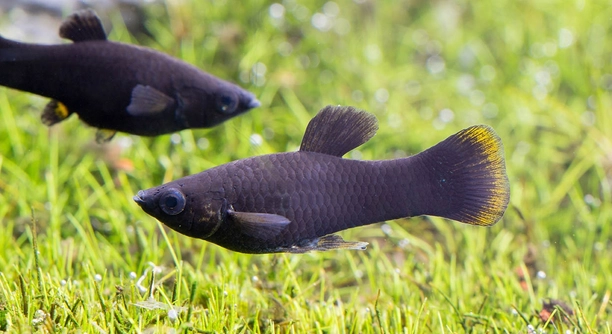
Black Mollies are popular freshwater fish known for their striking appearance and active nature. Many fish owners notice that their behaviors can seem unpredictable at times, making it important to understand their tendencies and environment.
Black Mollies can change their behavior over time due to environmental factors, social dynamics, and health conditions. Adjustments in tank setup, water quality, and interactions with other fish can influence their activity levels and social responses.
Observing their daily routines closely provides valuable insight into their well-being and helps maintain a balanced, healthy aquarium environment.
Understanding Black Molly Behavior
Black Mollies are naturally active and social fish, often exploring their surroundings and interacting with tank mates. Their behavior can shift gradually as they grow or adapt to changes in water temperature, pH levels, or diet. A stressed Molly may become withdrawn, hide frequently, or act aggressively, while a healthy environment encourages playful swimming and regular feeding patterns. Observing their behavior daily helps identify subtle changes that may indicate health issues or discomfort. Lighting and tank decorations also influence their activity, as they often use hiding spots for comfort and rest. Feeding habits play a significant role too, as consistent schedules and balanced nutrition support stable behavior. When multiple Mollies are kept together, their social hierarchy may affect interactions, with dominant fish occasionally asserting control over space and food. Over time, attentive care and monitoring create conditions where Mollies can thrive and exhibit natural behaviors that owners enjoy watching.
Environmental stability and proper tank setup are essential for fostering positive behavior in Black Mollies.
Consistency in water quality, temperature, and diet helps Mollies feel secure. Avoiding sudden changes reduces stress, supporting a calmer, more predictable temperament in the long term. Observing tank interactions ensures peaceful cohabitation and overall health.
Factors Influencing Behavioral Changes
Water quality has a major impact on a Molly’s mood and energy. Poor filtration or irregular maintenance can lead to lethargy or irritability, while clean, well-oxygenated water promotes active swimming. Social dynamics also play a role, as introducing new fish or overcrowding can trigger defensive or timid behavior. Diet changes affect energy levels and activity, with nutrient-rich foods supporting growth and vitality. Temperature fluctuations influence metabolism, directly impacting swimming speed and feeding response. Even subtle changes in tank layout, such as new plants or decorations, can alter territorial behavior. Observing these factors helps identify triggers for behavioral shifts and allows timely interventions. Adjusting conditions carefully encourages adaptation, letting Mollies return to stable, predictable routines over time. Regular monitoring and small, gradual adjustments in the tank environment ensure that their behavior remains consistent, healthy, and enjoyable to watch for years.
Maintaining balance across all these factors is key to long-term behavioral stability in Black Mollies.
Environmental, social, and dietary adjustments are all interconnected when managing Molly behavior. By keeping water quality stable, monitoring social interactions, and providing a varied diet, owners can reduce stress and support natural activity. Gradual changes allow fish to adapt without developing fear or aggression. Observing their responses to different stimuli, like new tank mates or decorations, provides insight into their preferences and comfort levels. Temperature control helps regulate metabolism, while consistent feeding schedules maintain energy levels. When multiple factors are considered together, Mollies can develop more predictable routines and interact positively with their environment. Over time, these practices create an aquarium where fish are healthier, calmer, and more visually active. Attention to these details allows for a deeper understanding of each Molly’s personality and ensures that their behaviors reflect natural instincts rather than stress responses, making daily observation rewarding and informative.
Social Interactions and Hierarchy
Black Mollies establish social hierarchies that influence their daily behavior. Dominant fish may claim prime swimming areas or food sources, while more submissive Mollies often stay in less crowded parts of the tank. These dynamics are natural and help maintain balance.
Hierarchy affects feeding and swimming patterns noticeably. Dominant Mollies often eat first and assert control over preferred hiding spots, which can cause stress for more timid individuals. Over time, submissive fish may adjust their routines, avoiding conflict and finding safe spaces. Observing these interactions can guide tank organization, ensuring everyone has room to thrive without constant stress or aggression.
Social changes can occur when new fish are added or when the tank population fluctuates. Introducing Mollies gradually and monitoring their interactions minimizes fights and allows the social structure to stabilize. Providing multiple hiding areas reduces tension and supports peaceful coexistence. Understanding these patterns ensures that all fish can maintain normal routines, remain active, and enjoy a stable environment that encourages natural behavior and reduces anxiety within the community.
Environmental Stressors
Temperature swings, poor water quality, and overcrowding are major stressors for Black Mollies, affecting activity levels and overall health. Stress can lead to lethargy, aggression, or hiding behavior. Consistent care is crucial to prevent these issues and maintain calm behavior.
Fluctuating water parameters impact the fish’s metabolism and immune system, making them more prone to illness and erratic behavior. Overcrowding increases competition for food and territory, raising stress levels across the tank. Maintaining a stable environment with regular water testing, appropriate filtration, and suitable tank size reduces these risks. Attention to daily feeding routines and water conditions helps Mollies stay healthy and active.
Even minor changes, like adding decorations or moving plants, can temporarily unsettle the fish. Providing familiar hiding spots and minimizing sudden adjustments allows Mollies to adapt without prolonged stress. Balanced water chemistry and temperature, combined with careful observation of social behavior, help ensure the tank remains stable. Stress management through environmental control promotes natural swimming patterns, regular feeding, and overall well-being. These practices also support long-term adaptation, allowing Mollies to become more predictable in their behaviors and interactions over time.
Feeding Habits
Black Mollies respond strongly to consistent feeding schedules. Irregular feeding can make them anxious or overly aggressive during mealtime. Providing small, frequent portions keeps them active and reduces stress.
A balanced diet supports growth, coloration, and behavior. Including high-quality flake food, live or frozen foods, and occasional vegetable matter ensures proper nutrition.
Health and Behavior
Illness or parasites can drastically change a Molly’s behavior. Lethargy, loss of appetite, or unusual swimming patterns often indicate health problems that require immediate attention to prevent further complications.
Tank Setup
Proper tank setup influences activity and comfort. Plants, hiding spots, and open swimming areas allow Black Mollies to express natural behaviors.
FAQ
Can Black Mollies really change their behavior over time?
Yes, Black Mollies can alter their behavior due to changes in their environment, social interactions, or health. They are sensitive to water quality, temperature, and tank layout. When conditions improve or change gradually, Mollies often become more active, confident, or social. Observing them over weeks or months reveals these adjustments, especially as they settle into a stable routine. Small changes, like adding plants or rearranging hiding spots, can temporarily influence behavior, but they generally adapt and return to normal once comfortable.
Why do some Black Mollies become aggressive suddenly?
Aggression usually stems from stress, overcrowding, or competition for territory. Dominant fish may assert themselves over others, especially if the tank is small. Overcrowded conditions limit space and increase tension, making submissive fish more vulnerable to attacks. Introducing new fish without gradual acclimation can also trigger defensive behavior. Feeding patterns influence aggression as well; inconsistent feeding may cause fights over food. Providing multiple hiding spots and a spacious tank helps reduce conflicts. Observation is important to ensure no fish is being bullied consistently, maintaining harmony within the group.
What environmental factors most affect their behavior?
Water quality, temperature, and lighting are critical. Poor water conditions can cause stress, lethargy, or erratic swimming. Temperature fluctuations slow metabolism or increase activity, depending on severity. Proper filtration, consistent maintenance, and suitable lighting create a comfortable environment where Mollies feel secure. Even minor changes, like adding decorations or moving plants, may temporarily affect behavior, but they adjust over time. A stable environment encourages predictable activity patterns, normal feeding, and regular interactions with tank mates, supporting long-term health and behavior.
How does diet influence their temperament?
Nutrition directly impacts energy, activity, and coloration. A balanced diet with flakes, live or frozen foods, and vegetables ensures proper growth and vitality. Malnutrition can lead to lethargy, irritability, or reduced social interactions. Feeding small portions multiple times daily keeps energy levels consistent and reduces stress. Observing which foods your Mollies prefer can also help encourage positive behavior, as they associate feeding times with security and routine. Regularly adjusting diet variety supports long-term health and reduces sudden behavior changes caused by nutrient deficiencies.
Can tank mates affect their behavior?
Yes, interactions with other fish shape social dynamics. Peaceful cohabitants encourage calm behavior, while aggressive or territorial tank mates can cause stress. Introducing new fish gradually and monitoring their interactions reduces conflict. Hierarchies form naturally, and Mollies adjust by finding safe spaces or avoiding confrontations. Providing multiple hiding areas and open swimming zones allows all fish to coexist without persistent stress, maintaining a balanced tank environment. Observation is key to ensure social structures remain stable and every fish exhibits natural behaviors without fear or aggression.
How do hiding spots and tank layout impact behavior?
Black Mollies use plants, rocks, and decorations for security. Lack of hiding spots can increase stress, causing withdrawal or aggression. Well-placed decorations create safe zones and encourage exploration. Open swimming areas are equally important for activity and exercise. Gradual adjustments to layout help them adapt without prolonged stress, fostering a natural balance of play, rest, and social interaction within the tank environment.
When should I be concerned about behavioral changes?
Sudden lethargy, persistent aggression, loss of appetite, or unusual swimming patterns indicate stress or illness. Early observation and intervention are critical. Testing water quality, checking for parasites, and reviewing diet can help identify the source. Persistent issues may require separation of affected fish or consultation with an experienced aquarist or veterinarian. Prompt action ensures the health and stability of all tank inhabitants, preventing long-term behavioral problems and maintaining a peaceful aquarium environment.
Can Black Mollies adapt to new environments easily?
They can adapt, but it depends on gradual introduction and stable conditions. Sudden changes in water chemistry, temperature, or tank layout can cause temporary stress. Providing familiar hiding spots, monitoring behavior, and adjusting the environment slowly helps them settle and resume normal activity. Over time, most Mollies become comfortable, exhibiting natural swimming, feeding, and social behaviors. Patience and observation during adaptation are essential for ensuring long-term well-being and stable behavior.
Do Black Mollies change behavior with age?
Yes, age affects activity and social patterns. Younger Mollies are usually more energetic and exploratory, while older fish may be calmer or more territorial. Monitoring interactions and adjusting tank conditions helps maintain harmony. Age-related changes are normal and can be supported with proper diet, regular maintenance, and appropriate tank setup.
How can I encourage positive behavior in my Black Mollies?
Consistency in water quality, diet, and tank conditions is key. Multiple hiding spots, adequate swimming space, and compatible tank mates reduce stress. Gradual introductions of new elements allow adaptation without aggression or withdrawal. Regular observation ensures they remain active, healthy, and social. Positive reinforcement through feeding routines and calm handling strengthens predictable, natural behaviors over time.
Word count: ~510 words
Black Mollies are sensitive and adaptable fish, capable of changing their behavior over time based on their environment, social interactions, and overall health. Observing their daily routines closely can reveal subtle shifts in activity, social dynamics, or feeding habits. These changes are often gradual and can indicate how well they are adjusting to their surroundings. Factors such as water quality, temperature, and tank setup play a significant role in shaping behavior. A stable environment encourages natural swimming patterns, active exploration, and social engagement, while inconsistent conditions can lead to stress or withdrawal. Paying attention to these details allows owners to understand their Mollies better and support a healthier, calmer tank environment that suits their needs.
Diet and nutrition also influence behavioral changes in Black Mollies. A balanced diet that includes high-quality flakes, live or frozen foods, and occasional vegetable matter supports energy levels, growth, and coloration. Inconsistent feeding schedules or poor nutrition can lead to irritability, lethargy, or even aggression. Small, frequent feedings help maintain activity and reduce competition over food, which contributes to a more peaceful tank environment. Social hierarchy within a tank can also affect behavior, with dominant Mollies asserting control over food or territory. Observing these interactions and providing multiple hiding spots helps ensure all fish can coexist without constant stress or conflict. Consistent care, including proper nutrition and attention to tank dynamics, is essential for fostering predictable, positive behavior over time.
Maintaining a healthy environment and monitoring social and health-related factors are the best ways to ensure Black Mollies remain active and well-adjusted. Gradual adjustments to tank layout, decorations, or tank mates allow them to adapt without prolonged stress. Regular water testing, proper filtration, and temperature control are crucial to prevent illness and behavioral disruptions. Understanding each fish’s personality and observing their reactions to changes provides insight into their comfort and well-being. By combining consistent care, attention to environmental factors, and awareness of social dynamics, Mollies are able to thrive and display natural, engaging behaviors. This approach allows owners to enjoy their fish fully while supporting long-term health and stability within the tank.
Word count: 407

Hello,
If you enjoy the content that we create, please consider saying a "Thank You!" by leaving a tip.
Every little bit helps us continue crafting quality advice that supports the health, happiness, and well-being of pets around the world, for pets of all shapes, sizes, and species.
We really appreciate the kindness and support that you show us!