
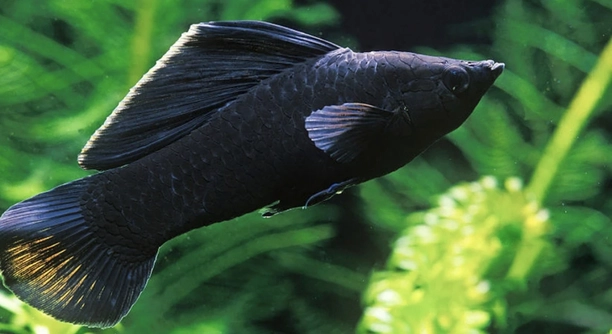
Black Mollies are popular aquarium fish admired for their sleek appearance and gentle behavior. They are often seen swimming gracefully, yet sometimes they retreat behind objects or hide from view. Their behavior is natural and common among many fish species.
Black Mollies hide behind the filter primarily due to stress, water conditions, or social dynamics within the tank. Inconsistent temperatures, strong currents, or the presence of more aggressive tank mates can trigger this hiding behavior as a protective response.
Observing these patterns closely can help you create a calmer and healthier environment for your fish to feel safe and confident.
Why Black Mollies Prefer Hiding
Black Mollies often hide behind the filter when they feel uncertain or stressed. In many cases, the aquarium’s water conditions play a big role. Temperature fluctuations or strong currents can make them feel unsafe. Even small changes, like adding new decorations or plants, can influence their behavior. Social dynamics are also important. More dominant or aggressive tank mates can push Mollies to retreat and find a safe spot. Hiding is their way of avoiding confrontation and reducing stress. Observing their behavior over time helps you understand their patterns. It is important to maintain stable water parameters and create quiet areas in the tank. Providing gentle filtration and hiding spots can make a significant difference. Feeding routines also impact their comfort level, as Mollies prefer calm periods for eating. Attention to these details ensures they remain active and healthy, reducing constant hiding.
Stress and water changes are key reasons Mollies hide. Consistent conditions help them feel secure and display normal behavior.
Regular observation and small adjustments in tank setup can improve their comfort. Hiding decreases when they feel protected and stable in their environment.
Improving Tank Conditions
Ensuring proper water quality is critical for Black Mollies. Filtration should be gentle, and water temperature kept consistent between 24-28°C. Frequent water tests help monitor ammonia, nitrate, and pH levels. Clean water reduces stress, making Mollies more confident in exploring the tank. Adding plants and decorations provides natural hiding spots, which Mollies use to feel safe. Balancing tank mates is equally important. Aggressive species should be avoided, while calmer fish reduce tension in the tank. Feeding should be done in quiet moments, minimizing competition. Observing fish regularly allows early detection of stress signs, like excessive hiding or loss of appetite. Small improvements often make a noticeable difference, encouraging more natural swimming behavior. Consistency, patience, and careful observation create a stable environment where Black Mollies thrive.
Temperature stability and calm surroundings are essential. Gentle filtration and safe spaces support healthier, less stressed fish.
By controlling water conditions, adding shelters, and choosing compatible tank mates, you can greatly reduce hiding behavior. Regular observation ensures Mollies remain active and comfortable, fostering a balanced, peaceful aquarium environment.
Social Behavior and Hiding
Black Mollies are social fish, but they can feel threatened by more dominant tank mates. Hiding allows them to avoid conflict and regain confidence. They often retreat to corners or behind filters when other fish display aggression or chase them.
Observing how Mollies interact with other fish is important. Incompatible tank mates can increase stress and cause frequent hiding. Peaceful species or similar-sized Mollies help maintain harmony. Overcrowding should be avoided, as it limits swimming space and increases tension. Providing multiple hiding spots ensures shy fish have safe areas, reducing constant stress. Feeding routines also influence social comfort, as Mollies prefer calm times without competition. Adjusting tank dynamics gradually encourages more natural, confident behavior.
Shy Mollies gradually become more active when the tank feels safe. They may swim more openly after observing other fish behave calmly. Offering safe spaces and monitoring interactions supports balanced social behavior and reduces hiding over time.
Environmental Enrichment
Adding plants, rocks, and decorations creates areas for Black Mollies to explore and hide. This reduces stress and encourages natural behavior in the tank. A varied environment helps keep them active and confident, preventing boredom and retreating behind the filter.
Enrichment should be carefully planned. Live plants provide both cover and oxygen, while rocks or artificial caves create secure spots. Open swimming areas are also necessary for activity. Gradually introducing new objects prevents sudden stress, allowing Mollies to adjust comfortably. Balanced enrichment stimulates their curiosity without overwhelming them. Rotating decorations occasionally maintains interest, while keeping essential hiding spots stable. Filtration flow should not disturb these areas, ensuring peaceful retreats. Feeding near open spaces encourages exploration while maintaining security. Thoughtful design helps Black Mollies feel safe, active, and engaged in their environment.
Feeding and Hiding
Black Mollies may hide when food is introduced if they feel threatened or unsure. Feeding in calmer moments helps them feel safer. Observing their eating habits can reveal patterns of stress and comfort in the tank.
Providing food in multiple spots reduces competition. Shy Mollies gain confidence when they can eat without being chased. Consistent feeding routines encourage them to leave hiding spots more often.
Adjusting Water Flow
Strong currents can make Black Mollies retreat behind filters or decorations. Reducing flow or adding gentle areas allows them to swim freely without feeling pressured or stressed. Careful adjustment creates a more comfortable environment.
Light and Hiding
Bright lights may cause Mollies to hide. Adjusting lighting gradually or providing shaded areas can reduce stress and improve visibility for observing their behavior.
FAQ
Why does my Black Molly hide behind the filter so often?
Black Mollies hide behind the filter mainly due to stress or feeling unsafe. Strong currents, sudden water changes, or aggressive tank mates can make them retreat. Hiding is a natural behavior to avoid conflict or environmental discomfort. Providing calm areas and gentle water flow encourages them to swim more freely.
How can I make my Black Molly feel safer?
Adding plants, rocks, or decorations gives them secure spots to rest. Gentle filtration and consistent water conditions reduce stress. Avoid overcrowding and aggressive fish. Observing their behavior regularly helps identify stress triggers. Multiple hiding places give shy Mollies confidence to explore gradually.
Does hiding mean my Molly is sick?
Not always. Hiding can be normal, especially for shy fish. However, if hiding is accompanied by loss of appetite, clamped fins, or unusual swimming, it may indicate illness. Check water quality, temperature, and other tank conditions to rule out health issues.
Can I train my Molly to come out of hiding?
Yes. Consistent feeding routines and a calm environment encourage Mollies to leave hiding spots. Using multiple feeding areas reduces competition. Gradually reducing stressors, like strong currents or aggressive fish, helps them gain confidence. Over time, they will explore more actively.
Does the filter itself stress my Molly?
Filters can create strong currents that some Mollies avoid. Using a gentle flow or adding decorations around the filter reduces the direct force of water. This creates calmer areas where they can swim or rest comfortably without retreating constantly.
How important are hiding spots?
Hiding spots are crucial for Black Mollies’ comfort and stress management. Plants, caves, and decorations allow them to retreat when needed. Without secure areas, shy Mollies may stay in one spot, affecting feeding and overall health. Balanced tank design supports natural behavior and confidence.
Should I worry if my Molly only hides at certain times?
No. Mollies may hide during feeding, bright lighting, or when other fish are active. Observing patterns helps determine if behavior is situational or stress-related. Minor hiding is normal, and ensuring calm conditions encourages them to come out more often.
Do all Black Mollies hide the same way?
No. Individual personalities vary. Some are naturally bolder, swimming openly, while others prefer hiding. Age, size, and tank environment also influence behavior. Recognizing each fish’s tendencies helps tailor tank setup and reduce unnecessary stress.
Can changing tank mates stop hiding?
Yes. Aggressive or overly active fish can increase hiding behavior. Choosing calm, compatible species reduces tension and encourages Mollies to swim more freely. Observing interactions over time helps identify if tank mates are contributing to stress.
Is water quality really that important for hiding behavior?
Absolutely. Poor water quality, temperature fluctuations, or high ammonia levels cause stress and increase hiding. Regular water tests, partial changes, and stable temperatures keep Mollies healthy and more confident in the tank environment.
How long does it take for a Molly to feel comfortable?
It depends on the fish and tank conditions. Shy Mollies may take days to weeks to explore freely after moving or changes in environment. Consistency in feeding, water quality, and calm surroundings speeds up adjustment. Patience and observation are key.
Can I use tank decorations to reduce hiding?
Yes. Plants, rocks, and caves provide both shelter and exploration opportunities. Arrange them to create open swimming areas and safe retreats. Balanced design reduces stress while keeping the environment engaging for the Mollies.
What role does light play in hiding?
Bright lighting can make Mollies feel exposed. Gradually adjusting light intensity or creating shaded areas with plants helps reduce stress. They may become more active and visible when lighting is comfortable.
Are younger Mollies more likely to hide?
Yes. Juvenile Mollies are often more timid, especially in new tanks. Providing secure hiding areas and gentle water conditions helps them gain confidence. Over time, they gradually explore more and show normal swimming patterns.
How do I know if hiding is excessive?
If Mollies rarely leave their hiding spots, eat poorly, or show signs of stress or illness, hiding is excessive. Evaluate tank conditions, social dynamics, and health to address the root cause and encourage more active behavior.
Can diet affect hiding?
Indirectly. Stress from competition during feeding can cause hiding. Offering food in multiple spots reduces tension and encourages shy Mollies to eat comfortably. A balanced diet ensures health, making them more confident and active in the tank.
Is constant hiding reversible?
Yes. With proper tank setup, calm surroundings, compatible tank mates, and consistent care, Black Mollies gradually reduce hiding. Patience and observation are essential. Adjustments should be incremental to prevent additional stress and support natural swimming behavior.
Do Mollies hide more in certain seasons?
Seasonal changes in room temperature or lighting can influence hiding. Consistent tank conditions help maintain stable behavior year-round. Minor seasonal adjustments may be needed to keep water temperature and light comfortable.
How does tank size impact hiding?
Small tanks increase stress and competition, prompting more hiding. Larger tanks with ample swimming space and hiding spots reduce stress and allow natural exploration. Balance between open areas and secure retreats is key for active, confident Mollies.
Are there signs that hiding is normal versus stressful?
Normal hiding occurs occasionally, with the fish exploring at other times. Stressful hiding is persistent, paired with reduced eating, clamped fins, or lethargy. Monitoring behavior and tank conditions helps distinguish between the two and address issues effectively.
What is the first step to reduce hiding behavior?
Assess water quality, tank mates, and environment. Ensure gentle filtration, stable temperatures, and secure hiding spots. Gradual adjustments and observation help Mollies feel safe and encourage active swimming over time.
How often should I check on my hiding Mollies?
Daily observation is recommended. Watching feeding behavior, swimming patterns, and interactions with other fish provides insight into comfort levels. Frequent checks allow early intervention if stress or health issues arise.
Can gentle water movement make a difference?
Yes. Strong currents increase hiding, while gentle water flow allows swimming without stress. Adjusting filter flow or creating calm areas with plants helps Mollies navigate the tank comfortably.
Do Black Mollies hide more at night?
They may seek shelter during low light periods, but excessive nighttime hiding could indicate stress or unsuitable conditions. Providing shaded spots and stable routines reduces unnecessary hiding at all times.
Is it normal for Mollies to hide after introducing new tank mates?
Yes. New fish can create tension, prompting hiding. Gradual introductions and careful observation help them adjust, reducing hiding behavior as they feel safer in the shared space.
How long should hiding behavior last after changes in the tank?
It varies. Minor adjustments may take a few days for Mollies to adapt, while major changes like new tank mates or decorations may require weeks. Consistency and patience encourage gradual confidence.
Can temperature swings cause hiding?
Yes. Sudden changes in water temperature increase stress. Keeping a stable temperature between 24-28°C supports normal behavior and reduces frequent hiding behind the filter.
Are some Mollies naturally shy?
Yes. Individual personalities vary. Some are bold, exploring openly, while others prefer hiding. Recognizing these differences helps in designing a tank that suits all fish comfortably.
Does hiding affect growth or health?
Excessive hiding can reduce feeding and activity, impacting growth and overall health. Ensuring safe hiding spots, consistent feeding, and low-stress conditions supports their development and wellbeing.
What is the best overall approach to reduce hiding?
Create a calm, consistent environment with gentle water flow, appropriate tank mates, stable temperatures, and secure hiding areas. Observe regularly, adjust gradually, and provide enrichment to encourage confidence and natural swimming behavior.
This FAQ addresses multiple aspects of Black Mollies’ hiding behavior, offering practical guidance to create a stable, comfortable environment for active, confident fish.
Word count: 506
Black Mollies are naturally cautious fish, and hiding is a common part of their behavior. It is not unusual to see them retreat behind filters, plants, or decorations. This behavior is often a response to environmental factors such as water conditions, tank mates, or strong currents. Understanding that hiding is a normal coping mechanism helps in observing their patterns without unnecessary worry. By providing stable water parameters, gentle filtration, and calm surroundings, Black Mollies can feel safer and gradually spend more time swimming openly. Monitoring their behavior regularly allows you to notice small changes, which can indicate how comfortable or stressed they are in the tank.
Creating a suitable environment is key to reducing hiding and encouraging natural behavior. Adding plants, rocks, and caves gives Mollies secure places to retreat, which lowers stress and helps them feel in control of their space. Consistency in feeding routines and careful observation of tank dynamics, such as the behavior of other fish, contributes to their sense of safety. Shy or timid Mollies often respond positively to small adjustments, like reducing strong water currents, balancing light intensity, or rearranging decorations to create more open and sheltered areas. Over time, these minor improvements can make a noticeable difference, and the fish begin to explore more confidently without feeling the need to hide constantly.
Patience and observation are essential for maintaining a healthy aquarium environment. Every Black Molly has its own personality, and some will naturally be more reserved than others. By paying attention to their interactions, swimming patterns, and feeding habits, you can identify stress triggers and make changes gradually. Ensuring consistent water quality, stable temperatures, and compatible tank mates is fundamental to their wellbeing. Providing enrichment and multiple hiding spots allows Mollies to regulate their own comfort levels. With time and careful management, they become more confident, active, and healthy, allowing you to enjoy their natural behaviors without constant concern about hiding.
Word count: 414

Hello,
If you enjoy the content that we create, please consider saying a "Thank You!" by leaving a tip.
Every little bit helps us continue crafting quality advice that supports the health, happiness, and well-being of pets around the world, for pets of all shapes, sizes, and species.
We really appreciate the kindness and support that you show us!