
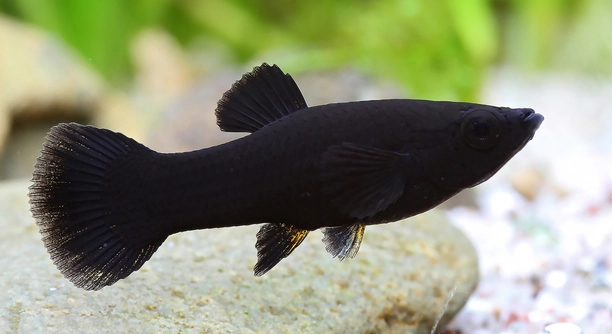
Many aquarium owners notice that their Black Molly fry tend to gather in one corner of the tank. These tiny fish often swim together, creating small clusters, which can seem puzzling to anyone observing them.
Black Molly fry commonly group in a corner due to instinctual behavior for safety and comfort. Clustering reduces stress, provides warmth, and offers protection from stronger tank mates. This behavior is natural and reflects their need for security in a new environment.
Observing these patterns can help you create a healthier, more comfortable habitat for your fry. Proper tank setup and monitoring will support their growth and well-being.
Understanding Fry Behavior
Black Molly fry naturally seek areas where they feel safest. In a new tank, corners provide shelter and a sense of security. They often stick close together, forming small groups that help reduce stress. Fry are sensitive to movement and light, so clustering in one corner minimizes exposure to these factors. Observing this behavior is common in well-maintained aquariums. It is important to remember that their clustering is a normal part of development. As they grow, they will begin to explore more of the tank. Temperature and water flow also influence their position. Corners with gentle water currents are preferred. Fry that scatter may be experiencing stress or illness. Maintaining consistent water conditions, feeding small amounts frequently, and avoiding sudden disturbances encourage healthy behavior. By understanding these habits, you can create a stable environment that promotes growth, safety, and reduced stress, helping fry thrive during their early stages.
Clustering is mostly about safety and comfort. Fry naturally group together in corners for warmth and protection, which supports healthy development.
Providing gentle water flow, hiding spots, and stable water parameters can make fry more confident. Observing these behaviors helps you adjust tank conditions effectively.
Feeding and Environmental Needs
Regular, small feedings are essential for Black Molly fry. Overfeeding can pollute water and harm delicate fry. Specialized fry food, finely crushed flakes, or powdered foods support proper growth. Fry feed frequently, so offering food multiple times per day in tiny portions prevents waste. Maintaining clean water and stable conditions is equally important. Using a sponge filter or gentle current ensures fry are not stressed by strong water movement. Fry also benefit from hiding spots like plants or decorations. Providing cover allows them to feel secure and reduces mortality. Monitoring growth and behavior helps identify if environmental changes are needed. Observing clustered fry while feeding gives insight into how they interact and explore their habitat. Consistent feeding schedules and water maintenance create a predictable environment, allowing fry to grow confidently. Healthy fry develop evenly, reduce stress-related illnesses, and are better prepared to integrate with adult fish as they mature.
Fry need careful feeding and a stable tank environment to thrive. Attention to water quality, food type, and tank setup is key for healthy development.
Supporting fry growth involves maintaining clean water, offering proper nutrition, and observing behavior. Adjusting tank features as they grow ensures they remain active, safe, and stress-free, promoting long-term health.
Tank Setup and Corner Preference
Corners provide a calm space for fry, reducing exposure to strong currents and bright light. They naturally gather there to feel safe while adjusting to the tank environment. Proper tank layout can help fry spread out more confidently over time.
A tank with gentle water flow, live plants, and hiding spots encourages fry to explore beyond corners. Plants act as natural barriers and comfort zones, giving fry places to rest and hide. Sponge filters or low-flow filters create a stable current, preventing fry from being swept around. Corners with decorations or plants feel more secure, which is why clustering occurs there. Temperature stability is also important. Fry prefer warm, consistent water, usually between 24-28°C, which allows them to feed and grow efficiently. By providing a balanced setup, fry gradually become more active and begin exploring larger areas of the tank.
Observation is key. Monitoring where fry cluster and adjusting tank features ensures their safety and encourages healthy development. Providing varied textures and gentle water currents reduces stress while supporting growth. Maintaining a predictable environment gives fry confidence to explore gradually, leading to stronger, more active fish.
Water Quality and Temperature
Stable water conditions are essential for fry health. Sudden changes in temperature or chemical levels stress fry, causing them to cluster in one corner. Consistent parameters reduce risk of disease and support growth.
Maintaining clean water through regular changes and filtration prevents ammonia and nitrite buildup, which can be harmful to fry. Monitoring pH, hardness, and temperature ensures the environment remains optimal. Fry are sensitive to fluctuations, so gradual adjustments are safer than sudden changes. Proper water quality encourages fry to swim more freely, reducing clustering behavior over time. Feeding small amounts without overloading the tank helps keep water clean while providing nutrition. Observing fry activity patterns helps identify whether water conditions are suitable, allowing timely corrections before stress or illness develops.
Temperature stability directly impacts metabolism and activity levels. Water that is too cold slows growth, while excessively warm water can cause stress and reduce oxygen levels. Using a reliable heater and thermometer maintains a steady range. Providing areas with plants and gentle currents complements stable water conditions, allowing fry to disperse safely. Clean water, proper nutrition, and controlled temperature together create an environment where fry can thrive and grow into healthy adult fish.
Social Behavior and Safety
Fry instinctively group together for protection. Staying in one corner reduces exposure to potential threats and makes them feel more secure. This natural behavior is common in many small fish species.
Being close to each other also helps maintain warmth and energy. Clustering supports survival during early development stages, when fry are most vulnerable.
Light and Fry Movement
Bright light can make fry uncomfortable, causing them to hide in shaded corners. They prefer dimmer areas where they feel less exposed. Consistent lighting patterns help fry adjust, reducing stress and encouraging gradual exploration throughout the tank.
Monitoring Fry Health
Regular observation of fry activity is essential. Fry that remain in one corner constantly may be stressed or unwell. Checking water quality, temperature, and feeding ensures they stay healthy.
Encouraging Exploration
Adding plants and gentle currents encourages fry to leave corners. Providing safe hiding spots and scattered food promotes natural movement and balanced growth in the tank.
FAQ
Why do Black Molly fry always stay in one corner?
Fry stay in corners primarily for safety. Corners offer shelter from strong water currents, bright lights, and more aggressive tank mates. Grouping together reduces stress and helps them feel secure. As fry grow and gain confidence, they usually begin exploring other areas of the tank more freely.
How often should I feed Black Molly fry?
Feeding small amounts multiple times a day is best. Fry have tiny stomachs, so offering frequent but limited portions prevents leftover food from polluting the water. Specialized fry food or finely crushed flakes works well. Observing whether they eat all the food within a few minutes helps determine portion size.
Can water temperature affect fry behavior?
Yes, temperature plays a big role. Fry prefer water between 24-28°C. Cooler water slows metabolism and activity, while warmer water can increase stress and oxygen demand. Maintaining stable temperatures encourages healthy movement and reduces the tendency to cluster in corners.
Should I use a filter for fry?
A gentle sponge filter is ideal. Strong currents can exhaust fry, causing them to hide. Sponge filters provide adequate filtration without creating high flow. They also prevent fry from being sucked into the system while keeping water clean. Clean water reduces stress and supports healthy growth.
Do fry need hiding spots in the tank?
Yes, hiding spots are important. Live plants, small decorations, or floating moss give fry places to rest and feel safe. Corners with cover are especially appealing. Hiding spots reduce stress, encourage exploration over time, and promote a natural environment for development.
Is clustering a sign of illness?
Not always. Clustering is often normal behavior, but constant inactivity, faded color, or gasping at the surface may indicate illness or stress. Regularly checking water quality, temperature, and feeding habits helps prevent health issues. Sick fry may need isolation and treatment to recover.
How can I encourage fry to explore the whole tank?
Provide gentle water flow, scattered feeding areas, and safe hiding spots. Gradually adjusting lighting and adding plants in different areas can encourage movement. Observing fry behavior and maintaining stable conditions builds confidence, helping them spread out instead of staying in one corner.
How many fry should be kept together?
Fry do well in groups, but overcrowding increases stress and water contamination. Maintain a balanced number based on tank size. Overcrowding can lead to stunted growth or aggression. Proper filtration, feeding, and hiding spots support larger groups without problems.
Can adult fish affect fry behavior?
Yes, adult fish can intimidate fry. Aggressive or larger tank mates often drive fry to hide in corners. Providing plenty of cover and monitoring interactions prevents bullying. If necessary, separate fry into a breeding or nursery tank until they are large enough to join the main aquarium safely.
How long do Black Molly fry stay in clusters?
Fry clustering generally lasts a few weeks. As they grow and develop stronger swimming skills, they gradually explore more of the tank. Regular monitoring and maintaining safe conditions help fry transition smoothly from clustering to active, confident swimming.
Are there environmental factors that make clustering worse?
Strong currents, bright lights, poor water quality, and sudden disturbances increase clustering. Fry respond by staying in corners where they feel safest. Maintaining stable conditions, providing cover, and feeding consistently reduces stress and encourages normal behavior.
Does fry behavior indicate their long-term health?
Yes, observing clustering, swimming activity, and feeding patterns provides insights into health. Healthy fry gradually explore more, eat actively, and show consistent growth. Sudden changes in behavior can signal stress, illness, or water issues that need attention.
Can fry survive without corners or hiding spots?
They can survive, but stress levels rise. Lack of shelter increases vulnerability to currents, light, and other fish. Providing even simple hiding spaces improves survival rates, encourages normal growth, and reduces unnecessary stress.
How do I know if clustering is normal or a problem?
Normal clustering is temporary and fry remain active while feeding. Problematic clustering comes with lethargy, color loss, or surface gasping. Checking water parameters, temperature, and tank setup helps distinguish between normal behavior and issues that need intervention.
What role does feeding play in clustering behavior?
Inadequate or infrequent feeding can make fry cluster defensively in one corner, waiting for food. Regular, small feedings encourage movement throughout the tank. Scattering food in different areas helps fry explore and reduces prolonged corner clustering.
Can adding plants reduce corner clustering?
Yes, plants act as natural cover and break up open spaces. Fry feel safer venturing out when they have multiple options for hiding. Strategically placing plants throughout the tank encourages exploration while still providing the security that corners offer.
Is it okay to leave fry in one corner temporarily?
Yes, short-term clustering is normal. Fry naturally stay in corners for comfort, especially after changes to the tank or feeding. Long-term clustering without activity, however, requires monitoring to ensure there are no health or environmental problems.
How does water quality impact fry comfort?
Poor water quality increases stress and causes fry to hide in corners. High ammonia, nitrites, or fluctuating pH levels make fry less active. Consistent water testing, filtration, and regular changes are essential to keep fry healthy and reduce clustering.
What are common mistakes that worsen clustering?
Overcrowding, strong currents, bright lights, poor water quality, and irregular feeding often increase corner clustering. Avoid sudden changes, provide hiding spots, maintain stable conditions, and feed appropriately to encourage fry to swim naturally throughout the tank.
Can clustering be prevented entirely?
No, clustering is instinctual. It cannot be completely prevented, but its duration and intensity can be reduced. Creating a safe, well-planned environment with proper feeding, gentle currents, and hiding spots supports normal growth and helps fry explore sooner.
How long should I monitor fry behavior daily?
Short, regular observation sessions are sufficient. Watching fry for 10–15 minutes a few times daily allows you to assess activity, feeding, and clustering. Monitoring helps detect problems early without causing stress from overhandling.
Are there signs fry are ready to leave corners?
Yes, fry that start swimming confidently, exploring plants, and feeding actively are ready to move beyond corners. Increased activity and curiosity indicate comfort and healthy development, signaling they can begin using more of the tank space safely.
Do all fry exhibit the same clustering behavior?
Not always. Some fry are naturally bolder or more active, while others remain in corners longer. Individual differences are normal. Consistent care and a safe environment help even shy fry gain confidence and begin exploring.
How does lighting schedule affect clustering?
Consistent, moderate lighting reduces stress. Sudden bright light encourages hiding, while dim or gradually increasing light allows fry to move comfortably. Using predictable day-night cycles helps fry adapt and explore more evenly throughout the tank.
Is corner clustering less common in larger tanks?
Larger tanks provide more space and hiding spots, which can reduce the intensity of clustering. However, fry still seek corners for safety initially. Proper setup with plants and gentle currents encourages them to use multiple areas rather than staying in one corner.
How do I balance fry safety with tank exploration?
Provide cover throughout the tank, gentle water flow, and scattered feeding areas. Allowing fry to retreat when stressed while encouraging gradual exploration promotes confidence. Observation and small adjustments support growth while keeping fry protected.
Can clustering affect growth rates?
Extended stress from clustering may slow growth if fry avoid food or expend less energy swimming. Reducing stress, maintaining water quality, and providing proper nutrition supports normal development and helps fry grow at a healthy rate.
Does water current direction matter for fry clustering?
Yes, fry avoid strong currents and prefer calmer corners. Directing flow gently and using sponge filters reduces stress. Proper current placement encourages gradual exploration while keeping fry safe and comfortable in the tank.
How do I know if fry are stressed?
Signs include excessive clustering, lethargy, loss of color, gasping at the surface, or reduced feeding. Regularly checking water conditions, feeding, and tank layout helps prevent stress and keeps fry active and healthy.
Is it normal for fry to return to corners after exploring?
Yes, even confident fry may retreat to corners when resting or after feeding. Returning occasionally is natural and reflects their instinct to seek safety, especially during early development stages.
How long does it take for fry to explore the entire tank?
It depends on growth, confidence, and tank setup. Most fry gradually explore over a few weeks as they grow stronger and more comfortable with water conditions, plants, and feeding routines. Consistent care accelerates this process.
Do hiding spots reduce aggression from other fish?
Yes, providing plants or decorations reduces interactions with more aggressive tank mates. Fry can retreat safely to corners or cover areas, lowering stress and protecting them from harassment while still allowing exploration when comfortable.
How important is tank size for fry behavior?
Tank size affects comfort and space. Small tanks may increase clustering due to limited space and hiding spots, while larger tanks with ample cover encourage gradual exploration. Regardless of size, consistent water conditions and proper setup remain essential.
Can I use floating plants to encourage exploration?
Yes, floating plants provide shade, reduce light stress, and offer intermediate safety areas. Fry gradually move between cover and open water, building confidence and reducing prolonged clustering in corners.
Does clustering affect feeding competition?
Yes, fry in clusters may compete for food, leaving weaker fry without enough nutrition. Spreading food across multiple areas and using smaller portions ensures all fry can eat and grow evenly.
Are there long-term benefits to corner clustering?
Clustering helps fry develop survival instincts and reduces early-stage stress. While it may seem limiting, it supports initial growth and confidence, helping fry adapt better to the tank environment over time.
What adjustments help fry leave corners faster?
Gradually introducing plants, scattered feeding, gentle water flow, and consistent lighting encourages exploration. Avoid sudden changes, maintain water quality, and provide cover throughout the tank to build fry confidence safely.
How do I track fry growth while monitoring behavior?
Note size, activity, and feeding patterns alongside clustering frequency. Regular observation and record-keeping allow you to detect early issues, ensure healthy growth, and adjust tank conditions for optimal development.
Can fry clustering indicate future temperament?
Partially. Fry that explore sooner may become bolder adults, while shy fry may remain cautious. Providing a safe, stimulating environment helps all fry develop confidence and balanced behavior as they mature.
Is clustering influenced by tank decorations?
Yes, corners with plants, rocks, or other decorations attract fry. Well-placed decorations provide security, encourage exploration, and reduce stress. Fry naturally use these areas for comfort, balancing safety with gradual movement across the tank.
Do fry prefer certain corners over others?
Typically, fry choose corners with the most shelter, calm water, and low light. Uneven tank conditions, such as stronger currents or brighter areas, make certain corners more appealing than others for clustering.
How does feeding frequency affect corner clustering?
More frequent, small feedings encourage movement as fry leave corners to search for food. Infrequent or uneven feeding may increase clustering and stress, causing fry to stay in one area longer.
Can water changes influence clustering?
Yes, sudden water changes may stress fry and temporarily increase corner clustering. Gradual, partial changes with stable temperature and pH minimize disruption while maintaining clean water for healthy growth.
What is the best way to observe fry without causing stress?
Watch fry from outside the tank quietly, avoiding tapping or sudden movements. Use consistent observation times to monitor activity, feeding, and clustering patterns without introducing stress that may alter behavior.
Do fry need light adjustments to reduce clustering?
Moderate, consistent lighting helps fry feel safe. Too bright or fluctuating light increases hiding in corners. Gradual light transitions encourage exploration and reduce prolonged clustering.
How long should fry stay in a nursery tank?
Fry remain in a safe nursery until large enough to avoid predation from adult fish. Typically, several weeks to a few months, depending on growth and tank conditions. Proper care ensures they transition confidently when ready.
Does clustering reduce if fry are well-fed?
Yes, adequate nutrition encourages activity and exploration. Fry confident in consistent food availability are more likely to swim through the tank instead of staying in one corner defensively.
Are there natural instincts behind clustering?
Clustering is instinctual for protection, warmth, and energy conservation. Fry instinctively gather in safe spots, which helps them survive during vulnerable early stages, gradually transitioning to independent swimming as they grow stronger.
How do I balance hiding spots and open space?
Provide a mix of cover and open areas. Fry feel safe in corners while having nearby open water encourages gradual exploration. Balancing these elements supports growth, activity, and confidence throughout early development.
Do all Black Molly fry behave the same way?
Behavior varies slightly. Some fry are bolder and explore sooner, while others cluster longer. Individual differences are normal. A stable, safe environment helps all fry develop confidence and healthy swimming habits.
Can clustering indicate stress from tank mates?
Yes, aggressive or larger fish may cause fry to retreat. Providing hiding spots, gentle currents, and monitoring interactions helps reduce stress and encourages gradual exploration without constant corner hiding.
Does water hardness affect clustering?
Water hardness can influence comfort. Fry prefer moderately hard water. Sudden changes in hardness may cause stress, increasing corner clustering. Stable, suitable water parameters encourage normal behavior and growth.
Can clustering affect survival rates?
Temporary clustering is natural and safe. Extended stress, poor water quality, or limited hiding spaces can increase mortality. Maintaining stable, safe conditions supports survival while fry gradually disperse.
How long does it take for fry to fully explore a tank?
Exploration typically occurs over a few weeks as fry grow and gain confidence. Proper feeding, stable water, and safe hiding spots accelerate this process, reducing prolonged corner clustering.
Does clustering vary by tank size?
Yes, smaller tanks may see more intense clustering due to limited cover. Larger tanks with plants and gentle currents encourage exploration, though fry still seek corners for safety initially.
How can I tell if clustering is excessive?
Excessive clustering comes with lethargy, reduced feeding, or color loss. Regular monitoring of water, food, and tank setup ensures fry remain active and healthy while clustering naturally.
Are there ways to safely reduce clustering?
Yes, gradual light adjustment, scattered feeding, gentle currents, and additional hiding spots help fry explore. Maintaining stable water conditions ensures reduced stress and healthier movement.
Does clustering change as fry grow?
Yes, as fry develop strength and confidence, they explore more and cluster less. Proper care, feeding, and environment support this natural progression.
Can stress cause fry to return to corners after exploring?
Yes, sudden changes, disturbances, or bright light can cause fry to retreat. Safe hiding spots allow them to feel secure and resume normal activity gradually.
Do all corners get used equally?
Not always. Fry prefer corners with more cover, calm water, and lower light. Observing their choices helps optimize tank layout for balanced exploration.
How often should I check fry behavior?
Short, regular observations daily are sufficient. Monitoring activity, feeding, and clustering patterns helps detect early issues without disturbing fry or causing stress.
Can feeding in different areas reduce clustering?
Yes, scattering food encourages fry to leave corners and explore. Smaller, frequent feedings in multiple areas support balanced growth and reduce prolonged corner behavior.
Does clustering indicate readiness for tank expansion?
Partially. Fry that explore confidently are more prepared for larger spaces or introduction to main tanks. Observing activity and feeding patterns helps determine readiness.
Are there seasonal effects on clustering?
Seasonal changes may slightly influence behavior due to temperature or light variations. Maintaining stable tank conditions minimizes seasonal stress and reduces unnecessary clustering.
How do I ensure fry grow evenly while clustering?
Even feeding, adequate hiding spots, stable water quality, and regular observation ensure all fry have access to nutrition and safety. This supports uniform growth despite temporary clustering.
Is corner clustering unique to Black Molly fry?
No, it occurs in many small fish species. It is an instinctive behavior for safety and comfort during early development stages, gradually reducing as fry grow and gain confidence.
Does clustering behavior indicate future health issues?
Not necessarily. Temporary clustering is normal. Persistent lethargy, poor feeding, or color changes may indicate problems. Regular care, stable water, and proper nutrition prevent health issues.
Can fry clustering be used to monitor stress levels?
Yes, frequent observation of corner clustering alongside activity and feeding helps identify stress. Adjusting tank conditions and providing cover reduces stress and encourages healthy growth.
Are there ways to make fry more confident?
Providing gentle currents, scattered food, consistent lighting, and safe hiding spots gradually encourages fry to explore. Regular observation ensures adjustments support healthy development and confidence.
Does overcrowding worsen clustering?
Yes, too many fry in one tank increases stress, competition, and corner clustering. Balanced numbers, proper feeding, and sufficient hiding spots reduce stress and promote natural movement.
Can corner clustering affect water quality?
Yes, clustered fry may concentrate waste in one area. Regular cleaning and filtration prevent localized water quality issues, supporting healthy growth.
Is clustering influenced by feeding type?
Yes, small, easily consumed foods encourage movement. Larger or sinking food may cause fry to remain clustered, waiting for accessible portions.
Do fry prefer corners with specific decorations?
Yes, they often choose corners with plants, rocks, or shaded areas. Decorations provide comfort, safety, and encourage gradual exploration throughout the tank.
How can I track changes in clustering behavior?
Observe activity, feeding, and position over time. Note if fry explore more, spend less time in corners, and remain active. Tracking patterns allows early detection of stress or environmental issues.
Are there behavioral signs that clustering is reducing naturally?
Yes, fry that swim actively, explore plants, and feed confidently indicate clustering is decreasing. Gradual movement throughout the tank reflects growing confidence and healthy development.
Can fry be stressed even if they cluster normally?
Yes, mild stress may not prevent clustering but could affect feeding or growth. Maintaining stable water, safe spaces, and proper nutrition reduces stress while supporting normal behavior.
Does corner clustering indicate social hierarchy?
Not in early fry stages. Clustering is primarily about safety rather than dominance. As fry grow, social interactions may develop, but initial corner grouping is instinctual and protective.
Are there signs fry are ready to join adult fish?
Active swimming, confident exploration, healthy feeding, and consistent growth indicate fry are prepared. They should still have ample cover during transition to minimize stress from adult tank mates.
Can corner clustering affect fry respiration?
Yes, crowded corners with poor water flow can reduce oxygen access. Ensuring gentle currents and clean water prevents oxygen-related stress and supports healthy growth.
Does clustering reduce if the tank is well-planted?
Yes,
Black Molly fry clustering in one corner is a natural and common behavior. Fry do this instinctively to feel safe, reduce stress, and stay close to each other. In the early stages of life, fry are very small and vulnerable, so seeking shelter in a corner provides comfort. Corners offer protection from strong currents, bright light, and larger tank mates that may unintentionally harm them. This behavior is normal and does not indicate any serious problem if the fry are otherwise active, feeding, and developing as expected. Observing them in clusters allows owners to see that the fry are using their instincts to stay safe, which is an important part of their early growth and adaptation to the tank environment.
Creating the right tank environment can help fry gradually move beyond corners and explore more of their surroundings. Providing gentle water currents, adequate hiding spots, and consistent lighting encourages confidence and reduces prolonged clustering. Live plants or floating decorations give fry intermediate spaces to feel secure while venturing away from corners. Proper feeding schedules are also essential, as small, frequent portions motivate fry to leave their safe spots to find food. Maintaining clean water with stable temperature and chemical levels ensures that fry remain healthy and active. Regular observation of their behavior can help identify any potential stress factors or health issues early, so adjustments can be made to encourage normal development. Over time, most fry will naturally explore the tank more freely as they grow stronger and more confident in their surroundings.
Understanding the behavior of Black Molly fry helps in creating a safe and supportive aquarium environment. Clustering is part of their early-life strategy for survival, and while it may seem like they are not active, they are using these instincts to stay secure. By monitoring water quality, providing appropriate cover, and feeding carefully, owners can support their fry’s growth while allowing them to become more independent. Patience is important, as fry take time to develop strength and confidence. Observing their gradual exploration and activity is rewarding and ensures that they are healthy, thriving, and ready to transition to larger spaces or join adult fish in the tank. Supporting natural behavior, while managing environmental conditions, allows fry to grow into strong and resilient fish.

Hello,
If you enjoy the content that we create, please consider saying a "Thank You!" by leaving a tip.
Every little bit helps us continue crafting quality advice that supports the health, happiness, and well-being of pets around the world, for pets of all shapes, sizes, and species.
We really appreciate the kindness and support that you show us!