
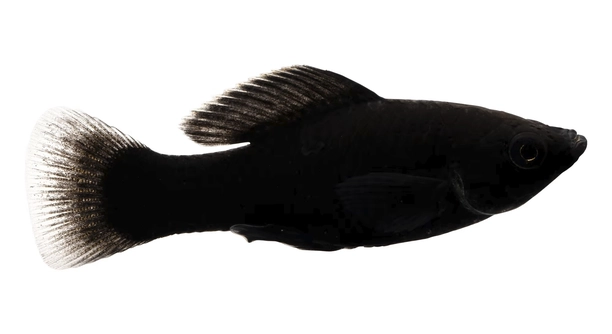
Black Mollies are popular freshwater fish, admired for their striking black color and lively nature. Many aquarists enjoy keeping them, but maintaining a healthy sleep cycle is often overlooked, affecting their overall behavior and well-being in subtle ways.
Several factors can disturb Black Molly sleep cycles, including inconsistent lighting, water temperature fluctuations, poor water quality, overcrowding, stress from tank mates, irregular feeding schedules, and disease. Each of these elements can significantly impact the fish’s natural rest patterns and health.
Understanding these influences will help ensure your Black Mollies rest properly and remain active, healthy, and vibrant in their aquarium environment.
Inconsistent Lighting
Black Mollies rely heavily on a consistent day-night cycle to regulate their sleep. Sudden changes in lighting, such as leaving the aquarium light on overnight or exposing the tank to direct sunlight, can confuse their internal clock. Fish need darkness to slow their activity and rest properly. If lighting varies daily, they may become restless, swim excessively, or show signs of stress. Using a timer for the aquarium light ensures a steady pattern, simulating natural conditions. It is also important to provide shaded areas or plants where fish can retreat during bright periods. Over time, consistent lighting supports healthier behavior, better feeding patterns, and reduces vulnerability to illnesses. Even small adjustments in light exposure can make a significant difference in maintaining their normal sleep cycles, creating a more balanced and comfortable environment for your Black Mollies to thrive.
Disrupted lighting can reduce sleep quality and increase stress, affecting both behavior and overall health in Black Mollies.
Providing predictable light-dark intervals and shaded areas promotes better rest and a calmer, more balanced tank environment for your fish.
Water Temperature Fluctuations
Black Mollies are tropical fish, sensitive to sudden changes in water temperature. When the water is too cold or warms rapidly, their metabolism and sleep patterns are disrupted. Maintaining a stable temperature between 72–78°F is crucial for their health and proper rest. Fluctuations can cause sluggish swimming, irregular feeding, and even make them more susceptible to disease. Using a reliable heater and thermometer helps keep conditions consistent. Temperature changes often happen when room temperatures drop at night or if the aquarium is near a window. Avoid placing the tank in areas with drafts, direct sunlight, or near heating vents. Gradual adjustments, if needed, are better than sudden shifts. By stabilizing the water temperature, Black Mollies can establish a regular sleep routine, remain active during the day, and show brighter colors. Proper temperature control is one of the simplest yet most effective ways to maintain their health and natural behavior.
Maintaining consistent water temperature ensures sleep cycles remain uninterrupted, supporting overall vitality and minimizing stress-related problems in Black Mollies.
Consistent temperatures allow Black Mollies to rest properly, keep their metabolism steady, and reduce the likelihood of erratic behavior or illness in the aquarium. It also creates a more predictable environment where they can feel safe, making their sleep and active periods more balanced and natural.
Poor Water Quality
Dirty or unbalanced water affects Black Mollies’ ability to rest. High ammonia, nitrite, or nitrate levels create stress and prevent proper sleep, causing them to swim nervously or hide frequently. Regular water changes and filtration are essential to maintain a healthy environment.
Testing the water weekly helps track parameters like pH, ammonia, nitrites, and nitrates. Black Mollies thrive in slightly alkaline water around 7.5–8.0 pH. Accumulated waste and leftover food can spike toxins quickly, disrupting sleep and overall health. A good filter, combined with partial water changes of 20–30% weekly, keeps conditions stable. Clean decorations and substrate also reduce bacterial buildup that stresses fish. Monitoring water hardness and temperature alongside chemical levels ensures a balanced habitat. Healthy water supports normal rest patterns, better feeding behavior, and lowers the risk of disease, allowing Black Mollies to stay vibrant and active.
Maintaining proper water quality encourages restful sleep, reduces stress, and promotes longer, healthier lives for Black Mollies in any aquarium setting.
Regular water testing and consistent cleaning routines help create a safe, stable environment. Over time, this stability allows Black Mollies to develop natural behaviors, sleep cycles, and resilience against illness, ensuring they remain active and colorful.
Overcrowding
Too many fish in one tank disrupts sleep by increasing competition and stress. Black Mollies may struggle to find quiet areas to rest, leading to constant movement and fatigue.
Overcrowded tanks reduce available space, raise waste levels, and increase the likelihood of aggressive encounters. Black Mollies need room to swim freely and retreat when resting. Crowding also causes water quality to deteriorate faster, compounding stress. Providing at least one gallon per inch of fish and keeping compatible species together helps reduce these problems. Structured spaces with plants or decorations offer hiding spots, giving each fish a sense of security. When fish feel stressed or cornered, they rarely sleep properly and may become prone to illness. Maintaining appropriate population density is key to preserving normal sleep patterns, supporting calmer behavior, and ensuring all fish thrive.
A balanced number of fish and well-planned tank layout minimizes conflict, reduces stress, and ensures Black Mollies can rest effectively, maintaining overall health and consistent daily rhythms.
Stress from Tank Mates
Aggressive or overly active fish disturb Black Mollies’ sleep by constantly chasing or crowding them. Even minor skirmishes create tension, preventing proper rest and affecting their overall health.
Peaceful, compatible tank mates are essential. Avoid placing Black Mollies with territorial species or fin-nippers, as repeated harassment disrupts sleep and increases stress levels.
Irregular Feeding Schedules
Feeding at inconsistent times interferes with sleep cycles. Black Mollies anticipate food and may remain active or restless when meals are delayed or too frequent. Establishing a consistent feeding routine helps them regulate energy and rest periods, supporting healthier behavior.
Providing the same amount of food at predictable times reduces stress and encourages natural rest. Overfeeding can pollute water, while underfeeding keeps fish alert and moving. A balanced diet given twice daily allows Black Mollies to maintain energy during active periods and settle during rest, promoting stable sleep patterns and overall wellness in the tank.
Disease and Illness
Illness disrupts sleep through discomfort, lethargy, or irregular activity. Parasites, bacterial infections, or internal issues can make Black Mollies restless or hide excessively, affecting their natural rest patterns.
Regular observation and prompt treatment are key. Early detection of abnormal behavior, discoloration, or physical symptoms ensures proper care.
FAQ
How can I tell if my Black Molly is not sleeping properly?
Signs of disturbed sleep in Black Mollies include constant swimming at night, hiding excessively, or showing signs of stress such as clamped fins or rapid gill movement. Irregular feeding habits and reduced activity during the day can also indicate disrupted sleep patterns.
What is the ideal light schedule for Black Mollies?
Black Mollies need a consistent day-night cycle of about 10–12 hours of light followed by 12–14 hours of darkness. Using a timer helps maintain this rhythm. Providing shaded areas or live plants allows fish to retreat and rest during the light period.
How often should I check water quality?
Testing water weekly is ideal. Parameters to monitor include ammonia, nitrites, nitrates, pH, and temperature. Clean water ensures normal sleep cycles, reduces stress, and prevents diseases. Partial water changes of 20–30% weekly are recommended to maintain a stable environment.
Can temperature fluctuations really affect sleep?
Yes. Black Mollies are tropical fish that require stable water between 72–78°F. Sudden drops or spikes in temperature increase stress, disrupt metabolism, and cause irregular sleep. Using a reliable heater and thermometer keeps conditions steady and supports natural rest patterns.
What are the best tank mates for Black Mollies?
Peaceful, non-aggressive fish are ideal. Avoid fin-nippers or territorial species. Overcrowding increases stress and prevents proper sleep. Providing at least one gallon of water per inch of fish and creating hiding spots helps reduce tension and supports normal rest.
How does feeding affect sleep?
Irregular feeding schedules confuse their internal clock. Feeding at consistent times twice daily ensures energy balance, promotes proper activity during the day, and allows Black Mollies to rest at night. Avoid overfeeding, as it can pollute water and cause restlessness.
What diseases most affect sleep cycles?
Parasites, bacterial infections, and internal illnesses cause discomfort, lethargy, or erratic activity, disrupting sleep. Observing physical signs such as discoloration, frayed fins, or unusual swimming patterns allows early intervention. Prompt treatment is essential to restore normal rest and maintain health.
How do I reduce stress in the tank?
Provide hiding spots, stable water quality, consistent lighting, and compatible tank mates. Minimize sudden changes in temperature or light and avoid overcrowding. Reducing stress allows Black Mollies to establish predictable sleep cycles, remain active during the day, and recover properly at night.
Can poor water quality be fixed easily?
Yes, by performing regular water changes, maintaining the filter, and monitoring chemical levels. Balanced water reduces toxins and supports restful sleep. Clean substrate, decorations, and plants also help maintain a stress-free environment where Black Mollies can rest properly.
Is it normal for Black Mollies to hide a lot at night?
Yes, occasional hiding is normal, especially under plants or decorations. However, excessive hiding or continuous activity indicates stress, poor water conditions, or aggressive tank mates. Observing their behavior closely helps identify issues and restore healthy sleep cycles.
How long do Black Mollies sleep each day?
While exact hours vary, they typically have periods of low activity or rest at night. Ensuring consistent lighting, proper tank conditions, and minimal stress helps them establish natural sleep patterns and maintain overall health and vitality.
Are there signs of recovery when sleep cycles improve?
Yes, fish become more active during the day, display brighter colors, feed reliably, and show less hiding behavior. Stable behavior, calmer swimming, and normal gill movements indicate their sleep cycles have returned to a healthy rhythm.
What should I do if multiple factors disturb sleep?
Address each factor gradually: stabilize lighting and temperature, improve water quality, manage tank population, feed consistently, and treat any illnesses promptly. Monitoring their behavior closely allows adjustments to support proper rest and long-term health.
Can plants help Black Mollies sleep better?
Yes. Live or artificial plants provide shaded areas and a sense of security. Retreating into these areas reduces stress, encourages natural rest periods, and mimics conditions they would experience in the wild, promoting healthier sleep cycles and calmer behavior.
How long does it take for sleep cycles to normalize?
Improvement can be noticed within days after correcting issues like lighting, water quality, or stress. Full normalization may take a few weeks, depending on the severity of disturbances. Consistency and patience are key to restoring their natural rhythm and overall well-being.
Are there signs of long-term sleep disruption?
Chronic sleep disruption can lead to stunted growth, weakened immunity, faded coloration, and behavioral issues such as aggression or lethargy. Early intervention by addressing environmental and health factors is essential to prevent lasting damage and support Black Mollies’ overall vitality.
This FAQ covers practical steps and observations that help ensure Black Mollies maintain proper sleep, promoting health, vibrant behavior, and long-term aquarium success.
Black Mollies are sensitive fish that rely on a stable environment to maintain healthy sleep cycles. Factors like inconsistent lighting, fluctuating water temperature, poor water quality, stress from tank mates, irregular feeding, overcrowding, and illness all play a role in disturbing their rest. Paying attention to these aspects can make a noticeable difference in their overall well-being. By ensuring the tank conditions remain predictable and safe, you support natural behaviors that help Black Mollies stay active during the day and rest properly at night. Proper sleep is not just about quiet periods; it directly affects their metabolism, immune system, and general behavior, making it a key part of aquarium care.
Creating a supportive environment begins with managing the basics. Consistent lighting helps regulate their internal clock, while maintaining the proper water temperature and quality keeps them comfortable. Tank layout also matters; adding plants or decorations provides shelter and reduces stress, allowing each fish to find a space where it can rest. Feeding schedules should be predictable, and overfeeding must be avoided to prevent water pollution. Additionally, selecting compatible tank mates and avoiding overcrowding ensures that fish are not constantly stressed or competing for resources. Addressing health concerns promptly prevents illnesses from disrupting sleep and causing long-term problems. By combining these strategies, it becomes possible to establish a balanced habitat that encourages normal sleep cycles and supports the fish’s physical and mental health.
Monitoring Black Mollies over time allows you to notice subtle changes in their behavior, which can indicate whether adjustments are needed. Restless swimming, excessive hiding, or changes in feeding habits are often early signs of sleep disruption or stress. Taking action quickly helps restore a stable routine and prevents long-term effects on growth, coloration, and overall vitality. Proper care requires patience and consistency, but the results are evident in healthier, more vibrant fish that exhibit natural behaviors and thrive in their environment. Creating the right conditions for sleep is not just a minor detail; it is an essential part of responsible fishkeeping that ensures Black Mollies live a full and active life while remaining calm, healthy, and visually striking.

Hello,
If you enjoy the content that we create, please consider saying a "Thank You!" by leaving a tip.
Every little bit helps us continue crafting quality advice that supports the health, happiness, and well-being of pets around the world, for pets of all shapes, sizes, and species.
We really appreciate the kindness and support that you show us!