
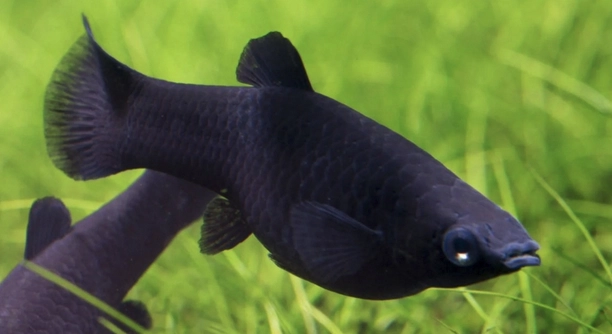
Juvenile Black Mollies are lively and captivating fish that can sometimes display unexpected aggression. Managing their behavior early is important to maintain a peaceful aquarium and ensure all fish coexist comfortably. Proper care can make a big difference.
Aggression in juvenile Black Mollies often arises from overcrowding, lack of hiding spaces, or competition for food. Providing sufficient space, structured environment, and proper nutrition significantly reduces aggressive interactions and promotes healthier social dynamics among the fish.
Learning these simple strategies will help create a calm environment for your Mollies. Implementing these tips ensures happier, healthier fish in your aquarium.
Provide Adequate Space
Juvenile Black Mollies require ample swimming space to reduce aggression. A crowded tank often leads to territorial disputes and constant chasing. Ensuring at least 10 gallons per adult fish helps them establish personal zones. Hiding spots, such as plants or small decorations, also allow them to retreat when stressed. Observing fish behavior daily can help identify if aggression is increasing, signaling the need for rearranging the tank layout or adding more space. Regular water changes and maintaining proper filtration also contribute to a calmer environment. A spacious, well-structured tank allows juvenile Mollies to interact naturally, reducing constant competition and fostering a more balanced community. Avoid placing large decorations that block swimming areas, as these can inadvertently trigger fights. Consistent monitoring and adjustments prevent long-term stress, helping your fish thrive. Space management is one of the simplest yet most effective ways to maintain peace in your aquarium.
Providing enough room for swimming minimizes conflict and supports natural behavior.
Consistent observation ensures your Mollies remain calm and reduces incidents of aggressive behavior over time, creating a healthier tank.
Maintain Proper Nutrition
Feeding juvenile Black Mollies a balanced diet reduces aggression linked to competition for food. High-quality flakes, supplemented with frozen or live foods, provide essential nutrients. Feeding small portions multiple times a day prevents overeating and food fights. Uneaten food should be removed promptly to avoid water contamination. Nutrition affects not only growth but also behavior, as underfed or malnourished fish are more likely to harass tank mates. Observing feeding habits helps determine whether all fish are getting enough without causing stress. Rotating food types also maintains interest and ensures a complete nutrient profile, keeping energy levels stable. A consistent feeding schedule establishes routine and reduces anxiety, which can otherwise trigger territorial behavior. Nutritional balance combined with adequate space and hiding spots significantly lowers aggression, creating a peaceful aquarium environment for juvenile Black Mollies.
Balanced nutrition supports calmer behavior and healthier growth.
Focusing on diet management, feeding routines, and monitoring ensures all Mollies are well-nourished, reducing aggressive interactions and promoting long-term harmony in your aquarium.
Monitor Tank Mates
Choosing compatible tank mates is essential for juvenile Black Mollies. Aggression often arises when other fish are overly territorial or active. Peaceful species that occupy different areas of the tank work best. Avoid fin-nipping fish that can trigger fights.
Regular observation is key to maintaining harmony. Some species may seem calm initially but can start bullying Mollies as they grow. Keeping a balanced ratio of males to females also reduces stress and aggression. Juvenile Mollies should be paired with fish of similar size to avoid dominance issues. Introducing new tank mates slowly allows existing fish to adjust and minimizes sudden confrontations. Structured environments with plants and hiding spots help all species coexist comfortably. Proper planning and monitoring ensure a more stable and peaceful aquarium for everyone.
Observing interactions after feeding and during playtime helps identify subtle aggression. Adjusting the tank setup or removing incompatible fish prevents long-term stress.
Maintain Water Quality
Stable water conditions reduce aggression by lowering stress in juvenile Black Mollies. Frequent testing for ammonia, nitrite, and nitrate levels is necessary. Proper filtration keeps water clean and oxygenated, supporting calm behavior.
Regular partial water changes prevent waste buildup and sudden chemical changes that can provoke fights. Maintaining a consistent temperature and pH creates a predictable environment, reducing tension among fish. Overcrowding combined with poor water quality amplifies stress and can escalate minor disputes into full aggression. Monitoring water clarity, using quality filtration, and avoiding overfeeding are simple yet effective ways to maintain peace. A well-maintained tank fosters healthier behavior and overall well-being, making aggression less likely.
Proper water maintenance supports stable behavior and healthier Mollies. Keeping a routine for cleaning, testing, and adjustments ensures your aquarium stays peaceful and balanced.
Provide Hiding Spots
Juvenile Black Mollies need places to hide to reduce stress and aggression. Plants, caves, and decorations give them safe retreats when feeling threatened or overwhelmed by tank mates.
Hiding spots also help establish territories. Even a few well-placed items can break up line-of-sight, lowering chances of chasing or bullying.
Keep Male-to-Female Ratio Balanced
Maintaining a proper male-to-female ratio prevents excessive harassment. Too many males in the tank can lead to constant chasing and stress among females.
Providing at least two females per male helps distribute attention and reduces aggressive interactions. Balancing the ratio ensures smoother social behavior and a calmer environment for all Mollies.
Rearrange Decorations Periodically
Changing the layout occasionally prevents territorial disputes. Fish reset their territories, lowering dominance struggles.
Observe Early Signs of Aggression
Watch for chasing, nipping, or hiding. Early intervention prevents escalation.
FAQ
How can I tell if my juvenile Black Molly is being aggressive?
Aggression shows in chasing, nipping fins, or blocking other fish from certain areas. Fish may hide more than usual or appear stressed. Observing daily interactions helps identify patterns. Aggressive behavior often peaks during feeding or when establishing territories.
What is the best number of Mollies per tank?
Juvenile Black Mollies do best in small groups that allow personal space. About five to six young fish in a 20-gallon tank works well. Overcrowding increases stress, fights, and competition for food, so keeping numbers balanced is key for peaceful interactions.
How do I reduce aggression without separating fish?
Providing hiding spots, rearranging decorations, and adding plants help reduce direct conflicts. Maintaining a proper male-to-female ratio and feeding small, frequent meals also lowers stress. Regular water changes and monitoring tank conditions further promote calm behavior without needing to isolate fish.
Can diet really affect aggression?
Yes. Underfed fish or inconsistent feeding schedules increase competition and fights. A balanced diet with high-quality flakes, frozen, or live foods ensures proper nutrition. Multiple small feedings throughout the day prevent overeating and reduce aggression during meal times.
Should I remove aggressive fish immediately?
Removing a fish is only necessary if aggression becomes constant or injures others. Sometimes rearranging the tank or adding hiding spots is enough. Quick intervention prevents long-term stress and helps maintain a healthier social environment.
Does tank size impact behavior?
Absolutely. Small tanks limit swimming space and increase territorial disputes. Larger tanks with open swimming areas and plants allow juveniles to establish personal zones. Providing at least 10 gallons per adult fish helps reduce aggression naturally.
How often should I change the tank layout?
Rearranging decorations every few weeks prevents dominance from becoming established. Fish reset territories when the environment changes, which reduces aggression. Avoid drastic changes all at once, as minor adjustments are less stressful.
Can aggressive behavior indicate illness?
Sometimes. Sudden aggression or lethargy can signal stress from poor water quality, parasites, or disease. Monitoring behavior along with water conditions and physical appearance helps detect issues early, preventing both health problems and fighting.
Do certain tank mates trigger aggression?
Yes. Fin-nippers or highly territorial fish can provoke Mollies. Peaceful, similar-sized species work best. Observing initial interactions when introducing new fish ensures compatibility and prevents long-term conflicts.
Is it normal for juvenile Mollies to chase each other?
Mild chasing is natural as they explore and establish hierarchy. Concern arises when chasing results in injury, constant hiding, or torn fins. Monitoring interactions helps distinguish normal play from harmful aggression.
How can I maintain long-term peace?
Combine proper tank size, balanced feeding, hiding spots, and compatible mates. Consistent water maintenance and observation allow early intervention. Small adjustments like rearranging plants or decorations prevent territorial dominance and keep the aquarium calm.
What role does water quality play in aggression?
Poor water quality causes stress, leading to fights. Ammonia, nitrite, or nitrate spikes, fluctuating pH, or inconsistent temperature can trigger aggression. Maintaining stable water conditions with regular testing and filtration reduces stress and supports peaceful behavior.
Can stress alone make Mollies aggressive?
Yes. Crowding, rapid environmental changes, and frequent disturbances increase stress. Stressed fish are more likely to chase, nip, or hide. Minimizing disruptions, providing shelters, and keeping stable conditions are essential to reduce aggression and maintain harmony.
How long does it take to calm aggressive behavior?
It depends on severity and interventions. Minor aggression may decrease within days after adding hiding spots or adjusting tank mates. Severe aggression may take weeks of careful observation, water management, and rearrangement to restore balance.
Are there signs of a dominant fish forming?
A dominant juvenile will chase others from preferred areas, eat first, or occupy hiding spots exclusively. Early detection allows intervention through tank rearrangement, hiding spots, or temporarily separating aggressive individuals.
How often should I observe my Mollies?
Daily observation is recommended. Noticing small changes in behavior, swimming patterns, or interactions helps prevent minor aggression from escalating into serious conflicts. Recording behavior occasionally can help track trends and make adjustments proactively.
Can adding plants reduce stress?
Yes. Plants provide shelter, break line-of-sight, and create multiple territories. Dense vegetation reduces chasing and allows timid fish to retreat safely, lowering overall aggression and promoting calmer interactions.
Is aggression seasonal or age-related?
Juvenile aggression is common during growth and territory establishment. As Mollies mature, behavior may stabilize, but ongoing monitoring is necessary. Seasonal changes in temperature or light can also affect activity and minor aggression levels.
Do males and females behave differently?
Males often display more chasing and territorial behavior, while females may hide or become stressed if outnumbered. Maintaining a balanced male-to-female ratio prevents harassment and promotes harmony within the tank.
What are warning signs that aggression is worsening?
Constant chasing, torn fins, bleeding, hiding excessively, or refusing food indicate serious aggression. Immediate intervention with hiding spots, tank rearrangement, or temporary separation can prevent long-term harm.
How can I safely introduce new Mollies?
Introduce new fish slowly using a quarantine tank or a divider. Allow existing fish to see but not touch newcomers first. Gradual introduction reduces stress, prevents territorial disputes, and lowers the chance of immediate aggression.
Does lighting affect aggression?
Bright lighting may make timid fish feel exposed, increasing stress and minor conflicts. Moderate lighting with shaded areas or floating plants can help Mollies feel secure and reduce chasing behavior.
Can overcrowding be reversed without removing fish?
Sometimes. Adding vertical space with plants or decorations, creating hiding spots, or using dividers can reduce visible aggression. In extreme cases, transferring some fish to another tank may be necessary for long-term peace.
Are aggressive behaviors permanent?
Not necessarily. Many aggressive behaviors are situational, caused by stress, overcrowding, or lack of hiding places. Addressing environmental factors often reduces aggression, though persistent dominant fish may need monitoring or temporary separation.
How do I balance diet, space, and social interactions?
Feed small, frequent meals, maintain adequate tank space, and select compatible mates. Provide hiding spots, rearrange decorations occasionally, and observe interactions. Balancing these factors reduces stress, minimizes aggression, and ensures juvenile Black Mollies thrive in a calm environment.
Can rearranging plants alone calm aggression?
Yes. Small changes in layout force fish to re-establish territories, which can temporarily reduce dominant behavior and chasing. Combining this with hiding spots and proper feeding is more effective than relying on layout changes alone.
Is constant monitoring necessary long-term?
Yes. Aggression can resurface if conditions change or new fish are introduced. Regular observation ensures early intervention, keeping the tank peaceful and healthy for all juvenile Black Mollies.
Juvenile Black Mollies are active and lively fish that can sometimes display aggression, but with proper care, their behavior can be managed effectively. Providing adequate space, hiding spots, and a balanced male-to-female ratio are some of the most important steps to prevent conflicts. Overcrowding and lack of structure in the tank often trigger chasing, nipping, and territorial disputes. By ensuring each fish has enough room to swim and retreat when needed, owners can reduce stress and create a calmer environment. Regular observation allows you to spot early signs of aggression and make adjustments before conflicts escalate. Simple measures, like rearranging decorations periodically or adding plants, can break up established territories and reduce constant fighting. These environmental adjustments not only help reduce aggressive behavior but also improve the overall quality of life for the fish. A well-structured aquarium encourages natural interactions, allowing juvenile Mollies to grow and thrive while coexisting peacefully.
Feeding routines and diet also play a key role in controlling aggression. Juvenile Mollies can become competitive during meals, leading to chasing and minor fights. Providing small, frequent feedings ensures that all fish receive proper nutrition without creating stress. Offering a balanced diet with high-quality flakes, frozen foods, and occasional live food supports healthy growth and stable energy levels. Nutrition affects behavior as much as it affects physical health, so consistent feeding routines are essential. Removing uneaten food promptly also prevents water contamination, which can cause additional stress. When combined with a clean and well-maintained tank, a proper feeding schedule helps maintain calm behavior and minimizes conflicts. Over time, Mollies in a stable environment with balanced nutrition tend to display fewer aggressive tendencies and interact more harmoniously with their tank mates. Keeping the tank clean, monitoring water parameters, and following feeding schedules are small but highly effective steps to ensure a peaceful aquarium.
Long-term management of juvenile Black Molly aggression requires a combination of careful planning, observation, and consistent care. Selecting compatible tank mates, monitoring behavior, and maintaining water quality are essential for creating a stable environment. Stressful conditions, overcrowding, or sudden changes can trigger aggression even in previously calm fish. By addressing these factors proactively, owners can prevent injuries, reduce stress, and promote healthy social interactions. Aggression is not necessarily permanent, and many behavioral issues can be resolved with adjustments to the environment, feeding practices, or social dynamics within the tank. Observing the fish daily and making small, gradual changes when needed helps maintain harmony. Over time, these practices build a balanced and peaceful aquarium where juvenile Black Mollies can grow safely, interact naturally, and thrive without constant conflict. A thoughtful approach to tank management and attentive care ensures the long-term well-being of all fish in the aquarium.

Hello,
If you enjoy the content that we create, please consider saying a "Thank You!" by leaving a tip.
Every little bit helps us continue crafting quality advice that supports the health, happiness, and well-being of pets around the world, for pets of all shapes, sizes, and species.
We really appreciate the kindness and support that you show us!