
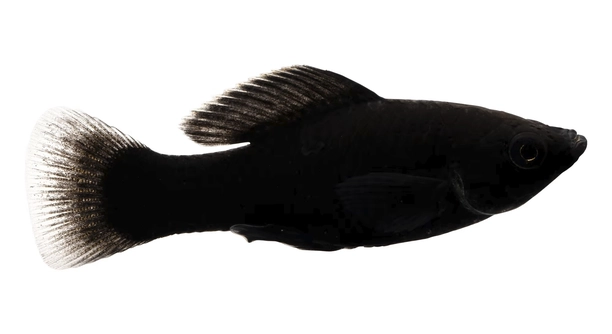
Do you ever notice your Black Molly fry growing fast but wonder if some of your care habits might be causing stress or slowing their development? Watching them thrive is exciting, yet small mistakes can have a big impact.
During Black Molly fry growth, certain changes can negatively affect their development. Sudden water parameter shifts, overfeeding, introducing incompatible tank mates, and abrupt diet modifications are primary factors. Consistency in temperature, filtration, and feeding schedules is crucial for healthy growth.
Keeping track of these details ensures your fry remain healthy and develop properly. Proper care now can prevent problems as they mature.
Sudden Changes in Water Parameters
Even minor changes in water temperature, pH, or hardness can shock Black Molly fry. They are highly sensitive during their early growth stages. Rapid drops or rises in temperature can slow their metabolism, making them less active and more prone to disease. Similarly, abrupt shifts in pH can damage delicate gill tissues. Hard water or soft water changes without acclimation may also interfere with their mineral absorption, affecting bone and fin development. Consistently testing the water and making small, gradual adjustments is essential. Avoid large water replacements all at once, as this can create a stressful environment. Maintaining a stable tank ensures that the fry can feed, swim, and grow without unnecessary stress. Observing them daily helps catch early signs of distress, like lethargy or unusual swimming patterns. Over time, stability supports stronger immune systems and better overall growth, giving them a solid start in life.
Consistency in water parameters is critical for healthy fry development and long-term survival. Stability reduces stress and prevents health complications.
Keeping a regular testing schedule and slowly acclimating any changes helps the fry thrive naturally, avoiding setbacks from sudden environmental shocks.
Overfeeding and Diet Changes
Overfeeding Black Molly fry can lead to poor water quality and digestive issues. Small amounts given multiple times a day work best.
Introducing new foods too quickly can cause stomach upset. Fry have delicate digestive systems that need time to adjust to flakes, live food, or powdered options. Sudden switches can reduce nutrient absorption and growth rates. It’s better to gradually mix in new foods over several days. Rotating diet items slowly ensures a variety of nutrients without overwhelming their small stomachs. Monitor their feeding closely to avoid leftover food, which can decompose and spike ammonia levels in the tank, causing additional stress. Providing high-quality, age-appropriate food is key, as it supports proper fin, scale, and skeletal development. Fry need a careful balance of protein, vitamins, and minerals. By feeding carefully and making diet changes gradually, you can support steady growth and prevent common health problems that often arise during the critical early weeks of life.
Introducing Incompatible Tank Mates
Keeping fry with larger or aggressive fish can stress or injure them. Small bites or chasing can stunt growth or even cause death.
Even seemingly peaceful fish may unintentionally harm fry by competing for food or disturbing their swimming patterns. Stress reduces appetite and weakens their immune system, making them more vulnerable to disease. Fry need a calm environment where they can explore and feed without fear. Using a separate nursery tank or breeding box helps protect them while they grow stronger. Observing interactions is crucial, as even minor harassment can affect their development.
Providing hiding spots like plants or small decorations helps fry feel safe. By monitoring tank mates and adjusting the setup, you ensure the fry have space to grow properly, avoid unnecessary stress, and maintain consistent health during critical early stages of life.
Abrupt Filtration or Tank Cleaning Changes
Frequent or drastic cleaning can remove beneficial bacteria, causing spikes in ammonia and nitrites. Fry need stable filtration to thrive.
Sudden filter changes or over-cleaning gravel disrupts the microfauna that maintain water quality. Without these bacteria, toxins accumulate quickly, leading to lethargy, fin damage, or death. Adjusting cleaning routines gradually preserves beneficial bacteria while keeping the tank safe. Skimming debris lightly and changing only small amounts of water helps maintain stability. A consistent filter speed and flow also prevents fry from being swept around or injured.
Monitoring water clarity and using slow, incremental cleaning techniques support fry growth. Consistent filtration balances waste removal with microbial health. By keeping changes minimal and controlled, you provide a stable environment where fry can feed, swim, and develop without unnecessary stress, ensuring steady growth and overall vitality.
Sudden Temperature Fluctuations
Rapid temperature changes can shock Black Molly fry. Even a few degrees difference may slow growth or weaken their immune system.
Using a reliable heater and thermometer helps maintain stable water conditions. Gradual adjustments are safer than sudden shifts, ensuring the fry remain active and healthy.
Introducing Chemicals or Medications
Adding medications or water treatments without caution can harm fry. Many compounds are too strong for their delicate systems. Always check dosages and choose fry-safe options to prevent stress or accidental poisoning during treatment.
Overcrowding the Tank
Too many fry in a tank can limit space for swimming and feeding. Overcrowding increases competition, stress, and waste buildup, which can stunt growth. Maintaining proper density ensures fry have enough room and resources to grow strong and healthy.
Ignoring Early Signs of Stress
Fry often show subtle signs of stress like reduced movement, clamped fins, or pale colors. Observing these early helps address problems before they affect growth or survival.
How often should I feed Black Molly fry?
Feeding frequency is very important for fry growth. They have tiny stomachs and need small meals throughout the day. Offering food three to five times daily in small portions ensures they get enough nutrients without overloading the tank with waste. Overfeeding can pollute water quickly and stress fry, so watch closely for uneaten food. Powdered fry food, infusoria, or finely crushed flakes work best. Once they start growing larger, the amount can be slightly increased, but frequent small meals remain ideal to support steady development.
What type of food is best for growing fry?
Black Molly fry need nutrient-rich, easy-to-digest foods. Powdered fry food or commercially available baby fish flakes provide the necessary protein and vitamins for early growth. Live foods like baby brine shrimp or microworms are excellent because they stimulate natural hunting behaviors and enhance survival rates. Gradually introducing finely crushed adult flakes after a few weeks helps them transition to the diet they’ll need as adults. Avoid giving large particles that fry cannot eat, as these can cause digestive problems. A varied diet ensures strong bones, healthy fins, and vibrant coloration.
Can fry be kept with adult fish?
Adult Black Mollies or other fish can be dangerous to fry. Adults may eat small fry or outcompete them for food. Using a separate nursery tank or breeding box protects them during their early weeks. Even calm adult fish can unintentionally stress fry by chasing them. Hiding spots like plants or small decorations give fry safe places to retreat. Once the fry grow larger and stronger, carefully monitored interactions with adults are possible, but early separation is essential to ensure survival and healthy development.
How do I prevent water quality problems?
Maintaining stable water parameters is crucial. Frequent small water changes help remove waste without shocking fry. Avoid over-cleaning or changing too much water at once, as beneficial bacteria can be lost. Using a sponge filter or gentle filtration keeps water clean while preventing fry from being sucked in or stressed by strong currents. Regularly testing pH, ammonia, nitrite, and nitrate levels ensures conditions remain safe. A balanced feeding schedule and careful tank maintenance reduce the risk of spikes in toxins that can harm fragile fry.
What signs indicate fry are stressed or unhealthy?
Fry often show stress subtly. Common signs include lethargy, clamped fins, pale coloration, or erratic swimming. Refusing food or hiding more than usual can also indicate problems. Stress can result from poor water conditions, sudden changes, overcrowding, or incompatible tank mates. Observing these signs early allows you to adjust care practices. Addressing temperature fluctuations, water quality, and feeding routines promptly reduces health risks. Keeping a close eye on fry behavior every day is the best way to ensure they continue growing strong and remain active in their environment.
How long before fry can join the main tank?
Fry should only be introduced to the main tank once they are large enough to avoid being eaten or stressed by adults. This usually occurs after several weeks, depending on growth and tank conditions. Gradually acclimating them to the main tank’s water parameters and flow helps reduce shock. Ensuring they are strong swimmers and able to compete for food independently is essential. Even after moving, providing hiding spots and monitoring interactions ensures they adapt successfully. Early separation and careful introduction support survival rates and allow fry to develop into healthy adult Mollies.
Can I change their diet suddenly?
Sudden changes in diet can upset fry digestion and growth. Introduce new foods gradually over several days, mixing small amounts with familiar foods. This allows their digestive systems to adjust while maintaining proper nutrition. Abrupt switches can lead to refusal to eat, poor growth, or weakened immunity. A balanced, consistent diet with gradual additions supports overall development and helps fry transition smoothly to adult feeding routines. Watching their response to new foods ensures they adapt without stress and continue growing steadily.
Is it necessary to monitor fry daily?
Daily observation is very important. Fry can develop issues quickly, and early detection of stress, illness, or poor growth improves outcomes. Check swimming behavior, feeding response, and appearance every day. Regular monitoring also helps track water conditions and ensures that tank maintenance is effective. Small adjustments based on daily observations, like modifying feeding or removing waste, prevent bigger problems. Consistent attention ensures the fry have the safest environment possible for growth and survival, supporting strong development into healthy adult Black Mollies.
This FAQ provides practical, actionable advice for keeping Black Molly fry healthy and ensuring steady growth in a controlled and safe environment.
Caring for Black Molly fry requires patience, attention, and a steady hand. These small fish are delicate in their early stages, and even minor mistakes can affect their growth and survival. From keeping water parameters stable to providing the right food, every detail matters. Fry thrive best in a calm environment where they are not stressed by sudden changes or aggressive tank mates. By maintaining consistency in temperature, filtration, and feeding schedules, you create the conditions they need to grow strong and healthy. Observing their behavior daily helps detect small problems early, allowing you to correct them before they impact growth. Paying attention to these basics makes a big difference in their overall development.
Diet and feeding routines play a significant role in the health of Black Molly fry. Offering small, frequent meals ensures they get enough nutrients without polluting the tank. Powdered fry food, finely crushed flakes, or live foods like baby brine shrimp provide essential protein and vitamins that support growth. Gradually introducing new foods helps their digestive systems adjust without causing stress or digestive issues. Overfeeding or sudden changes in diet can lead to poor water quality and slowed growth, so monitoring portions and observing feeding behavior is important. A consistent diet paired with proper water care promotes strong fins, vibrant colors, and steady growth. Combining these practices creates a stable and nurturing environment that reduces stress and gives fry the best chance to thrive.
Tank setup and care routines are just as important as feeding. Overcrowding, sudden water changes, or incompatible tank mates can lead to stress and health problems. Providing hiding spaces with plants or small decorations allows fry to feel safe and reduces the chances of injury or competition for food. Gradual adjustments to cleaning routines or filtration ensure that beneficial bacteria remain intact, keeping water quality stable. Observing the fry daily allows for small corrections when issues appear, such as lethargy or pale coloration, which can indicate stress or illness. By following consistent care practices and giving attention to details, fry are more likely to grow into strong, healthy adult Black Mollies, creating a thriving and balanced aquarium environment for the long term.

Hello,
If you enjoy the content that we create, please consider saying a "Thank You!" by leaving a tip.
Every little bit helps us continue crafting quality advice that supports the health, happiness, and well-being of pets around the world, for pets of all shapes, sizes, and species.
We really appreciate the kindness and support that you show us!