
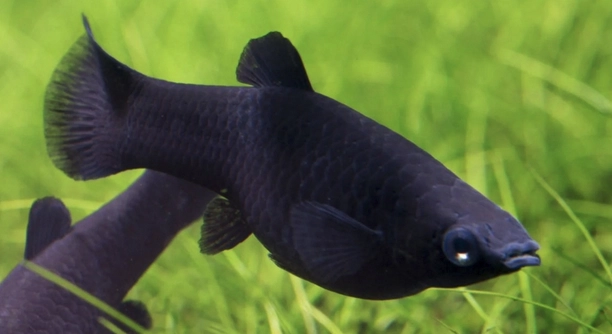
Black Molly fry are small, active fish that need a balanced environment to grow healthy. Observing their behavior in the tank can reveal subtle preferences that impact their well-being and survival. Understanding these habits helps keep them thriving.
Black Molly fry often avoid the heater side because the water can become too warm and stressful for their developing bodies. Cooler areas of the tank provide a more stable environment, supporting proper growth and minimizing the risk of health issues.
Learning why they prefer certain areas can improve tank setup and overall care. Proper attention to their habits ensures a safer, more comfortable environment for these delicate fry.
Understanding Temperature Preferences
Black Molly fry are sensitive to sudden changes in temperature, and this sensitivity affects where they choose to swim in the tank. Fry are not fully developed, so extremely warm areas, such as directly above a heater, can stress their small bodies. Even if the water feels safe to an adult Molly, fry have different needs. They instinctively move to cooler, more stable areas where they can conserve energy and avoid unnecessary stress. By observing their behavior, you can see them hovering in mid-tank or near plants where the water is gentler. Providing hiding spots and gentle water flow creates a comfortable environment that supports their growth. A consistent temperature across most of the tank helps reduce erratic swimming and prevents fry from lingering near heated areas, which could otherwise increase their susceptibility to disease or slower development. Paying attention to these details can make a noticeable difference in fry survival rates and overall tank harmony.
Fry avoid heated areas mainly due to the risk of overheating and stress, which can harm their growth.
Monitoring temperature zones and ensuring a balanced environment is key. Simple adjustments can improve health, activity, and fry growth.
Tank Setup Tips
Proper tank setup can make a big difference for Black Molly fry.
A well-planned tank provides cooler zones, hiding spots, and gentle circulation, all of which keep fry safe and comfortable. Plants, floating leaves, and small decorations can create areas where water movement is minimal and temperature is stable. Avoid placing fry directly in areas where heat is strongest. Using a thermometer to check water consistently ensures that temperature remains within safe ranges. Fry are more likely to explore and feed properly when they feel secure. Adjusting heater placement or using a heater guard can reduce heat intensity in shallow areas, allowing the fry to move freely without risk. Observing their swimming patterns helps identify areas they prefer and areas to avoid, which guides further tank arrangement. Small tweaks to water flow and temperature zones can lead to healthier, more active fry over time, helping them grow steadily and remain resilient against common tank stressors.
Feeding Behavior and Heater Avoidance
Black Molly fry tend to feed in cooler areas of the tank, away from the heater. High temperatures can make them less active and reduce their appetite, so they instinctively seek zones where food is easier to access without added stress.
Fry require small, frequent meals, and staying in moderate temperatures helps them digest properly. Overheated water can speed up metabolism too much, causing stress and uneven growth. By observing where they eat most actively, you can adjust feeding spots and avoid placing food near the heater. Providing floating or slow-sinking foods ensures fry can feed comfortably in their preferred areas. Plants and decorations can help slow water currents, allowing fry to graze without struggling against warmer water movement, which they avoid instinctively.
Temperature also influences their swimming patterns during feeding times. Cooler zones give them space to explore and practice hunting for tiny food particles safely. Overheating can make fry scatter or hide, limiting their growth and making them more vulnerable to water quality issues. Ensuring that food reaches them in comfortable zones supports consistent eating habits and helps maintain tank harmony.
Water Quality and Fry Health
Uneven temperature zones often lead to localized changes in water quality, which fry instinctively avoid.
High heat near heaters can reduce oxygen levels slightly and promote rapid bacterial growth, making the area less ideal for fry. Maintaining moderate temperature zones ensures oxygen levels stay consistent and water remains safe for delicate fry. Regular monitoring of ammonia, nitrites, and nitrates helps prevent stress-related illnesses, which fry are more prone to in warmer, stagnant areas.
Black Molly fry are especially sensitive to toxins, and even small fluctuations can impact growth and survival. Cooler regions of the tank near plants or decorations naturally offer better water quality due to slower evaporation and gentle circulation. Using a reliable filter and performing regular partial water changes minimizes risk and helps maintain stable conditions. Fry often cluster in these safer areas, avoiding zones near the heater where oxygen depletion or minor chemical imbalances might occur. Ensuring water consistency throughout the tank supports active swimming, healthy feeding, and strong development. Proper care in these areas significantly reduces mortality and keeps fry thriving.
Light and Shade Preferences
Black Molly fry often choose shaded areas away from strong light near the heater. Bright or overly warm spots can cause stress and make them hide more than usual.
Providing plants or floating decorations gives fry a safe, cooler space to explore, rest, and feed without feeling exposed.
Water Circulation Impact
Strong water currents near the heater can push fry into warmer areas, which they naturally avoid. Gentle circulation in cooler parts of the tank helps them swim comfortably and reduces stress. Maintaining even flow throughout the tank encourages fry to explore freely without forcing them toward heated zones. Consistent water movement also improves oxygen distribution, benefiting growth and health. Observing where fry gather can guide adjustments to filtration and circulation, ensuring they have safe, calm zones. This allows them to feed properly, rest, and develop in stable conditions.
Monitoring Fry Activity
Regular observation helps identify temperature-related stress or abnormal behavior in fry.
FAQ
Why do Black Molly fry avoid the heater side of the tank?
Black Molly fry avoid the heater side because the water there can become too warm for their small, developing bodies. Fry are sensitive to sudden temperature changes, and even slightly higher heat can cause stress. Cooler areas provide a more stable environment, making it easier for fry to swim, feed, and grow without unnecessary strain.
Can fry tolerate any warmth from the heater?
Yes, but only in moderation. While adult Black Mollies handle warmer water, fry are delicate. A slight increase in temperature may be tolerable, but prolonged exposure to the heater’s direct heat can lead to stress, slower growth, or higher vulnerability to disease. Maintaining a moderate temperature zone is safest.
How can I encourage fry to swim near the heater without stressing them?
It’s best to adjust the tank setup rather than forcing fry into warmer zones. Place floating plants or gentle decorations near the heater to diffuse heat and reduce water flow. Gradually adjust water temperature so the change is small and consistent, letting fry acclimate naturally.
Does water flow affect their heater avoidance?
Yes. Strong currents near the heater can push fry into warmer areas, increasing stress. Fry prefer calmer water where they can swim freely and feed without being forced toward heat. Adjusting filters or circulation devices can help maintain gentle flow throughout the tank, especially in cooler zones.
Are there health risks if fry spend too much time near the heater?
Prolonged exposure to high heat can overheat fry, leading to faster metabolism, stress, or weakened immune systems. Over time, this can slow growth or increase susceptibility to waterborne illnesses. Cooler areas reduce these risks and promote healthy development.
What tank setup is best for Black Molly fry?
A tank with shaded areas, floating plants, and gentle water flow is ideal. Keeping the heater at one side but creating cooler zones elsewhere allows fry to choose their preferred environment. Thermometers can help monitor temperature consistency, ensuring fry remain comfortable and active.
How often should I monitor temperature zones?
Daily checks are recommended. Fry are small and sensitive, so even minor fluctuations can matter. Using a thermometer at multiple tank points helps ensure the water stays within a safe, consistent range, keeping fry healthy and stress-free.
Can heater placement affect fry behavior?
Absolutely. Heaters positioned near the surface or in direct flow can create hot spots that fry instinctively avoid. Placing the heater in a corner with diffused water movement and providing hiding areas helps fry explore the tank without risk of overheating.
Do fry avoid heaters all the time, or only during certain activities?
Fry tend to avoid heaters most of the time, but especially during feeding or resting. During these activities, stable, cooler water allows them to swim and digest properly. Occasional exploration near warmer areas may occur, but long exposure is minimal.
Is it necessary to change feeding routines because of heater avoidance?
Yes. Positioning food in cooler zones ensures fry can feed comfortably. Fry may avoid the heated side, so scattering small amounts of food where they naturally swim helps them eat properly and supports healthy growth.
How do I know if the heater is too warm for fry?
Observe behavior. Fry hiding excessively, swimming erratically, or staying away from certain areas indicates stress. Using a thermometer and adjusting the heater slightly downward can create a safe environment while still maintaining warmth for the tank overall.
Can decorations help fry avoid heater stress?
Decorations, plants, and floating covers provide shade and calm zones away from heat. They reduce direct water flow from the heater and create areas where fry feel safe to swim, rest, and feed. This encourages natural behavior and reduces stress-related issues.
How long does it take for fry to acclimate to a tank with a heater?
Acclimation varies but usually takes a few days. Fry gradually adjust to temperature zones, finding spots where water is comfortable and safe. Gradual changes, gentle flow, and cooler hiding spots help them settle without excessive stress or health risks.
Can heater stress affect long-term growth?
Yes. Prolonged stress from warm water can slow development, reduce activity, and make fry more susceptible to illness. Maintaining stable, cooler zones ensures steady growth, healthy feeding habits, and overall better survival rates for Black Molly fry.
Are all Black Molly fry equally sensitive to heat?
Sensitivity can vary slightly. Some fry tolerate warmth better than others, but most prefer stable, cooler zones. Observing individual behavior can help identify which fry need extra care or more shaded, gentle areas to thrive.
Should I adjust the heater differently for fry compared to adult Mollies?
Yes. Adults can handle warmer water, but fry require more moderate temperatures. Position the heater carefully, monitor zones, and create cooler areas so both adults and fry can coexist without stress.
Does tank size influence heater avoidance?
Tank size matters. In smaller tanks, heat spreads quickly, making it harder for fry to find cooler areas. Larger tanks provide more variation in temperature zones, allowing fry to swim freely without prolonged exposure to the heater.
How does light interact with heater avoidance?
Bright light combined with heat can increase stress. Fry often prefer shaded areas away from direct light and heater zones. Floating plants or decorations help diffuse light and reduce heat stress, creating safer spaces for exploration and feeding.
Can multiple fry in one tank affect heater preference?
Yes. Fry often cluster in cooler zones, especially if many share the same tank. Overcrowding near warm areas increases stress, so providing enough space, plants, and gentle circulation encourages even distribution and reduces competition in heated zones.
Is it safe to use a heater guard for fry?
Heater guards can help reduce direct heat exposure and prevent fry from getting too close. They provide a barrier that diffuses temperature and protects fry while allowing adults to benefit from warmer water nearby.
Black Molly fry are delicate and need careful attention to thrive in a home aquarium. Their avoidance of the heater side is a natural behavior that reflects their sensitivity to temperature and water conditions. Fry are not just miniature versions of adult fish—they have different needs, and their small size makes them more vulnerable to stress, overheating, and poor water quality. By observing where they swim and feed, you can gain insight into what makes them comfortable. Cooler areas of the tank allow fry to rest, feed, and grow without the risk of stress-related issues. Providing stable conditions, gentle water flow, and shaded zones ensures that they develop properly and remain healthy over time.
Tank setup plays a critical role in how fry behave and where they choose to spend their time. Plants, decorations, and floating covers provide hiding spots and help diffuse water movement from the heater. Fry instinctively seek these calmer areas, avoiding zones with higher temperatures or strong currents. Even minor adjustments to water flow or heater placement can make a big difference. Monitoring temperature at multiple points in the tank ensures that no area becomes too warm for fry, and it allows you to maintain consistent, safe conditions. Keeping water quality in check is equally important, as high temperatures can reduce oxygen levels and encourage bacterial growth. Cooler, well-oxygenated zones are essential for fry to stay active, feed well, and grow steadily.
Feeding and daily care routines also influence how fry interact with the tank environment. Placing food in cooler areas helps fry eat without being forced into warmer zones, supporting proper digestion and growth. Observing swimming patterns, hiding spots, and feeding habits provides clues about the tank setup and any adjustments needed. Even small changes, such as moving plants, adjusting heater placement, or slowing water flow, can improve comfort and reduce stress for the fry. Overall, understanding their behavior and providing stable, moderate conditions helps ensure the long-term health of Black Molly fry. By paying attention to temperature, water quality, and tank layout, you create a safe, nurturing environment that supports their growth and makes caring for them more manageable.

Hello,
If you enjoy the content that we create, please consider saying a "Thank You!" by leaving a tip.
Every little bit helps us continue crafting quality advice that supports the health, happiness, and well-being of pets around the world, for pets of all shapes, sizes, and species.
We really appreciate the kindness and support that you show us!