
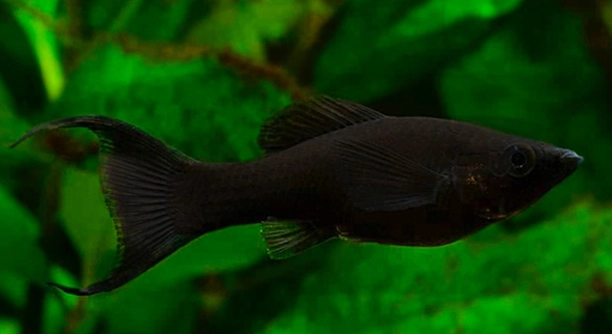
Do you ever find yourself preparing to move your Black Molly to a new tank but worry about how it will handle the change? Tank transfers can be stressful for these delicate fish and require careful attention.
The most effective way to ensure a smooth tank transfer for Black Molly is by gradually acclimating them to the new environment. Maintaining consistent water parameters, minimizing sudden changes, and monitoring their behavior closely reduces stress and promotes overall health during the transition.
Understanding the proper steps for tank transfers can prevent unnecessary stress and health issues for your fish. Following these tips will make the process safer and easier.
Preparing the New Tank
Before moving your Black Molly, make sure the new tank is fully ready. Check the water temperature, pH, and hardness to match their current environment. Add any decorations or hiding spots so they feel secure. Avoid adding new fish immediately, as this can increase stress. Ensure the filter and heater are running correctly to maintain stable conditions. A clean, well-prepared tank reduces shock and makes the transfer smoother. Gradually introduce the new water over a few days if needed, to balance chemicals and temperature. This step helps your Molly adjust quickly. Remove any leftover food or debris from the old tank to prevent contamination. Keep the lighting soft initially, as sudden brightness can cause anxiety. Preparing in advance avoids last-minute problems and keeps your fish calm during the move.
Starting with a well-prepared tank prevents most transfer-related issues and keeps your Black Molly safe.
Consistency in the new environment is key. Slowly acclimate your fish to prevent temperature or chemical shock. Observe their behavior for signs of stress. Feed small amounts of familiar food, and avoid overcrowding to reduce tension. Regularly test water parameters to ensure stability. Hiding spots and gentle water flow help them feel secure. By maintaining a calm, stable tank, your Black Molly can adjust more easily.
Acclimating Your Black Molly
Acclimation reduces stress and helps fish adjust to new water conditions.
Start by floating the Molly in a bag or container for 15–20 minutes to match temperatures. Gradually mix small amounts of the new tank water every 5 minutes over an hour. Avoid rushing this process, as sudden changes can shock the fish. Observe how your Molly reacts. If they seem distressed, slow down the acclimation. Gentle movements and minimal handling further prevent stress. Once the fish is comfortable, release it carefully into the new tank, allowing it to swim out on its own.
Proper acclimation supports long-term health and reduces risks like disease or sudden death. Black Mollies are sensitive to rapid changes, so patience is essential. Consistently monitoring water parameters during this period ensures their environment remains safe. Hiding spots, stable temperature, and calm surroundings help them feel secure and confident in their new home. By carefully managing this process, you create a smooth transition that encourages healthy adaptation. Observing feeding habits and general activity in the days following the transfer confirms a successful acclimation and identifies any early issues before they worsen.
Minimizing Stress During Transfer
Keep movements slow and deliberate when transferring your Black Molly. Avoid splashing water or sudden movements. Stress can weaken their immune system and cause erratic behavior.
Use a small net or container to gently move your fish. Limit handling as much as possible, since excessive contact can damage their delicate fins and scales. Ensure the new tank environment is calm, with soft lighting and no loud noises nearby. Reducing stress at every step helps prevent illness and keeps your Molly active and healthy.
Observe your Molly carefully during and after the transfer. Watch for signs of lethargy, rapid gill movement, or hiding. Adjust the environment if needed, such as lowering water flow or adding more hiding spots. Feeding small portions of familiar food encourages normal behavior. Keeping a close eye on water parameters, temperature, and pH stability ensures a smoother adjustment. By addressing stress factors proactively, your Black Molly can adapt faster, stay healthy, and regain confidence in the new tank.
Monitoring Water Quality
Regular testing is essential to maintain stable conditions in the new tank. pH, temperature, and hardness must remain consistent.
Check water daily during the first week after the transfer to detect any changes early. Sudden shifts in temperature or chemical levels can harm your Black Molly. Use reliable test kits and maintain a log for reference.
Cleaning and maintenance routines are crucial for water quality. Avoid overfeeding, as uneaten food can decompose and increase ammonia levels. Perform partial water changes carefully, keeping temperature and pH consistent. Ensure filters are functioning correctly and clean them as needed without disrupting beneficial bacteria. By actively monitoring water quality, you provide a healthy environment, prevent stress-related illness, and support the long-term well-being of your Black Molly. A stable tank encourages normal behavior and feeding, helping your fish thrive after the transfer.
Gradual Lighting Adjustment
Keep the lighting gentle during the first few days in the new tank. Sudden bright light can cause stress and hiding behavior.
Introduce normal lighting gradually, increasing intensity over several hours. This helps your Black Molly adjust without feeling threatened or disoriented.
Observing Feeding Habits
Monitor your Black Molly’s eating patterns after the transfer. A decrease in appetite is normal initially but should return quickly. Offer small, familiar portions multiple times a day. Avoid overfeeding, which can foul the water and cause digestive issues. Encourage natural foraging behavior by scattering food near hiding spots. Keep a record of how much they eat and note any unusual behaviors. Feeding consistently at the same times daily helps them regain routine and confidence. Patience is important, as a calm, stable environment encourages normal feeding and overall health in the new tank.
Preventing Aggression
Separate any aggressive tank mates immediately.
Aggression can cause stress or injury. Observe interactions carefully, especially during the first week, and provide extra hiding spots if necessary.
FAQ
How long should I acclimate my Black Molly to the new tank?
Acclimation should take at least one hour, using a gradual water mixing method. Float your Molly in a bag or container and add small amounts of new tank water every 5–10 minutes. This prevents sudden temperature or chemical changes that can stress or harm your fish.
Can I transfer multiple Black Mollies at once?
Yes, but ensure the container is large enough to give them space and reduce stress. Overcrowding increases aggression and can lead to injuries. Transfer in small groups if needed, and monitor behavior closely during the first few hours.
What water parameters are best for Black Mollies?
They prefer slightly alkaline water with a pH between 7.5 and 8.5, temperature between 75–82°F, and moderate hardness. Matching these conditions during a tank transfer minimizes shock and supports their health.
How do I know if my Black Molly is stressed?
Signs include rapid gill movement, hiding, clamped fins, and decreased appetite. Monitor behavior closely after a transfer. Adjust lighting, provide hiding spots, and ensure stable water conditions to help reduce stress quickly.
Is it safe to add plants and decorations before the transfer?
Yes, but make sure they are clean and free from chemicals or pests. Plants provide hiding spots and reduce stress. Decorations should be stable to prevent sudden movements that might scare your fish.
How often should I check water quality after transferring?
Daily checks during the first week are recommended. Test temperature, pH, and ammonia levels to detect issues early. After the first week, you can monitor every 2–3 days while maintaining regular maintenance routines.
Should I feed my Molly immediately after the transfer?
Wait a few hours before feeding to allow them to settle. Offer small portions of familiar food to encourage normal eating habits without fouling the water. Feed gradually over the next few days until their appetite stabilizes.
What if my Black Molly hides constantly?
Hiding is normal initially, especially in a new environment. Ensure there are adequate hiding spots, reduce bright light, and avoid sudden movements near the tank. Their confidence usually returns within a few days as they adjust.
Can sudden water changes harm my Black Molly?
Yes, rapid changes in temperature, pH, or chemical composition can cause shock or illness. Always match water conditions and make changes gradually to protect their health.
Do Black Mollies need a quarantine tank before transfer?
It’s recommended if you are introducing fish from another source. Quarantine prevents disease spread and allows you to monitor new fish before adding them to the main tank. Even healthy-looking fish can carry pathogens.
How do I prevent aggression after a transfer?
Provide enough space, hiding spots, and maintain a calm environment. Observe interactions carefully, especially during the first week. If aggression persists, consider separating aggressive individuals temporarily to avoid stress or injury.
How long will my Molly take to fully adjust?
Adjustment usually takes several days to a week. Behavior should normalize gradually. Feeding, swimming patterns, and interaction with other tank mates indicate how well they have adapted to the new tank.
Can I use a net to move my Black Molly directly into the new tank?
Yes, but handle gently and avoid stressing the fish. Allow them to swim out on their own if possible. Excessive handling can damage fins or scales and increase stress.
Are there any signs of illness I should watch for after a transfer?
Look for clamped fins, white spots, lethargy, or loss of appetite. These can indicate stress-related illness or infection. Address water quality and provide treatment if necessary. Early intervention improves recovery chances.
What is the best way to introduce other fish to the new tank?
Introduce new tank mates gradually after your Black Molly has adjusted. Monitor behavior and provide hiding spots to reduce stress and prevent aggression. Avoid adding multiple species simultaneously.
How do I maintain stable water conditions during a transfer?
Match temperature, pH, and hardness between old and new tanks. Avoid sudden changes in water chemistry, and perform slow acclimation. Use a reliable thermometer and test kits to monitor levels consistently.
Can stress affect breeding in Black Mollies?
Yes, stressed fish may stop breeding or produce fewer healthy fry. Providing stable water conditions, proper diet, and a calm environment encourages natural breeding behavior.
How important is lighting during the adjustment period?
Soft, gradual lighting helps reduce stress. Sudden bright light can cause hiding and erratic behavior. Increase lighting slowly over the first few days while observing your fish’s response.
Should I separate sick or weak fish during transfer?
Yes, isolating them prevents further stress or disease spread. Monitor and treat them separately until they recover and are strong enough to rejoin the main tank.
How can I tell if my Molly is fully comfortable in the new tank?
Normal swimming, active feeding, and interaction with other fish are good signs. Confidence in exploring the tank indicates a successful adjustment to the new environment.
Final Thoughts
Transferring a Black Molly to a new tank can feel like a delicate task, but with careful preparation, it can be smooth and stress-free. Ensuring the new tank is ready before the move is essential. Checking water parameters like temperature, pH, and hardness is a key step to prevent shock. Adding hiding spots, plants, and gentle water flow helps your Molly feel secure from the moment it enters the new environment. A calm and consistent tank reduces stress and allows the fish to adjust more easily. Small adjustments, like soft lighting and minimal noise around the tank, also make a difference. Preparation is not just about the physical setup but also about anticipating the needs of your fish and reducing potential stressors. Taking the time to create a safe, stable environment ensures a smoother transfer and promotes long-term health.
Acclimation is another crucial element in the process. Gradually introducing your Black Molly to the new tank prevents sudden temperature or chemical changes that could harm them. Using a slow water mixing method over the course of an hour or more helps the fish adjust comfortably. Watching your Molly’s behavior during this period provides valuable insights. Signs like hiding, clamped fins, or rapid gill movement indicate stress, which can often be reduced by providing more hiding spots or adjusting lighting and water flow. Feeding small amounts of familiar food during the first few days encourages normal behavior and helps the fish regain confidence. Consistent observation and small, careful adjustments during acclimation support their adaptation and reduce the likelihood of illness. Every step taken to reduce stress and maintain stability contributes to a successful transition.
After the transfer, ongoing care and monitoring are essential to keep your Black Molly healthy. Maintaining stable water conditions, checking water quality regularly, and observing behavior ensures that your fish can thrive in its new home. Watch feeding habits, interactions with other tank mates, and general activity to identify any potential issues early. Preventing aggression and providing a calm environment further support the fish’s comfort. Even after a successful transfer, patience is necessary, as it may take several days for your Black Molly to feel fully settled. By following these steps and paying attention to both the environment and behavior, you provide the best possible conditions for your fish, helping it stay healthy, active, and confident in its new tank.

Hello,
If you enjoy the content that we create, please consider saying a "Thank You!" by leaving a tip.
Every little bit helps us continue crafting quality advice that supports the health, happiness, and well-being of pets around the world, for pets of all shapes, sizes, and species.
We really appreciate the kindness and support that you show us!