
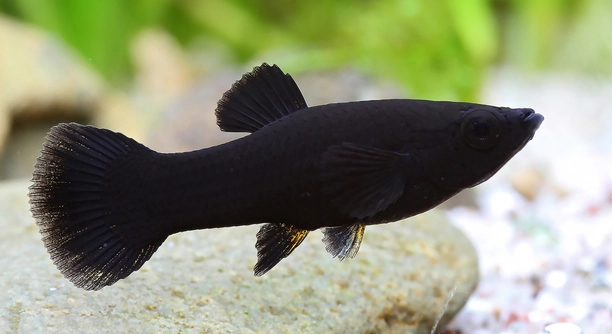
Breeding black mollies can be a rewarding experience, but managing their fry can be challenging for many hobbyists. Ensuring the survival of baby fish often requires careful planning and the right equipment in your tank.
Using a breeding box provides a safe environment for black molly fry, preventing adult fish from harming them. It allows controlled feeding, reduces stress on the mother, and improves overall survival rates of the young fish.
Knowing how a breeding box benefits your black mollies can make a significant difference in their health and growth. Understanding these advantages will help you care for them more effectively and confidently.
Provides a Safe Space for Fry
A breeding box creates a secure area where black molly fry can grow without threat from adult fish. In a regular tank, adults may eat the newborns, and the small fry often struggle to find food. The box allows the young to swim freely, explore, and eat small portions of food without constant danger. Using one also reduces stress for the mother, who can feel protected while giving birth. Many aquarists notice higher survival rates when fry remain in a dedicated space. It also makes feeding easier since you can add finely crushed flakes or specialized fry food directly to the box. You can monitor their growth and adjust water conditions to suit the fry better. Cleaning the box regularly prevents leftover food from decaying, keeping water quality stable. Overall, the box provides both safety and structure, essential for healthy fry development.
Keeping fry separated early ensures a higher number of surviving fish. It also simplifies observation and care routines.
By isolating the young black mollies, you can track which ones are growing well and identify any issues quickly. The controlled environment helps in feeding evenly and prevents competition for food. It also reduces accidental injuries and stress caused by tankmates. Over time, fry develop stronger swimming skills and better health, making them ready to join the main tank safely. Using a breeding box also allows gradual acclimation to tank conditions, helping fry adjust without sudden changes. Many aquarists notice that boxes reduce the risk of disease spread since the young are separated from potential pathogens in the main tank. Proper placement of the box, away from strong currents and near gentle filtration, ensures stable water quality. This setup creates an ideal microenvironment where black molly fry can thrive while giving the caretaker more control over their early growth stages.
Reduces Stress on the Mother
A separate space helps the female feel safe during birth. She is less likely to hide or become aggressive.
Stress-free conditions improve reproductive health and lower the chance of complications during birthing. A calm environment encourages natural behavior, supporting healthier fry. Mothers recover faster, and caretakers can monitor both mother and offspring closely for any signs of trouble. Placing a breeding box with gentle lighting and minimal disturbances ensures the mother can rest, eat, and interact safely with her babies. Over time, females accustomed to this setup tend to show less fear in the tank, which can lead to more frequent and successful births. Managing stress also reduces the risk of injury to both the mother and fry, creating a safer environment for everyone involved.
By minimizing stress, the mother black molly can give birth naturally and maintain her strength for future spawning. Stress reduction also leads to improved behavior in the tank and ensures the fry are not exposed to chaotic or unsafe conditions. Regular observation in a calm environment allows you to notice subtle changes in health or behavior early. Over time, this practice builds a more stable tank ecosystem. It also encourages better feeding habits for both mother and fry, which supports proper growth and energy levels. Stress management is crucial for the well-being of all fish, and a breeding box is a practical tool to achieve this. Maintaining the mother’s comfort directly influences the fry’s survival and overall tank harmony.
Easy Monitoring of Fry Growth
A breeding box makes it simple to watch the fry grow daily. You can check their size, activity, and health without interference from other tank fish. This helps in identifying problems early and adjusting care.
By keeping fry in a separate, transparent space, you can track development more accurately. You can see which fry are eating well and which may need extra attention. Observing their swimming patterns and behavior allows quick detection of illness or weakness. Feeding can be done in controlled portions, ensuring all fry get enough nutrition without leftover food fouling the water. Monitoring also includes checking water conditions inside the box, such as temperature and cleanliness, which directly impact survival rates. Many aquarists find that consistent observation in a breeding box leads to healthier, more robust fry.
Having the fry in one confined area reduces stress and prevents them from hiding, making observation efficient. You can notice small changes, like slow growth or lethargy, and take action before problems escalate. Regular monitoring also helps in adjusting the amount and type of food as the fry develop. Additionally, keeping a close eye on water quality inside the box ensures a stable environment, minimizing risks of disease or poor health. The convenience of a breeding box allows daily checks without disturbing the main tank or the mother.
Simplifies Feeding
A breeding box allows precise feeding for fry. Small amounts of crushed flakes or specialized food reach every fry without competition from adults.
Feeding fry in the main tank can be challenging since adults often eat first. A box ensures that all young fish get proper nutrition. You can control portions and frequency, reducing the risk of overfeeding, which can foul the water. The confined space allows fry to find food easily, promoting steady growth and energy for swimming. Monitoring feeding behavior also helps identify weak fry needing extra care. Using a breeding box creates a predictable feeding routine, which supports healthier development and stronger immune systems in young black mollies.
With a dedicated feeding area, fry grow faster and healthier. The controlled environment allows observation of each feeding session and adjustment as needed. Feeding small amounts multiple times a day ensures the fry consume all the food without wastage. The mother is also less stressed when fry are fed separately, as she doesn’t have to compete for food. Maintaining consistent nutrition during early growth stages prevents malnutrition and supports robust development. Over time, fry learn to eat efficiently, making the transition to the main tank smoother and safer.
Reduces Risk of Injury
A breeding box keeps fry safe from sudden attacks or accidental bumps by adult fish. The enclosed space ensures they swim freely without risk of being crushed.
Fry are delicate, and even small collisions can cause stress or physical damage. A box reduces these risks significantly.
Maintains Cleaner Water
Water inside the breeding box stays cleaner because leftover food and waste are easier to manage. This prevents harmful buildup and promotes healthier fry development. Regular cleaning keeps ammonia and nitrite levels low, which is critical for sensitive young fish. Proper water maintenance directly supports survival rates.
Supports Gradual Acclimation
Fry can adjust to main tank conditions slowly while still being protected. A breeding box allows controlled exposure to normal tank water.
Encourages Natural Behavior
Within a breeding box, fry can swim, explore, and interact naturally. They develop instinctive movements and feeding habits safely.
FAQ
How long should black molly fry stay in a breeding box?
Fry should typically remain in a breeding box for 3 to 4 weeks, depending on their growth and swimming ability. Once they are large enough to avoid being eaten by adult fish and can feed independently, they can be gradually introduced to the main tank.
Can adult mollies harm fry in a breeding box?
Most breeding boxes are designed to keep fry completely separated from adults, preventing harm. However, some flimsy or poorly designed boxes may allow small adults to reach through slits or gaps. Choosing a sturdy, well-ventilated box ensures complete protection for the fry.
What kind of food should I give the fry in the breeding box?
Fry need finely crushed flakes, powdered fry food, or liquid fry formulas. Small portions multiple times a day work best, as fry cannot compete with adults and need consistent nutrition. You can also occasionally feed tiny live foods like baby brine shrimp to boost growth.
How often should I clean the breeding box?
Cleaning should occur every few days or whenever leftover food and waste accumulate. Partial water changes and gentle scrubbing of the walls help maintain water quality without shocking the fry. Avoid full water changes all at once to prevent stress from sudden changes.
Can the mother stay in the breeding box with the fry?
Some mothers can stay in a partitioned box after birth, but it is often safer to remove them after giving birth. Adult fish, including the mother, may accidentally eat fry or cause stress, so separating the mother ensures fry survival while allowing her to recover.
Is it necessary to use a breeding box for black mollies?
Using a breeding box is not absolutely required but strongly recommended. In a community tank, survival rates without protection are low because adults tend to eat fry. A box improves survival, reduces stress, and allows easier feeding and monitoring.
Where should I place the breeding box in the tank?
Place the box away from strong currents, filters, and heaters that could disturb the fry. A calm area with stable water conditions works best. Partial shading or moderate lighting can help fry feel secure while still allowing observation.
How do I transition fry from the breeding box to the main tank?
Gradually acclimate fry by placing the box in the main tank for a few hours daily. This allows them to adjust to temperature and water conditions. Slowly remove the partition or release the fry when they are strong swimmers and capable of finding food independently.
Can breeding boxes prevent diseases?
A breeding box does not guarantee disease prevention, but it reduces exposure to adults that may carry pathogens. Maintaining clean water and careful feeding minimizes the risk of disease outbreaks among delicate fry. Regular observation helps catch issues early.
Do all black molly fry grow at the same rate in a breeding box?
Growth rates can vary. Some fry may grow faster or slower due to genetics or access to food. Monitoring helps identify weaker fry that may need additional care. A well-maintained breeding box ensures all fry have the chance to grow safely and reach a healthy size.
How many fry can I keep in one breeding box?
The number depends on the size of the box and water circulation. Overcrowding can lead to stress, poor growth, and water quality problems. It is better to keep fewer fry per box and provide multiple boxes if necessary to ensure their health and safety.
Can breeding boxes be used in small tanks?
Yes, small tanks can accommodate breeding boxes, but size matters. Ensure the box does not overcrowd the tank and that filtration and water flow remain stable. Even in compact tanks, a properly placed box improves fry survival and simplifies care.
Do I need to aerate water inside the breeding box?
Many boxes rely on water circulation from the main tank, which is often sufficient. However, in some setups, gentle aeration or a sponge filter inside the box can help maintain oxygen levels, especially if the fry are dense or water movement is minimal.
How long until fry are strong enough to feed themselves in the main tank?
Most fry become competent swimmers and feeders in about 3 to 4 weeks. At this point, they can find small food in the main tank, but close monitoring during the transition is still important to prevent loss and ensure healthy growth.
Can I use a breeding box for other livebearers besides black mollies?
Yes, breeding boxes work for most livebearers such as guppies, platies, and swordtails. The principles remain the same: protection, easy feeding, and monitoring. Adjust size and food according to the species, but the benefits are similar across livebearers.
Does water temperature affect fry survival in a breeding box?
Yes, maintaining stable water temperature is crucial. Extreme fluctuations can stress fry or slow growth. Black mollies prefer slightly warm, stable water. Use a heater if needed and monitor the temperature closely to ensure the box provides a safe environment.
What signs indicate fry are stressed in the breeding box?
Signs include lethargy, clumping in corners, erratic swimming, or poor feeding. Regular observation allows early detection. Adjusting water conditions, light, and feeding routines can help reduce stress and promote healthy growth.
Are there any alternatives to breeding boxes?
Alternatives include separate fry tanks or using tank dividers, but these require more space and equipment. Breeding boxes remain the simplest and most efficient method for small home aquariums to protect fry while simplifying feeding and observation.
How long can I leave fry in the breeding box before moving them?
Fry should remain in the box until they are strong swimmers, able to find food, and large enough to avoid being eaten. Typically, this takes 3 to 4 weeks, but careful observation determines the best time for each batch.
Can I reuse a breeding box for multiple spawning cycles?
Yes, a breeding box can be reused, but it must be cleaned thoroughly between uses to prevent disease or leftover waste from affecting new fry. Proper care ensures long-term usability and safe conditions for multiple generations.
Using a breeding box for black mollies is one of the most effective ways to ensure fry survive and grow healthy. The box provides a safe space where the young fish are protected from adult tankmates, including their mother. Without this protection, many fry are likely to be eaten or injured, which can be frustrating for anyone trying to raise healthy fish. A breeding box also reduces stress for the mother, allowing her to recover after giving birth without worrying about her young being in danger. By keeping the fry separate, you can monitor their growth, feeding habits, and overall health more closely, which makes it easier to intervene if a problem arises.
Feeding and water management are simpler when using a breeding box. Fry can receive small portions of crushed flakes, powdered food, or live food in a controlled area without competing with larger fish. This ensures that all fry get enough nutrition, which is critical during the first few weeks of life. Water inside the box can also be managed more easily, with regular partial changes and cleaning helping to maintain stable conditions. Stable water quality reduces stress and lowers the risk of disease, giving the fry a stronger start. Over time, fry in a breeding box tend to grow more evenly and develop better swimming skills, making the transition to the main tank smoother and safer.
Overall, a breeding box is a practical and low-effort tool that benefits both the fry and the adult fish. It provides security, reduces stress, and simplifies daily care, which can make raising black mollies a more successful and rewarding experience. Even in smaller tanks, a breeding box can improve survival rates and allow you to observe the development of your fry in a controlled environment. While some aquarists may manage without one, the advantages are clear: healthier fry, less stress for the mother, and easier monitoring and feeding. Using a breeding box is a simple step that makes the process of raising black mollies more predictable and enjoyable, ultimately giving your fish the best chance to thrive.

Hello,
If you enjoy the content that we create, please consider saying a "Thank You!" by leaving a tip.
Every little bit helps us continue crafting quality advice that supports the health, happiness, and well-being of pets around the world, for pets of all shapes, sizes, and species.
We really appreciate the kindness and support that you show us!