
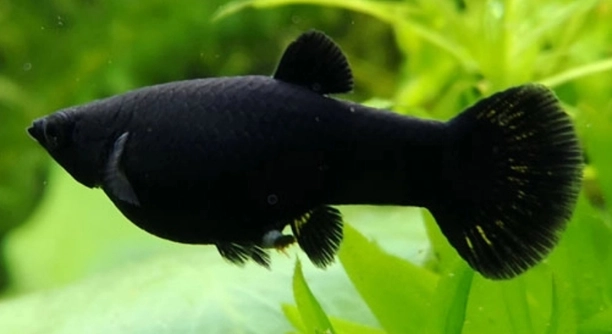
Black mollies are popular freshwater fish known for their sleek, dark appearance and active swimming. Sometimes, they appear to hover mid-water, staying in one spot without moving much. This behavior can catch the attention of attentive aquarists quickly.
The primary reason a black molly hovers is often due to water conditions, buoyancy adjustments, or stress factors. Changes in temperature, pH levels, or swim bladder issues can influence their ability to maintain normal swimming patterns and stability.
Understanding these behaviors can help maintain a healthy tank environment and ensure your mollies thrive with minimal stress or health complications.
Common Reasons Black Mollies Hover
Black mollies may hover for several reasons related to their environment or health. One frequent cause is water quality. Poor water conditions, including improper temperature, pH imbalance, or high ammonia levels, can stress the fish and alter their swimming patterns. Mollies are sensitive to sudden changes, so maintaining stable conditions is essential. Another factor is buoyancy. Swim bladder issues can make it difficult for the fish to control its position in the water column, leading to hovering or floating unevenly. Stress can also trigger this behavior. Overcrowding, aggressive tankmates, or a lack of hiding spots can make black mollies uneasy, causing them to pause mid-swim. Observing their movement, appetite, and interactions helps identify the underlying reason. Proper diet, regular water changes, and a stable environment can reduce hovering and encourage normal activity. Regularly testing water parameters prevents problems before they escalate, keeping your mollies healthy and active.
Stress and health issues are the main reasons for hovering behavior. Stable water and proper care help minimize this.
Addressing hovering behavior involves observing your mollies closely and taking action where necessary. Start by checking water parameters such as temperature, pH, ammonia, nitrite, and nitrate levels. Adjusting these gradually prevents shock. Inspect the fish for signs of swim bladder problems or physical deformities. Feeding a balanced diet and avoiding overfeeding reduces digestive issues that can affect buoyancy. Providing enough space and hiding spots helps reduce stress from aggressive tankmates. If problems persist, isolating the affected fish in a quarantine tank allows targeted care, including temperature adjustments and monitoring food intake. Consistent maintenance, such as partial water changes and gentle tank cleaning, supports a stable environment. By observing behavior, adjusting conditions, and providing proper care, hovering can often be corrected without medical intervention. Remaining attentive to your fish’s health ensures they stay active, comfortable, and well-adapted to their habitat.
Monitoring and Maintenance
Regular observation is key to preventing prolonged hovering. Small changes in behavior can indicate environmental or health issues.
Frequent checks of water quality, tank cleanliness, and fish activity prevent stress-related problems. Monitoring feeding habits and interactions also helps identify early warning signs. Consistent care maintains stability, reducing the chance of recurring hovering behaviors. Proper filtration, balanced diet, and adequate space ensure black mollies remain healthy. Establishing a routine for tank maintenance makes it easier to spot issues before they worsen, giving you control over the fish’s comfort and activity. Additionally, paying attention to individual fish differences allows you to address unique needs. Some mollies may be more sensitive to temperature shifts or social stress, so tailoring care to each fish improves overall well-being. Keeping detailed notes on water tests, feeding schedules, and behavior changes helps track patterns and respond quickly. Regular maintenance combined with careful observation provides a reliable foundation for healthy, active mollies and minimizes hovering episodes.
Diet and Feeding Habits
Overfeeding can cause black mollies to struggle with buoyancy, leading to hovering. A balanced diet with controlled portions helps maintain normal swimming. Avoid feeding once daily in excess, as this can impact digestion and overall health.
Providing a varied diet that includes high-quality flakes, frozen, and live foods supports digestion and swim bladder function. Uneaten food should be removed promptly to prevent water contamination. Feeding small amounts multiple times a day is often better than one large meal. Mollies also benefit from occasional vegetable matter, such as blanched spinach or zucchini, which helps regulate their digestive system. Maintaining proper feeding routines ensures the fish stay active and reduces the likelihood of hovering caused by digestive or nutritional issues. Observing their response to feeding can reveal early signs of distress or health concerns, allowing adjustments before problems worsen.
Certain foods, especially those high in starch or poorly prepared live foods, can contribute to digestive issues affecting buoyancy. If hovering occurs after feeding, consider changing the diet or spacing meals differently. Introducing fiber-rich vegetables can help alleviate constipation and improve overall swim bladder function. Overfeeding and sudden diet changes are common contributors to temporary hovering, but with careful monitoring, most issues can be corrected quickly. Regular feeding schedules, along with attention to portion size, prevent stress on the digestive system, supporting healthy activity levels. Consistent dietary care also encourages natural behavior and reduces the need for intervention.
Tank Environment
Crowded tanks can stress black mollies, causing them to hover more than usual. Adequate space and proper tank layout help them swim freely and reduce stress.
Proper filtration and water flow are crucial for maintaining a stable environment. Avoid strong currents, as mollies prefer gentle movement. Hiding spots, plants, and decorations provide security and reduce anxiety. Regular water changes prevent the buildup of harmful chemicals and maintain optimal conditions. Temperature fluctuations should be minimized, keeping the water within a comfortable range for black mollies. Monitoring pH and hardness supports stable conditions. A well-maintained tank encourages natural swimming patterns and helps mollies stay active. Providing a balanced environment ensures health and reduces hovering caused by stress or instability.
Swim Bladder Issues
Swim bladder problems can make black mollies hover or float unevenly. This condition often results from overfeeding, constipation, or bacterial infections. Early detection is important to prevent further complications.
Providing a proper diet and maintaining clean water helps reduce the risk of swim bladder disorders. Observing fish behavior daily can catch early signs, allowing timely care and adjustments.
Temperature and Water Conditions
Temperature fluctuations and unstable water parameters can affect mollies’ buoyancy. Consistently warm, stable water within the species’ preferred range supports healthy swimming patterns. Sudden changes in temperature or pH can cause stress, leading to hovering. Regular monitoring and adjustments prevent these issues from escalating.
Stress and Tankmates
Aggressive or overly active tankmates can make black mollies feel threatened, leading them to hover to avoid confrontation. Maintaining a calm, compatible community reduces anxiety and encourages normal activity.
FAQ
Why is my black molly hovering near the surface?
Hovering near the surface often indicates stress or oxygen deficiency. Poor water circulation, low oxygen levels, or high temperatures can make mollies seek areas where oxygen is more available. Ensuring proper aeration, using a gentle filter, and maintaining ideal temperature can help them swim normally.
Can overfeeding cause my molly to hover?
Yes, overfeeding can lead to digestive issues or constipation, which directly affect swim bladder function. Feeding smaller portions multiple times a day and including fiber-rich vegetables helps prevent buoyancy problems and reduces the chance of hovering.
Is hovering a sign of illness?
Hovering can indicate health issues like swim bladder disorder, bacterial infections, or internal parasites. Observing other symptoms such as lethargy, loss of appetite, or unusual swimming patterns can help determine if medical intervention is needed. Prompt attention improves recovery chances.
How can water quality affect my molly’s behavior?
Poor water quality, including incorrect pH, high ammonia, or nitrite levels, can stress mollies and lead to hovering. Regular water testing, partial water changes, and proper filtration maintain a stable environment that supports normal swimming behavior.
Can tankmates influence hovering?
Yes, aggressive or overly active tankmates can intimidate mollies, causing them to hover to avoid confrontation. Providing hiding spots, sufficient space, and compatible companions reduces stress and encourages more natural movement.
Does temperature impact buoyancy?
Temperature fluctuations affect metabolism and swim bladder function. Water that is too warm or cold can stress mollies, causing hovering. Keeping the tank within the species’ preferred temperature range helps maintain stable swimming and overall health.
What diet helps prevent hovering?
A balanced diet with high-quality flakes, occasional live or frozen foods, and vegetables prevents digestive problems. Avoiding overfeeding and sudden diet changes supports swim bladder function, reducing buoyancy issues and promoting normal swimming patterns.
How do I treat swim bladder issues?
Treatment includes adjusting diet, fasting for a day or two, and feeding fiber-rich foods to relieve constipation. Maintaining optimal water conditions and reducing stress also aids recovery. Severe cases may require veterinary consultation or isolation for close observation.
Can stress alone cause hovering?
Yes, stress from overcrowding, tank changes, or aggressive fish can make mollies hover. Creating a calm environment with sufficient space, hiding spots, and stable water conditions helps mollies feel secure and encourages normal swimming behavior.
How long does it take for a hovering molly to recover?
Recovery depends on the cause. Minor issues like temporary stress or diet adjustments can resolve within a few days. Swim bladder problems or illness may take weeks and require consistent care. Monitoring behavior and adjusting conditions support faster recovery.
Should I separate a hovering molly?
If the fish shows signs of illness, separation can reduce stress and allow targeted treatment. Using a quarantine tank with stable water and proper diet helps monitor recovery while preventing potential spread of disease.
Can I prevent hovering from happening again?
Yes, consistent maintenance, proper diet, monitoring water quality, and providing a stress-free environment significantly reduce the chances of recurring hovering. Observing mollies daily ensures early detection of potential issues before they become severe.
Does age affect hovering?
Older mollies may develop swim bladder issues or reduced mobility, which can cause occasional hovering. Young or newly introduced mollies may also hover as they adapt to the tank. Careful observation and supportive care help maintain healthy activity levels.
Are there long-term effects if hovering is ignored?
Prolonged hovering due to unresolved issues can lead to further health complications, including stunted growth, secondary infections, or organ stress. Addressing the underlying cause promptly is essential to ensure the long-term well-being of your mollies.
Can tank decorations impact hovering?
Dense or poorly arranged decorations may restrict movement or create stress. Providing open swimming areas along with hiding spots allows mollies to feel safe while maintaining natural swimming patterns, reducing hovering behavior.
Is it normal for mollies to hover sometimes?
Occasional hovering can be normal, especially after feeding or during rest periods. Persistent hovering, erratic swimming, or other behavioral changes usually indicate an underlying issue that should be addressed promptly.
How often should I test water to prevent hovering?
Weekly testing of pH, ammonia, nitrite, and nitrate levels is recommended. Frequent checks help maintain stable conditions, reducing stress and preventing behaviors like hovering. Proper filtration and routine water changes support long-term stability.
Can lighting affect hovering?
Harsh or inconsistent lighting may stress mollies, causing them to hover near shaded areas. Providing natural light cycles and avoiding sudden bright light changes supports a calm environment and encourages normal swimming patterns.
What signs indicate the hovering is serious?
Persistent hovering, erratic swimming, loss of appetite, clamped fins, or unusual color changes often indicate serious health problems. Quick intervention, proper water conditions, and dietary adjustments are essential for recovery.
Does tank size matter for hovering?
Smaller or overcrowded tanks increase stress and reduce swimming freedom, which can lead to hovering. Ensuring adequate space, proper population density, and environmental enrichment promotes normal movement and reduces stress-related hovering.
Final Thoughts
Black mollies are lively and beautiful fish, but their behavior can sometimes be confusing, especially when they start hovering. This behavior is usually a response to environmental changes, diet, stress, or health issues. Observing your fish closely and understanding the signs they give can help you identify the reason behind hovering. Often, it is not a serious problem but a signal that something in their care routine needs attention. Paying attention to water conditions, tankmates, diet, and overall tank setup ensures that your mollies remain healthy and active, reducing the chances of hovering becoming a persistent issue.
Maintaining stable water parameters is one of the most important steps in preventing hovering. Black mollies are sensitive to changes in temperature, pH, and chemical levels. Even small fluctuations can stress them, causing unusual behavior. Regular water testing and adjustments, combined with consistent cleaning and proper filtration, help maintain a balanced environment. Equally important is providing the right space and tank setup. Overcrowding or aggressive tankmates can make mollies feel insecure, which often results in hovering as a coping mechanism. Offering enough room to swim freely, gentle currents, and hiding spots encourages natural behavior and reduces stress.
Diet and feeding routines also play a key role in buoyancy and overall activity. Overfeeding or feeding improper foods can cause digestive issues, affecting the swim bladder and leading to hovering. Including a mix of high-quality flakes, occasional live or frozen foods, and fiber-rich vegetables can support digestive health and maintain normal buoyancy. Observing how your mollies respond to feeding and making adjustments when needed helps prevent problems before they escalate. In combination with proper tank maintenance and careful monitoring of tankmates, a thoughtful approach to diet ensures your mollies stay active, comfortable, and free from hovering issues. With attention to these details, black mollies can thrive in a healthy, stable environment, displaying their natural swimming patterns without concern.

Hello,
If you enjoy the content that we create, please consider saying a "Thank You!" by leaving a tip.
Every little bit helps us continue crafting quality advice that supports the health, happiness, and well-being of pets around the world, for pets of all shapes, sizes, and species.
We really appreciate the kindness and support that you show us!