
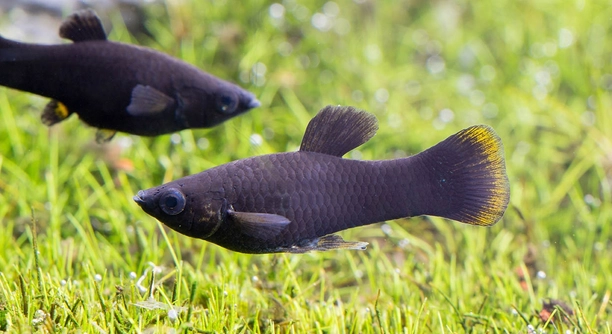
Black Mollies are small, peaceful fish that bring life and movement to any aquarium. Their dark coloration adds contrast, and they enjoy exploring spaces filled with plants. Many aquarists appreciate their calm and social nature.
Black Mollies can be successfully kept in a planted tank. They thrive in environments with live plants, which offer hiding spots, reduce stress, and improve water quality, supporting the fish’s overall health and natural behaviors in captivity.
Choosing the right plants and layout can enhance your tank’s beauty while promoting a healthier, more active environment for your Black Mollies.
Ideal Plants for Black Molly Tanks
Adding live plants to a Black Molly tank is more than decoration. Plants provide hiding spaces that help fish feel secure, especially when they are adjusting to a new environment. Tall stem plants like hornwort and water wisteria give cover, while shorter plants such as java moss or anubias create ground-level shelter. Floating plants like duckweed or frogbit can help diffuse bright lighting and reduce stress for skittish fish. Plants also help maintain water quality by absorbing nitrates and other waste products, keeping the tank cleaner and healthier. Black Mollies are active swimmers, so leaving open swimming areas between plants is important to avoid overcrowding. You’ll notice that fish often explore plants and use them for resting spots or spawning areas. A planted tank not only looks natural but also encourages behaviors closer to what Black Mollies would experience in the wild, supporting both physical and mental well-being.
Plants in the tank reduce stress, improve oxygen levels, and create a more stable environment, which helps Mollies thrive.
When choosing plants, consider growth rate and maintenance. Fast-growing plants like hornwort can absorb excess nutrients but may need frequent trimming. Low-maintenance plants like anubias and java fern attach to rocks or driftwood and don’t require substrate planting. Mixing tall, mid-height, and floating plants creates a balanced layout. Avoid delicate or easily eaten plants, as Mollies may nibble on soft leaves. A diverse plant setup also supports natural behaviors, giving Black Mollies areas to explore, hide, and even breed. Over time, the plants will establish themselves, helping maintain water quality and reducing algae growth. By carefully selecting and arranging plants, you can create a tank that is both visually appealing and functional, providing your Black Mollies with a safe and stimulating environment they can enjoy every day.
Water and Tank Conditions
Maintaining clean, slightly alkaline water is essential for Black Mollies.
Black Mollies prefer temperatures between 72-82°F and pH levels around 7.5-8.0. Regular water changes and a good filtration system help keep ammonia and nitrate levels low, which is critical in a planted tank. Mollies enjoy moderate water flow, which can be achieved with gentle filtration or occasional aeration. Keeping consistent temperature and water parameters prevents stress and disease. The planted tank itself helps stabilize water by reducing toxins and offering natural hiding spots, making it easier for fish to adapt to changes.
Regular monitoring of water hardness and pH is important for Mollies, as soft or acidic water can affect their health. Plants contribute by absorbing excess nutrients and balancing the environment, but supplementation with trace elements may be needed. Lighting should be consistent, ideally 8-10 hours per day, to support plant growth without causing algae blooms. Avoid sudden changes in water chemistry, as Mollies are sensitive to rapid shifts. By maintaining stable conditions, the tank provides a supportive ecosystem that encourages healthy behavior, growth, and natural coloration in Black Mollies, making the aquarium more enjoyable to observe.
Feeding Habits and Diet
Black Mollies are omnivores and enjoy a mix of plant-based and protein-rich foods. They graze on algae in the tank and benefit from high-quality flake or pellet food. Supplementing with blanched vegetables like zucchini or spinach supports their health.
Providing a varied diet ensures Black Mollies get essential nutrients for growth and coloration. They respond well to live or frozen foods like brine shrimp or daphnia, which encourage natural hunting behavior. Feeding small amounts two to three times daily prevents overfeeding and helps maintain water quality. Overfeeding can lead to waste buildup, which may harm both fish and plants. Observing feeding habits also allows early detection of illness, as a healthy Molly eagerly accepts food. By keeping their diet balanced and consistent, you support both their physical health and natural energy levels.
Black Mollies may nibble on soft plant leaves, but a well-planned diet reduces the risk of them damaging delicate plants. Offering occasional treats like bloodworms can stimulate activity, while leafy greens promote digestion. Maintaining a feeding routine helps create a stable environment in a planted tank, keeping both the fish and plants thriving.
Tank Mates
Peaceful tank mates prevent stress and aggression among Black Mollies. Ideal companions include guppies, platies, and other small, non-aggressive fish.
When choosing tank mates, consider size, temperament, and water parameter compatibility. Black Mollies are social and enjoy schooling, so keeping at least three together is recommended. Avoid fin-nipping or overly aggressive species, as Mollies have delicate fins that can be damaged. Combining similar care requirements ensures all fish remain healthy and active. Mollies tolerate slightly brackish conditions, so species with similar adaptability are better suited. Observing interactions during the first weeks helps identify any issues early. Providing plenty of hiding spots and open swimming areas in a planted tank minimizes territorial disputes. A thoughtful selection of tank mates creates a harmonious environment, promoting both physical health and natural behavior for your Black Mollies.
Breeding Black Mollies
Black Mollies breed easily in a planted tank, using plants for hiding and spawning. Males often chase females gently, and live-bearing fry benefit from dense plant cover for safety.
Separating fry or providing thick plants ensures higher survival rates. Adult Mollies may nibble on young fish if no cover is available.
Common Health Issues
Black Mollies can be prone to fin rot, ich, and swim bladder problems, often caused by poor water quality or stress. Maintaining clean, stable water and a balanced diet reduces these risks. Observing behavior and promptly treating issues supports long-term health.
Tank Maintenance
Regular water changes of 20-30% weekly help remove waste and keep water parameters stable. Testing pH, hardness, and nitrate levels ensures the environment stays safe for Black Mollies.
FAQ
How many Black Mollies should be kept together?
Black Mollies are social fish and do best in groups of at least three. Keeping a small school helps reduce stress and encourages natural behavior. A tank with only one or two Mollies can make them shy or inactive. Grouping males and females in balanced numbers prevents excessive chasing and allows peaceful interactions. In a planted tank, having enough space and hiding spots ensures everyone feels secure. Adding more Mollies gradually, rather than all at once, helps maintain water quality and prevents overcrowding issues.
What water parameters are ideal for Black Mollies?
Black Mollies thrive in temperatures between 72°F and 82°F. They prefer slightly alkaline water with a pH of 7.5 to 8.0. Hardness should be moderate, around 10–25 dGH, to support their natural physiology. Consistency is key; sudden changes in temperature, pH, or hardness can stress fish, leading to illness. Using a reliable thermometer and water testing kit helps monitor conditions. Regular water changes of 20-30% weekly maintain stability. Filtration is important to remove waste, but strong currents should be avoided, as Mollies prefer moderate flow. A planted tank naturally supports stable water by absorbing excess nutrients.
Do Black Mollies eat plants in the tank?
Yes, Black Mollies may nibble on soft plants, especially if their diet lacks sufficient vegetables. They are omnivores and enjoy grazing on algae, but soft-leaved plants like hornwort or young stems may get nibbled. To prevent damage, provide a mix of hardy plants such as anubias, java fern, or moss. Supplement their diet with blanched vegetables like zucchini, spinach, or cucumber. This reduces the likelihood of them eating valuable plants while giving them essential nutrients. Floating plants can also distract them from nibbling on delicate leaves.
Can Black Mollies live with other fish?
Yes, Black Mollies are peaceful and do well with non-aggressive tank mates. Ideal companions include guppies, platies, mollies of different colors, and peaceful tetras. Avoid aggressive or fin-nipping species, as Black Mollies have delicate fins. Choosing fish with similar water requirements ensures compatibility and reduces stress. Introducing tank mates slowly and observing interactions during the first few weeks helps maintain harmony. A planted tank with hiding spots reduces territorial behavior and provides space for all species to feel safe.
How often should Black Mollies be fed?
Feed small amounts two to three times daily. Overfeeding can lead to poor water quality and health issues. A mix of flake or pellet food, along with occasional live or frozen foods like brine shrimp or daphnia, keeps them healthy and active. Vegetables such as blanched spinach or zucchini provide necessary fiber and nutrients. Observing their appetite helps adjust portions. Remove uneaten food promptly to prevent waste buildup, which can harm both fish and plants. Consistent feeding routines support their energy levels and promote vibrant coloration.
How do I care for Black Molly fry?
Fry need protection from adults, as adult Mollies may eat them. Dense plants or a separate breeding tank improve survival rates. Feed fry finely crushed flakes, baby brine shrimp, or specialized fry food. Frequent, small feedings help them grow steadily. Monitor water quality closely, as fry are sensitive to toxins and rapid changes. As they grow, gradually introduce them to the main tank. Maintaining stable temperature and pH is crucial for their development. Providing safe spaces in the planted tank ensures the fry can explore and feed without risk of predation.
What common health problems do Black Mollies face?
Fin rot, ich, and swim bladder issues are the most common. Poor water quality, stress, or sudden changes in conditions often cause these problems. Maintaining clean water, stable parameters, and a balanced diet reduces risk. Observing behavior and treating symptoms early prevents disease spread. Quarantining new fish before introducing them to the main tank helps avoid infections. Providing hiding spots in a planted tank lowers stress and supports recovery. Supplements or medications may be needed for more severe cases, but prevention through proper care is always better.
How long do Black Mollies live?
With proper care, Black Mollies typically live three to five years. Good water quality, balanced nutrition, and a stress-free environment extend lifespan. A planted tank contributes to longevity by reducing toxins, offering shelter, and encouraging natural behaviors. Monitoring health and promptly addressing issues supports a long, active life for your Mollies.
Is a planted tank necessary for Black Mollies?
While not strictly necessary, a planted tank greatly improves their health and comfort. Plants provide hiding spots, reduce stress, help maintain water quality, and allow natural behaviors like grazing and exploring. Combining open swimming areas with plant cover creates a balanced environment. Mollies often interact with plants for spawning, resting, or foraging. Dense vegetation also supports fry survival. Overall, plants make the tank safer, more stimulating, and closer to their natural habitat.
Can Black Mollies tolerate slightly salty water?
Yes, Black Mollies tolerate lightly brackish water, which can reduce stress and mimic natural conditions. A small amount of aquarium salt can be added gradually, but too much can harm other tank inhabitants. Monitor water parameters and the health of all fish when adding salt.
Black Mollies are hardy, adaptable fish that bring life and energy to a planted aquarium. Their calm temperament and small size make them a good choice for community tanks, especially when paired with peaceful tank mates. They enjoy swimming freely and exploring their environment, so a tank with a mix of open areas and plant cover works best. Live plants not only create a natural setting but also improve water quality and provide hiding spaces for both adult fish and fry. Over time, a well-planted tank helps reduce stress, encourages natural behaviors, and contributes to a healthier overall environment for the Mollies. Observing their interactions with plants, tank mates, and even each other can be satisfying and gives insight into their daily routines. A balanced setup helps ensure that these fish remain active, colorful, and healthy over the years.
Feeding and care are relatively straightforward with Black Mollies, but attention to detail is still important. They thrive on a mix of flake or pellet foods, supplemented with live or frozen options and blanched vegetables. Providing a varied diet supports their growth, coloration, and general well-being. Consistency in feeding, along with maintaining proper water parameters, is crucial. Mollies are sensitive to sudden changes in temperature, pH, or water hardness, so monitoring these factors regularly helps prevent stress or illness. Regular water changes, gentle filtration, and a clean tank environment make a noticeable difference in their behavior and health. Plants in the tank contribute to these efforts by absorbing excess nutrients and providing shelter. When fry are present, dense vegetation or a separate breeding area helps improve survival rates, as adults may occasionally nibble on young fish.
Black Mollies also adapt well to slightly brackish conditions, which can support their overall health and mimic natural habitats. Their social behavior means keeping at least three together is recommended, and peaceful tank mates complement their temperament. While they may nibble on soft-leaved plants, offering hardy plants and a balanced diet reduces damage. Watching Black Mollies interact with plants, water currents, and each other demonstrates their curiosity and liveliness. Proper attention to diet, tank maintenance, and compatible companions ensures they live longer, healthier lives. A planted tank with clean water, varied feeding, and suitable tank mates creates a stable environment that supports natural behavior and growth, allowing Black Mollies to thrive while enhancing the overall beauty of the aquarium.

Hello,
If you enjoy the content that we create, please consider saying a "Thank You!" by leaving a tip.
Every little bit helps us continue crafting quality advice that supports the health, happiness, and well-being of pets around the world, for pets of all shapes, sizes, and species.
We really appreciate the kindness and support that you show us!