
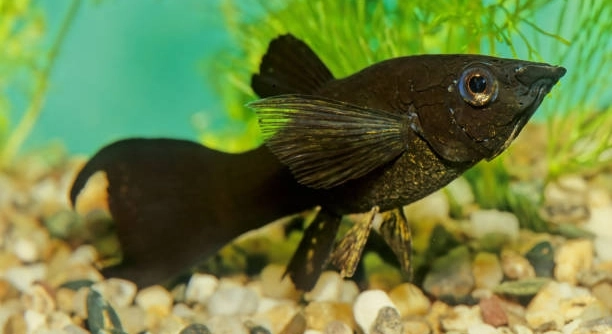
Have you ever started a new black molly tank and felt unsure if everything was going right? Setting up a healthy environment for these fish can be tricky, especially when beginning the cycling process in your aquarium.
The most common errors during black molly tank cycling include overfeeding, inconsistent water testing, neglecting ammonia spikes, skipping partial water changes, adding fish too early, mismanaging filter bacteria, and not monitoring pH and temperature levels. Correcting these errors ensures a safe environment for fish.
Understanding these mistakes early can save your fish from stress and health problems. Following proper steps helps create a thriving tank environment for black mollies.
Overfeeding During Tank Cycling
It is easy to get excited and feed your black mollies too much when starting a new tank. Overfeeding adds extra waste to the water, which increases ammonia and nitrite levels. During the cycling phase, bacteria are still establishing, so the water cannot handle excess nutrients. Uneaten food sinks to the bottom and begins to decay, which can make ammonia spikes worse. These spikes can stress or even kill fish if the tank is already populated. Feeding small amounts and removing leftovers is a simple way to prevent problems. Observing how quickly the fish eat can guide how much food is needed. Many aquarists assume more food is better, but moderation is key. Using a feeding schedule can help maintain consistency, ensuring your tank chemistry develops correctly. Small changes now make a big difference once the tank is fully cycled and ready for permanent residents.
Overfeeding can be avoided by feeding only what fish consume in a few minutes. This keeps water cleaner and cycling on track.
Keeping a careful feeding routine also benefits bacterial growth. Proper bacteria development relies on stable ammonia levels, which means avoiding sudden spikes from leftover food. Removing excess food prevents decay that can alter pH and oxygen levels. Watching the fish eat closely allows adjustments to portion sizes, reducing stress and waste. Overfeeding may seem harmless, but it can slow cycling and harm fish. Gradual feeding and observation help maintain healthy water chemistry and strong bacterial colonies. This step is essential for establishing a tank that supports black mollies long-term.
Inconsistent Water Testing
Neglecting to test water regularly can hide dangerous spikes in ammonia or nitrite, which are critical during cycling.
Skipping or delaying water tests prevents timely intervention when levels rise. This can lead to stressed fish or failed cycles. Frequent testing helps detect imbalances early and guides proper water changes or treatment to maintain safety.
Testing water at least every other day during cycling is essential. Ammonia and nitrite spikes can happen quickly, and without consistent monitoring, they may go unnoticed until fish show stress signs. Using reliable test kits ensures accuracy, which helps maintain proper water chemistry. Recording results allows tracking patterns and spotting potential problems before they escalate. Adjusting feeding, adding water, or pausing fish introduction are easier when testing data is available. Many aquarists underestimate how quickly water chemistry can shift, so regular checks prevent complications and create a stable environment for black mollies to thrive once cycling is complete.
Neglecting Partial Water Changes
Skipping partial water changes allows ammonia and nitrite to build up, which can stress black mollies. Regular water replacement helps maintain stable conditions and supports the growth of beneficial bacteria needed for cycling.
Partial water changes should be done carefully to avoid shocking the tank. Replacing 20-30% of the water weekly during cycling keeps toxins in check without disturbing bacterial colonies. Using dechlorinated water at the right temperature is important to prevent sudden stress. Consistent changes also help maintain pH stability and reduce the risk of algae growth. By keeping up with water changes, the tank becomes a safer environment for fish and allows the nitrogen cycle to progress efficiently.
Even small, irregular changes can disrupt the delicate balance of a cycling tank. Water chemistry fluctuates quickly in new tanks, and neglecting maintenance can lead to setbacks. Regular, moderate water changes create a steady environment, allowing bacteria to process waste properly. This reduces stress on black mollies, preventing illness and supporting healthy growth. Tracking water change schedules and observing water clarity are practical ways to ensure the tank develops as intended. Over time, these small steps build a strong foundation for a thriving aquarium.
Adding Fish Too Early
Introducing fish before the tank is fully cycled often results in high stress and disease risk. Fish produce waste faster than bacteria can process, causing ammonia spikes.
Fish added too soon can suffer from toxic water, which may stunt growth or lead to illness. Patience ensures a healthy tank.
Waiting until ammonia and nitrite are consistently at zero is essential before adding black mollies. Rushing the process can harm fish and disrupt cycling progress. Using a test kit helps confirm safe conditions. Quarantining new fish separately before introduction prevents spreading illness and reduces stress. Monitoring fish behavior after adding them is important to detect early signs of water issues or disease. Taking the time to cycle the tank fully ensures the fish have a stable environment, promotes long-term health, and reduces the need for emergency interventions.
Mismanaging Filter Bacteria
Starting a filter too aggressively can harm the beneficial bacteria needed for cycling. These bacteria process ammonia and nitrite, so maintaining a stable environment is essential.
Cleaning filter media too often or with untreated water can wipe out bacterial colonies. Handle media gently to preserve bacteria and keep the cycle progressing smoothly.
Ignoring pH and Temperature
Black mollies thrive in stable pH and temperature ranges. Sudden shifts can stress fish and slow bacterial growth. Regularly monitoring water parameters ensures both the fish and beneficial bacteria remain healthy. Adjusting heater settings or buffering pH when necessary helps maintain a consistent environment for tank cycling.
Skipping Observation
Watching fish behavior daily can reveal early signs of stress or poor water quality. Ignoring these cues may allow problems to worsen before intervention is possible.
FAQ
How long does it take to cycle a black molly tank?
A typical black molly tank takes four to six weeks to cycle, depending on factors like temperature, water chemistry, and bacterial growth. Patience is key. Rushing the process can expose fish to toxic ammonia and nitrite levels, which are harmful during early development. Regular testing ensures the cycle is progressing safely.
Can I add live plants during cycling?
Yes, live plants can be added during cycling. They help absorb some ammonia and provide shelter for fish, but they do not replace the need for proper cycling. Fast-growing plants like hornwort or java moss are ideal. Plants can also stabilize pH slightly and improve oxygen levels, supporting both fish and beneficial bacteria.
What if ammonia or nitrite spikes too high?
If ammonia or nitrite levels spike, perform a partial water change to dilute toxins. Avoid adding fish until levels stabilize. Using water conditioners designed to neutralize ammonia or nitrite temporarily can help protect fish. Consistent monitoring ensures spikes are managed quickly, preventing stress or fatalities.
How often should I test water during cycling?
Test water every other day at minimum during cycling. Frequent testing tracks ammonia, nitrite, and nitrate levels to ensure the nitrogen cycle is progressing. Recording results helps identify trends and informs necessary adjustments, such as partial water changes or feeding reduction, keeping the environment safe for black mollies.
Is it okay to use a filter with chemicals during cycling?
Filters with activated carbon or other chemical media can remove beneficial nutrients. It’s better to use mechanical or biological filtration during cycling. This allows bacteria to grow naturally and process ammonia efficiently. Carbon can be added later once the tank is stable if desired.
Can I speed up the cycling process?
Cycling can be sped up slightly by using established filter media from a healthy tank or adding bottled bacteria supplements. However, extreme shortcuts are risky. Overloading the tank with fish to generate ammonia or skipping testing can cause stress and failure. Gradual, careful methods remain safest.
What should I feed fish during cycling?
Feed minimal amounts once or twice a day if fish are present. Excess food increases ammonia quickly and can harm fish. Observing how much they eat in a few minutes helps guide portion sizes. For newly cycled tanks without fish, ammonia sources like fish food or pure ammonia can be used to establish bacteria.
How can I tell if the cycle is complete?
A tank is cycled when ammonia and nitrite levels consistently read zero and nitrates are present. Test kits confirm this. Fish can then be safely introduced. Observing healthy behavior, normal swimming, and eating patterns in the fish is also a good indicator that the tank is ready for full occupancy.
What are the signs my black mollies are stressed during cycling?
Signs of stress include gasping at the surface, clamped fins, rapid gill movement, or lethargy. These behaviors often indicate high ammonia or nitrite. Partial water changes and testing water chemistry immediately are necessary to prevent long-term health issues.
Can I cycle a tank with fish in it?
Fish-in cycling is possible but riskier. Careful monitoring, frequent water changes, and feeding very small amounts are required to avoid toxic ammonia or nitrite exposure. Many aquarists prefer fishless cycling to protect black mollies from early stress and potential illness.
Are there special considerations for black mollies compared to other fish?
Black mollies prefer slightly higher salinity and stable pH. During cycling, maintaining these conditions supports their health and encourages bacterial growth. Sudden changes in temperature, pH, or salinity can slow the cycle or stress fish, so gradual adjustments are best.
What happens if I skip any part of the cycling process?
Skipping steps like testing, water changes, or controlling feeding can lead to ammonia and nitrite spikes, fish stress, disease, or death. Cycling establishes a safe, stable environment. Each step supports bacterial growth and water stability, which are essential for long-term tank success and black molly well-being.
How can I maintain water stability after cycling?
After cycling, continue partial water changes, monitor pH and temperature, and avoid overfeeding. Filters should be cleaned gently, preserving beneficial bacteria. Regular observation of fish behavior and water clarity ensures early detection of any issues, keeping the tank healthy and balanced for black mollies.
Is it necessary to quarantine new fish after cycling?
Quarantining new fish is highly recommended to prevent disease introduction. A separate tank allows observation for illness and parasite issues before adding them to the main tank. This step protects established black mollies and prevents setbacks in the newly cycled aquarium.
Can I add decorations or substrates during cycling?
Yes, decorations and substrates can be added during cycling. They provide surfaces for bacteria to colonize, helping the nitrogen cycle establish more quickly. Rinse everything before adding to avoid introducing unwanted chemicals or contaminants. Substrate choice can also influence pH and water chemistry.
Setting up a black molly tank and completing the cycling process can feel overwhelming at first. There are many details to manage, from feeding amounts to water chemistry, but taking each step slowly makes it manageable. Every action in the early stages affects the long-term health of the tank, so it is important to pay attention to small changes in water conditions and fish behavior. Observing the fish daily helps identify early signs of stress, such as unusual swimming patterns, clamped fins, or gasping at the surface. These behaviors are often linked to high ammonia or nitrite levels, which can be prevented through proper cycling practices. By understanding the common errors that occur during this process, like overfeeding or neglecting water tests, it becomes easier to maintain a safe and stable environment for black mollies. Patience is essential, as rushing any part of the cycle can undo careful preparation and lead to setbacks.
Maintaining consistency throughout the cycling process is key to success. Regular water testing provides a clear picture of ammonia, nitrite, and nitrate levels, and helps guide decisions about partial water changes or adjustments in feeding. Skipping these steps may seem convenient, but it can allow toxins to rise and put fish at risk. Similarly, caring for the filter and avoiding over-cleaning ensures beneficial bacteria colonies continue to grow and efficiently process waste. Many aquarists underestimate how quickly conditions can change in a new tank, so keeping track of parameters with test kits and gentle maintenance routines supports long-term stability. Adding fish too early is a frequent mistake, and waiting until water parameters are consistently safe protects black mollies from stress or illness. The combination of careful monitoring, patience, and gradual adjustments allows the tank to cycle successfully, creating a strong foundation for healthy, active fish.
Even after the cycle is complete, ongoing care is important to maintain a thriving aquarium. Partial water changes, observation of fish behavior, and attention to temperature and pH stability remain necessary for the well-being of black mollies. Using live plants or decorations can improve water quality and provide hiding spaces, reducing stress and promoting natural behavior. Quarantining new fish before adding them to the main tank further reduces the risk of introducing disease. Overfeeding and neglecting maintenance after the cycle are common mistakes that can undo earlier efforts, so continuing consistent practices is crucial. Following these steps ensures black mollies grow healthy, display vibrant colors, and remain active. With careful attention and steady routines, a cycled black molly tank can become a balanced, enjoyable environment that supports the long-term health of its inhabitants.

Hello,
If you enjoy the content that we create, please consider saying a "Thank You!" by leaving a tip.
Every little bit helps us continue crafting quality advice that supports the health, happiness, and well-being of pets around the world, for pets of all shapes, sizes, and species.
We really appreciate the kindness and support that you show us!