
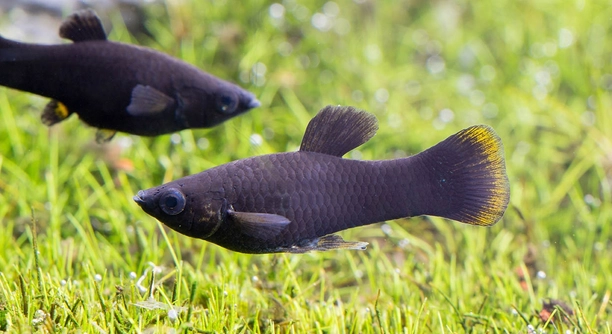
Fin shivering in Black Molly fish can be concerning for aquarium owners. Observing your fish trembling or flicking their fins may indicate underlying issues that need attention to ensure your fish remain healthy and comfortable.
Fin shivering in Black Molly typically occurs due to environmental stress, water quality problems, nutritional deficiencies, parasitic infections, temperature fluctuations, physical injury, or genetic predispositions. Identifying the specific cause is essential for effective treatment and prevention.
Knowing the reasons behind fin shivering will help you take proper measures for your Black Molly’s well-being and maintain a stable and healthy aquarium environment.
Water Quality Issues
Poor water conditions are a major reason for fin shivering in Black Molly fish. High levels of ammonia, nitrites, or nitrates can irritate their gills and fins, causing trembling. Hard water or incorrect pH can also stress the fish. Even minor fluctuations in water parameters may lead to discomfort and visible shivering. Keeping the tank clean and maintaining stable conditions is crucial. Frequent water testing and partial water changes help maintain an environment where your Black Molly can thrive. Filtration and aeration are also important to ensure oxygen levels remain consistent. Ignoring these factors can result in prolonged stress, which weakens the immune system and increases susceptibility to disease. Monitoring and adjusting water temperature to match their natural preferences further supports fin health and overall vitality. Taking these steps reduces stress-induced fin shivering and promotes a more stable and lively aquarium.
Maintaining stable water quality prevents fin shivering and ensures your Black Molly remains healthy and active in the tank.
Regular care, including testing, partial water changes, and proper filtration, protects your fish from environmental stress. Even slight water fluctuations can cause shivering, so consistent attention is key. Observing behavior daily allows early detection of issues, keeping your Black Molly comfortable and reducing the risk of long-term health problems.
Temperature Fluctuations
Sudden changes in water temperature can trigger fin shivering in Black Molly fish. Even a few degrees of fluctuation may shock their system. Maintaining a steady temperature appropriate for their species is essential.
Black Mollies thrive in water temperatures between 75°F and 82°F. Using a reliable heater and thermometer ensures consistency. Temperature shifts weaken their immune system, making them prone to stress and disease. Rapid cooling or overheating can also affect metabolism, leading to abnormal behavior and fin tremors. Seasonal changes may require careful monitoring, and placing the tank away from direct sunlight or drafts helps maintain stable conditions. Aquarists often underestimate the impact of temperature swings, but even small variations can cause noticeable discomfort. Consistent heating, combined with gradual acclimation during water changes, minimizes stress. Observing the fish for signs of shivering after adjustments is important, as prolonged stress can lead to fin deterioration or secondary health issues. Regular maintenance and careful temperature control are key to preventing fin shivering in Black Molly fish, supporting their overall well-being and active behavior.
Nutritional Deficiencies
Black Molly fish require a balanced diet to maintain fin health. A lack of essential vitamins and minerals can lead to shivering and weakened fins. Providing a variety of high-quality flakes, pellets, and occasional live or frozen foods supports overall well-being.
Deficiencies in vitamins like C and D, as well as essential fatty acids, can impair fin strength and recovery. Feeding only one type of food, such as standard flakes, often fails to meet all nutritional needs. Including vegetables like blanched spinach or zucchini provides additional nutrients and fiber. Live foods like brine shrimp or daphnia also supply proteins and help maintain activity levels. Over time, consistent deficiencies may result in chronic fin tremors, reduced growth, and lowered immunity. Adjusting diet to include a wider variety ensures proper nutrition and supports healthy, stable fin movement.
A careful feeding schedule prevents overfeeding, which can affect water quality and indirectly stress the fish. Combining flakes, pellets, and occasional live foods keeps Black Mollies strong and less prone to fin shivering. A consistent diet encourages vitality and reduces nutritional stress, supporting overall health and natural behavior.
Parasitic Infections
External parasites such as gill flukes or skin worms can cause fin shivering. These tiny organisms irritate the skin and fins, leading to trembling and erratic movement. Immediate treatment is essential to prevent further damage.
Infections often develop when new fish are introduced without proper quarantine or when the tank is overcrowded. Parasites attach to fins and gills, creating discomfort and weakening the fish over time. Symptoms include rapid fin movement, scratching against surfaces, and clamped fins. Treating the tank with anti-parasitic medications and isolating affected fish can halt the spread. Maintaining proper tank hygiene and avoiding sudden changes in water conditions reduce the risk of infestation. Regular observation is important, as early detection makes treatment simpler and more effective, helping the fish regain normal fin function.
Ignoring parasitic infections can lead to secondary bacterial or fungal problems, worsening fin damage. Consistent monitoring, isolation of infected fish, and timely use of treatment prevent long-term health issues. Supporting the immune system through proper diet and clean water also improves recovery and reduces stress, allowing Black Mollies to regain normal activity levels and prevent future tremors.
Physical Injury
Physical injuries can cause fin shivering in Black Mollies. Rough handling, collisions with tank decorations, or aggressive tank mates may damage fins, leading to trembling and discomfort. Immediate care and observation are necessary to prevent worsening.
Damaged fins are prone to infections and slower regeneration. Removing sharp objects and monitoring interactions between fish reduces the risk of repeated injury. Quarantining injured fish or providing a calm environment supports healing.
Stress from Overcrowding
Overcrowded tanks create constant stress, which often manifests as fin shivering. Limited space and competition for food weaken the fish, affecting overall health and behavior.
Maintaining a proper fish-to-tank ratio allows Black Mollies to swim freely and reduces aggression. Overcrowding increases waste accumulation, impacting water quality and further contributing to stress. Adequate hiding spots and plants help create a comfortable environment. Regular monitoring of tank population ensures that fish remain active, healthy, and less prone to fin tremors caused by social and environmental stressors.
Genetic Predisposition
Some Black Mollies are genetically prone to fin issues, making shivering more likely. This predisposition affects fin strength and resilience.
Breeding selection can influence fin health over generations, so sourcing fish from reputable breeders helps reduce inherited vulnerabilities.
FAQ
What does fin shivering look like in Black Mollies?
Fin shivering in Black Mollies appears as rapid, small movements of the fins. The fins may tremble continuously, flick erratically, or seem clamped. This behavior can be subtle at first but may become more noticeable as stress or underlying causes worsen. Observing the fish daily helps detect these early signs.
Why is my Black Molly shivering only at certain times?
Shivering at specific times often relates to changes in the environment. Sudden temperature shifts, feeding times, or tank disturbances can trigger temporary stress. Fish may also react to fluctuations in light or movement outside the tank, which creates short periods of trembling behavior.
Can water quality really cause fin shivering?
Yes, poor water quality is a common trigger. High ammonia, nitrites, or nitrates irritate fins and gills. Unstable pH or hard water levels also stress the fish. Regular testing, proper filtration, and partial water changes help maintain a safe environment and reduce fin tremors.
Is fin shivering caused by nutrition issues?
Nutritional deficiencies can weaken fins and cause trembling. A diet lacking vitamins, minerals, or essential fatty acids affects fin health and overall energy. Offering a mix of high-quality flakes, pellets, and occasional live or frozen foods ensures balanced nutrition and stronger fins.
Do parasites make fins shiver?
External parasites like gill flukes or skin worms irritate the fins and skin, resulting in shivering. Symptoms include rapid fin movement, scratching, or clamped fins. Quarantining new fish, using anti-parasitic treatments, and keeping tanks clean help prevent and address these infections.
Can stress from overcrowding cause fin shivering?
Yes, overcrowding is stressful. Limited space, competition for food, and social aggression can all lead to fin trembling. Proper fish-to-tank ratios, sufficient hiding spots, and regular monitoring help reduce stress and encourage healthy fin movement.
Does temperature affect fin shivering?
Temperature fluctuations directly impact fin behavior. Sudden changes in water temperature can shock a Black Molly, causing trembling. Maintaining a steady temperature between 75°F and 82°F with a reliable heater and thermometer reduces stress and prevents shivering caused by environmental instability.
Are some Black Mollies more prone to fin shivering than others?
Genetic predisposition can make certain Black Mollies more vulnerable. Weak or thin fins may tremble more easily, especially under stress or poor conditions. Sourcing fish from reputable breeders and providing consistent care reduces the likelihood of hereditary fin issues.
How can I treat fin shivering?
Treatment depends on the cause. Improving water quality, stabilizing temperature, addressing nutritional gaps, treating parasites, and reducing stress are all effective methods. Observing fish closely and intervening early prevents prolonged fin tremors and supports faster recovery.
Can injured fins recover from shivering?
Yes, fins can regenerate if the environment is safe and clean. Isolating injured fish, removing sharp objects, and supporting them with proper nutrition promote healing. Monitoring for secondary infections ensures the fins regain normal function over time.
How do I prevent fin shivering in Black Mollies?
Prevention focuses on stable, clean water, balanced nutrition, adequate tank space, and careful monitoring. Minimizing stressors and avoiding rapid environmental changes helps maintain strong, healthy fins and reduces the risk of shivering behavior.
When should I seek professional help?
If fin shivering persists despite proper care or is accompanied by other symptoms like lethargy, loss of appetite, or visible sores, consulting an aquatic veterinarian is recommended. Early intervention prevents complications and supports long-term fish health.
Fin shivering in Black Molly fish is a behavior that signals underlying issues, and it should not be ignored. Observing trembling fins can feel concerning, but understanding the potential causes helps take appropriate action. From water quality to nutrition, temperature, parasites, overcrowding, injuries, and even genetic predisposition, several factors contribute to this behavior. Addressing these factors systematically ensures the well-being of your fish and promotes a healthy aquarium environment. Regular observation and care allow you to notice small changes early, preventing minor issues from becoming serious problems.
Maintaining a stable environment is crucial to reducing fin shivering. Keeping water parameters within safe ranges, ensuring consistent temperature, and providing proper filtration helps create a comfortable habitat. Balanced nutrition plays a significant role in fin strength, so offering a variety of quality foods, including flakes, pellets, and occasional live or frozen options, supports overall health. Minimizing stress from overcrowding, aggressive tank mates, or sudden environmental changes also helps Black Mollies feel secure. When parasites or injuries occur, prompt treatment is essential to prevent further discomfort and secondary infections. Following these steps creates a strong foundation for healthy, active fish.
Preventing fin shivering requires consistent care and attention. By monitoring water quality, maintaining proper temperature, and providing a varied diet, you can significantly reduce the risk of tremors. Creating a calm, safe environment and isolating injured or sick fish when needed encourages recovery and prevents further stress. Understanding that some fish may have a genetic predisposition to weaker fins helps set realistic expectations, but proper care can still minimize visible symptoms. Overall, attentive care, observation, and preventive measures ensure that Black Mollies remain healthy, active, and comfortable in their tank, allowing them to thrive in a stable and supportive environment.

Hello,
If you enjoy the content that we create, please consider saying a "Thank You!" by leaving a tip.
Every little bit helps us continue crafting quality advice that supports the health, happiness, and well-being of pets around the world, for pets of all shapes, sizes, and species.
We really appreciate the kindness and support that you show us!