
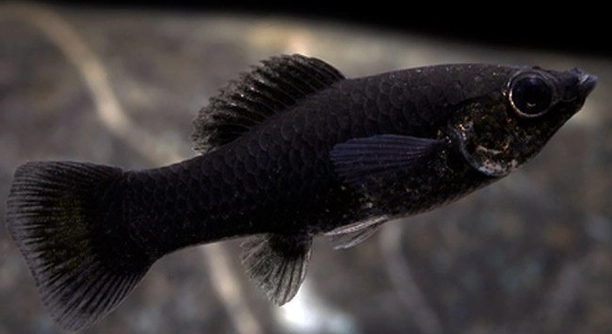
Caring for tiny black molly fry can feel rewarding, and noticing them swim in circles may catch your attention as you learn their early behaviors and understand what shapes their small aquatic routines each day.
Circular swimming in black molly fry typically results from stress linked to unstable water parameters, early swim bladder imbalance, or insufficient oxygenation. These factors disrupt normal coordination and orientation, creating repetitive motion patterns that reflect underlying physiological or environmental disturbances.
Recognizing these influences helps you support healthier habits for your fry, guiding them toward steadier growth and calmer swimming behavior.
Common Environmental Factors
Environmental conditions play a major role in shaping how black molly fry move, and changes in their tank can affect their behavior quickly. Stable water quality gives them the support they need to swim with ease, and even small shifts can create noticeable patterns in their movement. Many fry react strongly to temperature swings, pH fluctuations, or sudden changes in hardness, and these issues can disrupt their sense of balance. When these elements are not consistent, the fry may respond with circular swimming as their bodies try to adjust. Poor filtration can also add stress since heavy waste buildup limits their comfort. Clean water helps their small bodies function smoothly, so keeping the tank tidy makes a clear difference. Even lighting can influence their behavior by affecting how safe they feel. When the environment stays steady, the fry usually return to calm and controlled swimming. This brings them greater stability.
Small fry depend on steady surroundings, and instability often shows in their movements. Circular swimming becomes more likely when stress increases, so maintaining clean water, gentle filtration, and proper temperature helps keep them steady. Attention to these simple details supports calmer behavior and healthier growth in their early stages today.
Maintaining a stable environment benefits black molly fry from their first days in the tank. Their bodies react quickly to disruptions, making consistency essential for healthy development. Regular testing allows you to catch problems early, especially shifts in ammonia or nitrite that can cause stress. Gentle filtration keeps their space clean without overwhelming their small bodies, while consistent lighting encourages a sense of safety. Feeding lightly helps avoid excessive waste and keeps water quality steady. When these details come together, the fry gain strength, swim with control, and develop the confidence needed for normal behavior as they continue to grow.
Physical and Behavioral Influences
Behavioral patterns in black molly fry often reflect their internal condition, and circular movements can signal early physical challenges. Issues like mild swim bladder imbalance or nutritional gaps may affect their coordination, making consistent care important for smoother motion and stronger development over time now.
Physical factors influence how black molly fry navigate their space, and circular swimming can appear when their developing bodies need extra support. Mild swim bladder imbalance is common in young fry because their organs are still adjusting to feeding patterns and water pressure. When food particles remain too large or settle too quickly, the fry may swallow excess air or struggle to maintain control. Offering small, frequent meals prevents overeating and keeps digestion steady. Nutrition also matters, since poor quality food can limit energy and slow development, affecting the fry’s coordination. Clean water supports normal buoyancy, and regular changes reduce the chance of irritation that might disrupt balance. Observing their posture helps you notice small shifts that suggest discomfort. Environmental noise or sudden movement near the tank may also contribute to stress, shaping how the fry react. A quiet, steady environment helps them feel secure and encourages more stable movement. Strong oxygen levels make swimming easier, while overcrowding reduces comfort and increases competition that may influence behavior. With the right balance of care, the fry gradually gain stronger control of their movements and show smoother swimming patterns that reflect steady growth. This progress supports healthier development in the long run.
Dietary Considerations
Feeding habits influence how black molly fry develop control over their movement, and choosing gentle, easy to digest food helps reduce stress. Overfeeding can create discomfort, slow digestion, and increase circular swimming, so offering small meals keeps their bodies steady and improves their overall comfort.
Young fry rely on balanced nutrition to support their growing bodies, and poorly prepared food often leads to coordination issues. Crushed flakes, powdered fry food, or freshly hatched brine shrimp work well because they are soft and easy to digest. When food is too large, the fry may struggle, swallow excess air, or experience mild buoyancy problems. Clean feeding practices help keep water quality stable, preventing waste buildup that could cause irritation. Feeding lightly two to three times a day promotes steady digestion and prevents sudden spikes in stress that might influence how they swim.
Maintaining a clean feeding environment ensures the fry receive the nutrients they need without creating unnecessary strain. Siphoning uneaten food keeps the water fresh and reduces the chance of harmful bacteria forming. Consistent nutrition strengthens their coordination and supports calm movement over time. When the feeding routine matches their size and needs, the fry show smoother swimming patterns, better energy levels, and improved comfort in their tank.
Tank Setup Adjustments
Proper tank setup has a strong impact on how black molly fry behave, especially when they are still developing coordination. Gentle filtration, clean water, and stable temperature keep them comfortable. Ensuring enough space helps them move naturally without pressure, lowering the chance of circular swimming in their early stages.
A thoughtful tank setup gives black molly fry a stable environment to grow and move comfortably. A sponge filter works well since it creates soft water flow that will not overwhelm them. A heater keeps the temperature consistent, limiting stress and helping them maintain balance. Providing hiding spots like small plants offers security and reduces startle responses that could affect their movements. Regular water changes prevent waste from building up, creating a clean space where they can swim freely. Lighting should remain soft and predictable, helping them feel secure throughout the day. When these elements stay consistent, the fry gain confidence and show smoother movement as they grow stronger.
Early Development Challenges
Young black molly fry experience quick changes as their bodies grow, and minor coordination issues can appear during these early stages. Circular swimming often reflects temporary imbalance, making consistency in care important as their organs develop and their movement becomes more controlled with time.
Small shifts in growth can influence how fry respond to their surroundings, especially when their systems are still adjusting. Gentle feeding, stable water, and low stress help reduce disruptions. With steady care, their bodies adapt, and circular swimming usually fades as they grow stronger and more coordinated.
Sensory Responses
Fry rely on developing senses to interpret movement, light, and water flow, and overstimulation can cause disoriented swimming. Bright lights, sudden vibrations, or strong currents may confuse them, leading to circular patterns. Soft lighting, quiet surroundings, and gentle filtration support calmer responses and help them navigate their space with greater ease.
Social Dynamics
Competition or crowding can influence how fry behave, especially in small spaces. When they feel pressured or startled, circular swimming may appear more frequently. Extra room, gentle routines, and stable conditions help them feel secure, promoting smoother movement and steady development during their early stages.
FAQ
Why do black molly fry suddenly start swimming in circles?
Black molly fry often swim in circles when something disrupts their sense of balance. This usually connects to water issues, early swim bladder imbalance, or stress. Their bodies are still developing, so even small shifts in their environment can affect how they move. When the tank stays stable, the circular swimming usually becomes less noticeable as they grow.
Can poor water quality make fry swim in circles?
Yes, unstable water conditions often influence how young fry behave. Ammonia or nitrite spikes can irritate their bodies and affect their coordination. Clean, stable water supports their comfort and helps them maintain normal swimming patterns. Regular testing, gentle filtration, and steady temperature make a clear difference in how they behave each day.
Does diet affect circular swimming in fry?
Diet plays a major role in early development. When food is too large or too heavy, fry may swallow excess air or struggle to digest it, which can affect buoyancy. Soft, tiny meals help them stay balanced while moving. Feeding lightly a few times a day prevents discomfort and supports steady growth.
Should I separate fry that swim in circles?
Separation is only helpful if crowding or pressure from other fry is causing stress. Most fry improve with stable water, gentle feeding, and a calm tank. If the tank is overcrowded, moving a portion of the fry to another space can reduce stress and create smoother swimming behavior. Providing enough room helps them develop confidence.
Is circular swimming always a sign of illness?
Not always. Many fry display short periods of odd movement during early growth. Their organs adjust as they develop, and temporary imbalance can happen. Illness becomes more likely when circular swimming appears with other symptoms like clamped fins, gasping, or refusal to eat. Consistency in care helps you notice when something is more serious.
How important is oxygenation for preventing circular swimming?
Strong oxygen levels support healthy movement and comfort. When oxygen is low, fry may struggle with orientation and energy, which leads to erratic swimming. A sponge filter, gentle surface movement, and clean water help maintain enough oxygen. Ensuring calm circulation provides support without overwhelming their small bodies.
Does lighting affect how fry swim?
Lighting influences how safe fry feel. Bright or sudden lighting can overwhelm them and cause frantic or circular swimming. Soft, steady lighting helps them stay calm. Keeping the tank in a low stress environment with predictable light patterns gives the fry clearer guidance as they move.
What tank setup helps prevent circular swimming?
A quiet, stable setup with gentle filtration, consistent warmth, and clean water helps fry stay comfortable. Adding small plants or hiding spots reduces startle responses. Regular care creates a stable space where the fry can develop their coordination and swim smoothly. Stability supports healthier patterns over time.
Can swim bladder imbalance cause circular swimming?
Yes, early swim bladder imbalance is common in young fry. Since their organs are still forming, slight issues can affect buoyancy and orientation. Soft foods, clean water, and gentle routines help them adjust. Most fry overcome early imbalance as they grow stronger with consistent care.
When should I worry about circular swimming that does not improve?
If circular swimming continues despite stable care, it may signal a deeper issue. Long lasting imbalance, refusal to eat, or heavy stress behaviors suggest the fry may need closer attention. Checking water parameters, reviewing feeding habits, and observing their environment can help identify the source. With careful adjustments, most fry improve.
Final Thoughts
Caring for black molly fry takes steady attention, and understanding why they swim in circles helps you respond with confidence. Their small bodies react quickly to changes, and many behaviors that seem unusual are often their way of adjusting to a new or shifting environment. When you keep their space consistent, you help them feel supported as they develop. Clean water, gentle feeding, and a calm tank work together to create the foundation they need. These early weeks matter because they shape how the fry grow, move, and adapt. With patience and regular care, you begin to notice how much stability influences their behavior. Circular swimming may look concerning at first, but with the right conditions, most fry improve as their systems become stronger and more coordinated. Taking time to observe their movements helps you understand what they need and makes it easier to react before problems develop. Each small adjustment you make creates a safer and more comfortable space for them.
Maintaining a balanced tank keeps the fry steady, and simple habits make a meaningful difference every day. Regular testing protects them from sudden shifts that may disrupt their behavior. Gentle filtration guards their delicate bodies from strong currents that could confuse them or push them into repetitive motions. Feeding soft, easy foods ensures their digestion stays smooth, preventing discomfort that could affect their swimming. Watching how they react to lighting and noise teaches you what helps them stay calm. Removing stressors, offering small hiding spaces, and giving them room to explore encourages healthier patterns. Their early development is delicate, and they depend heavily on the stability you provide. When they feel secure, their natural movement becomes more fluid, and circular swimming grows less frequent. Over time, these improvements reflect the supportive environment you have created. Each thoughtful choice adds up, shaping their progress and helping them build confidence in their small world.
As the fry continue to grow, their behavior becomes easier to understand, and the patterns that once seemed confusing begin to make sense. Circular swimming is often a signal that something in their surroundings or routine needs attention, and learning to read these signs strengthens your ability to care for them. By staying consistent, observing their posture, and addressing issues early, you support long term development. A stable tank not only prevents stress but also encourages natural curiosity and gentle movement. These efforts create a space where the fry can grow into healthy, active fish that move with ease. With time, patience, and simple habits, you give them the opportunity to thrive in a setting shaped by steady care.

Hello,
If you enjoy the content that we create, please consider saying a "Thank You!" by leaving a tip.
Every little bit helps us continue crafting quality advice that supports the health, happiness, and well-being of pets around the world, for pets of all shapes, sizes, and species.
We really appreciate the kindness and support that you show us!