
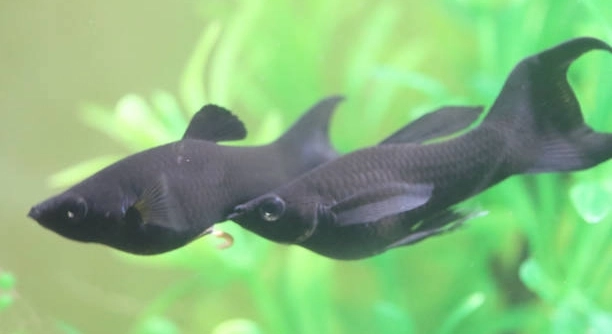
Black Mollies are lively fish that can sometimes become restless, swimming rapidly or hiding frequently. Their behavior may be influenced by water conditions, tank setup, or interactions with other fish in their environment. Observing them carefully helps identify the cause.
Restlessness in Black Mollies is often caused by suboptimal water conditions, insufficient space, or stress from tank mates. Ensuring proper filtration, stable temperature, and a calm environment can significantly reduce agitation and support the fish’s overall well-being and comfort.
Understanding these factors is key to creating a peaceful tank. Small adjustments can make a noticeable difference in calming your Black Molly and promoting healthier behavior.
Maintain Proper Water Conditions
Keeping your Black Molly’s tank clean and stable is essential. Regular water changes, usually around 25% weekly, help remove excess waste and toxins. Monitoring pH levels and temperature is important, as Mollies prefer slightly alkaline water around 7.5 to 8.0 and a temperature of 24–28°C. Sudden changes in water chemistry can stress them, causing frantic swimming or hiding. Filtration should be gentle but effective, circulating water without creating strong currents. Adding live plants provides natural hiding spots, reducing anxiety. Avoid overfeeding, since leftover food can pollute water quickly. Testing water weekly ensures ammonia, nitrite, and nitrate levels remain safe. Even small adjustments, like adding a heater to stabilize temperature or a sponge filter to improve circulation, make a noticeable difference in your fish’s behavior. Consistent maintenance builds a calm environment where Black Mollies can swim comfortably and thrive, reducing restless tendencies significantly over time. Observation during water changes helps catch problems early before stress escalates.
Clean water and stable conditions are vital for reducing stress in Black Mollies, supporting healthy swimming patterns and overall well-being.
By creating a stable, well-maintained tank, you encourage your Mollies to feel secure. Plants, proper filtration, and careful feeding contribute to a calm and balanced environment. A predictable routine of cleaning and water testing also allows them to adapt comfortably, minimizing sudden bouts of restlessness. Over time, these small but consistent actions help Mollies settle into a natural rhythm, showing more relaxed swimming and engaging behavior.
Provide Adequate Space
Black Mollies need enough room to swim freely without overcrowding. A cramped tank can lead to constant chasing and stress-related behaviors.
A minimum 20-gallon tank for a small group of Mollies is recommended. Larger tanks allow for natural swimming patterns and reduce aggressive interactions. Decorations and plants should be placed to create open swimming zones and hiding areas simultaneously. Avoid sharp objects that could injure fins. Spacing also helps maintain stable water conditions, as overcrowding increases waste buildup. Observing fish interactions is important; sometimes rearranging decorations can prevent territorial disputes. With adequate space, Mollies can explore without feeling confined, reducing erratic movement and tension. Adding gentle tank mates compatible with Mollies encourages social behavior without competition for territory. Proper stocking density and thoughtful layout combine to create a peaceful environment that keeps your Black Mollies calm and active, promoting their health and longevity.
Adjust Lighting
Too bright or fluctuating light can stress Black Mollies, causing erratic swimming or hiding. Use moderate lighting and provide shaded areas with plants or decorations to let them feel secure.
Keeping a consistent light schedule helps regulate their natural rhythm. Sudden changes in brightness or prolonged exposure to intense light can trigger anxiety, making Mollies more restless. Using a timer for the tank light ensures predictable day and night cycles. Floating plants or small caves offer shaded retreats, giving Mollies control over their exposure. Proper lighting also supports plant growth, which benefits the water quality and creates a calming environment. Balancing light intensity while providing hiding spots encourages relaxed swimming and reduces stress behaviors.
Lighting affects feeding patterns and activity levels. Black Mollies tend to explore more when lighting is stable. Overly bright lights can cause them to dart around or seek constant shelter. By adjusting lighting to a comfortable level, you create a sense of safety, encouraging natural behavior. Maintaining predictable day-night cycles also supports healthy metabolism and overall well-being, making your Mollies calmer and more responsive to their environment.
Manage Tank Companions
Some fish may intimidate or chase Black Mollies, increasing stress. Choose peaceful tank mates to maintain calm.
Aggressive or fast-moving species can provoke continuous chasing or hiding. Ideal companions include other livebearers like Platies or peaceful tetras. Avoid fin-nippers or overly territorial fish that disrupt the Mollies’ comfort. Observing interactions regularly helps identify any stress triggers.
Compatibility depends on size, temperament, and activity levels. Even peaceful species can stress Mollies if the tank is too small. Providing plants, caves, or other hiding spots reduces conflict and allows each fish personal space. Avoid overcrowding, as it exacerbates tension and increases competition for resources. Proper selection and arrangement of tank mates, combined with adequate space, maintain a harmonious environment. Over time, this careful management reduces restless behavior, allowing Black Mollies to swim freely, feed comfortably, and engage in normal social interactions.
Maintain Stable Temperature
Sudden temperature changes can stress Black Mollies, causing erratic swimming. Keep the tank temperature consistent between 24–28°C using a reliable heater.
Avoid placing the tank near drafts, vents, or direct sunlight. Consistent warmth helps Mollies remain active and calm without sudden bursts of agitation.
Feed a Balanced Diet
Black Mollies require a varied diet to stay healthy and calm. Include high-quality flakes, pellets, and occasional live or frozen foods to provide essential nutrients.
A proper diet supports digestion, energy levels, and immune function. Overfeeding can pollute the water, while underfeeding can make Mollies restless. Feeding smaller portions multiple times a day keeps them satisfied and reduces stress.
Add Plants and Hiding Spots
Providing live plants or decorations gives Mollies places to retreat. This reduces stress, encourages natural exploration, and prevents constant chasing among tank mates.
Plants also help maintain water quality by absorbing nitrates, creating a healthier environment. Hiding spots and structured spaces make Black Mollies feel secure and less restless.
FAQ
Why is my Black Molly swimming frantically?
Frantic swimming is usually a response to stress or poor water conditions. Sudden changes in temperature, pH, or ammonia levels can make them restless. Overcrowding or aggressive tank mates may also trigger this behavior. Ensuring stable water conditions and adequate space helps reduce frantic activity.
How often should I change the water for my Black Molly?
Performing a 20–25% water change every week is recommended. This removes waste, toxins, and excess nutrients that can cause stress. Frequent testing of ammonia, nitrites, and nitrates ensures a safe environment. Clean water is essential for calm behavior and overall health.
What temperature is best for Black Mollies?
Black Mollies thrive in slightly warm water between 24–28°C. Using a reliable heater helps maintain consistency. Avoid placing the tank near drafts or direct sunlight, as sudden temperature changes increase stress and restless behavior.
Can lighting affect my Black Molly’s behavior?
Yes, inconsistent or overly bright lighting can make Mollies skittish. A moderate, steady light schedule with shaded areas encourages natural activity. Floating plants or small caves give them control over exposure, reducing stress and erratic swimming.
Do Black Mollies need tank mates?
They benefit from compatible, peaceful companions like Platies or tetras. Avoid aggressive or territorial fish that chase or stress them. Proper selection and adequate space prevent conflict and support calm, natural behavior.
What should I feed my Black Molly?
A varied diet of high-quality flakes, pellets, and occasional live or frozen foods provides essential nutrients. Feed small portions multiple times a day to avoid overfeeding, which can pollute the water and cause restlessness. Balanced nutrition keeps energy levels stable and supports health.
Why are hiding spots important in the tank?
Plants, caves, and decorations give Mollies secure spaces to retreat when stressed. This reduces chasing or aggression and encourages natural exploration. Hiding spots also improve water quality by supporting plant growth, creating a healthier environment overall.
Can overstocking affect my Black Molly?
Yes, overcrowding increases stress and aggression. It also leads to faster waste buildup, affecting water quality. Keeping an appropriate number of fish per tank volume ensures calmer behavior and reduces the risk of illness.
How do I know if my Black Molly is stressed?
Signs include erratic swimming, hiding, loss of appetite, or frequent surface gulping. Observing daily behavior helps identify stress triggers. Correcting water conditions, adjusting tank mates, and providing hiding spots can restore calm behavior.
Is filtration important for calming Black Mollies?
Proper filtration removes toxins and maintains water clarity, directly influencing stress levels. Gentle filtration ensures water circulation without creating strong currents that might disturb swimming patterns. Consistent filtration keeps the environment healthy and comfortable.
How often should I test the water?
Weekly testing for pH, ammonia, nitrites, and nitrates is ideal. Sudden spikes or unsafe levels can cause restlessness and health issues. Keeping parameters stable creates a calm and safe environment for your Mollies.
Do Black Mollies need live plants?
While not required, live plants are highly beneficial. They offer shade, hiding spots, and improve water quality by absorbing excess nutrients. Plants contribute to a calmer, more natural environment that reduces stress and encourages relaxed swimming.
What is the role of temperature stability in behavior?
Stable temperatures prevent stress-induced agitation. Black Mollies are sensitive to sudden changes, so maintaining a consistent range of 24–28°C promotes calm swimming, proper feeding, and overall health.
How can I reduce aggression from other fish?
Provide adequate space, hiding spots, and choose peaceful companions. Monitoring interactions allows you to adjust decorations or tank arrangements to prevent constant chasing and tension, keeping your Mollies calm and comfortable.
Can overfeeding cause restlessness?
Yes, leftover food pollutes the water, increasing toxins and stress. Feeding smaller portions multiple times a day prevents overfeeding and maintains cleaner water, which encourages calmer behavior.
Do Mollies need a specific pH level?
Yes, they prefer slightly alkaline water around 7.5–8.0. Keeping pH stable prevents stress, which can otherwise manifest as frantic swimming, hiding, or aggression. Regular testing helps maintain appropriate levels.
How do hiding spots affect feeding behavior?
Secure areas reduce anxiety, allowing Mollies to eat comfortably. Fish that feel threatened may refuse food or dart around the tank, which can affect growth and overall health. Proper hiding spots support normal feeding patterns.
Is tank size important for behavior?
Absolutely. A 20-gallon minimum is recommended for a small group. More space reduces competition, aggressive interactions, and stress, allowing natural swimming patterns and calm behavior to develop.
How long does it take for Mollies to calm down after stress?
It depends on the stress source and tank conditions. Consistent water quality, proper temperature, and secure hiding spots help Mollies return to normal behavior within a few days to a week. Observing gradual improvement is key.
What role do decorations play in reducing restlessness?
Caves, rocks, and plants break up open areas, providing privacy and visual barriers. This reduces chasing, supports natural exploration, and creates a sense of security that keeps Mollies calmer.
Can sudden movements near the tank affect Mollies?
Yes, frequent tapping, shadows, or rapid motion can startle them, causing erratic swimming. Minimizing disturbances near the tank helps maintain a relaxed environment and supports steady, calm behavior.
How do I balance activity and calmness in the tank?
Providing adequate space, compatible companions, hiding spots, and proper lighting encourages natural swimming without constant agitation. Balanced feeding and clean water complement these measures, resulting in a peaceful, active, yet calm community.
Are there signs of long-term stress to watch for?
Chronic stress can appear as faded coloration, frequent hiding, poor appetite, or irregular swimming. Addressing environmental factors early prevents health issues and restores normal, calm behavior.
How important is consistency in tank care?
Very important. Regular maintenance, stable conditions, and predictable routines reduce stress and promote healthy behavior. Inconsistent care leads to restlessness, erratic swimming, and potential health complications.
Can adding more plants help already restless Mollies?
Yes, additional plants create more hiding spots and shaded areas, reducing stress and overexposure. This provides more control over their environment and encourages calmer swimming.
Is water movement a factor in calm behavior?
Yes, strong currents can tire or stress Mollies. Gentle filtration with even circulation is ideal, allowing natural swimming without forcing them into constant motion.
How do I introduce new tank mates without causing stress?
Quarantine new fish first, introduce them slowly, and provide ample hiding spaces. Observing their interactions and rearranging decorations if needed helps prevent aggression and keeps the original Mollies calm.
Can seasonal changes affect behavior?
Yes, temperature and lighting fluctuations can cause restlessness. Maintaining consistent indoor conditions year-round ensures stable behavior and reduces stress-related activity.
What is the best way to monitor stress in Black Mollies?
Daily observation of swimming patterns, feeding, and social behavior allows early detection of stress. Promptly addressing any environmental or social issues keeps Mollies calm and healthy.
Does tank decoration density matter?
Yes, too few hiding spots cause stress, while overcrowding limits swimming space. A balanced arrangement encourages exploration while providing security, maintaining calm behavior.
How long should light be on each day?
Approximately 10–12 hours of light per day is sufficient. Using a timer ensures consistent day-night cycles, supporting natural activity and reducing restlessness.
Are Mollies sensitive to vibrations or noise?
Yes, loud sounds or vibrations can startle them, leading to frantic swimming. Minimizing external disturbances helps maintain a stable and calm environment.
What should I do if my Mollies remain restless despite all measures?
Recheck water parameters, tank size, companions, and hiding spots. Persistent stress may indicate illness or hidden environmental issues. Consulting a specialist ensures health and safety while promoting calm behavior.
Do Black Mollies need any specific seasonal adjustments?
No major changes are required if indoor conditions remain stable. Maintaining consistent temperature, lighting, and water quality ensures calm, healthy behavior throughout the year.
How do I know if the tank is overcrowded?
Signs include constant chasing, darting, or competition for food. Maintaining appropriate stocking density prevents stress, improves water quality, and encourages calmer behavior.
Can live plants improve oxygen levels for Mollies?
Yes, live plants produce oxygen during the day and absorb carbon dioxide, enhancing water quality and supporting calmer, healthier fish.
Are Mollies more active at certain times of day?
They are generally more active during daylight hours and calmer in low light. Stable lighting cycles help regulate behavior and energy levels.
Is water hardness important for calm behavior?
Yes, Mollies prefer moderately hard water. Sudden changes in hardness can stress them, causing erratic swimming or hiding. Regular monitoring maintains a stable, comfortable environment.
How do I balance tank aesthetics with hiding spots?
Use decorations and plants strategically to create open swimming areas alongside shaded retreats. This balance supports natural behavior while keeping the tank visually appealing.
Can frequent feeding changes affect behavior?
Yes, abrupt diet changes can stress Mollies. Gradual introduction of new foods helps them adjust without affecting activity levels or causing restlessness.
Does tank location matter for calm behavior?
Yes, placing the tank in a low-traffic area reduces external stressors. Avoid drafts, direct sunlight, and vibrations to maintain a stable environment.
What is the effect of nitrate levels on behavior?
High nitrates can irritate fish, causing lethargy or erratic swimming. Regular water changes and plant presence help maintain safe nitrate levels, promoting calmness.
Can adding floating plants help calm Mollies?
Yes, they provide shade and visual barriers, reducing stress and creating a sense of security. Floating plants encourage relaxed swimming and natural behavior.
Are Mollies sensitive to tank rearrangements?
Yes, frequent changes in layout can stress them. Gradual adjustments and leaving familiar hiding spots in place help maintain calm behavior.
What is the impact of overstocking on water quality?
Overstocking increases waste, leading to poor water quality and stress. Adequate tank size and proper filtration prevent restlessness and health issues.
How do I prevent fin damage among tank mates?
Select peaceful species, provide hiding spots, and ensure sufficient space. Minimizing aggression reduces stress and helps Mollies swim calmly.
Can occasional fasting help calm behavior?
Skipping one feeding occasionally can improve water quality by reducing uneaten food, indirectly helping maintain a calm environment.
Are Black Mollies compatible with shrimp or snails?
Yes, peaceful invertebrates generally coexist well. Ensure they are not stressed or harassed, which could impact Mollies’ calm behavior.
Do Mollies need aeration in the tank?
Moderate aeration supports oxygen levels without creating strong currents. Proper circulation promotes calm, healthy swimming.
Is water clarity important for calm behavior?
Yes, clear water reduces stress and allows normal exploration. Filtration and regular cleaning maintain transparency and comfort for Mollies.
Can introducing new decorations cause temporary stress?
Yes, sudden additions can startle fish. Introduce changes gradually, allowing Mollies to acclimate while maintaining calm behavior.
How can I tell if hiding spots are effective?
Mollies will use them for retreat and rest. Observing reduced frantic swimming or chasing indicates the spaces provide security and reduce stress.
Should I separate aggressive fish immediately?
Yes, isolating aggressive or overly active fish prevents stress and injury, allowing Black Mollies to return to calm, natural behavior.
Can water conditioners affect behavior?
Properly used conditioners neutralize harmful chemicals, supporting health and reducing stress. Overuse or sudden changes may temporarily unsettle Mollies.
Are Mollies sensitive to pH fluctuations?
Yes, rapid pH changes can cause stress. Maintaining stable, slightly alkaline water prevents erratic swimming and promotes calm behavior.
Do Black Mollies enjoy having open swimming areas?
Yes, they explore more when space is available. Combining open areas with hiding spots encourages natural, relaxed activity.
Can excessive feeding lead to aggression among tank mates?
Yes, competition over food increases chasing and stress. Providing multiple feeding spots and small portions reduces conflict and keeps behavior calm.
How often should I clean decorations?
Clean decorations gently during water changes to remove algae without disturbing beneficial bacteria. This supports stable water quality and calm Mollies.
Do Mollies prefer still water or mild currents?
Mild currents mimic natural conditions and encourage swimming without stress. Strong currents may tire or agitate them, increasing restlessness.
Can I use a background to calm fish?
Yes, a solid background reduces reflections and external distractions, creating a more secure environment and calmer behavior.
How important is routine in tank maintenance?
Consistency in feeding, cleaning, and testing water reduces stress, supports healthy behavior, and promotes long-term calmness.
Do Black Mollies react to sudden noises outside the tank?
Yes, loud or abrupt sounds can trigger frantic swimming. Minimizing disturbances helps maintain a relaxed and stable environment.
Can overdecorating cause stress?
Yes, excessive clutter limits swimming space. Balance open areas with hiding spots to ensure comfort and calm activity.
Are floating plants enough for shade?
Yes, they create shaded areas that reduce stress and provide security, supporting calm swimming patterns.
How do I introduce new fish without stress?
Use quarantine, gradual introduction, and hiding spots. Monitoring interactions prevents aggression and helps Mollies maintain calm behavior.
Does water hardness affect activity levels?
Moderate hardness supports comfort. Sudden changes can stress Mollies, causing erratic swimming and hiding. Stable parameters promote calmness.
Can tank placement near windows affect behavior?
Yes, sunlight and temperature fluctuations can stress Mollies. Place tanks in stable, low-traffic areas to maintain calm activity.
Is observing daily behavior important?
Yes, tracking swimming patterns, feeding, and interactions helps detect stress early. Prompt adjustments maintain calm and healthy fish.
Do Mollies need occasional breaks from viewing or tapping?
Yes, reducing disturbances from outside the tank prevents sudden stress responses and supports relaxed swimming.
How do I prevent territorial disputes?
Adequate space, hiding spots, and peaceful companions reduce competition and promote calm social behavior.
Are Mollies more active in groups or alone?
They are generally calmer in small, compatible groups. Isolation may increase stress, while overcrowding leads to aggression and restlessness.
Can decorations help mimic natural habitats?
Yes, rocks, plants, and caves provide security, encourage exploration, and reduce stress. Mimicking natural environments promotes calm behavior.
Is there a maximum number of Mollies per tank?
Stocking depends on tank size. Overcrowding increases stress and aggression. Follow guidelines for space to maintain calm, healthy fish.
How do I prevent boredom in the tank?
Provide hiding spots, plants, and gentle companions. Environmental enrichment encourages exploration while reducing restless or erratic swimming.
Does tank water clarity affect stress levels?
Yes, murky or dirty water increases agitation. Regular cleaning and filtration create a calm environment and promote healthy behavior.
Can adding driftwood help?
Yes, it provides hiding areas and visual barriers. Driftwood encourages exploration and reduces stress for Black Mollies.
Are Mollies sensitive to vibrations from pumps or filters?
Yes, strong vibrations can cause agitation. Use gentle filtration and ensure pumps are stable to maintain calm swimming.
Can tank decorations affect water quality?
Yes, some decorations may leach chemicals or trap debris. Choose safe, inert materials and clean them regularly to support healthy, calm fish.
Do Mollies respond to human presence?
They notice movement but usually calm quickly if not startled. Minimizing sudden gestures helps maintain relaxed behavior.
How do I prevent excessive algae growth?
Maintain a balanced diet, proper lighting, and live plants. Regular cleaning reduces overgrowth, keeping the environment calm and safe.
Can frequent water testing stress Mollies?
If done carefully, it causes minimal disturbance. Avoid sudden, large water changes during testing to prevent stress.
Is substrate choice important?
Yes, smooth or small gravel prevents injury and allows safe exploration, contributing to calm behavior.
Do Mollies need gentle currents for exercise?
Moderate water movement encourages activity without causing fatigue or stress, supporting overall health and calmness.
How can I prevent chasing between Mollies?
Provide hiding spots, adequate space, and monitor group dynamics. Peaceful arrangements reduce aggression and restlessness.
Can water conditioners help reduce stress?
Yes, properly used conditioners neutralize harmful chemicals, supporting health and calm behavior. Overuse or sudden changes may temporarily unsettle fish.
Are Mollies sensitive to sudden changes in light intensity?
Yes, abrupt shifts can startle them. Gradual changes or consistent lighting schedules promote calm swimming and natural activity.
Do Mollies enjoy exploring new decorations?
Yes, gradual introduction encourages curiosity without stress. Ensure hiding spots remain accessible to maintain calm behavior.
Is tank size more important than decoration density?
Both matter. Adequate space prevents stress, while well-placed decorations provide security. A balance keeps Mollies calm and active.
Can overstocking affect feeding behavior?
Yes, competition over food increases chasing and stress. Multiple feeding spots and proper portions reduce aggression and support calm behavior.
How can I tell if water parameters are stable?
Regular testing shows consistent pH, temperature, and nitrate levels. Stability supports calm swimming and reduces stress-related behaviors.
Do Mollies prefer smooth or rough surfaces?
Smooth surfaces prevent injury while allowing natural swimming. Rough surfaces may cause fin damage, increasing stress and restlessness.
Are Mollies sensitive to sudden noises at night?
Yes, abrupt sounds can startle them during rest periods. Minimizing disturbances promotes calm and healthy sleep patterns.
Can tank decorations affect feeding?
Yes, hiding spots allow secure feeding areas. Fish are more likely to eat calmly when they feel protected, reducing stress and competition.
Is it okay to rearrange the tank occasionally?
Yes, but do so gradually. Sudden changes can stress Mollies. Keep familiar hiding spots to maintain calm behavior.
Do Black Mollies need specific water hardness?
Moderate hardness is ideal. Sudden fluctuations can stress them, causing erratic swimming or hiding. Stable parameters maintain calm behavior.
How do I prevent disease from affecting behavior?
Maintain water quality, proper diet, and compatible tank mates. Healthy Mollies exhibit normal, calm swimming patterns and reduced stress responses.
Can live plants reduce aggression?
Yes, they provide visual barriers and retreats, lowering stress and aggressive interactions. Mollies use plants to hide or explore safely.
Black Mollies are active and sensitive fish that respond directly to their environment. Creating a calm tank requires attention to water quality, tank size, and daily care routines. Consistent water changes, proper filtration, and regular testing of pH, ammonia, nitrites, and nitrates are essential to maintain a stable and healthy environment. Temperature stability also plays a crucial role in keeping them calm, as sudden changes can lead to frantic swimming or hiding. Small details, like ensuring the water is slightly alkaline and within the 24–28°C range, can make a significant difference in their overall behavior. Observing their daily activity provides insight into their comfort level and helps identify any issues before stress becomes a problem.
The tank layout and decorations are just as important as water conditions. Plants, caves, and other hiding spots allow Black Mollies to retreat when feeling threatened or overwhelmed. Providing shaded areas and open swimming zones helps balance exploration with security. Proper placement of decorations ensures they have space to swim freely while also offering retreats from more active tank mates. Overcrowding and aggressive companions can increase stress, so choosing peaceful fish and maintaining an appropriate stocking density is vital. Even small adjustments, like moving decorations or adding plants, can calm restless Mollies and encourage natural behavior. Maintaining gentle water currents and avoiding strong flows supports comfortable swimming without unnecessary exertion.
Feeding routines and diet also affect their calmness. A balanced diet of high-quality flakes, pellets, and occasional live or frozen foods provides essential nutrients while supporting proper energy levels. Overfeeding can pollute the water, while underfeeding may cause agitation and competition among tank mates. Feeding smaller portions multiple times a day helps prevent these issues and keeps the fish satisfied. Additionally, consistent lighting schedules and minimizing sudden disturbances around the tank contribute to a secure environment. By combining proper water maintenance, thoughtful tank design, compatible companions, and careful feeding, Black Mollies can thrive in a calm and healthy environment. With patience and consistent care, their restless behaviors can be minimized, leading to more relaxed and natural swimming patterns that enhance the overall enjoyment of observing these lively fish.

Hello,
If you enjoy the content that we create, please consider saying a "Thank You!" by leaving a tip.
Every little bit helps us continue crafting quality advice that supports the health, happiness, and well-being of pets around the world, for pets of all shapes, sizes, and species.
We really appreciate the kindness and support that you show us!