
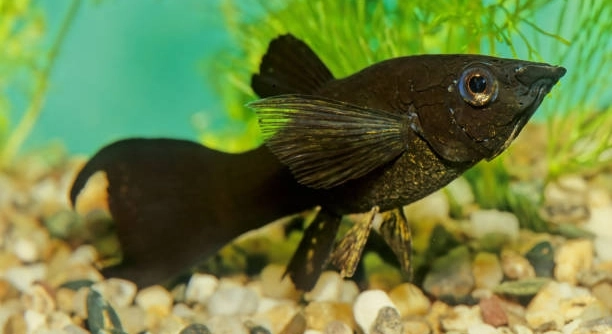
Do you ever notice your Black Molly acting restless right after a routine water change? Many aquarium enthusiasts observe this sudden burst of energy or unusual behavior that can seem alarming at first glance. These reactions are fairly common among fish.
Black Mollies may act out after water changes due to sudden shifts in water parameters, such as temperature, pH, or hardness. These changes can temporarily stress the fish, causing heightened activity or erratic swimming patterns until they acclimate.
Understanding these behaviors will help you maintain a stable and healthy environment for your fish, ensuring they remain calm and thrive in your aquarium.
Why Black Mollies React to Water Changes
When you change the water in a Black Molly tank, they may swim rapidly or hide for a short time. These reactions are usually caused by shifts in water temperature, pH, and hardness. Even small changes can create temporary stress for the fish. Black Mollies are sensitive to their environment, and sudden alterations can trigger these reactions, making them appear restless or agitated. Over time, most Black Mollies adjust to new water conditions, but consistent fluctuations can lead to prolonged stress. It’s important to monitor the water parameters before and after changes to ensure a stable environment. Providing hiding spots, like plants or decorations, can help them feel secure during adjustments. Observing your fish during and after a water change allows you to notice patterns in their behavior and respond accordingly. Regular maintenance and careful acclimation reduce stress and help your Black Mollies remain healthy and active in the tank.
Acclimating your Black Mollies gradually can prevent most outbursts. Small, measured water changes keep them calm and steady.
Stress from sudden water changes can affect feeding habits and immunity. Taking the time to match temperature and chemistry reduces erratic behavior. Ensuring the tank is stable and predictable will create a more relaxed environment for your fish. Even minor attention to water conditions makes a significant difference, helping your Black Mollies adjust quickly without prolonged stress.
How to Minimize Stress During Water Changes
Slow water changes reduce shock. Gradually removing and replacing water helps maintain stable conditions and keeps your fish calm.
Timing and method are essential for reducing stress. Use a thermometer to match water temperature and a test kit to check pH and hardness before adding new water. Changing only a portion of the tank water at a time prevents sudden shifts that can unsettle your Black Mollies. Stirring the new water gently before adding it allows gases to escape and avoids creating currents that might alarm the fish. Observing the fish during the process helps identify signs of distress early, so adjustments can be made. Using a drip acclimation method or adding new water slowly over several minutes is often effective for sensitive tanks. Providing cover and limiting external disturbances, such as loud noises or sudden movements, further supports calm behavior. By combining careful preparation, gradual introduction, and attentive observation, you create a safe environment where your Black Mollies can adjust smoothly without displaying erratic behavior. Regularly maintaining consistent water parameters ensures ongoing health and reduces the risk of stress-related issues.
Common Behavioral Signs After Water Changes
Black Mollies may swim erratically or hover near the surface after a water change. Some hide behind plants or decorations, while others appear more active than usual. These behaviors are temporary and usually calm down within a few hours.
Erratic swimming, sudden bursts of energy, and frequent hiding are typical responses to shifts in water parameters. Mollies are sensitive to temperature changes and pH fluctuations, which can trigger these behaviors. Feeding patterns may also change, with some fish eating less until they adjust. Observing these patterns helps determine if the water change was too abrupt or if additional acclimation is needed. Keeping consistent water quality reduces stress and encourages normal behavior. Over time, Mollies learn to adapt to minor adjustments, showing calmer and more predictable activity after routine maintenance.
Some Black Mollies may chase each other or dart across the tank following a water change. This behavior is often a mix of stress response and curiosity. Over a short period, these bursts of activity typically subside, and the fish return to their usual swimming patterns. Monitoring the frequency and intensity of these behaviors can indicate how well your fish are adapting and whether future water changes need to be more gradual or carefully monitored. Proper tank conditions and observation prevent long-term stress and maintain healthy, lively Mollies.
Tips for a Smooth Water Change
Changing water in smaller increments helps maintain stable conditions and reduces stress. Partial water replacements are preferable to complete changes.
Preparing new water carefully ensures a calm adjustment. Match the temperature and pH as closely as possible to the tank, and add it slowly over several minutes. Avoid stirring too vigorously or introducing rapid currents, which can startle the fish. Observing Mollies during the process allows you to see any signs of distress immediately, so adjustments can be made. Adding hiding spots or temporarily reducing lighting can also help them feel secure. Over time, consistent water maintenance creates a routine that Mollies recognize, lowering stress responses and encouraging regular feeding and swimming patterns. This approach supports both short-term comfort and long-term health.
Water Temperature Effects
Black Mollies react quickly to temperature changes. Even a few degrees difference during a water change can make them swim faster or hide. Gradual adjustment is essential to prevent stress.
Keeping the water temperature stable helps maintain calm behavior. Sudden shifts can trigger erratic movements and affect feeding habits.
pH and Hardness Changes
Fluctuations in pH or water hardness after a change can cause noticeable behavioral shifts. Black Mollies prefer slightly alkaline, moderately hard water. Large or sudden changes may result in hiding, frantic swimming, or temporary loss of appetite. Monitoring and matching water chemistry is important.
Feeding After Water Changes
Black Mollies may eat less or become picky immediately after a water change. Allow them time to settle before offering food.
FAQ
Why do Black Mollies swim erratically after a water change?
Erratic swimming is usually caused by sudden changes in water temperature, pH, or hardness. Mollies are sensitive to their environment, and even small shifts can trigger stress responses. This behavior is temporary, and they often calm down once the new water stabilizes. Observing them closely helps determine if further adjustments are needed.
How long does it take for Black Mollies to settle after a water change?
Most Black Mollies adjust within a few hours, though some may take up to a day depending on the size of the change and the stability of water parameters. Smaller, gradual changes help them settle faster and reduce stress-related behaviors like hiding or frantic swimming.
Can water changes harm Black Mollies?
Water changes themselves are not harmful when done correctly. Problems arise when changes are sudden or water parameters are mismatched. Large, abrupt changes in temperature, pH, or hardness can stress fish, affect appetite, and weaken their immune system. Partial water changes done carefully maintain a healthy tank.
Is it normal for Black Mollies to hide after a water change?
Yes, hiding is a common stress response. Black Mollies may retreat behind plants, rocks, or decorations to feel secure. Providing plenty of hiding spots during and after water changes helps them adjust comfortably and reduces erratic swimming or aggressive interactions.
Should I feed my Black Mollies immediately after a water change?
It’s best to wait until the fish settle down before feeding. Stress from water changes can reduce appetite temporarily. Once they resume normal swimming and explore the tank, feeding can continue as usual. Overfeeding during stress may cause digestive issues or water quality problems.
How can I make water changes less stressful for my Black Mollies?
Gradual water changes with careful monitoring of temperature, pH, and hardness reduce stress. Using a drip acclimation method or adding water slowly helps maintain stable conditions. Minimizing noise and movement around the tank during changes also supports calmer behavior.
Do Black Mollies react differently to large vs. small water changes?
Yes, larger water changes tend to create more noticeable stress, including erratic swimming, hiding, or chasing behaviors. Smaller, partial changes are less disruptive and allow fish to adapt without dramatic behavioral shifts. Regular small changes are safer than infrequent large ones.
Can repeated water changes cause long-term stress?
Frequent and abrupt water changes can cause ongoing stress if the fish are unable to adapt. Long-term stress affects feeding, immune response, and overall health. Maintaining consistent water parameters and gradual changes prevents chronic stress and promotes stable, healthy behavior.
Do all Black Mollies react the same way to water changes?
Individual fish may respond differently based on temperament, age, and previous exposure to water changes. Some may be more active or curious, while others hide more. Observing individual behavior helps tailor water change routines to minimize stress for all fish.
Is it necessary to test water before every change?
Testing water regularly ensures temperature, pH, and hardness match the tank. Even small discrepancies can cause stress in Black Mollies. Routine testing allows you to make necessary adjustments before adding new water, keeping the environment stable and reducing behavioral outbursts.
What signs indicate serious stress after a water change?
Persistent hiding, loss of appetite, labored breathing, or clamped fins may indicate more severe stress or underlying issues. If these behaviors continue beyond a day or two, checking water parameters, performing partial changes carefully, and monitoring for illness is important.
Can using a water conditioner help reduce stress?
Yes, a water conditioner removes chlorine, chloramines, and heavy metals, making tap water safer for Black Mollies. This reduces irritation and stress during water changes. Using a conditioner is a simple step that improves water quality and supports healthy, calm behavior.
How often should I change the water in a Black Molly tank?
Regular partial water changes, typically 20-30% weekly, maintain water quality and minimize stress. Overly frequent or large changes can upset the fish. A consistent schedule balances cleanliness with stability, keeping Black Mollies healthy and reducing behavioral reactions after changes.
Does tank size affect how Black Mollies respond to water changes?
Yes, smaller tanks are more sensitive to water parameter shifts, so Mollies may react more strongly. Larger tanks have more stable conditions, making changes less noticeable. Adjusting the amount and pace of water replacement based on tank size helps maintain calm behavior.
Are there any environmental factors that make stress worse?
Sudden light changes, loud noises, or tank overcrowding can amplify stress after a water change. Providing hiding spots, keeping a quiet environment, and ensuring proper stocking levels help Black Mollies adjust smoothly. Stable surroundings support recovery and normal behavior after maintenance.
Can I prevent erratic swimming completely?
Complete prevention is unlikely, as minor stress reactions are natural. However, careful water preparation, gradual changes, stable tank conditions, and attentive observation can greatly reduce frequency and intensity. Most Mollies adapt quickly and return to normal activity within hours.
Do Black Mollies need any special care after major water changes?
After a major change, monitoring water parameters closely, observing behavior, and providing extra hiding spots helps them recover. Feeding should resume once the fish settle, and reducing external disturbances supports a calm environment during adjustment. These steps prevent prolonged stress and maintain overall health.
Is it normal for Black Mollies to chase each other after water changes?
Yes, chasing or increased activity can be part of the stress response. This usually subsides once they acclimate. Ensuring adequate space, hiding spots, and stable conditions helps reduce tension and aggressive interactions during the adjustment period.
How can I tell if my water change method is effective?
Effective methods maintain stable temperature, pH, and hardness while causing minimal behavioral disruption. Observing calm swimming, regular feeding, and reduced hiding indicates the fish are comfortable. Regular testing and careful monitoring ensure the routine supports health without causing unnecessary stress.
What should I do if my Black Mollies remain stressed after a water change?
Check water parameters for mismatches, perform smaller partial changes if necessary, and provide hiding spots. Ensure the tank environment is quiet and stable. If stress persists beyond a day or two, consider consulting a specialist to rule out illness or water quality issues.
Can stress from water changes affect breeding behavior?
Yes, stress can temporarily suppress spawning and reduce activity. Maintaining stable water parameters, gradual changes, and a calm environment support reproductive behavior and overall health. Healthy, low-stress conditions encourage normal breeding patterns in Black Mollies.
Are there long-term benefits to consistent water change practices?
Consistent, careful water changes reduce stress, maintain water quality, and support overall health. Fish exhibit calmer behavior, stable feeding, and less susceptibility to disease. Gradual, routine maintenance creates an environment where Black Mollies thrive with predictable, comfortable conditions.
Can other fish in the tank influence Black Mollies’ stress?
Yes, tankmates that are aggressive or highly active can increase stress during water changes. Providing hiding spots and monitoring interactions ensures all fish adjust safely. Stable social conditions, combined with careful water changes, help maintain harmony and reduce erratic behavior.
Do Black Mollies need any special acclimation for new water types?
Switching water sources requires careful acclimation. Slowly introducing new water over time, matching temperature and chemistry, and using a drip or gradual method prevents shock. Proper acclimation reduces stress, helps maintain feeding patterns, and ensures long-term health.
How important is observation after water changes?
Observation is key. Noting swimming patterns, hiding, appetite, and interactions helps identify stress early. Promptly addressing issues prevents long-term problems, ensures safe conditions, and supports the well-being of Black Mollies. Watching them closely during adjustments allows for more precise and effective care.
Do Black Mollies react differently in planted vs. bare tanks?
Planted tanks offer hiding spots and reduce stress, helping Mollies adjust faster. Bare tanks leave them exposed, which can increase erratic swimming and hiding behind decorations. Providing cover, even in minimal setups, creates a safer environment during water changes and helps maintain calm behavior.
Can stress from water changes cause illness?
Prolonged stress weakens the immune system, making Black Mollies more susceptible to disease. Keeping water parameters stable, making gradual changes, and minimizing disturbances reduce risk. Healthy, low-stress conditions support natural defenses and prevent stress-related illnesses.
How can I tell if my Black Mollies are fully adjusted?
Once they swim normally, resume feeding, explore the tank, and interact peacefully with tankmates, they are usually fully adjusted. Regular monitoring ensures they remain comfortable and helps identify minor changes before they become stressful. Stable behavior indicates a successful water change process.
Is it okay to change water more frequently if the tank seems dirty?
Frequent changes are acceptable if done gradually and with care. Avoid large, sudden replacements that shock the fish. Small, regular changes maintain water quality without causing stress, keeping Black Mollies healthy and behavior calm.
Do water additives affect Black Mollies’ reaction to changes?
Yes, conditioners and supplements can reduce irritation or stress from new water. Using them according to instructions improves comfort and helps Mollies adapt quickly, supporting normal swimming and feeding behaviors during adjustments.
Can stress signs vary by age or size of Black Mollies?
Younger or smaller Mollies are often more sensitive to water changes. They may hide more, swim erratically, or reduce feeding. Older, larger fish tend to adjust faster. Observing individual responses ensures all fish receive proper care during maintenance.
What is the best way to combine feeding and water changes?
Feed only after the fish settle, not during the change. Gradually introduce water, observe behavior, then offer food once swimming patterns normalize. This prevents digestive stress and maintains healthy feeding habits.
How can I tell if my water change schedule is too aggressive?
Frequent signs of stress—erratic swimming, hiding, or reduced appetite—indicate changes are too abrupt. Adjusting the volume or pace of water replacement, and monitoring parameters closely, helps establish a safer routine for Black Mollies.
Is it safe to change water while fish are breeding?
During breeding, changes should be minimal and gradual to avoid stress. Providing stable conditions, hiding spots, and avoiding sudden movements supports reproductive behavior and protects fry. Observing both adults and young ensures the environment remains suitable.
Do Black Mollies ever react aggressively to water changes?
Mollies may chase or nip tankmates temporarily, particularly if stressed. Providing space, hiding spots, and gradual water changes reduces aggression. Most behaviors subside once fish acclimate, restoring calm interactions and normal activity levels.
Can adding new decorations during a water change increase stress?
Yes, introducing new items can startle fish and compound stress. Adding decor slowly, ensuring secure placement, and observing reactions helps maintain calm behavior while adjusting the tank environment safely.
How do I know if water chemistry adjustments are needed before a change?
Test temperature, pH, and hardness beforehand. Matching new water to tank conditions prevents shocks, reduces stress, and supports normal behavior. Adjusting parameters gradually ensures a smooth transition for Black Mollies.
Is it normal for Black Mollies to show increased curiosity after a water change?
Yes, some fish may explore more actively as they acclimate. This is a positive sign that they are adjusting and inspecting the new conditions. Observation ensures this curiosity does not become stress-driven or aggressive behavior.
How important is aeration during a water change?
Aeration maintains oxygen levels and reduces sudden changes in water flow, helping Mollies stay calm. Using gentle filtration or an air stone during changes supports stable conditions and prevents stress-related reactions.
Do Black Mollies prefer changes in small increments or all at once?
Small, incremental changes are preferable. Gradual adjustments prevent sudden shifts in temperature, pH, or hardness, reducing stress and supporting normal feeding, swimming, and social behavior. Incremental changes are safer and more effective for maintaining a stable environment.
How does lighting affect Black Mollies’ stress during water changes?
Bright or fluctuating light can increase stress. Keeping consistent lighting and reducing intensity during water changes helps Mollies feel secure and calm, allowing them to adjust more comfortably to new water conditions.
Can adding plants reduce stress during water changes?
Yes, plants offer hiding spots and create a natural barrier against sudden currents. They help Mollies feel secure and reduce erratic behavior, making adjustments smoother and supporting normal activity.
Are some Mollies more sensitive than others?
Yes, individual temperament affects reactions. Some are naturally more cautious or reactive, while others handle changes calmly. Monitoring each fish and adjusting the water change method ensures the entire tank remains comfortable and stress-free.
Is it normal for Black Mollies to cluster together after a water change?
Yes, clustering is a protective response. Fish feel safer in groups during sudden environmental changes. Once water conditions stabilize, they usually disperse and resume normal activity levels throughout the tank.
Do temperature shocks cause long-term effects?
Severe temperature shocks can weaken the immune system, slow growth, or affect reproduction. Gradual temperature adjustments prevent long-term health issues, helping Black Mollies maintain normal behavior and overall well-being.
How can I make future water changes easier?
Maintaining consistent water parameters, using partial changes, and monitoring behavior reduces stress over time. Gradual, predictable maintenance routines allow Mollies to adapt quickly, keeping swimming, feeding, and social interactions stable.
Can water flow during a change stress Mollies?
Strong currents can startle fish. Introducing water gently and minimizing turbulence prevents panic swimming. Calm water flow during changes ensures Mollies remain comfortable and adjust without excessive stress.
Do Black Mollies need rest after a water change?
Yes, providing a quiet environment allows them to recover. Reducing disturbances and allowing normal rest patterns helps reduce stress, ensuring they regain energy and resume feeding and swimming normally.
Is it necessary to remove uneaten food during water changes?
Yes, leftover food can affect water quality and stress fish if it begins to decay. Removing debris before or during changes helps maintain clean conditions and supports a healthy, calm environment.
How can I track stress levels in Black Mollies?
Observe swimming patterns, hiding behavior, appetite, and interactions with tankmates. Consistent monitoring allows early identification of stress, ensuring water changes and tank conditions can be adjusted before problems escalate.
Do Mollies recover faster in larger tanks?
Yes, larger tanks buffer changes in temperature, pH, and hardness. Mollies in spacious tanks experience less dramatic environmental shifts, allowing them to recover quickly and display calmer behavior after water changes.
Can water hardness swings cause visible stress?
Yes, sudden increases or decreases in hardness can make Mollies swim erratically or hide. Matching new water hardness to tank conditions minimizes stress and promotes normal swimming, feeding, and social behavior.
Are water changes more stressful in colder or warmer climates?
Extreme temperatures amplify stress. Mollies are tropical fish, so sudden cold or overly warm water can trigger erratic behavior. Careful temperature matching during changes is crucial to maintain calm and healthy activity.
Do Mollies show long-term memory of stressful changes?
They may remember repeated stressful events, responding more quickly with hiding or rapid swimming. Gradual, predictable water changes help build positive adaptation, reducing the intensity of future stress responses.
How do I know if hiding behavior is normal or concerning?
Short-term hiding after a water change is normal. Prolonged hiding, refusal to eat, or clamped fins may indicate persistent stress or illness, requiring closer observation and potential intervention.
Is using a net during water changes stressful?
Handling or netting increases stress. Avoid removing fish unnecessarily. If necessary, do it gently and quickly, keeping movements calm to minimize panic and erratic swimming.
Can water changes trigger fin damage?
Excessive stress may lead to fin clamping or minor tears from rapid swimming or collisions. Gradual water changes and providing hiding spots prevent accidents and reduce stress-related injuries.
Do Black Mollies prefer water changes at certain times of day?
Changing water during quiet periods with minimal disturbances is ideal. Early morning or late evening often works best, as fish are less active and more likely to adjust calmly to new water.
How do I balance water cleanliness with stress reduction?
Perform partial changes regularly rather than infrequent large replacements. Maintain filtration and monitor water parameters to keep the tank clean while minimizing environmental shocks and stress for Black Mollies.
Can acclimation boxes or containers help?
Yes, using a small acclimation container with gradual introduction of new water helps sensitive fish adjust. This reduces panic swimming, hiding, and feeding disruptions, supporting overall health during maintenance.
Do Mollies react differently in community tanks?
Interactions with other species affect behavior. Aggressive or territorial tankmates can heighten stress after water changes. Monitoring social dynamics and providing hiding spots ensures all fish remain calm and adjust safely.
Can adding salts reduce stress during changes?
In small doses, aquarium salts can help reduce osmotic stress and irritation, supporting Mollies’ recovery. Always follow proper guidelines to avoid harming fish or disrupting water chemistry.
Is it better to change water frequently or in larger batches?
Frequent, small changes maintain water quality and stability, minimizing stress. Large, infrequent changes cause drastic shifts in parameters, triggering stronger stress responses. A regular, gradual routine is most effective for healthy Black Mollies.
Do Black Mollies ever refuse to swim after a water change?
Temporary inactivity can occur, especially if water parameters differ. Most fish recover within hours once conditions stabilize. Prolonged lethargy may indicate stress or water quality issues that require attention.
Are some water conditioners more effective for sensitive Mollies?
Yes, conditioners that remove chlorine, chloramines, and heavy metals reduce irritation and stress. Choosing high-quality products ensures safer water and a smoother adjustment process for sensitive fish.
How can I make water changes less stressful in planted tanks?
Move slowly, avoid disturbing plants excessively, and maintain gentle water flow. Plants offer hiding spots and reduce stress, helping Mollies acclimate smoothly without erratic swimming or hiding.
Can aeration prevent stress after water changes?
Adequate oxygen levels help Mollies adjust calmly. Using an air stone or gentle circulation prevents low oxygen levels and sudden currents, supporting smooth acclimation.
Do Mollies react differently if water is too soft or too hard?
Yes, sudden changes in hardness can trigger hiding, erratic swimming, or reduced feeding. Matching new water to the tank’s hardness reduces stress and promotes normal behavior.
Should I reduce feeding if I change water frequently?
Not necessarily, but avoid overfeeding immediately after a change. Wait until Mollies resume normal swimming and explore the tank to ensure digestion and minimize stress.
Do Black Mollies need extra care in winter or summer?
Extreme seasonal temperatures require careful monitoring. Adjust water temperature gradually, avoid sudden changes, and maintain stable parameters to reduce stress and maintain normal behavior.
Is it better to perform water changes gradually or quickly?
Gradual changes are safer and reduce stress. Adding water slowly over
Changing water in a Black Molly tank can be a source of stress for the fish if not done carefully. Mollies are sensitive to shifts in temperature, pH, and hardness, and sudden changes can make them swim erratically, hide, or show other unusual behaviors. Observing these reactions closely can help you understand how your fish respond and what adjustments are necessary. Small, gradual changes tend to be less disruptive and allow the fish to acclimate more comfortably. Providing hiding spots, such as plants or decorations, also gives them a sense of security, making the adjustment period smoother. Even minor attention to water conditions and timing of changes can prevent stress-related behaviors from becoming prolonged or harmful.
Consistency is an important factor in maintaining a healthy environment for Black Mollies. Regular partial water changes, rather than infrequent large replacements, maintain water quality while minimizing stress. Matching the new water’s temperature, pH, and hardness to the existing tank ensures a smoother transition. Careful monitoring of the fish during and after a water change allows you to notice any abnormal behaviors quickly. Over time, Black Mollies will adapt to routine maintenance if it is performed thoughtfully. Keeping the tank environment stable, providing proper hiding spaces, and observing their behavior consistently contributes to a calmer and healthier aquarium. Stress can affect appetite, immunity, and overall well-being, so consistent practices are crucial to preventing long-term problems.
Water changes are a regular and necessary part of aquarium care, and understanding how to perform them safely makes a big difference. Gradual changes, monitoring water parameters, and observing fish behavior create a balanced environment that supports natural activity and feeding patterns. Mollies are sensitive, but with careful preparation and attention to detail, they adjust quickly and remain healthy. Small adjustments, like controlling water flow during changes or avoiding sudden disturbances, help reduce stress further. Over time, these practices become routine, and Mollies respond with calmer behavior and normal interactions. Maintaining consistent care not only protects their health but also helps the tank remain visually clean and stable. By understanding the needs of Black Mollies during water changes, you can provide a supportive environment that promotes long-term well-being and encourages lively, natural behavior in the aquarium.

Hello,
If you enjoy the content that we create, please consider saying a "Thank You!" by leaving a tip.
Every little bit helps us continue crafting quality advice that supports the health, happiness, and well-being of pets around the world, for pets of all shapes, sizes, and species.
We really appreciate the kindness and support that you show us!