
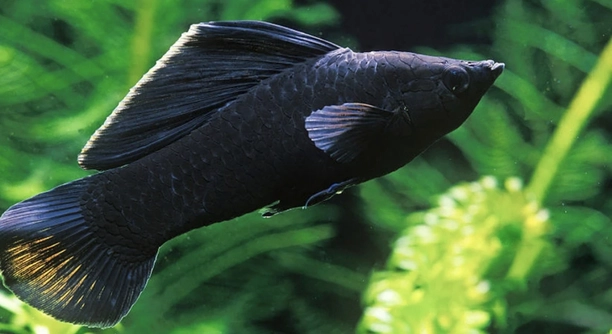
Setting up a tank for black mollies can feel simple, but small details often make a big difference. Many hobbyists focus on basics yet overlook subtle adjustments that keep these fish healthy and vibrant in home aquariums.
Optimal black molly tank setups rely on stable water parameters, appropriate vegetation, and proper tank size. Regular monitoring of pH, temperature, and water hardness, combined with hiding spaces and suitable filtration, promotes fish health and minimizes stress.
These practical insights go beyond the basics, revealing small tweaks that can significantly improve your black mollies’ well-being.
Choosing the Right Tank Size
A proper tank size is crucial for black mollies. While they are small fish, they are active swimmers and need space to move freely. A 20-gallon tank is the minimum for a small group, but larger is always better. Crowded conditions can lead to stress, stunted growth, and increased disease risk. Black mollies also appreciate open swimming areas combined with spots to hide among plants or decorations. Tall tanks are ideal because these fish often swim near the surface. Adding floating plants can give them shade and security. It is important to plan for the tank’s long-term population. Black mollies breed easily, so extra space can prevent overcrowding. Regularly check that filtration can handle the bioload of the number of fish you keep. Consistent maintenance, including partial water changes and substrate cleaning, supports their health. Proper tank size paired with stable water parameters creates an environment where black mollies thrive and display natural behavior.
A larger tank reduces stress and supports healthier fish growth. It also provides room for plants and decorations, making maintenance easier.
Providing sufficient space allows black mollies to swim actively, interact naturally, and reduces aggression. It also ensures stable water quality, which is essential for long-term health and vibrant coloration.
Maintaining Water Quality
Regular water monitoring is essential for black mollies. They thrive in slightly alkaline water with consistent temperature and hardness. Small changes can lead to illness, so testing pH, ammonia, nitrite, and nitrate levels weekly is recommended.
Stable water conditions prevent stress and disease, helping mollies live longer and stay vibrant.
Maintaining water quality requires attention to filtration, water changes, and chemical balance. Use a reliable filter rated for your tank size and perform weekly partial water changes of 20 to 30 percent. Condition tap water to remove chlorine and chloramine before adding it to the tank. Avoid sudden temperature shifts by using a heater and keeping the tank away from drafts or direct sunlight. Regularly clean the substrate to remove waste and uneaten food. Introducing live plants can naturally support water quality by absorbing nitrates. Keeping monitoring logs for pH, hardness, and temperature helps detect small changes before they affect the fish. By combining proper equipment, consistent care, and observation, you create an environment that supports black mollies’ health, activity, and reproduction while reducing the risk of stress-related issues.
Proper Diet and Feeding
Black mollies need a balanced diet to stay healthy. High-quality flakes or pellets designed for livebearers form the base, supplemented with occasional live or frozen foods for protein.
Offering a mix of plant-based and protein-rich foods ensures growth and vibrant coloration. Feed small amounts two to three times daily, avoiding overfeeding. Excess food can pollute the tank and lead to health issues. Include vegetables like blanched spinach or zucchini occasionally to support digestion. Observing how fish eat helps adjust portions and prevent waste. Variety also encourages natural foraging behavior, keeping mollies active. A steady feeding routine combined with high-quality food promotes longevity, immune strength, and overall vitality, making the tank environment more stable and reducing stress on all inhabitants.
Monitoring appetite and behavior can signal health changes early. Fish that suddenly refuse food may be stressed or sick, requiring prompt attention.
Adding Plants and Hiding Spots
Live plants and hiding spaces reduce stress and encourage natural behavior in black mollies. They prefer areas with moderate coverage and open swimming zones.
Dense plants, driftwood, or rocks create safe spots for timid fish and protect fry from adults. Floating plants offer shade and simulate natural conditions, while rooted plants provide grazing opportunities. Ensure decorations do not overcrowd the tank, maintaining at least half the space open for swimming. Placement of hiding spots near filtration and near the surface helps mollies feel secure while exploring. Plants also contribute to water quality by absorbing nitrates and producing oxygen, supporting overall tank stability. Choosing resilient species like Java fern or Anubias minimizes maintenance and ensures continuous coverage, giving mollies both safety and stimulation. By arranging plants thoughtfully and providing multiple shelter options, the tank becomes a healthier, calmer environment where black mollies can display natural activity, breed successfully, and maintain vibrant coloration throughout their lives.
Lighting and Temperature
Black mollies thrive under moderate lighting, which supports plant growth and fish activity. Avoid intense lights that can stress fish or promote excessive algae.
Maintain a stable temperature between 75 and 82°F. Sudden changes can cause illness, so a reliable heater and thermometer are essential.
Tank Companions
Choose peaceful species that tolerate similar water conditions. Avoid aggressive or fin-nipping fish that can stress black mollies. Compatible tank mates include guppies, platies, and peaceful tetras.
Regular Cleaning and Maintenance
Consistent maintenance keeps water safe and fish healthy. Remove debris, clean the substrate, and perform partial water changes weekly. Regularly check filters and equipment to ensure proper function. Neglecting these tasks increases waste buildup and stress. Keeping a simple schedule supports stability and encourages natural behavior in black mollies.
Observing Behavior
Monitor activity, feeding, and social interactions daily. Changes can indicate health issues or stress, allowing timely intervention.
FAQ
How often should I feed my black mollies?
Black mollies do best when fed two to three small meals daily. Overfeeding can pollute the water and cause health problems. Give only as much as they can eat in a few minutes. Including a mix of flakes, pellets, and occasional vegetables or protein-rich foods keeps their diet balanced and supports vibrant coloration.
Can black mollies live in a community tank?
Yes, black mollies generally do well with peaceful species. Suitable tank mates include guppies, platies, and small tetras. Avoid aggressive or fin-nipping fish. Providing enough space, plants, and hiding spots helps reduce stress and prevents conflicts between different species in the same tank.
Do black mollies need live plants?
Live plants are not required but highly recommended. They provide hiding spots, improve water quality, and offer grazing opportunities. Floating plants create shade and mimic natural conditions. Hardy plants like Java fern and Anubias are easy to maintain and do not require intense care, making them ideal for beginners.
What is the ideal water temperature for black mollies?
Black mollies prefer water between 75 and 82°F. Temperatures below this range can cause stress, weaken the immune system, and slow growth. Sudden temperature fluctuations should be avoided. A reliable heater and thermometer are essential to maintain a stable environment.
How do I prevent algae in a black molly tank?
Algae can be managed by controlling light exposure and maintaining clean water. Moderate lighting, not exceeding eight hours per day, helps limit growth. Regular water changes, removing debris, and adding live plants absorb excess nutrients. Avoid overfeeding, as leftover food contributes to algae buildup.
Do black mollies need a specific pH?
Black mollies prefer slightly alkaline water, ideally with a pH between 7.5 and 8.5. Consistent pH supports health, reduces stress, and encourages natural behavior. Use test kits to monitor water regularly, and make gradual adjustments if necessary. Drastic changes can cause illness or shock.
How often should I clean the tank?
Weekly maintenance is sufficient for most black molly tanks. Perform partial water changes of 20 to 30 percent, clean the substrate, and check the filter. Remove uneaten food and debris promptly. Regular cleaning supports water quality and helps prevent diseases while keeping fish active and healthy.
Can black mollies live with shrimp or snails?
Yes, black mollies generally coexist peacefully with snails and larger, non-aggressive shrimp. They may nibble on tiny shrimp or baby snails occasionally, so monitor interactions. Providing plants and hiding spots reduces conflicts and allows all species to thrive in the same environment.
How do I encourage breeding in black mollies?
To encourage breeding, maintain stable water conditions and a balanced diet rich in protein. Include plants or breeding mops to give fry a safe hiding place. Keep males and females together in a spacious tank. Avoid overcrowding to reduce stress and ensure successful reproduction.
What are signs of illness in black mollies?
Common signs include lethargy, loss of appetite, abnormal swimming, clamped fins, or visible spots on the body. Rapid gill movement or rubbing against surfaces may indicate parasites. Early detection through daily observation allows prompt intervention, improving the chances of recovery.
How many black mollies should I keep together?
A minimum of three to five mollies is recommended to reduce stress and encourage natural social behavior. Males can be aggressive toward each other, so keeping more females than males helps maintain harmony. Adequate tank size is essential to prevent overcrowding and aggression.
Do black mollies need special water hardness?
Yes, black mollies prefer moderately hard to hard water. Water hardness helps maintain their health, coloration, and reproduction. Using a mix of tap and mineral supplements can achieve the right hardness if natural water is too soft. Regular testing ensures stable conditions for long-term well-being.
Can I keep black mollies in brackish water?
Black mollies tolerate slightly brackish water, which can improve health and coloration. A small amount of aquarium salt is safe for adults, but avoid sudden changes. Fry are more sensitive, so maintain freshwater conditions for breeding tanks and gradually acclimate any additions.
What type of filtration is best for black mollies?
Moderate filtration is ideal to maintain clean water without creating strong currents. Canister or hang-on-back filters work well. Ensure the filter is rated for the tank size and clean it regularly. Proper filtration reduces waste buildup and supports overall water quality.
How can I tell if my black molly is stressed?
Signs of stress include hiding excessively, erratic swimming, loss of appetite, or faded coloration. Stress often comes from overcrowding, poor water quality, incompatible tank mates, or sudden environmental changes. Addressing these factors promptly helps mollies recover quickly and stay healthy.
Are black mollies sensitive to light changes?
Yes, sudden or intense light changes can stress black mollies. Moderate, consistent lighting supports plant growth and fish activity without causing alarm. Floating plants or shaded areas help mollies feel secure while maintaining a balanced environment. Gradual adjustments are always safer than abrupt changes.
How long do black mollies live?
With proper care, black mollies can live three to five years, sometimes longer. Lifespan depends on water quality, diet, stress levels, and tank conditions. Consistent maintenance, balanced nutrition, and a stable environment significantly increase their longevity and overall well-being.
Can black mollies jump out of the tank?
Yes, black mollies are known to jump occasionally. A tight-fitting lid or cover prevents escapes. Ensure openings for filtration and feeding are secure, and provide hiding spots to reduce stress that may cause jumping. This simple precaution keeps fish safe and the tank environment intact.
What is the best substrate for black mollies?
Smooth gravel or sand works well, allowing mollies to swim comfortably and plants to root. Avoid sharp or rough substrates that could injure delicate fins. Lighter-colored substrates highlight their black coloration and make monitoring waste easier during cleaning routines.
How often should I test water parameters?
Weekly testing of pH, hardness, ammonia, nitrites, and nitrates is recommended. Frequent checks help maintain stability and detect issues early. Keeping a log of readings makes trends visible, allowing adjustments before problems arise. Stable water conditions support health, breeding, and vibrant coloration in black mollies.
Final Thoughts
Setting up and maintaining a black molly tank requires attention to a few important details, but it does not have to be complicated. Black mollies are hardy fish, but they respond well to stable water conditions, proper diet, and a well-planned environment. Providing an appropriate tank size, a balanced mix of plant cover and open swimming space, and regular monitoring of temperature and pH will ensure that your mollies remain healthy and active. Small adjustments, like adding floating plants or arranging hiding spots, can significantly reduce stress and allow them to display natural behavior. Consistent care, rather than occasional intensive maintenance, is the key to a thriving tank.
Feeding is another area where simplicity works best. A mix of high-quality flakes or pellets, occasional protein-rich foods, and some blanched vegetables can meet their nutritional needs without overcomplicating daily care. Feeding small amounts multiple times a day prevents water quality issues while supporting steady growth and vibrant coloration. Observing the fish during feeding is also useful, as changes in appetite can indicate stress or illness. Maintaining a clean environment through weekly water changes, substrate cleaning, and filter maintenance will support these healthy habits. Regular observation and attention to small changes in behavior, such as lethargy or unusual swimming patterns, allow for timely interventions before problems escalate.
Overall, keeping black mollies is manageable when approached with a steady, methodical routine. They adapt well to community tanks if compatible species are chosen and enough space is provided. Their natural curiosity and active swimming make them enjoyable to watch, and providing a slightly enriched environment encourages these behaviors. Plants, hiding spots, and moderate lighting contribute to a balanced habitat, while stable water parameters and careful feeding practices keep stress low and overall health high. By focusing on these key aspects—space, diet, water quality, and observation—you can maintain a black molly tank that is both sustainable and rewarding. This approach not only supports their physical health but also encourages the natural behaviors that make black mollies so appealing in home aquariums. Consistency, attention, and a thoughtful setup create a positive environment that allows these fish to flourish over the long term.

Hello,
If you enjoy the content that we create, please consider saying a "Thank You!" by leaving a tip.
Every little bit helps us continue crafting quality advice that supports the health, happiness, and well-being of pets around the world, for pets of all shapes, sizes, and species.
We really appreciate the kindness and support that you show us!