
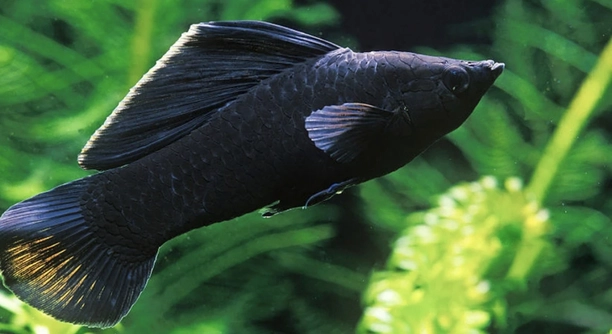
Are your black mollies acting a bit differently lately, making you wonder if something in their tank has shifted? Small changes in their behavior or environment can signal an imbalance that needs attention and care.
An unbalanced black molly tank typically results from disrupted water parameters, inadequate filtration, or inconsistent maintenance. These issues create stressful conditions that affect fish behavior and health. Identifying early signs of imbalance supports timely corrective actions and promotes overall stability.
Learning what these early indicators show helps you create a stable space for your black mollies and maintain tank balance.
Sign 1: Unusual Swimming Patterns
When black mollies begin showing unusual swimming patterns, it often signals that something in the tank is out of balance and needs attention. You might notice them staying near the surface, hanging around the bottom, or moving in short, restless bursts that feel slightly out of place. These changes often appear slowly, making them easy to overlook until they become more obvious and concerning. An unstable environment can influence how comfortable they feel, and their movement reflects it clearly. Paying close attention to their everyday routines helps you catch early signs before they grow into bigger problems that affect their health. Subtle shifts may seem harmless, but they often develop from issues related to water quality, temperature, or filtration. Watching how your mollies glide through the tank gives you reliable insight into their well-being, allowing you to respond with timely adjustments that keep their surroundings safe and stable and balanced.
Small changes in swimming style often show that something is affecting comfort inside the tank. Observing these shifts helps you understand what needs to be corrected. When movement becomes irregular, it usually connects to water conditions that require immediate attention to support your mollies in a steady environment each day.
Addressing these swimming changes begins with reviewing the basic parts of your aquarium setup. Testing the water gives you a clear idea of what may have shifted. Adjusting temperature, improving filtration, and performing consistent water changes usually helps restore balance. Keep your observations steady so you can recognize progress over time. Supporting your black mollies with a calm and predictable tank reduces stress and encourages healthier movement. When you respond early, their swimming naturally returns to a more relaxed pattern. Creating a stable space is one of the simplest ways to protect their comfort and overall well-being, each and always.
Sign 2: Poor Water Clarity
Cloudy water often indicates that the tank is experiencing an internal imbalance related to waste buildup or filtration weakness. When clarity drops, your mollies may show discomfort. Addressing this early helps maintain stability, allowing your tank to return to a clean and healthy appearance for your fish to feel settled.
Poor water clarity forms when organic waste lingers in the tank longer than it should. Excess food, decaying plant material, and natural waste release substances that cloud the water and shift the tank’s balance. Over time, this affects how comfortable your mollies feel in their environment. When the water becomes dull or hazy, it signals that filtration may not be keeping up with the tank’s needs. Cleaning the filter, removing uneaten food, and trimming dead plant pieces help restore a cleaner space. Regular water changes are essential for preventing buildup that disrupts clarity. Testing the water gives you a clearer understanding of what has changed and how quickly conditions are shifting. Improving circulation also helps by moving waste toward the filter instead of letting it settle across the tank. As clarity improves, your mollies regain confidence while swimming, since they rely on stable water to feel secure. Maintaining clear water supports their long term comfort, and it allows you to see early signs of issues before they grow. A tank that stays visually clean tends to remain more stable, reducing stress and supporting healthy behavior in your mollies, each and helping them feel calm in their daily swimming and movement.
Sign 3: Erratic Feeding Behavior
Erratic feeding behavior often appears when the tank is not supporting your black mollies with the stability they need. Reduced appetite, sudden disinterest in food, or overly frantic eating patterns usually connect to changes in water conditions or stress inside the tank.
When feeding habits shift, the first step is reviewing the tank’s basic parameters. Water temperature, pH, and ammonia levels influence how comfortable your mollies feel during mealtime. If any of these move outside their ideal range, appetite changes quickly follow. Uneaten food left in the tank worsens water quality, creating a cycle that keeps the fish stressed and less eager to eat. Steady feeding routines and proper portion sizes help prevent excess waste from settling in the tank. Consistency supports healthier behavior and gives you a clearer view of what your mollies need each day.
Correcting irregular feeding patterns begins with maintaining a clean and stable environment. Regular water checks allow you to track gradual changes before they affect your mollies’ comfort. Improving filtration and removing leftover food helps restore balance while preventing harmful shifts in water composition. A predictable schedule also encourages your fish to settle back into normal behavior. Once the tank becomes stable again, feeding habits usually return to a calmer state. Watching these daily patterns gives you important insight into how well the tank is functioning and allows you to make adjustments that support long term stability.
Sign 4: Stress Markings on the Body
Stress markings often show when your black mollies are affected by unstable conditions inside the tank. These markings may appear as darker streaks, faint patches, or subtle changes in color that develop over time as the fish respond to discomfort or environmental strain.
When these markings appear, it usually indicates that the tank needs immediate attention. Poor water quality, inconsistent temperature, or aggression from other tank inhabitants can lead to visible stress on the body. Reviewing the tank setup is essential, starting with water testing to identify what may be shifting. Adjusting temperature, improving filtration, and ensuring peaceful tank mates helps reduce the strain your mollies experience. Removing excess waste and maintaining regular cleaning routines keeps the environment more predictable. These steps help the markings fade gradually as the fish regain comfort. Supporting your mollies with steady conditions helps maintain their natural appearance and reduces the chance of recurring stress signs over time.
Sign 5: Surface Gasping
Surface gasping shows that oxygen levels in the tank may be dropping or that water conditions are shifting toward a stressful range. When black mollies gather at the surface more than usual, it often reflects an environment that needs quick correction to restore balance.
Poor aeration, rising ammonia, and reduced circulation influence how easily your mollies breathe. Checking the filter flow, adding an air stone, and performing a partial water change usually helps improve oxygen levels. These steps support a calmer atmosphere and allow your mollies to move comfortably throughout the entire tank.
Sign 6: Flicking Against Objects
Flicking against decorations, plants, or the substrate often indicates that your black mollies are reacting to irritation in the water. This behavior is commonly linked to poor water quality, shifting pH, or early signs of parasites. Addressing these concerns quickly keeps the tank more stable and protects their comfort.
Sign 7: Sudden Hiding
Sudden hiding usually appears when something inside the tank is causing discomfort or stress. Black mollies may retreat behind plants or decorations when conditions shift too quickly or become inconsistent. Watching this behavior closely helps you identify changes that require immediate attention to restore a calm and balanced environment.
FAQ
Why do black mollies become stressed in an unbalanced tank?
Black mollies become stressed when the environment shifts away from stable conditions they rely on. Changes in temperature, pH, or ammonia levels place pressure on their bodies and disrupt normal behavior. When these shifts continue, the fish respond with signs like hiding, gasping, or erratic swimming. Stability supports their comfort, so maintaining consistent parameters helps reduce stress. Regular tests, steady filtration, and predictable routines prevent sudden changes. When the tank remains balanced, your mollies feel more settled and behave more confidently each day.
What water parameters are most important for preventing tank imbalance?
The most important parameters include temperature, pH, ammonia, nitrite, and nitrate. These directly influence how well your mollies thrive. Ammonia and nitrite must remain at zero, since even low levels cause discomfort. Nitrate should be kept low through steady water changes. Temperature stability prevents stress, and pH should remain within the fish’s preferred range. When these elements stay within safe limits, your tank remains predictable. Monitoring them regularly reduces the chance of sudden shifts. Once you maintain these conditions, the environment becomes safer and more comfortable for your fish.
How often should I test the water in a black molly tank?
Testing should happen at least once a week. This helps you catch small changes before they impact your mollies’ behavior. When you notice early signs of imbalance, increase testing to every few days until conditions improve. Testing takes only a few moments but offers valuable insight. It guides your maintenance routine and helps you understand what might be affecting the tank. Regular attention builds good habits, and your fish benefit from the steady care. When testing becomes routine, your tank remains more stable long term.
Can unstable water clarity harm black mollies?
Yes, poor water clarity affects your mollies by creating an environment filled with waste and shifting chemistry. Cloudiness often signals that filtration is lagging or that organic waste is collecting faster than it should. These conditions raise stress and affect comfort. Maintaining clarity helps support healthy behavior and reduces unnecessary strain. Removing excess waste, adjusting feeding habits, and improving filtration all help restore visibility. Clear water supports better swimming and gives you a clearer view of issues that may appear later. When the tank remains clean, your mollies feel safer.
Why do black mollies hide suddenly when the tank becomes unbalanced?
Sudden hiding often appears when the environment becomes unpredictable. Mollies retreat to calmer corners when they feel unsafe or overwhelmed by changing conditions. Hiding is one of their earliest responses to stress. Once you notice it, reviewing the tank setup helps reveal what has shifted. Addressing temperature, pH, or water quality improves comfort. As stability returns, hiding usually decreases. This behavior shows how sensitive mollies are to their environment, so it serves as a helpful indicator. Paying attention to it allows you to respond quickly and support their well being.
How can I prevent erratic feeding behavior in my black mollies?
Preventing erratic feeding behavior starts with maintaining a consistent tank routine. Stable water parameters help your mollies feel comfortable during mealtime. Feeding moderate portions prevents excess waste from building up. Keeping a steady schedule reduces confusion and encourages normal appetite. When the tank stays clean and predictable, their feeding habits become more relaxed. Observing daily behavior helps you adjust portions if needed. These steps support better digestion and create an environment where your mollies feel secure. Balanced conditions always lead to healthier feeding patterns.
Is surface gasping always a sign of low oxygen?
Surface gasping often points to low oxygen, but it can also appear when ammonia levels rise or when the tank experiences poor circulation. Addressing these factors usually resolves the issue. Improving airflow, cleaning filters, and performing water changes help restore balance. When the water becomes healthier, your mollies return to normal swimming patterns. Surface gasping is a clear sign that something needs attention, so responding quickly protects their comfort and health.
Final Thoughts
Caring for black mollies becomes much easier when you understand how their behavior reflects the condition of their tank. These fish respond quickly to even small changes in their environment, and their reactions help you recognize when something is drifting away from balance. By watching how they swim, eat, breathe, and interact with their surroundings, you gain a clearer sense of what the tank needs. Each sign tells you something valuable, and paying attention to these patterns helps you stay ahead of issues that could grow over time. A stable tank does not rely on complicated steps, but instead on steady habits that keep the environment predictable. Your mollies feel calmer when their home stays consistent, making their natural behavior easier to observe every day. With time, you grow more familiar with what looks right and what signals a problem, allowing you to respond with confidence.
Maintaining balance becomes smoother once you build a rhythm that fits the needs of your tank. Regular water testing, gentle cleaning, and consistent feeding routines form the foundation of a healthy environment. When these steps become part of your weekly schedule, the tank stays steady with less effort. Filtration also plays a large role, since clean water supports every aspect of your mollies’ health. Even simple adjustments like improving circulation or removing leftover food can make a noticeable difference. As you learn more about how each part of the tank works together, you begin to see how stability influences their comfort. When the water remains clear and parameters hold steady, your mollies move with more ease and respond to their surroundings in a relaxed way. These small improvements support long term well being and help prevent sudden problems. Building this sense of stability creates a calmer environment for both you and your fish.
Understanding the signs of imbalance allows you to recognise concerns before they become harder to fix. You do not need advanced equipment or complicated methods, only consistent attention and gentle care. Black mollies thrive when their space feels safe and predictable, and they show their comfort through smooth swimming, steady appetite, and relaxed behavior. When something shifts, their reactions help point you in the right direction. Addressing issues early keeps the tank from falling too far out of balance, making it easier to restore harmony. Over time, your confidence grows as you become more familiar with how your mollies communicate through their actions. Supporting them with stable conditions helps create an environment where they can stay healthy, active, and calm. In the end, balance is built through small choices that keep their space steady and allow them to live comfortably in your care.

Hello,
If you enjoy the content that we create, please consider saying a "Thank You!" by leaving a tip.
Every little bit helps us continue crafting quality advice that supports the health, happiness, and well-being of pets around the world, for pets of all shapes, sizes, and species.
We really appreciate the kindness and support that you show us!