
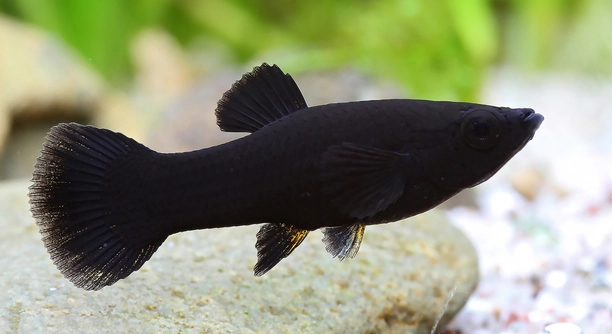
Is your black molly swimming differently, with its tail tucked in more than usual? Observing this behavior can be worrying for any fish owner, especially when it signals potential discomfort or stress in your aquatic pet.
A black molly tucks its tail primarily due to stress, poor water quality, disease, or injury. Identifying the underlying cause requires careful observation of behavior, tank conditions, and interactions with other fish to ensure proper care and recovery.
Understanding why your molly shows this sign is crucial for its well-being. These insights will help maintain a healthy and comfortable environment for your fish.
Common Causes of a Tucked Tail in Black Mollies
A black molly’s tail may tuck for several reasons, often related to stress or discomfort. Poor water conditions are one of the leading causes, including high ammonia, nitrite, or nitrate levels. Temperature fluctuations can also make your fish uneasy, affecting its normal swimming behavior. Disease or parasites are other possibilities; infections may cause your molly to curl its tail or display lethargy. Aggression from tank mates can result in a tucked tail as well. If a molly is bullied or stressed by other fish, it may hide or adopt defensive positions. Injury from sharp decorations, rough handling, or accidental contact with tank objects can also lead to a tucked tail. Observing your fish’s swimming patterns, appetite, and interactions is key to identifying the cause. Prompt attention to these factors can prevent further health complications. Ensuring proper care and tank conditions often helps your molly return to normal behavior quickly.
Water quality issues are the most frequent reason for this behavior. Monitoring the tank regularly helps prevent stress and illness.
Keeping a consistent water temperature and testing for ammonia, nitrites, and nitrates is essential. Quarantining new fish can reduce disease risks. Removing aggressive tank mates or sharp decorations will minimize injury. Feeding a balanced diet supports overall health, helping mollies recover faster. Observing behavior changes, such as hiding or lethargy, provides clues for intervention. Treatment may involve water changes, medication, or adjusting the tank environment. Maintaining a calm, clean habitat ensures your black molly feels safe and healthy.
How to Encourage Tail Recovery
Gradually improving tank conditions can encourage your molly to relax. Small adjustments to water quality and temperature make a big difference.
Providing a peaceful environment helps reduce stress. Observing your fish closely ensures any problems are addressed promptly.
Addressing the underlying issues that cause a tucked tail involves a combination of care strategies. Regular water testing and partial changes keep ammonia, nitrites, and nitrates at safe levels. Maintaining a stable temperature within the recommended range for black mollies prevents unnecessary stress. Remove aggressive or overly active tank mates and any sharp or rough decorations that could cause injury. Quarantining new additions ensures diseases are not introduced. Feeding high-quality, varied food supports the immune system and promotes recovery. Watching for behavior changes allows early intervention. Sometimes, minor injuries heal on their own once the fish is no longer stressed. Consistency in these practices helps your molly regain normal swimming patterns and a fully extended tail, contributing to its overall health and comfort.
Identifying Stress in Black Mollies
Stress in black mollies often shows through a tucked tail, hiding, or reduced activity. Sudden changes in water conditions, overcrowding, or aggressive tank mates can all trigger stress responses in your fish, impacting their behavior and overall health.
Observing your black molly carefully can help determine stress levels. Watch for signs such as erratic swimming, loss of appetite, or frequent hiding. Consistent monitoring of water parameters like temperature, pH, ammonia, nitrites, and nitrates is essential. Stress can be minimized by providing hiding spots, maintaining a proper fish-to-tank ratio, and keeping the environment stable. Even small improvements in tank care can have a noticeable impact on your molly’s comfort and behavior.
Reducing stress involves controlling environmental and social factors. Introduce new fish gradually, avoid sudden water changes, and provide consistent feeding schedules. Regular maintenance, including gentle water changes and checking filters, supports a calm environment. Adjust decorations to allow hiding without crowding, and observe interactions among fish to prevent bullying. Stress management enhances immune response, helping mollies recover from minor illnesses. Over time, attentive care can restore normal swimming patterns, including a fully extended tail.
Common Health Issues Leading to Tail Tucking
Tail tucking can indicate illness in black mollies, including fin rot, infections, or parasites. Early detection is key to successful treatment and recovery.
Health problems often develop from poor water quality or inadequate nutrition. Fin rot causes the tail to curl or deteriorate, while parasitic infections may make the fish lethargic and hide frequently. Treating these conditions promptly with appropriate medication or water adjustments is crucial. Maintaining proper tank hygiene, balanced feeding, and regular observation reduces the risk of illness. Stress exacerbates these issues, so a calm, stable environment supports recovery.
Prevention is always better than treatment. Keep water clean, provide high-quality food, and quarantine new fish. Observe daily behavior and tail condition, addressing any changes quickly. Adjust tank setup to prevent injuries, and monitor for signs of disease. Early intervention limits the spread of infection and helps mollies maintain normal activity. Regular care routines, including water testing and scheduled maintenance, protect your fish from recurring health problems. Ensuring a healthy environment encourages tail recovery and supports long-term vitality.
Water Quality and Its Impact
Poor water quality directly affects a black molly’s health. High ammonia, nitrites, or nitrates can stress fish, causing behaviors like tail tucking. Regular testing and partial water changes are essential to maintain a safe environment.
Stable temperature and clean water prevent illness and support normal swimming patterns. Sudden fluctuations or dirty tanks can worsen stress, making it harder for your molly to recover. Maintaining consistent care ensures a healthier, more comfortable environment.
Diet and Nutrition
A balanced diet strengthens your molly’s immune system and supports overall health. Feed high-quality flake or pellet food supplemented with vegetables or live foods. Proper nutrition reduces stress, helping the fish regain normal behavior, including a fully extended tail.
Tank Size and Space
Overcrowding can trigger tail tucking and stress. Providing adequate space and proper fish-to-tank ratio allows your molly to swim freely and feel secure.
Interaction with Tank Mates
Aggressive or overly active tank mates may cause your molly to hide or tuck its tail. Observing behavior and separating fish if necessary prevents ongoing stress and injury.
FAQ
Why is my black molly’s tail tucked in all the time?
A constantly tucked tail usually indicates stress, poor water quality, or illness. Consistent observation of your molly’s behavior, water parameters, and interactions with tank mates can help identify the cause. Addressing environmental and health factors often restores normal swimming patterns.
Can a tucked tail mean my molly is sick?
Yes. Illnesses such as fin rot, bacterial infections, or parasites can cause your molly to tuck its tail. Early detection is key. Look for additional signs like lethargy, discoloration, clamped fins, or loss of appetite, and treat promptly with appropriate medication or water adjustments.
Does water quality affect tail tucking?
Absolutely. High ammonia, nitrites, or nitrates, as well as sudden temperature changes, create stress that can lead to a tucked tail. Regular water testing, partial water changes, and maintaining a stable temperature are essential to prevent these issues and promote recovery.
Can tank mates cause tail tucking?
Yes, aggressive or overly active fish may stress your molly. Tucked tails, hiding, or reduced activity are common responses. Observe interactions carefully, separate fish if necessary, and provide hiding spots to help your molly feel secure.
How does diet influence tail tucking?
Poor nutrition weakens a molly’s immune system and increases stress, which can cause tail tucking. Feeding a balanced diet of high-quality flakes or pellets supplemented with vegetables and occasional live foods supports overall health and encourages normal swimming behavior.
Will a tucked tail heal on its own?
Sometimes minor stress or environmental issues cause temporary tail tucking. Correcting water conditions, reducing stress, and providing proper nutrition may allow the tail to recover naturally. Persistent tucking, however, indicates a deeper health or behavioral problem requiring intervention.
Should I isolate my molly if the tail stays tucked?
Isolation can help if tank mates are aggressive or if the fish is showing signs of illness. Quarantine reduces stress and limits the spread of potential disease while giving your molly a safe space to recover.
How long does it take for a molly’s tail to return to normal?
Recovery time varies depending on the cause. Stress-related tucking may resolve within days if the environment is improved. Illness or injury may take weeks with proper treatment and care. Consistency in water quality, diet, and tank management speeds recovery.
Are there preventive measures to avoid tail tucking?
Yes. Maintain clean, stable water conditions, provide a balanced diet, avoid overcrowding, and monitor fish interactions. Regular observation and timely intervention help prevent stress and health problems, keeping your molly active and comfortable.
Is tail tucking common in young mollies?
Young or newly introduced mollies may tuck their tails as they adjust to a new environment. This behavior usually decreases once they acclimate, provided the tank is well-maintained and they are not stressed by other fish.
Can temperature fluctuations cause tail tucking?
Yes, sudden changes in water temperature can stress mollies and lead to a tucked tail. Keeping the water within a stable range appropriate for black mollies ensures comfort and supports normal behavior.
When should I consult a veterinarian?
If your molly’s tail remains tucked despite stable water conditions, proper diet, and reduced stress, or if other symptoms like fin damage, lethargy, or unusual behavior appear, consulting a fish health specialist is recommended. Prompt attention improves recovery chances.
How important are hiding spots for a molly?
Hiding spots help mollies feel secure, reducing stress and the tendency to tuck their tail. Plants, decorations, and caves allow them to retreat when needed, supporting both physical and mental well-being.
Can tail tucking affect overall health?
Yes, prolonged stress or illness indicated by a tucked tail can weaken the immune system, reduce appetite, and slow growth. Addressing the underlying cause is crucial for the fish’s long-term health and comfort.
Does overcrowding make tail tucking worse?
Overcrowding increases stress and can cause tail tucking, aggression, and illness. Ensuring a proper fish-to-tank ratio allows adequate swimming space and reduces conflicts, helping mollies remain healthy and active.
Is it normal for a black molly to tuck its tail occasionally?
Occasional tail tucking can be a normal response to minor disturbances or temporary stress. Persistent or frequent tucking is a sign to check water quality, tank mates, diet, and overall health.
Can I improve recovery with water treatments?
Yes, certain water conditioners and medications can treat infections or parasites causing tail tucking. Always follow instructions carefully, monitor water parameters, and combine treatment with good tank maintenance for the best results.
What role does stress play in tail tucking?
Stress is one of the main reasons for tail tucking. Environmental changes, aggressive fish, poor diet, or illness can all trigger stress. Minimizing these factors supports a healthy, confident, and active molly.
How can I tell if tail tucking is serious?
Persistent tail tucking accompanied by other symptoms like lethargy, clamped fins, discoloration, or loss of appetite indicates a serious problem. Immediate action, including water testing, isolation, and treatment, is necessary to prevent worsening health.
Can minor injuries cause tail tucking?
Yes. Contact with sharp objects or rough decorations may injure the tail, causing curling or tucking. Removing hazards and providing a safe environment helps the tail heal while preventing further stress or injury.
Are there environmental changes that trigger tail tucking?
Sudden light changes, temperature shifts, or moving decorations can stress mollies, causing them to tuck their tails. Gradual adjustments and maintaining a consistent environment reduce stress and encourage normal behavior.
Does a tucked tail affect swimming?
A tucked tail may make swimming less efficient, causing your molly to move slowly or awkwardly. Correcting stress factors, water quality, and nutrition helps restore proper swimming motion.
Can a tucked tail indicate aging?
While tail tucking is more commonly linked to stress or health issues, older mollies may occasionally tuck their tails due to reduced strength or slower reflexes. Observation and care remain important for comfort.
How often should I check for tail tucking?
Daily observation is ideal. Monitoring behavior and tail position allows early detection of stress, illness, or injury, enabling quick corrective actions to maintain your molly’s health.
What should I do if multiple fish show tucked tails?
If several fish display tucked tails, water quality or environmental issues are likely. Test and adjust water parameters, check for disease, and ensure adequate space. Addressing these factors promptly prevents widespread stress or illness.
Can changing tank decorations reduce tail tucking?
Yes, rearranging or removing sharp or crowded decorations can prevent injuries and give mollies space to swim comfortably. A safe and open environment supports normal behavior and reduces stress.
Is tail tucking reversible?
In most cases, yes. Once the underlying cause—stress, poor water quality, injury, or illness—is addressed, mollies can regain normal tail position. Consistent care ensures recovery and long-term well-being.
Does isolation help with recovery?
Temporary isolation may reduce stress from aggressive tank mates or allow recovery from illness. Quarantine tanks provide a safe space, limiting stress while healing occurs.
How long should I monitor my molly after treatment?
Continue daily observation for at least two weeks after resolving stress or illness. Ensure normal swimming, appetite, and tail position before resuming regular tank routines.
Can seasonal changes affect tail tucking?
Yes. Temperature fluctuations or changes in lighting during seasonal shifts can stress mollies. Adjusting heater settings and monitoring water conditions helps maintain comfort.
Are some mollies more prone to tail tucking?
Individual temperament, age, and health history can influence susceptibility. Sensitive or young mollies may tuck their tails more frequently under minor stress.
What is the most effective way to prevent tail tucking?
Maintaining stable water quality, providing a balanced diet, avoiding overcrowding, and ensuring a calm environment are key. Early detection and timely care ensure your molly remains healthy and active.
How do I know if my molly is fully recovered?
A fully recovered molly will swim actively, explore the tank, interact normally with tank mates, and keep its tail extended. Consistent observation confirms ongoing health and comfort.
Can tail tucking lead to other complications?
Prolonged stress or untreated illness may weaken the immune system, reduce appetite, or lead to secondary infections. Addressing causes early prevents additional health issues.
Is tail tucking ever normal behavior?
Occasional tail tucking due to minor disturbances is normal. Persistent or frequent tucking indicates environmental, health, or social issues that require attention.
Do all black mollies respond the same way to stress?
Responses vary by individual. Some mollies may hide, others tuck their tails, or reduce activity. Observing behavior patterns helps identify the specific stressors affecting your fish.
Can water filtration affect tail tucking?
Poor or inadequate filtration can lead to ammonia and nitrite buildup, stressing mollies and causing tail tucking. Maintaining efficient filtration supports clean water and reduces stress.
Is it okay to leave a molly with a tucked tail alone?
Minor, temporary tail tucking due to slight stress may resolve on its own. Persistent tucking, however, requires intervention to prevent worsening health or injury.
Are there specific medications for tail tucking?
Medications target underlying issues like bacterial or parasitic infections. Correct diagnosis is essential, and treatment should be combined with improved water quality and stress reduction for effectiveness.
How often should I test water to prevent tail tucking?
Weekly testing for ammonia, nitrites, nitrates, and pH is recommended. More frequent checks may be needed after introducing new fish, performing water changes, or noticing unusual behavior.
Does lighting affect tail tucking?
Sudden changes in lighting or excessively bright conditions can stress mollies. Gradual light transitions and consistent lighting schedules help maintain comfort and normal behavior.
Can tail tucking affect breeding behavior?
Yes. Stressed mollies may avoid mating or reduce activity, impacting breeding. Ensuring a calm, clean, and safe environment supports reproductive behavior and tail recovery.
Is monitoring tail position a good indicator of overall health?
Yes. Tail position, along with swimming behavior, appetite, and interactions, provides a clear indicator of your molly’s health and comfort. Regular observation helps catch problems early.
What immediate actions should I take if my molly tucks its tail?
Check water quality, observe for signs of illness, remove aggressive tank mates, and ensure hiding spots are available. Early intervention prevents stress or injury from worsening.
How long does it take to see improvement after adjusting the tank environment?
Improvement can be visible within a few days if stress is the cause. Recovery from illness or injury may take longer, depending on severity and treatment.
Does tail tucking indicate pain?
While it may not always indicate pain, a tucked tail often signals discomfort, stress, or injury. Addressing underlying issues helps alleviate the problem and restore normal behavior.
Can tail tucking reoccur after recovery?
Yes. Reoccurrence may happen if water quality, diet, or social conditions decline. Maintaining a stable environment helps prevent repeated episodes.
Are some black molly strains more sensitive?
Certain strains may be more prone to stress or illness, making tail tucking more frequent. Knowing your fish’s temperament helps tailor care and prevent problems.
What environmental factors most influence tail tucking?
Water quality, temperature, tank mates, hiding spots, lighting, and tank size are key factors. Addressing these consistently reduces stress and encourages normal tail posture.
How important is observation in preventing tail tucking?
Daily observation is critical. Monitoring tail position, swimming behavior, and appetite allows early detection of stress, injury, or illness, ensuring prompt intervention.
Can tail tucking affect growth?
Prolonged stress or illness may slow growth due to reduced appetite and weakened immunity. Addressing the cause promotes healthy development.
Is tail tucking a common issue in new tanks?
Yes. Newly established tanks can have fluctuating water parameters or unfamiliar fish interactions, causing temporary tail tucking. Proper acclimation and monitoring reduce risks.
What role does consistency play in preventing tail tucking?
Consistent water maintenance, feeding, and environment stability help mollies feel secure, reducing stress-related tail tucking and supporting overall health.
Are there behavioral signs that accompany tail tucking?
Lethargy, hiding, clamped fins, reduced appetite, and erratic swimming often accompany a tucked tail. Noticing these signs early helps identify the cause.
Does adding plants help with tail tucking?
Plants provide hiding spots and reduce stress, helping mollies feel safe. Natural cover encourages normal behavior, including proper tail positioning.
Can temperature shock cause tail tucking immediately?
Yes. Sudden changes in water temperature can trigger instant stress responses like tail tucking. Gradual adjustments prevent shock and maintain comfort.
Is tail tucking more common in community tanks?
Community tanks with aggressive or active fish increase stress, leading to more frequent tail tucking. Careful selection of compatible species reduces the risk.
Do black mollies show tail tucking in outdoor ponds?
Yes. Environmental stressors like predators, temperature shifts, or water quality changes can cause tail tucking, similar to indoor aquariums. Proper care mitigates these effects.
How do I track improvement over time?
Document tail position, behavior, and feeding daily. Monitoring trends helps determine if interventions are effective and ensures the fish is recovering properly.
Can tail tucking signal early warning before illness becomes severe?
Yes. Early tail tucking often precedes more serious symptoms. Prompt action prevents worsening health and supports faster recovery.
Are there signs that indicate tail tucking is due to injury rather than stress?
Visible damage, frayed fins, or sudden behavior changes often point to injury. Ensuring a safe environment and monitoring recovery helps address the issue.
What combination of factors usually leads to tail tucking?
Stress, poor water quality, aggression from tank mates, injury, and illness often combine. Addressing multiple factors together produces the best results.
Can tail tucking indicate long-term health problems?
Persistent tail tucking may reflect ongoing stress, chronic disease, or environmental issues. Regular maintenance and observation reduce the risk of long-term complications.
Does a tucked tail affect feeding behavior?
Yes. Stressed or sick mollies may eat less or hide during feeding. Monitoring appetite and adjusting care supports recovery and tail extension.
Can improving diet alone fix tail tucking?
Diet improvement helps but is usually not enough alone. Water quality, stress reduction, and health monitoring are equally important for full recovery.
Is tail tucking reversible in older mollies?
Yes, if caused by stress, mild illness, or environmental factors. Chronic disease or severe injury may limit full recovery, but proper care still improves quality of life.
Does tank lighting schedule influence tail tucking?
Consistent lighting prevents stress. Sudden changes or overly bright light may cause temporary tail tucking, while gradual transitions support comfort.
Can tail tucking occur without visible illness?
Yes. Stress, social tension, or minor environmental disturbances can trigger tail tucking even when no illness is present.
How does tank maintenance impact tail tucking?
Regular water changes, filter cleaning, and parameter monitoring prevent conditions that cause stress or disease, reducing instances of tail tucking.
Are certain foods better for preventing tail tucking?
High-quality flakes, pellets, and supplemental vegetables or live foods support immune health, reduce stress, and help maintain normal tail posture.
What’s the quickest way to reduce tail tucking caused by stress?
Stabilize water parameters, remove aggressive fish, provide hiding spots, and maintain a consistent environment. These steps often reduce tail tucking within days.
Does overcrowding always cause tail tucking?
Not always, but it significantly increases stress. Adequate space and proper stocking reduce aggression, promote swimming freedom, and prevent tail tucking.
How does molly temperament affect tail tucking?
Individual temperament influences reactions to stress or tank conditions. Sensitive mollies may tuck their tails more frequently than others under similar conditions.
Can water hardness or pH contribute to tail tucking?
Yes. Extreme pH or hard water levels can stress mollies. Maintaining recommended ranges for black mollies ensures comfort and proper tail position.
How do I know if tank size is sufficient?
A properly sized tank provides space for all fish to swim freely, reduces aggression, and minimizes stress-related behaviors like tail tucking.
Can tail tucking be a sign of early fin rot?
Yes. Clamped fins, curling tails, and fraying may indicate fin rot. Early treatment with medication and water care prevents further deterioration.
Do seasonal temperature changes require tank adjustments to prevent tail tucking?
Yes. Adjusting heaters and monitoring water parameters during seasonal shifts reduces stress and supports tail recovery.
Can tank decorations be modified to help tail tucking?
Removing sharp or crowded objects creates a safer swimming area, reducing injuries and promoting relaxation for mollies.
Is tail tucking a sign of poor social interaction?
Aggression, bullying, or lack of hiding spots can cause mollies to tuck their tails. Observing interactions and adjusting tank conditions prevents ongoing stress.
How frequently should I monitor tail position in a stressed fish?
Daily observation is ideal. Tracking changes helps identify improvement or worsening conditions and informs timely intervention.
Can a tucked tail affect breathing?
Stress from tail tucking may coincide with rapid gill movement or surface gasping. Improving water quality and reducing stress supports proper respiration.
Are tail tucking behaviors permanent if ignored?
Persistent tail tucking may lead to chronic stress, illness, or injury. Ignoring the issue can cause long-term health problems.
How important is water flow for preventing tail tucking?
Moderate, consistent flow reduces stress while preventing stagnation. Too strong a current may stress mollies, while stagnant water impacts health and tail behavior.
Does tank population density influence tail tucking?
Higher density increases stress, aggression, and competition, leading to more frequent tail tucking. Proper stocking ratios support comfort and normal behavior.
Are there behavioral therapies to reduce tail tucking?
Providing hiding spots, calm tank mates, and stable environmental conditions acts as behavioral support, reducing stress-induced tail tucking.
Is tail tucking linked to reproductive cycles?
Stress from mating or aggression during breeding may temporarily cause tail tucking, but it typically resolves once the environment stabilizes.
Can tail tucking indicate underlying systemic illness?
Yes. Persistent tail tucking alongside lethargy, appetite loss, or color changes may point to bacterial, parasitic, or internal health issues requiring treatment
Final Thoughts
Observing your black molly’s tail tucked in can be unsettling, but it is often a clear signal that something in its environment or health needs attention. Fish cannot communicate discomfort the way mammals do, so their body language becomes the primary way they express stress, injury, or illness. A tucked tail is one of the most noticeable signs that your molly is feeling unwell or insecure. It may be caused by a variety of factors, including water quality, tank mates, diet, or physical injury. Paying attention to these indicators is essential to maintaining a healthy and comfortable environment. Taking prompt action when you notice unusual behavior can prevent minor problems from escalating into serious health issues. Consistent monitoring of water parameters like ammonia, nitrites, nitrates, and temperature is crucial. Regular partial water changes and maintaining proper filtration help prevent stress caused by poor water quality.
Stress is another major factor that can lead to a tucked tail. Mollies are sensitive creatures that rely on stable and calm environments to thrive. Aggressive tank mates, overcrowding, or even sudden changes in lighting or temperature can trigger stress responses. Providing hiding spots, plants, and decorations that allow your fish to retreat when needed helps them feel safe and secure. Stress reduction, combined with proper diet and water maintenance, supports their immune system and overall health. Diet plays a role in reducing stress and preventing health problems. Feeding a varied and balanced diet of high-quality flakes, pellets, and occasional live or vegetable foods helps mollies stay strong and resilient. Malnutrition or inconsistent feeding can weaken their immune response, making them more vulnerable to infections that may also result in a tucked tail.
In some cases, a tucked tail may indicate illness or injury. Early detection is key to recovery. Conditions like fin rot, bacterial infections, or parasites can all contribute to this behavior. Observing your molly daily for additional symptoms such as lethargy, color changes, or appetite loss can help you identify problems early. Treating infections promptly and providing a clean, stable environment improves the chances of full recovery. Even minor injuries caused by tank decorations or aggressive fish may require adjustments in the habitat to allow the tail to heal properly. Consistency in care, patience, and observation are essential. Over time, addressing the root causes of a tucked tail ensures your black molly returns to normal behavior, swims comfortably, and enjoys a healthier, more secure life.

Hello,
If you enjoy the content that we create, please consider saying a "Thank You!" by leaving a tip.
Every little bit helps us continue crafting quality advice that supports the health, happiness, and well-being of pets around the world, for pets of all shapes, sizes, and species.
We really appreciate the kindness and support that you show us!