
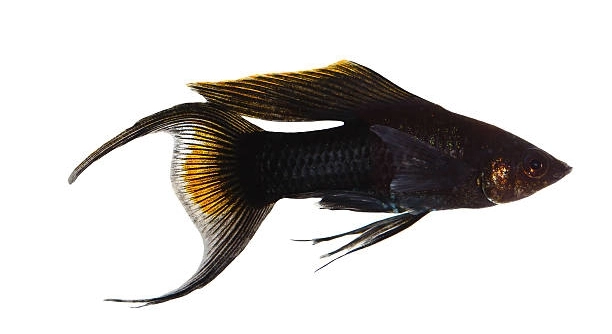
Black mollies are fascinating freshwater fish that display subtle changes as they grow. Observing their development can be rewarding, especially when noticing shifts in their coloration over time. Tracking these changes helps understand their overall health.
Black mollies undergo distinct color transformations as they mature, influenced by genetics, diet, and environmental factors. Monitoring seven key color changes provides insights into their growth stages, physiological condition, and potential breeding readiness, ensuring proper care throughout their life cycle.
Paying attention to these color shifts allows you to support your mollies’ well-being and better appreciate the nuances of their growth.
Juvenile Black Coloring
When black mollies are young, their bodies are usually a uniform dark gray or black. This base color helps them blend into their environment, offering some protection from predators. Over the first few weeks, subtle patterns may begin to appear along their fins or sides. These changes are gradual and can vary between individuals. Some juveniles may show hints of metallic sheen or lighter scales, which often become more pronounced as they mature. Proper nutrition and stable water conditions play a key role in how their initial coloration develops. Stress or poor water quality can cause fading or irregular patterns, making it harder to predict their adult appearance. Observing these early stages helps aquarists anticipate how the fish will look in later months and adjust care routines accordingly to support healthy pigment development.
Juvenile black mollies’ early color sets the stage for future growth, making careful observation essential.
Initial color development indicates the fish’s health and genetic potential. Monitoring these early stages allows for better long-term care and growth planning.
Metallic Sheen Development
As black mollies grow, many develop a metallic sheen on their scales. This shiny layer can appear silver, gold, or even bluish under proper lighting. The metallic effect becomes more noticeable as the fish matures and scales thicken. Diet plays a crucial role; providing high-quality foods rich in carotenoids and proteins enhances their natural sheen. Water quality is also important, as clean, well-oxygenated water allows the scales to reflect light properly. Stress can dull the shine, so maintaining a stable environment is necessary. Breeding lines differ, and some strains are genetically predisposed to stronger metallic reflections. Regular observation can help determine whether changes are natural or signs of environmental stress. By tracking this development, owners can better understand the growth stage of their mollies and make informed adjustments to their care.
Metallic sheen is often a sign of healthy maturation and overall well-being.
The sheen not only improves aesthetic appeal but also reflects underlying health. Regular monitoring ensures mollies maintain vibrant coloration and thrive under optimal conditions.
Fin Edge Lightening
Young black mollies often show lighter edges along their fins. This subtle contrast can be a sign of healthy growth and scale development. The effect is usually more noticeable in males as they approach maturity.
Lighter fin edges develop gradually and can indicate the strengthening of pigmentation in the surrounding scales. In some cases, the tips of the dorsal and caudal fins appear almost translucent before darkening later. Diets rich in vitamins and proteins support proper fin pigmentation, while poor water quality or stress may dull these edges. Tracking these changes helps identify growth patterns and signals when adjustments in care might be needed. Noticing the shift in fin edges can also help differentiate between males and females, as males often show more pronounced contrast along their fins.
Changes in fin edges are influenced by environment, diet, and genetics. Observing these shifts provides insight into both health and sexual maturity in black mollies.
Belly Color Variation
As black mollies grow, the belly often lightens to shades of gray or silver. This change is more visible in females due to their larger abdominal area. Lighter belly coloration can indicate proper digestion and overall health, as it reflects good nutrient absorption.
Belly color variation is influenced by diet, water quality, and genetics. Mollies with a balanced diet rich in protein and carotenoids tend to show a more uniform lightening, while those with inconsistent feeding may display uneven tones. Observing the belly color can also signal pregnancy in females, as the abdominal area expands and darkens slightly with developing fry. Stress or illness may cause discoloration, making it important to monitor changes over time. This shift is gradual and often coincides with other color changes, such as fin edge darkening or metallic sheen development. Tracking these patterns gives insight into growth stages and overall fish condition.
Monitoring belly color helps detect health issues early and confirms normal growth patterns. It provides a visual cue for adjusting feeding and care routines.
Dorsal Fin Darkening
As black mollies mature, the dorsal fin often darkens, contrasting with lighter fin edges. This change is gradual and can indicate overall pigment development.
Darker dorsal fins are more common in males, especially as they near sexual maturity. Proper diet and stable water conditions support this pigmentation change.
Side Stripe Formation
Many black mollies develop a subtle lateral stripe along their body. This stripe may appear silver, gray, or faint black, depending on genetics. It usually becomes more visible under bright lighting and can help identify individual fish. Tracking stripe development helps monitor growth stages and overall health.
Tail Tip Darkening
Tail tips often darken before the rest of the fins. This is a normal growth pattern influenced by genetics and environment.
FAQ
Why is my black molly’s color fading?
Fading color in black mollies is usually linked to stress, poor water quality, or diet deficiencies. High nitrate or ammonia levels can dull their pigmentation. Ensuring stable temperature, clean water, and a balanced diet rich in protein and carotenoids often restores their natural black and metallic tones.
Can genetics affect color changes?
Yes, genetics play a major role in the colors your mollies develop. Some strains naturally have stronger metallic sheens or darker pigmentation, while others may remain lighter or show more subtle variations. Observing family lines can help predict expected color patterns in young fish.
How quickly do black mollies change color?
Color changes occur gradually over weeks to months. Juveniles may show slight metallic hints within a few weeks, while adult patterns like fin edge contrast, belly lightening, and lateral stripes can take several months to fully develop. Monitoring their growth closely helps track these stages.
Does diet impact coloration?
Absolutely. Diet directly affects pigmentation. Foods rich in carotenoids, vitamins, and proteins help enhance metallic sheen and maintain dark coloration. Live or frozen foods like brine shrimp, daphnia, and high-quality flakes promote vibrant scales and overall health.
Is water quality important for color development?
Yes, water quality is critical. Mollies kept in clean, well-filtered tanks with stable pH and temperature show stronger pigmentation. Poor water conditions can cause stress, fading, or irregular color patterns. Regular water changes and testing ensure optimal growth and vibrant coloration.
Do males and females show color differently?
Yes, males often display more pronounced metallic sheen and darker fins. Females tend to have lighter bellies and subtler lateral stripes. Sexual dimorphism becomes more obvious as they reach maturity, making it easier to differentiate genders by observing color patterns and fin development.
What signs indicate stress affecting color?
Stress may appear as pale scales, faded fins, clamped fins, or erratic swimming. Causes include overcrowding, sudden temperature shifts, aggressive tankmates, or poor water quality. Correcting these factors often restores normal coloration and behavior within a few days to weeks.
Can pregnancy change female coloration?
Yes, pregnant females may show a slight darkening of the abdominal area. Their belly may lighten overall, but developing fry can create a noticeable contrast. These changes are temporary and usually return to normal after giving birth.
How can I enhance metallic sheen naturally?
Providing a varied diet, maintaining clean water, and ensuring adequate lighting enhances metallic sheen. Avoiding sudden stressors also allows natural pigment to develop fully. Over time, these factors combine to make scales appear shiny and healthy.
Are all color changes permanent?
Not all changes are permanent. Some, like metallic sheen and fin edge contrast, may develop fully over time, while stress-induced fading or temporary pale areas can reverse once conditions improve. Consistent care is key to maintaining vibrant coloration.
Should I track all color changes?
Tracking color changes is helpful for monitoring health, growth, and breeding readiness. Noticing shifts early allows timely adjustments to diet, environment, or water conditions, ensuring your black mollies stay healthy and visually striking throughout their life cycle.
Can lighting affect how colors appear?
Yes, lighting significantly influences perceived color. Bright, full-spectrum light enhances metallic sheens and lateral stripes, while dim lighting may make them appear muted. Adjusting light intensity and duration helps highlight natural colors without stressing the fish.
Do tankmates influence coloration?
Aggressive or overly dominant tankmates can stress black mollies, leading to dull or faded colors. Peaceful community tanks allow mollies to display their natural pigmentation fully. Observing interactions helps ensure a stress-free environment.
How often should I monitor color changes?
Regular observation, ideally daily or several times a week, is important. Keeping a simple log or taking photos helps track gradual changes, detect health issues early, and understand growth patterns across different stages of life.
Can water temperature impact coloration?
Yes, temperature influences metabolism and pigment development. Black mollies thrive in 75–82°F. Sudden drops or extremes may cause temporary fading. Stable temperatures encourage consistent color growth and proper scale development over time.
Are color changes indicators of age?
Partially. Juvenile mollies often have uniform dark coloring that gradually shifts to include metallic sheens, lateral stripes, and fin contrast. Observing these patterns helps estimate age and maturity, but environmental factors also affect the rate and intensity of changes.
Do stress or illness permanently affect color?
Long-term stress or illness can cause persistent fading or irregular pigmentation. Early detection and intervention often restore normal coloration, but prolonged poor conditions may result in lasting color alterations.
Is supplemental feeding necessary for color?
Yes, occasional supplemental feeding with live or frozen foods boosts pigmentation. While a quality flake diet supports basic health, adding carotenoid-rich foods enhances metallic sheen, fin contrast, and overall vibrancy, supporting natural development.
Can tank size influence coloration?
Overcrowded tanks can stress fish, causing dull colors. Providing adequate space allows natural behavior, reduces aggression, and encourages full expression of pigmentation, ensuring black mollies maintain vibrant and healthy coloration throughout growth.
How do I know if color changes are normal or a problem?
Normal changes occur gradually and match growth stages, such as fin darkening, metallic sheen development, and belly lightening. Sudden, patchy, or uneven fading, combined with behavioral changes, often indicates stress, poor water quality, or illness, requiring immediate attention.
Are there seasonal effects on coloration?
Seasonal changes in temperature, light, or feeding patterns can subtly influence color expression. Maintaining consistent conditions indoors helps mollies display stable pigmentation year-round without sudden fading or dulling.
Can color indicate breeding readiness?
Yes, males with darker fins, pronounced metallic sheen, and strong lateral stripes are often ready to breed. Females with slightly rounded abdomens and lighter belly coloration indicate sexual maturity and potential pregnancy. Observing these cues helps plan breeding efforts responsibly.
Is it normal for some fish to change faster than others?
Yes, individual growth rates, genetics, and environmental factors cause variation in how quickly black mollies develop color. Patience is important, as differences are natural and do not necessarily indicate health issues.
How can I maintain vibrant colors long-term?
Maintain clean, stable water, provide a balanced diet, manage stress, and offer adequate lighting. Monitoring growth and health consistently ensures black mollies retain their natural vibrancy and continue displaying characteristic color changes throughout life.
Black mollies are remarkable fish that offer more than just aesthetic appeal in a freshwater aquarium. Their subtle color changes reflect both their growth and overall well-being, making them an interesting species to observe over time. From juvenile gray tones to the development of metallic sheen, fin edge contrast, and belly lightening, each stage provides clues about their health and maturity. Understanding these changes allows aquarists to provide better care and ensure that the fish thrive in a stable environment. Paying attention to water quality, diet, and stress levels is essential because these factors directly influence how vibrant and healthy their colors appear. Regular observation of these shifts is not only visually rewarding but also a practical way to monitor their condition, ensuring any potential issues are addressed promptly.
The growth of black mollies is closely tied to environmental and genetic factors. Genetics determine the potential for metallic sheen, fin contrast, and lateral stripes, while the environment shapes how these traits develop. Clean, well-filtered water with stable temperatures, balanced pH, and proper lighting encourages natural pigmentation. Providing a nutrient-rich diet with proteins and carotenoids enhances color development and overall health. Stress from overcrowding, aggressive tankmates, or poor conditions can result in faded colors or uneven pigmentation, so maintaining a peaceful and stable tank environment is critical. Observing changes such as dorsal fin darkening, belly lightening, or lateral stripe formation can provide insights into sexual maturity and growth stage, allowing for better planning and care. By combining careful observation with proper care practices, owners can support mollies’ natural development and enjoy their full range of colors as they mature.
Tracking color changes in black mollies is a practical approach to understanding their growth and health over time. Gradual changes, like metallic sheen enhancement, fin tip darkening, or subtle belly variations, reflect normal development, while sudden or uneven fading often indicates stress or poor conditions. Recording these shifts through notes or photos helps monitor growth patterns and detect potential issues early. Paying attention to both males and females allows owners to recognize differences in color expression, sexual maturity, and readiness for breeding. Maintaining optimal water quality, diet, and lighting, while avoiding stressors, ensures that mollies display their full natural coloration consistently. Observing these changes can be rewarding, as it provides a deeper understanding of the fish’s needs and behavior. In the long term, careful attention to color development contributes to healthier, more vibrant mollies that thrive in their environment, creating a balanced and visually appealing aquarium.

Hello,
If you enjoy the content that we create, please consider saying a "Thank You!" by leaving a tip.
Every little bit helps us continue crafting quality advice that supports the health, happiness, and well-being of pets around the world, for pets of all shapes, sizes, and species.
We really appreciate the kindness and support that you show us!