
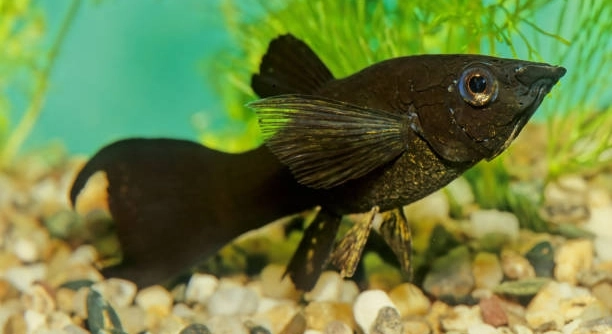
Do you ever notice your black molly acting nervous when you perform water changes? These small, lively fish can be sensitive to changes in their environment, making routine maintenance a bit more challenging for fishkeepers.
Handling black molly during water changes requires careful attention to water parameters and stress reduction. Gradual water replacement, temperature matching, and avoiding sudden disturbances minimize stress and maintain the fish’s health, ensuring their well-being during routine tank maintenance.
Learning proper techniques can make water changes less stressful for both you and your fish, creating a calmer and healthier aquarium environment overall.
Prepare the Tank in Advance
Before starting a water change, I always make sure the tank is ready. This means having clean water that matches the temperature and pH of the tank. Sudden differences can shock black mollies, so testing with a thermometer and water kit is helpful. I also remove any decorations or plants that might make it harder to reach all areas. Preparing buckets and siphons beforehand saves time and prevents me from rushing, which can stress the fish. Even simple tasks, like checking filters or cleaning algae, are easier when the tank is prepped. Consistency is key. Doing things the same way each time helps the fish stay calm. I also make sure the replacement water has been treated to remove chlorine or chloramine. This small step protects the molly from harm. Taking 10–15 extra minutes upfront keeps the tank safe and makes water changes smoother for both the fish and me.
Keeping everything ready before the change reduces stress for the black molly and ensures a safe process.
By preparing water ahead of time and checking temperature, I avoid sudden changes that could frighten the fish. Simple steps like using treated water, removing obstacles, and organizing supplies create a calmer environment. Repeating the same process each time helps the black molly adjust, making water changes less stressful. Even small precautions, like gentle handling and slow flow during siphoning, contribute to the fish’s comfort. Over time, this routine encourages the mollies to be more relaxed during maintenance. It’s not just about avoiding mistakes but about creating a predictable, safe environment where the fish feel secure. Consistent preparation allows me to focus on cleaning and maintenance without worrying about harming the tank’s delicate balance. This method also reduces mistakes, such as adding water too quickly or overlooking temperature differences, which can harm the fish. In short, careful preparation makes each water change efficient and less stressful for everyone involved.
Gradual Water Replacement
I usually replace only a portion of the water at a time, around 20–30 percent.
Slow water changes prevent stress and sudden shocks, giving black mollies time to adjust.
Gradual replacement is safer for black mollies because they are sensitive to rapid changes. Removing too much water at once can alter chemical levels and temperature, stressing the fish. By changing smaller amounts more often, the tank stays stable. During the process, I add the new water slowly, letting it mix gently with the old water. This prevents sudden currents that might frighten the fish. I also monitor the molly’s behavior; if they hide or dart around, I pause and allow them to calm down. Over time, they get used to the routine, making water changes easier. Regular, partial water replacements maintain cleaner water and healthier fish without causing unnecessary stress. This method is safer and more effective than large, infrequent changes.
Monitor Water Temperature
I always make sure the new water matches the tank’s temperature before adding it. Sudden changes can stress black mollies and cause illness.
Keeping the water temperature consistent is crucial for black mollies during water changes. I use a reliable thermometer to check both the tank and replacement water. If the difference is more than a degree or two, I wait or adjust the water until it is safe. Temperature shocks can lead to stress, hiding, or even more serious health issues. I also pay attention to seasonal changes in room temperature, which may affect the water. Using a heater or allowing water to sit helps maintain a steady temperature. This small step keeps the fish calm and prevents unnecessary health risks, making each water change smoother. Monitoring the temperature shows immediate results in their behavior, with mollies swimming confidently rather than darting nervously.
Slowly adding the water while keeping the temperature consistent avoids sudden currents. I pour water near the tank edge and use a cup to mix gently. This prevents the fish from being thrown off by movement or cold spots. Even minor temperature differences can cause stress, so I double-check before completing the change. Over time, consistent monitoring makes the process predictable, and the mollies respond calmly. Maintaining stable water temperature is one of the simplest but most effective steps in reducing stress during water changes.
Handle Fish Gently
I never try to grab mollies unless absolutely necessary; gentle nets or hands prevent injury.
When handling black mollies, care is critical. I use soft nets or my hands if needed, avoiding sudden movements. Rapid grabbing can damage fins or scales. I only handle fish during transfers or emergencies, keeping interactions brief. I also avoid loud noises or splashing, which can startle them. Observing their reactions during handling helps me adjust my approach. Calm movements reduce stress, preventing behavioral or health issues. Over time, mollies become more comfortable with minimal interference, and routine tank maintenance becomes safer for them.
I make sure to move fish slowly between containers, keeping water levels similar. Sudden drops or exposing them to air can cause shock. I also avoid overcrowding during transfers, giving each fish enough space to swim. By handling carefully, I reduce risks of injury or stress. Mollies respond well to patience and slow movement, showing calmer swimming and normal behavior after water changes. Consistent gentle handling is an important habit that protects their health and maintains a stable tank environment.
Avoid Overcrowding
I make sure the tank isn’t too crowded during water changes. Too many fish in a small space increases stress and reduces swimming space.
Overcrowding can make black mollies panic when water is added or removed. I usually work with only a few fish at a time if I need to transfer them temporarily.
Use Gentle Filtration
During water changes, I keep filters on low or use sponge filters to avoid strong currents. Mollies can struggle against strong water flow, so gentle filtration protects them and reduces stress.
Check Water Quality
I regularly test for ammonia, nitrites, and nitrates. Clean water helps mollies stay healthy and respond better to water changes.
How often should I change water for black mollies?
I usually change 20–30 percent of the tank water once a week. Frequent partial changes maintain water quality without shocking the fish. Overdoing it can stress mollies, while too little leaves waste buildup. Consistency is better than large, infrequent changes.
Can black mollies handle sudden water changes?
No, sudden changes in water can stress them and make them susceptible to illness. I always match temperature, pH, and hardness before adding new water. Gradual replacement and slow pouring help the fish adjust comfortably. Sudden shifts can lead to hiding, erratic swimming, or even fin damage.
Is it necessary to treat tap water before adding it?
Yes, treating water is important. Tap water may contain chlorine or chloramine, which are harmful to black mollies. I use a dechlorinator and let the water sit if needed. Treated water prevents gill irritation and maintains healthy fish during water changes.
What temperature should the replacement water be?
The new water should match the tank temperature closely, usually within 1–2 degrees Celsius. I use a thermometer to check both sources. Sudden temperature differences can shock the mollies, causing stress or disease. Pre-warming or cooling water helps maintain a stable environment.
How do I reduce stress during water changes?
I move slowly, avoid loud noises, and pour water gently near the tank edges. Partial water changes are better than complete replacements. Observing fish behavior helps; if they hide, I pause and let them calm down. Calm handling reduces long-term stress and improves health.
Should I remove decorations during water changes?
Only if they block access to the substrate or trap debris. I usually leave most decorations in place to avoid stressing mollies. Removing too many objects can disrupt their environment and make them nervous. Clean decorations separately if needed without disturbing the fish.
Can black mollies survive with less frequent water changes?
They might survive, but water quality will decline. Poor water can cause illness, slower growth, or color fading. Regular partial water changes keep ammonia, nitrites, and nitrates low. I’ve seen healthier fish when water changes are consistent, even if smaller in volume.
What signs indicate stress during water changes?
Black mollies may dart around, hide, or display clamped fins. Rapid breathing and lethargy are also common. Watching behavior closely during the process helps me adjust technique, like slowing the water flow or taking a break, keeping the fish calm.
Can I use a siphon with black mollies?
Yes, but carefully. I move the siphon slowly to avoid strong currents. Using a fine mesh or sponge on the siphon intake prevents accidentally sucking up the fish or disturbing the substrate too much. Gentle suction protects their fins and scales.
Is feeding necessary before or after water changes?
I avoid feeding right before changes to prevent water contamination. Feeding a few hours after helps mollies recover from mild stress and ensures they have energy. Overfeeding can worsen water quality, so small portions are best during maintenance days.
How do I know the water change is successful?
The water should be clear, parameters stable, and fish behavior normal. Black mollies should swim confidently and not hide excessively. I test ammonia, nitrites, and nitrates after each change to confirm a healthy environment. Successful water changes are consistent, gradual, and stress-free.
Can black mollies tolerate cooler water temporarily?
Short periods are usually okay, but prolonged exposure to lower temperatures can weaken their immune system. I always try to keep water within their preferred range of 24–28°C. Sudden drops can increase susceptibility to disease and reduce activity.
Are there special tips for handling fry during water changes?
Yes, fry are very sensitive. I use gentle nets or small containers to move them, and water changes should be smaller, about 10–15 percent. I avoid strong currents and ensure water matches temperature and pH exactly to prevent stress or fatalities.
Should I turn off filters during water changes?
Not always. I sometimes lower the flow to reduce strong currents, but filters help maintain water stability. Turning them off completely is only necessary if cleaning the filter or siphoning near intake to avoid sucking up fish.
How long should water sit after treatment before adding it?
I usually let treated water sit for 10–15 minutes to ensure chemicals are neutralized and temperature is stable. This helps avoid stress from chlorine or temperature shock. Some treatments work instantly, but waiting a few minutes gives extra safety.
Can black mollies live in water with slightly higher nitrate levels?
Slightly higher nitrates are tolerable for short periods, but long-term exposure can harm health. Regular partial water changes keep nitrates low, supporting growth, coloration, and overall vitality. Monitoring water quality consistently prevents long-term issues in the tank.
Is it necessary to observe fish after every water change?
Yes, observing behavior is critical. I watch for hiding, rapid swimming, or unusual fin clamping. Immediate observation helps detect stress or illness early, allowing adjustments in care or environment. Black mollies often recover quickly with proper monitoring.
How do I make water changes easier for myself?
Organization is key. I keep buckets, siphons, and treated water ready. Gradual changes, calm movements, and checking parameters reduce mistakes. Consistency in routine makes the process smoother and less stressful for both the fish and me.
Are frequent small changes better than occasional large ones?
Yes, small, regular changes maintain stable water chemistry and reduce stress. Large changes can shock the fish and alter ammonia or pH levels rapidly. I prefer weekly 20–30 percent changes over monthly full replacements. Stability improves health and behavior.
Can water changes improve black molly coloration?
Yes, clean and balanced water supports bright coloration. I’ve noticed mollies appear more vibrant after regular, gradual water changes. Proper water quality allows them to show natural colors, reduces stress, and supports healthy growth.
What should I do if fish seem stressed despite precautions?
I pause the change, check temperature and water parameters, and adjust flow. Reducing noise and movement helps. Sometimes slowing down or splitting the water change into smaller portions calms the mollies. Observation and patience are key to minimizing stress.
Is it safe to change water during breeding?
Yes, but carefully. I perform smaller, gentler changes to avoid disturbing eggs or fry. Using matching water and slow flow prevents shock. Full water changes should be avoided when eggs or young fry are present to ensure survival.
How do I maintain consistency in water changes?
I follow the same steps each week: check temperature, treat water, remove debris, and add water slowly. Consistency helps black mollies adapt, reduces stress, and keeps water chemistry stable. A routine schedule improves health and overall tank maintenance.
Can I change water during nighttime?
I prefer daytime when fish are active. Night changes can startle mollies and increase stress. Observing behavior during changes is easier during the day, ensuring safety and proper technique.
Should I clean the substrate during water changes?
Yes, gently. I siphon debris without disturbing too much. Cleaning the substrate reduces waste buildup, keeps water clear, and prevents harmful chemical spikes. Careful handling protects black mollies from stress and injury.
Is it necessary to adjust pH during water changes?
Only if the pH differs significantly between new and tank water. Sudden shifts can stress mollies. I test and adjust if needed, keeping water parameters stable. Most tap water matches acceptable ranges, but monitoring ensures safety and consistency.
Can I use water conditioners with black mollies?
Yes, I use conditioners to remove chlorine, chloramine, and heavy metals. Conditioned water prevents gill irritation and stress. Using them consistently helps maintain safe water conditions during every change.
What is the best way to acclimate mollies to new water?
I add new water slowly over 10–15 minutes, letting the fish adjust. Gradual mixing of old and new water prevents shock. Monitoring behavior and moving slowly ensures a smooth transition.
Do water changes prevent disease?
Yes, regular changes reduce ammonia, nitrites, and nitrates, which can weaken immune systems. Cleaner water limits bacteria and parasites, keeping black mollies healthier. Combined with careful handling, it supports long-term well-being.
How do I know if my routine is effective?
Healthy swimming, bright coloration, and normal behavior indicate success. I test water parameters regularly and observe mollies during and after changes. Effective routines balance consistency, safety, and minimal stress.
Can I multitask during water changes?
I avoid distractions. Focusing on temperature, flow, and fish behavior prevents mistakes. Slow, careful movements ensure the safety and comfort of black mollies, making multitasking less effective.
Are there shortcuts for water changes?
No shortcuts should compromise safety. Gradual, careful changes protect black mollies. I find preparation, gentle handling, and consistency are the most efficient approach, even if it takes a bit longer.
Can I leave filters off overnight after a change?
No, filters maintain water stability and oxygenation. I only reduce flow temporarily during the change. Leaving filters off risks ammonia spikes and stress, so they should be restarted immediately.
Is it necessary to clean the tank walls during water changes?
Light cleaning is fine. I remove algae without disturbing fish. Excessive scrubbing can stress mollies, so gentle cleaning while water is partially removed keeps the tank safe and clean.
How long should the water change process take?
I usually spend 20–30 minutes for partial changes. Rushing increases stress and errors, while a slow, calm approach ensures safe replacement, proper cleaning, and monitoring of mollies’ behavior.
Can I do water changes with multiple tanks?
Yes, but I focus on one at a time to maintain careful control. Using separate equipment for each tank prevents cross-contamination and ensures consistent water quality for all fish.
Do black mollies need extra care during winter?
Yes, cooler indoor temperatures can affect water temperature. I check heaters, pre-warm replacement water, and monitor mollies closely. Maintaining stable temperature prevents stress and illness during seasonal changes.
Is using a bucket for water changes safe?
Yes, a clean bucket works well. I rinse it thoroughly to avoid residues. Pouring slowly and mixing gently prevents temperature or chemical shocks, making the change safe and effective.
Can water changes improve breeding success?
Yes, clean water supports health and encourages breeding. Maintaining stable parameters and low stress creates a favorable environment for mating and fry survival. Consistent water changes help achieve these conditions.
How do I deal with leftover water?
I usually store it for a few days if needed or dispose safely. I avoid leaving it in the tank without monitoring, as stagnant water can develop bacteria or chemical changes harmful to mollies.
Are water changes more critical for heavily stocked tanks?
Yes, more fish produce more waste, making frequent changes necessary. I monitor parameters closely and adjust frequency and volume to maintain water quality. Consistency is essential in crowded setups.
Can I use tap water directly?
Not without treatment. I always use a dechlorinator and check parameters. Untreated tap water can harm gills and upset water chemistry, causing stress or illness in black mollies.
Should I record water change routines?
Yes, keeping notes helps track frequency, volume, and any fish reactions. I review logs to adjust care if problems arise. Records improve consistency and prevent mistakes in the long term.
How can I keep water changes less stressful for myself?
Preparation and organization reduce pressure. I gather equipment, treat water, and follow a routine. Calm, deliberate steps save time, prevent mistakes, and make the process more manageable, benefiting both me and the mollies.
Are water changes necessary for all freshwater tanks?
Yes, maintaining water quality is essential for any freshwater fish. Regular partial changes prevent chemical buildup, reduce stress, and support healthy, active fish. Black mollies respond well to consistent maintenance, which improves their health and environment.
Can water changes help with fin rot or illness?
Yes, clean water reduces bacteria and improves healing. I combine water changes with proper treatment if needed. Maintaining optimal conditions helps mollies recover faster and prevents further health issues.
Is it okay to skip a water change occasionally?
Occasional skipping is unlikely to cause harm if water parameters remain stable. However, regular changes are best for long-term health. I try to avoid skipping to maintain water quality and reduce stress for the fish.
Can black mollies be acclimated to new water sources easily?
Yes, with slow mixing and monitoring. I add small amounts over 10–15 minutes, observing behavior. Gradual acclimation prevents shock and supports a smooth transition, keeping fish healthy and calm.
Do water changes affect fish behavior?
Yes, clean water improves activity, feeding, and social behavior. Stress during improper changes can cause hiding, erratic swimming, or aggression. Regular, careful water changes support natural behaviors and overall well-being.
Can I use automated water changers?
Yes, if carefully monitored. I check flow rate, temperature, and timing to avoid shocking the fish. Automated systems reduce labor but still require attention to ensure safe, stress-free changes.
Is it better to change water in the morning or evening?
Morning is preferable. Fish are more active and easier to observe. Daytime changes allow monitoring of behavior, adjustments if needed, and ensure fish settle before nighttime rest.
Should I add aquarium salt during water changes?
Only if necessary for treatment or species-specific needs. Routine use is not required for black mollies. I consult guidelines before adding salt to avoid harming fish or altering water chemistry.
How do I manage water changes with sensitive plants?
I change water slowly, avoid sudden temperature shifts, and maintain gentle flow. Sensitive plants can be damaged by rapid changes, affecting water quality and fish habitat. Gradual changes protect both mollies and plants.
Can water changes help with algae control?
Yes, partial changes reduce nutrients that feed algae. Combined with gentle cleaning, this helps keep algae growth under control without harming black mollies or stressing the tank environment.
Are there special precautions for breeding tanks?
Yes, smaller, gentler changes protect eggs and fry. Matching water parameters is critical. I avoid strong currents and remove debris carefully. Maintaining stability supports survival and reduces stress for both parents and young.
How do I avoid mistakes during water changes?
Preparation, consistent routine, and careful observation are key. I check parameters, temperature, and behavior at each step. Slow, deliberate actions prevent errors and protect black mollies during maintenance.
Can water changes improve long-term health?
Yes, maintaining clean, stable water supports growth, coloration, and immune function. I’ve observed stronger, more active mollies with consistent partial changes over time, demonstrating clear long-term benefits.
Should I adjust water hardness during changes?
Only if it differs significantly from the tank. I test and adjust carefully, as black mollies prefer moderate hardness. Sudden shifts can stress the fish, so gradual adjustments are safest.
Is it necessary to rinse decorations during water changes?
Yes, but gently. I remove debris and algae without using harsh chemicals. Light cleaning helps maintain water quality while keeping mollies calm and safe during maintenance.
Can I combine water changes with other maintenance tasks?
Yes, if done carefully. I clean filters, check heaters, and remove debris during partial changes. Multitasking is easier with preparation and organization, but slow, deliberate steps prevent stress for the fish.
How do I maintain water parameters after a change?
I monitor temperature, pH, and chemical levels regularly. Gradual, partial changes prevent spikes. Observing mollies helps detect stress, and consistent routines maintain stable conditions for long-term health.
Are there common mistakes to avoid?
Rushing, using untreated water, ignoring temperature, and overcrowding are common errors. I avoid these by preparing equipment, testing water, and observing behavior. Following a calm, structured approach protects mollies and ensures success.
Can I do water changes during feeding time?
No, feeding immediately before can worsen water quality. I feed a few hours afterward to support energy and recovery. This timing minimizes stress and keeps water cleaner.
Do black mollies need a break after water changes?
Yes, I allow them time to settle. Observing behavior and giving them a calm environment post-change supports recovery and reduces stress. Calm water and minimal disturbance help them adjust.
How long does it take for water to stabilize after a change?
Partial water changes usually stabilize within a few hours if temperature and parameters match. I monitor mollies and test water if unsure. Gradual replacement ensures minimal disruption and stable conditions.
Can water changes prevent aggressive behavior?
Yes, stable, clean water reduces stress, which can trigger aggression. I maintain consistent routines, partial changes, and gentle handling to support calm, healthy interactions among mollies.
Are there special tools that help?
Siphons, buckets, treated water containers, and thermometers make the process easier. I use soft nets and gentle filtration to protect mollies. Proper tools reduce stress and improve efficiency during water changes.
Should I adjust water levels gradually?
Yes, slowly adding water prevents currents and stress. I pour along tank edges or use cups for gentle mixing. Gradual adjustment keeps black mollies calm and protects their environment.
Can water changes help with breeding success?
Yes, clean, stable water encourages mating behavior. I maintain low stress, stable parameters, and partial changes to support fry survival. Consistent maintenance improves reproductive health and tank conditions.
How do I make water changes routine?
I set a weekly schedule and follow the same steps each time. Preparation, partial replacement, and monitoring create a predictable process. Routine makes water changes efficient and stress-free for both fish and me.
Are there warning signs after water changes?
Hiding, rapid swimming, fin clamping, or unusual coloration indicate stress or parameter issues. I observe mollies closely and adjust techniques or water if necessary to ensure safety and comfort.
Can water changes improve overall tank health?
Yes, partial, consistent water changes remove waste, stabilize chemistry, and maintain oxygen levels. I’ve seen healthier fish, clearer water, and more stable plants when water is regularly maintained.
Do I need to adjust water flow during changes?
Yes, slowing flow prevents strong currents that stress mollies. I sometimes reduce filter power or use gentle siphoning to ensure calm water movement while changing water.
How do I avoid temperature shock?
I test both tank and replacement water, adjusting temperature gradually if needed. Slow pouring and pre-warming water prevent sudden shifts that could stress or harm black mollies.
Can water changes improve feeding behavior?
Yes, cleaner water encourages active swimming and regular feeding. Mollies are more confident and less stressed, making feeding easier and more predictable after partial, consistent changes.
Are there risks with skipping small steps?
Yes,
Water changes are one of the most important parts of keeping black mollies healthy. They help maintain clean water and stable conditions, which are essential for the fish’s growth, coloration, and overall well-being. Black mollies are sensitive to sudden changes, so performing water changes carefully makes a big difference. Matching the temperature, pH, and hardness of new water with the tank water helps prevent stress. Even small mistakes, like adding water too quickly or skipping treatment, can affect the fish. Over time, regular and careful water changes support a stable environment where the mollies feel safe and can thrive. Maintaining a consistent routine is more effective than making occasional large changes.
Handling fish gently during water changes is just as important as preparing the water. Mollies can be easily startled by fast movements, strong currents, or loud noises. Using slow, calm movements, pouring water near the tank edges, and keeping decorations in place helps the fish stay comfortable. Observing their behavior during the process is also useful. If the mollies hide, dart, or show signs of stress, pausing and adjusting your approach is necessary. Consistently using gentle techniques reduces long-term stress, making the fish calmer during future maintenance. Using proper tools, like soft nets, buckets, and thermometers, also makes water changes safer and easier.
Regular monitoring of water quality and fish behavior completes the process. Testing for ammonia, nitrites, nitrates, and temperature ensures that conditions remain within a safe range. Clean water, combined with careful handling, improves feeding, activity, and social behavior. Partial water changes are better than complete replacements because they maintain chemical balance and prevent sudden shocks. By keeping a steady schedule and following simple steps like treating tap water, using gentle filtration, and monitoring fish behavior, water changes can be stress-free for both you and your black mollies. Over time, the fish will adapt to the routine, remain healthy, and live in a stable, safe environment.

Hello,
If you enjoy the content that we create, please consider saying a "Thank You!" by leaving a tip.
Every little bit helps us continue crafting quality advice that supports the health, happiness, and well-being of pets around the world, for pets of all shapes, sizes, and species.
We really appreciate the kindness and support that you show us!