
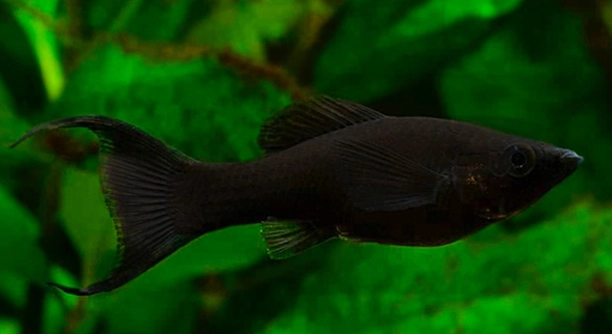
Black Mollies are popular freshwater fish, admired for their striking appearance and gentle nature. Keeping them healthy can sometimes be challenging, especially when they fall ill repeatedly despite careful care and attention from their owners.
Repeated illness in Black Mollies is often caused by factors such as poor water quality, improper diet, overcrowding, stress, genetic susceptibility, parasites, or bacterial infections. Addressing these causes systematically can significantly improve their overall health and prevent recurring sickness.
Learning about these causes can help you create a healthier environment for your Black Mollies. Identifying problems early ensures your fish thrive and enjoy longer, happier lives.
Poor Water Quality
Maintaining clean water is essential for Black Mollies. Dirty or improperly treated water can lead to stress and weaken their immune system, making them more prone to repeated illness. Ammonia, nitrite, and nitrate levels should be monitored regularly. Even slight imbalances can trigger health issues. Frequent partial water changes, proper filtration, and routine testing can keep the water safe. Temperature fluctuations and pH swings also impact fish health. Mollies thrive in slightly alkaline water, and sudden changes can cause illness. Overfeeding contributes to waste buildup, further reducing water quality. Keeping the tank clean and stable provides an environment where your Black Mollies can remain active and healthy. Observing the water’s clarity and ensuring all equipment functions correctly helps prevent infections and stress. By dedicating attention to water quality, repeated illness can be minimized.
Monitoring water quality daily can prevent long-term health problems in Black Mollies and reduce repeated sickness effectively.
Consistent water care is key. Testing for ammonia, nitrite, and nitrate weekly helps maintain balance. Use a reliable filter and perform partial water changes regularly. Avoid overfeeding, as uneaten food breaks down and pollutes the water. Keep the temperature stable and pH slightly alkaline to support immunity. Removing debris and maintaining proper tank circulation reduces bacteria growth. A clean environment keeps Mollies stress-free, allowing them to swim actively and eat properly. With careful water management, you can prevent recurring infections and support overall health. Observation is important; any change in behavior or appearance may indicate water-related issues. Prioritizing water quality establishes a foundation for a strong, healthy tank where your Black Mollies can thrive without frequent illness.
Improper Diet
Feeding Black Mollies an unbalanced diet can cause repeated health problems. Nutrient deficiencies weaken their immune system, making them more vulnerable to infections and stress.
A varied diet with proper vitamins and minerals ensures their bodies stay strong and resistant to disease.
Black Mollies need a combination of high-quality flake food, pellets, and occasional live or frozen foods. Vegetables like spinach or zucchini provide necessary fiber. Feeding too little or too much can harm their digestive system and immune response. Overreliance on one food type leads to nutrient gaps, contributing to repeated illness. Maintaining a feeding schedule helps regulate their metabolism. Watching their behavior and growth indicates whether dietary needs are being met. A balanced diet promotes bright colors, active swimming, and natural behavior. Adjusting food types and portions according to their life stage improves health. Attention to diet works alongside clean water to prevent recurring sickness, supporting long-term well-being for your Black Mollies.
Overcrowding
Overcrowding in the tank stresses Black Mollies and increases the risk of repeated illness. Limited space reduces oxygen levels and can lead to aggressive behavior among fish, weakening their immunity.
Too many fish in one tank creates constant stress. Oxygen levels drop, and waste builds up faster, making water quality worse. Fish compete for food and territory, causing injuries and vulnerability to disease. Stress slows healing and makes Mollies more susceptible to infections. Providing adequate space reduces conflict and supports stronger immune systems. Each fish needs room to swim and establish a territory. Proper tank size and controlled population are essential for long-term health.
Reducing overcrowding allows Black Mollies to thrive. A well-planned tank environment improves behavior, feeding, and overall resistance to illness. Proper stocking levels prevent repeated sickness effectively.
Stress Factors
Stress from sudden changes in the tank or handling can trigger illness in Black Mollies. Environmental shifts, loud noises, or frequent disturbances impact their immune system.
Frequent water changes, abrupt temperature shifts, or moving fish between tanks can overwhelm them. Stress suppresses immunity and makes them more prone to infections. Maintaining a calm environment, stable water parameters, and gentle handling is crucial. Observing behavior helps detect early stress signs, such as hiding or erratic swimming. Minimizing stress prevents repeated illness and promotes overall well-being.
Black Mollies respond strongly to their surroundings. Bright lights, constant tapping on the glass, or overcrowded decorations increase tension. Providing hiding spots, stable temperatures, and minimal disruption supports natural behavior. Healthy fish swim actively, feed regularly, and resist disease. Avoid sudden changes in water chemistry or temperature, as these shocks trigger stress responses. Regular observation allows early intervention if stress is detected. A calm, consistent environment strengthens their immune system, reducing repeated illness and ensuring a more vibrant, active tank population.
Genetic Susceptibility
Some Black Mollies are naturally more prone to illness due to genetics. Weak immune systems or inherited conditions make them vulnerable to repeated health issues.
Breeding closely related fish increases the risk of genetic weaknesses. Choosing healthy stock from reputable sources reduces recurring problems.
Parasites
Parasites like flukes, worms, or protozoa can cause repeated illness in Black Mollies. These infections often show as lethargy, clamped fins, or unusual swimming patterns. Regular observation and quarantine of new fish help prevent parasite outbreaks and protect the entire tank population.
Bacterial Infections
Bacterial infections are a common reason for repeated sickness in Black Mollies. Poor water quality, injuries, or stress can trigger bacterial growth. Symptoms include white spots, fin rot, and swollen areas. Early detection, proper treatment, and maintaining a clean environment are crucial to preventing severe illness and recurring infections.
Inconsistent Water Temperature
Fluctuating water temperatures weaken Black Mollies’ immune system and increase susceptibility to illness. Maintaining stable temperatures helps them stay healthy and reduces repeated sickness.
FAQ
Why do my Black Mollies keep getting sick even though the tank looks clean?
Even if the tank looks clean, water parameters might be off. Ammonia, nitrite, and nitrate levels can rise unnoticed, and pH or temperature fluctuations can stress your fish. Regular testing and partial water changes are necessary to prevent repeated illness.
How often should I check the water quality for my Black Mollies?
It is best to test water at least once a week for ammonia, nitrites, nitrates, and pH. Temperature should be monitored daily. Consistent checks help catch small problems before they escalate into illnesses that repeat frequently.
Can diet really affect repeated sickness in Black Mollies?
Yes. A poor diet lacking essential vitamins and minerals weakens their immune system. Offering a mix of high-quality flakes, pellets, and occasional live or frozen foods, along with vegetables like zucchini, supports overall health and reduces recurring illness.
Does tank size matter for Black Mollies’ health?
Absolutely. Overcrowded tanks stress fish, reduce oxygen, and lead to higher waste buildup. Stress and poor water quality together increase the likelihood of repeated illness. Ensure there is enough space for each fish to swim and establish territory.
Are stress and handling linked to recurring health problems?
Yes. Stress from sudden water changes, loud noises, or rough handling suppresses immunity. Mollies that are stressed swim less, eat poorly, and become more prone to infections. Minimizing disturbances and maintaining a calm environment is crucial for their health.
How can I prevent parasite infections?
Quarantine new fish before introducing them to the main tank. Parasites can spread quickly and lead to repeated illness. Observing fish regularly for abnormal behavior, clamped fins, or unusual swimming can help detect parasites early. Prompt treatment is essential to prevent further infections.
Are some Black Mollies genetically weaker?
Yes, some fish inherit weaker immune systems or predispositions to certain illnesses. Buying from reputable breeders and avoiding inbreeding reduces the chance of repeated sickness due to genetic factors. Healthy stock forms the foundation for a resilient tank population.
What are common signs of bacterial infections?
Look for white spots, fin rot, swollen areas, or lethargy. Bacterial infections often occur due to poor water quality, stress, or injuries. Early detection and treatment, along with maintaining clean water, are vital to prevent recurring illness.
How important is stable temperature for preventing illness?
Temperature fluctuations can stress Mollies and weaken immunity. Keeping the tank at a stable temperature appropriate for the species helps prevent repeated sickness and ensures they remain active and healthy.
Can repeated illness be completely prevented?
While no fish are completely immune, consistent water maintenance, a balanced diet, appropriate tank size, stress reduction, and careful observation significantly reduce the risk of repeated illness. Regular care is the best way to keep Black Mollies healthy and thriving.
How should I treat sick Mollies without harming healthy fish?
Use a separate quarantine tank for treatment whenever possible. This prevents medications or infections from affecting healthy fish. Carefully follow treatment instructions, monitor their progress, and ensure water parameters remain stable throughout recovery.
Is it okay to mix Black Mollies with other fish?
They can be mixed with peaceful species of similar size. Avoid aggressive or fin-nipping fish, as injuries and stress increase the likelihood of repeated illness. Choosing compatible tank mates supports a calmer, healthier environment.
Can I rely on medication alone to prevent repeated illness?
Medication treats symptoms but does not address underlying causes like poor water quality, stress, or diet. Combining proper tank management with targeted treatment is necessary to prevent recurring health issues in Black Mollies.
How long does it take for Black Mollies to recover from illness?
Recovery time varies depending on the type and severity of illness. Minor infections may resolve in days with proper care, while serious bacterial or parasitic infections can take weeks. Continuous monitoring and supportive care are essential for full recovery.
Are live plants beneficial for Black Mollies?
Yes. Live plants improve water quality by absorbing nitrates and providing hiding spots. They reduce stress, support natural behavior, and contribute to overall health, which helps prevent repeated illness in your fish.
Can overcrowding cause illness even if water is clean?
Yes. Crowding increases stress and aggressive interactions. Even in clean water, stressed fish have weakened immune systems, making them more susceptible to infections. Maintaining appropriate stocking levels is key to preventing recurring health problems.
What should I do if my Mollies show early signs of illness?
Act quickly. Test water parameters, isolate affected fish if possible, and adjust diet or environment as needed. Early intervention prevents minor issues from becoming severe, reducing the chances of repeated illness in your tank.
How do I maintain long-term health for my Black Mollies?
Provide clean, stable water, a balanced diet, adequate space, minimal stress, and regular observation. Quarantine new fish, monitor for parasites, and address health concerns promptly. Consistent care is the most reliable way to prevent repeated illness and ensure a thriving tank environment.
Final Thoughts
Keeping Black Mollies healthy requires consistent attention and care. Repeated illness often happens when one or more aspects of their environment are not properly maintained. Water quality is the most important factor. Even small amounts of ammonia, nitrites, or nitrates can harm their immune systems. Temperature and pH fluctuations also create stress, leaving the fish vulnerable to infections. Regular water testing, partial water changes, and proper filtration are necessary to maintain a safe habitat. Clean water not only prevents disease but also supports natural behavior, ensuring Mollies swim actively and eat well. Overcrowding worsens water quality and increases stress, so providing enough space for each fish is just as important as keeping the water clean.
Diet plays a crucial role in preventing recurring sickness. Black Mollies need a balanced mix of high-quality flakes, pellets, and occasional live or frozen foods. Vegetables such as zucchini or spinach provide necessary nutrients and fiber that promote healthy digestion. Overfeeding or relying on one type of food can cause nutrient deficiencies, weakening the fish’s immune system and making them more prone to repeated illness. Feeding should follow a consistent schedule, and portion sizes should match the number of fish in the tank. A proper diet combined with good water conditions creates a strong foundation for long-term health and reduces the likelihood of infections. Paying attention to what and how much your Mollies eat can prevent problems before they start and support vibrant, active fish.
Stress, parasites, and bacterial infections are common triggers for repeated illness in Black Mollies. Stress can come from sudden changes in water, loud noises, or rough handling. Quarantining new fish and providing hiding spaces in the tank helps reduce stress and prevent parasite outbreaks. Parasites and bacteria thrive in poor conditions, but early detection and treatment can stop them from causing serious problems. Genetics also play a role, as some Mollies are naturally more susceptible to illness. Maintaining a calm, stable environment, along with careful observation, helps reduce stress and gives your fish the best chance to recover and stay healthy. By focusing on water quality, diet, stress reduction, and prevention of infections, you create a safe, stable environment where Black Mollies can thrive without repeated illness. This consistent care ensures they remain active, colorful, and resilient in your aquarium.

Hello,
If you enjoy the content that we create, please consider saying a "Thank You!" by leaving a tip.
Every little bit helps us continue crafting quality advice that supports the health, happiness, and well-being of pets around the world, for pets of all shapes, sizes, and species.
We really appreciate the kindness and support that you show us!