
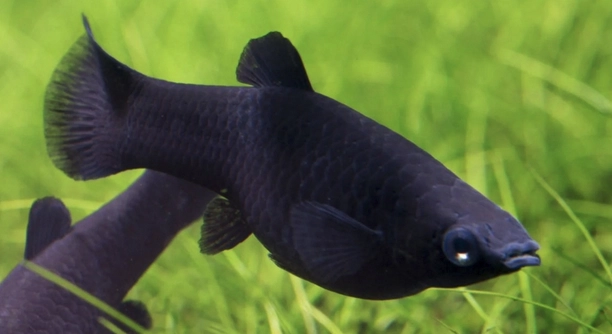
Have you ever watched your Black Molly explore its tank and wondered if freeze-dried foods fit safely into its daily routine, giving it both variety and comfort without disrupting its habits or natural feeding rhythm.
Freeze-dried foods are generally safe for Black Molly when included in a balanced diet, because their preserved nutrients support steady growth and digestion. Still, using them too often may reduce moisture intake and limit dietary variety important for long-term health.
Learning how freeze-dried options influence your Black Molly’s routine helps you create meals that support comfort, health, and aquarium harmony.
It seems like I can’t do more advanced data analysis right now. Please try again later.
Feeding Behavior and Daily Patterns
Black Mollies respond well to consistent feeding routines, and freeze-dried foods can fit into their schedule when offered in small amounts that support steady eating without overwhelming their system.
Freeze-dried options blend easily into a daily routine when paired with foods that carry more moisture. This balance keeps digestion smooth and prevents the fish from relying too heavily on one texture. I like how simple it feels to adjust small portions each day because it helps avoid uneaten pieces drifting around the tank. Spreading out feedings keeps their energy steady and encourages calm swimming patterns that match their natural habits.
When these foods are used alongside flakes, gels, or live items, Black Mollies show more stable behavior and clearer movement. They stay more active, their colors look brighter, and their feeding responses become more predictable. This steady rhythm helps maintain a cleaner tank and avoids stress that can come from inconsistent meals.
Nutritional Balance and Long Term Health
A balanced mix of proteins, fibers, and moisture supports smoother digestion and helps your Black Molly keep a strong immune system throughout its life. Freeze-dried foods can add variety, but they work best when they are not the only ingredient in the bowl.
Including softer foods creates a natural flow that keeps their internal system comfortable and prevents dryness that sometimes comes from too many dehydrated pieces. I like incorporating vegetables, small live treats, and high quality flakes because they make the diet feel more complete. This variety supports growth, color, and activity without placing too much strain on the digestive process. By keeping portions small and mixing textures, you help your Black Molly settle into a routine that promotes long term stability and overall wellness.
xxxxxxxxxxxxxxxxxxx
Rinsing freeze-dried pieces before feeding helps soften their texture and lowers the chance of digestive discomfort for your Black Molly. This small step supports smoother eating and keeps hydration levels steadier, making each meal feel more comfortable and easier for your fish to process without unnecessary stress in its routine.
Portion control keeps freeze-dried foods from overwhelming the tank or disrupting regular habits. Offering small amounts gives your Black Molly time to eat calmly and reduces drifting debris. This simple approach maintains water quality and creates a steady feeding rhythm that feels natural and manageable for both you and fish.
xxxxxxxxxxxxxxxxxxx
Freeze-dried foods hold nutrients well, but their dry structure means they work best when paired with items that bring moisture and fiber. Mixing these elements supports digestion and helps your Black Molly avoid sluggish behavior that can appear when meals feel too heavy or repetitive. I like combining small soaked portions with flakes or soft pellets because the mix settles nicely and encourages comfortable eating. This balance also prevents uneaten bits from floating around the tank, keeping the water cleaner and supporting long term comfort. With steady portions, your Black Molly adapts easily to this blend and maintains stable health.
xxxxxxxxxxxxxxxxxxx
Using freeze-dried foods thoughtfully helps maintain smooth feeding habits and supports consistent comfort for your Black Molly. Blending textures keeps each meal balanced and avoids dryness that can cause stress. With steady portions and simple preparation, your fish stays active and calm throughout its routine, creating a stable environment overall.
FAQ
Can Black Mollies eat freeze-dried bloodworms safely?
Yes, freeze-dried bloodworms are safe in moderation. I usually soak them first to soften the texture and prevent digestive issues. Feeding too many at once can overwhelm their system, so small portions a few times a week are best. This keeps their diet varied and enjoyable without stress.
How often should I feed freeze-dried foods?
Freeze-dried items should not be the main diet. I like to use them two to three times a week alongside flakes, pellets, or vegetables. Offering too often can reduce moisture intake and create nutritional imbalance. Spacing them out helps maintain overall health and keeps my Black Mollies active.
Do I need to soak all freeze-dried foods?
Soaking is highly recommended. I soak bloodworms, brine shrimp, and daphnia in a small amount of tank water for a few minutes before feeding. It softens the food, making it easier to eat and digest. Soaking also prevents leftover pieces from floating and degrading water quality.
Can freeze-dried foods replace live foods?
They cannot fully replace live foods. While convenient and nutrient-rich, live foods provide stimulation and behavior benefits. I mix freeze-dried with occasional live options to keep their diet balanced and engaging. This combination ensures proper growth, energy, and a healthy immune system.
Are there any risks feeding only freeze-dried foods?
Yes, feeding exclusively freeze-dried foods can cause dehydration and nutrient gaps. I always combine them with moist or live foods. This keeps digestion smooth and supports long-term health. Over-reliance on dry foods can also reduce variety, which may affect color, energy, and activity levels.
Can young Black Mollies eat freeze-dried foods?
Young fish can eat freeze-dried foods, but in very small, softened pieces. I crush or soak the portions to ensure they can consume them easily. Young fish are more sensitive, so gradual introduction alongside flakes or micro-pellets is best for steady growth and digestion.
How should I store freeze-dried foods?
Keep them in a cool, dry place in a sealed container. Moisture and heat can degrade the nutrients and cause mold. I store mine away from direct sunlight and always check expiration dates. Proper storage ensures each feeding provides the intended nutrients and prevents tank contamination.
Do Black Mollies prefer freeze-dried foods over flakes?
Preference varies. My fish sometimes go straight for freeze-dried treats because of their texture and flavor. However, flakes provide consistent nutrients and should remain a main diet component. Mixing the two keeps feeding interesting while ensuring balanced nutrition.
Can overfeeding freeze-dried foods harm water quality?
Yes, uneaten freeze-dried pieces can sink and decompose, raising ammonia levels. I feed small portions and remove leftovers promptly. This keeps the tank clean and prevents stress or illness caused by poor water conditions. Consistent portion control is key to healthy fish and water.
Are freeze-dried vegetables safe for Black Mollies?
Yes, freeze-dried vegetables like spinach or peas are safe when softened. I soak them to prevent hard pieces that are difficult to eat. Vegetables provide fiber and support digestion. Including them a few times a week improves gut health and complements protein-based foods like bloodworms.
Do freeze-dried foods affect the color of Black Mollies?
They can enhance coloration when part of a varied diet. I notice brighter colors when mixing freeze-dried proteins with flakes and vegetables. Alone, freeze-dried foods may not provide all pigments, so combining types ensures both vibrant color and balanced nutrition.
Is it okay to mix different freeze-dried foods in one feeding?
Yes, mixing small portions of different freeze-dried foods works well. I combine bloodworms with brine shrimp or vegetables to provide a range of nutrients and textures. This encourages consistent eating, prevents boredom, and supports overall health while maintaining a balanced diet.
How long can freeze-dried foods stay in water before feeding?
Soaked freeze-dried foods should only sit a few minutes. I usually remove them if not eaten within five minutes. Longer exposure can make them soggy, lose nutrients, and affect water quality. Short soaking provides the right softness while keeping the tank safe.
Can freeze-dried foods replace flake food entirely?
No, they should not replace flakes. Flakes provide complete nutrition, while freeze-dried foods are supplements or treats. I use them to add variety, stimulate appetite, and support color, but flakes remain essential for balanced daily nutrition.
Are all freeze-dried foods equally safe?
Not always. Some may contain additives or preservatives that are not ideal for Black Mollies. I read labels carefully and choose simple, high-quality options without fillers or dyes. This ensures safety while still providing nutrients and variety in the diet.
What is the best way to introduce freeze-dried foods to a new tank?
I introduce freeze-dried foods slowly, offering small soaked portions a few times a week. This lets the fish adjust and reduces stress. Watching their response ensures they eat comfortably and maintain regular behavior while keeping water quality stable.
Can overfeeding freeze-dried foods cause bloating?
Yes, feeding too much can lead to bloating or constipation. I portion carefully and soak the food beforehand. Balanced feedings with soft and moist items prevent digestive problems and keep the fish active and healthy. Consistency is more important than quantity.
Do Black Mollies need a mix of freeze-dried and live foods daily?
Daily live foods are not necessary if flakes and freeze-dried options are balanced. I alternate feedings to provide variety and stimulation. This approach ensures proper nutrition, supports energy levels, and maintains a healthy appetite without overloading their digestive system.
Can freeze-dried foods help picky eaters?
Yes, they often encourage hesitant fish to eat. I find soaking them makes them more appealing and easier to handle. Mixing textures and flavors gradually helps picky Black Mollies adjust and enjoy a more varied, balanced diet that supports growth and energy consistently.
Is it safe to combine freeze-dried foods with supplements?
Yes, but sparingly. I add occasional vitamins or gut-friendly supplements if needed, but too much can upset digestion. Combining carefully with soaked freeze-dried foods ensures your Black Mollies get added nutrients without risking discomfort or digestive issues.
How do I know if my Black Molly likes a new freeze-dried food?
Watch their behavior closely. Eager, consistent eating shows acceptance, while hesitation may mean they need smaller portions or soaking. I introduce new foods gradually, giving them time to adjust. This approach keeps feeding stress-free and supports healthy habits and growth.
Do freeze-dried foods affect breeding?
They can support breeding by providing concentrated protein. I include small, soaked portions alongside flakes and vegetables to maintain energy and health. Balanced nutrition helps eggs and fry develop, but overreliance on dry foods may not provide all necessary nutrients.
Are freeze-dried shrimp safe for all Black Molly ages?
Yes, but younger fish need smaller, softened portions. I crush or soak them to prevent choking or digestive strain. Adults handle larger pieces more easily, but all ages benefit from a gradual introduction and careful portioning to maintain health and steady growth.
Can freeze-dried foods replace occasional live treats entirely?
They can sometimes, but I still include live options when possible. Freeze-dried foods provide nutrients, but live foods stimulate natural hunting behaviors. Mixing both ensures activity, engagement, and balanced nutrition without compromising growth or health.
Do freeze-dried foods need refrigeration after opening?
No, but they should be stored in a cool, dry place with a sealed lid. Moisture and heat can degrade quality. I always check that containers are airtight and labels are readable to maintain freshness and safety. Proper storage keeps nutrients intact.
Can freeze-dried foods contribute to tank algae?
Yes, uneaten bits can break down and encourage algae growth. I feed small amounts and remove leftovers quickly. This keeps the water clean and maintains a balanced environment for my Black Mollies, avoiding stress and water quality issues.
How much freeze-dried food is too much?
A pinch or small handful per tank session is usually enough. Overfeeding can cause bloating, uneaten debris, and water problems. I monitor portions carefully and combine with other foods to keep feeding balanced and ensure my Black Mollies stay healthy, active, and vibrant.
Are all freeze-dried vegetables equally nutritious?
No, some lose more nutrients during processing. I choose high-quality options like peas, spinach, or zucchini. Soaking them restores texture, encourages eating, and adds fiber. Balanced variety helps maintain digestion, supports growth, and contributes to overall well-being.
How do I prevent my Black Mollies from ignoring freeze-dried foods?
Mixing textures works best. I combine soaked freeze-dried items with flakes or soft pellets to maintain interest. Rotating offerings keeps feeding engaging while providing all necessary nutrients. Gradual introduction encourages steady eating and reduces waste.
Can freeze-dried foods cause constipation?
Yes, if given in excess or without soaking. I always soften the pieces and provide moisture-rich foods alongside. Fiber from vegetables or pellets helps digestion. This approach keeps my Black Mollies active, comfortable, and avoids common digestive issues.
Are freeze-dried foods suitable for community tanks?
Yes, but portion control is essential. I feed small amounts to avoid competition or uneaten debris. Mixing textures and sizes ensures all fish get nutrients without stress, keeping water quality stable and maintaining calm, healthy interactions.
Do Black Mollies eat freeze-dried foods faster than flakes?
Often, yes. I notice they tend to go for protein-rich pieces first. This is why portioning carefully is key. Soaking helps regulate pace, reduces debris, and keeps energy levels consistent while maintaining a healthy tank environment.
Can freeze-dried foods be part of a breeding diet?
Yes, when balanced with flakes and vegetables. Protein supports egg production and fry growth. I alternate small soaked portions to provide nutrients without overwhelming digestion. This combination supports energy, activity, and reproductive health.
Is there a risk of mold in freeze-dried foods?
Yes, if exposed to moisture. I keep containers sealed and dry. Checking for changes in texture or smell before feeding prevents illness. Proper storage ensures safe, high-quality nutrition for my Black Mollies.
How do I transition from flakes to freeze-dried foods?
Introduce small soaked portions alongside flakes gradually. I observe acceptance and adjust amounts slowly. This method avoids stress, supports consistent eating, and ensures balanced nutrition while maintaining water quality and comfort for my fish.
Can freeze-dried foods enhance growth?
Yes, when combined with flakes, vegetables, and occasional live items. Protein-rich options like bloodworms and brine shrimp support muscle development. Balanced feeding prevents overfeeding or digestive strain while promoting steady, healthy growth and vibrant colors.
Do Black Mollies need soaking every type of freeze-dried food?
Most benefit from it, especially proteins and vegetables. I soak for a few minutes to prevent hard textures and improve digestion. This keeps meals comfortable and encourages consistent, stress-free feeding while maintaining a clean tank.
Are freeze-dried foods suitable for winter feeding?
Yes, they provide concentrated nutrients when live foods may be less available. I soak portions to maintain softness and support digestion. Combining with flakes and vegetables ensures balanced feeding even during seasonal changes, keeping fish active and healthy.
Can freeze-dried foods help picky Black Mollies gain weight?
Yes, they can be useful for underweight fish. I offer small soaked portions in addition to flakes and vegetables. This adds variety, encourages eating, and helps maintain proper growth without causing digestive issues or water problems.
Do I need to remove uneaten freeze-dried food immediately?
Yes, I remove leftovers within a few minutes. This prevents water contamination and reduces ammonia buildup. Quick cleanup keeps the tank stable, healthy, and safe for my Black Mollies while supporting consistent feeding habits and digestion.
Can freeze-dried foods cause fin rot?
Indirectly, yes, if uneaten pieces decompose and pollute the water. I feed small amounts, soak foods, and remove debris promptly. Maintaining clean water and careful portioning protects the fish from fin rot and other health issues.
Are freeze-dried foods more convenient than live foods?
Yes, they are easier to store and prepare. I keep a small selection on hand for quick feedings. Soaking ensures comfort and digestibility. Convenience does not replace variety, so combining with flakes and occasional live foods keeps the diet complete.
How do I know if my Black Molly is getting too much freeze-dried food?
Signs include uneaten pieces, bloating, or changes in swimming behavior. I reduce portion size and balance with other foods. Monitoring daily helps maintain health, steady digestion, and a happy, active fish.
Can freeze-dried foods be used in quarantine tanks?
Yes, they are easy to handle and store. I soak portions to make feeding stress-free. This ensures the quarantined fish get nutrients without introducing live food risks or affecting water quality.
Do freeze-dried foods affect breeding success?
Balanced feeding with soaked freeze-dried proteins can support reproductive health. I alternate with flakes and vegetables to provide variety, energy, and proper nutrition for eggs and fry without overloading the digestive system.
Are freeze-dried foods better than pellets?
Not necessarily. Pellets provide complete nutrition, while freeze-dried foods supplement protein and variety. I use both to maintain a balanced diet that supports growth, color, and long-term health. Mixing textures also keeps feeding engaging and comfortable.
Can Black Mollies develop preference for freeze-dried foods?
Yes, they may favor protein-rich freeze-dried items. I rotate offerings and maintain flakes and vegetables to ensure balanced nutrition. Variety prevents dependency on one food type and encourages steady, healthy feeding habits.
Do freeze-dried foods provide enough vitamins?
They provide some vitamins but may lack others found in flakes or fresh foods. I balance meals with flakes, vegetables, and occasional live treats to ensure complete nutrition and long-term health for my Black Mollies.
Is it safe to give multiple types of freeze-dried foods at once?
Yes, small mixed portions are fine. I soak and portion carefully to prevent overfeeding or digestive strain. Combining types adds variety, encourages eating, and supports balanced nutrition without creating water quality issues.
Do Black Mollies need special care after eating freeze-dried foods?
No extra care is usually needed beyond normal observation. I monitor behavior and water quality to ensure digestion is smooth. Soaking foods and offering small portions helps prevent bloating and maintains a clean, healthy tank environment.
How long can I keep freeze-dried foods after opening?
Stored properly in a cool, dry, airtight container, they can last months. I always check for signs of moisture or spoilage. Proper storage maintains nutrients, texture, and safety for my Black Mollies’ diet.
Can freeze-dried foods support color enhancement?
Yes, protein-rich options like bloodworms can help maintain vibrant color when part of a balanced diet. I combine them with vegetables and flakes for optimal appearance and overall health.
Do Black Mollies eat freeze-dried foods immediately?
Often, yes, especially if soaked. I monitor portion sizes and feeding pace to prevent waste. Some fish may nibble slowly, which is normal and indicates comfort with the texture and taste.
Are freeze-dried foods messy?
They can be if overfed or unsoaked. I feed small, softened portions to reduce floating debris. This keeps the tank clean and the fish calm, while providing a balanced and easy feeding experience.
Can freeze-dried foods improve activity levels?
Yes, balanced meals with protein and fiber support energy. I combine soaked freeze-dried items with flakes and vegetables to maintain active, healthy swimming habits and encourage natural behavior throughout the day.
Do freeze-dried foods last longer than live foods?
Yes, they are shelf-stable and easy to store. I keep a small stock for convenience. Soaking before feeding ensures digestibility and supports the fish’s health, while live foods require more immediate preparation.
Are freeze-dried foods safe for all aquarium setups?
Yes, if portioned and soaked properly. I ensure leftovers are removed promptly to maintain water quality. Careful feeding keeps tanks clean, fish healthy, and routines consistent, regardless of tank size or environment.
Can freeze-dried foods replace occasional treats?
Yes, they work well as treats or supplements. I use them to provide variety, encourage appetite, and support overall health while keeping the primary diet based on flakes, pellets, and vegetables for balance.
Do Black Mollies need a break from freeze-dried foods?
Rotating foods is beneficial. I offer freeze-dried options a few times a week and rely on flakes and vegetables for daily nutrition. This prevents over-reliance and maintains digestive health, activity, and color vibrancy.
Is it safe to feed freeze-dried foods at night?
Yes, but I monitor portions to prevent leftovers decomposing overnight. Small, soaked portions ensure they are eaten quickly, keeping water quality stable and avoiding digestive issues.
Can freeze-dried foods be used for sick fish?
Yes, if softened and offered in small portions. I find they are easier to digest for fish recovering from illness, helping maintain nutrients without stressing the digestive system or tank environment.
Are freeze-dried foods suitable for community tanks with other species?
Yes, with care. I feed small portions to prevent competition and ensure all fish get a chance. Soaking helps slower eaters and prevents excess debris, keeping water quality high for multiple species.
Do freeze-dried foods need rotation?
Yes, rotating types provides variety and full nutrients. I mix proteins, vegetables, and flakes across the week. Rotation encourages steady appetite, prevents boredom, and supports growth, color, and overall health for my Black Mollies.
Can freeze-dried foods help prevent boredom in the tank?
Yes, the texture and variety stimulate natural feeding behaviors. I alternate types and soak them to keep meals engaging while ensuring balanced nutrition and digestive comfort.
Do freeze-dried foods float or sink?
They usually float initially but sink when soaked. I prefer soaking to control eating pace and reduce water clouding. This helps maintain a calm feeding environment and prevents debris buildup.
Are freeze-dried foods safe for pregnant Black Mollies?
Yes, in moderation. I soften portions and provide alongside flakes and vegetables to support energy, color, and overall health without overloading digestion. Careful feeding ensures comfort for both mother and developing fry.
Can freeze-dried foods be a staple diet?
No, they supplement but should not replace a complete diet. I combine flakes, vegetables, and occasional live foods to maintain nutrition, color, and activity, keeping my Black Mollies healthy long term.
Do freeze-dried foods affect water pH?
Not directly, but decomposing uneaten pieces can slightly alter water conditions. I feed small portions and remove leftovers promptly to prevent water quality issues and maintain stable pH.
**How can I tell if my fish are enjoying
Black Mollies can safely eat freeze-dried foods when they are introduced thoughtfully and in moderation. These foods provide concentrated nutrients and a variety of textures that many fish find appealing, but they should not replace a complete diet. Combining freeze-dried options with flakes, vegetables, and occasional live foods ensures that your Black Molly receives all the vitamins, minerals, and proteins it needs to stay healthy. Small, softened portions help prevent digestive issues, making feeding a smoother process and reducing the risk of bloating or constipation. I have found that soaking the pieces in a little tank water for a few minutes before feeding not only makes them easier to eat but also encourages calmer, more predictable feeding behavior.
Maintaining variety is key for long-term health. Relying only on freeze-dried foods can create nutrient gaps and reduce moisture intake, which can affect digestion and overall well-being. When freeze-dried foods are mixed with flakes or soft pellets, your Black Molly benefits from a more balanced diet while still enjoying different flavors and textures. Adding small amounts of vegetables like peas or spinach further supports digestion and provides fiber. Paying attention to portion size is important because overfeeding can lead to uneaten debris, which may affect water quality and potentially stress your fish. Keeping a consistent feeding routine with small, spaced-out meals helps your Black Molly remain active and supports healthy growth, color, and energy levels over time.
It is also important to consider storage, preparation, and observation when using freeze-dried foods. Proper storage in a cool, dry, and airtight container prevents moisture from degrading the nutrients or causing mold. Observing your fish’s response to new foods helps determine whether portions need adjustment or soaking is required. Each Black Molly may react differently, so it is helpful to start gradually and monitor eating habits closely. With careful planning, a mix of freeze-dried foods can supplement your fish’s diet in a way that is safe, nutritious, and enjoyable. Over time, a thoughtful approach to feeding supports a healthy, balanced diet while maintaining a clean and stable tank environment, contributing to the overall comfort and longevity of your Black Mollies.

Hello,
If you enjoy the content that we create, please consider saying a "Thank You!" by leaving a tip.
Every little bit helps us continue crafting quality advice that supports the health, happiness, and well-being of pets around the world, for pets of all shapes, sizes, and species.
We really appreciate the kindness and support that you show us!