
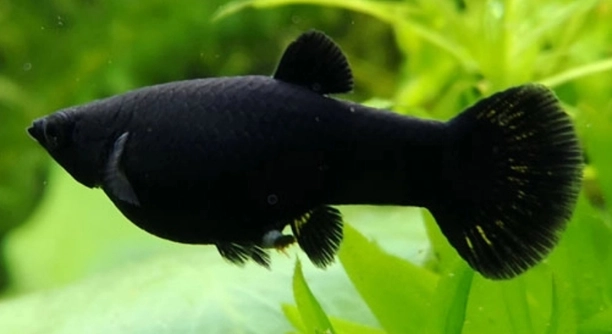
Many people enjoy keeping black mollies as pets, but these fish can experience stress from their environment, diet, or companions. Understanding the signs of stress is important to ensure their health and happiness in your aquarium.
Black molly stress is commonly caused by poor water quality, overcrowding, sudden changes in temperature, or incompatible tank mates. Addressing these factors through proper tank maintenance, balanced diet, and a stable environment can significantly reduce stress levels.
By applying these simple strategies, you can create a calmer and healthier home for your black mollies, supporting their overall well-being and natural behaviors.
Maintain Stable Water Conditions
Black mollies are very sensitive to changes in their water environment. Sudden shifts in temperature, pH, or hardness can stress them quickly. Regularly testing water parameters and making small, gradual adjustments can help avoid shock. A reliable heater and filter are essential for keeping the tank consistent. Weekly water changes of about 20-25% also remove toxins, like ammonia and nitrites, that build up over time. Avoid adding chemicals abruptly, as this can disturb the natural balance your fish need. Keeping the tank clean and free from excessive debris will reduce stress and support the fish’s immune system. Observing your mollies daily helps you notice unusual behavior early, such as hiding, clamped fins, or loss of appetite. Small improvements in their environment often have a big impact on their comfort and activity levels.
Stable water conditions reduce stress by providing a consistent environment, which promotes healthy behavior, appetite, and overall well-being for black mollies in the aquarium.
Healthy water management not only keeps your fish alive but encourages natural behaviors like exploring and social interaction. By monitoring parameters and performing routine maintenance, you give black mollies a peaceful habitat, which prevents illness and strengthens their resilience. Simple tools, like thermometers and pH strips, make it easy to keep conditions stable. Over time, maintaining water quality becomes second nature and creates a thriving, calm tank that your fish enjoy daily.
Provide Hiding Spots
Black mollies need places to feel secure. Plants, caves, or decorations give them shelter.
Adding natural plants, rocks, and small ornaments creates spaces where mollies can retreat when they feel threatened. Hiding spots reduce anxiety and encourage confident swimming, making the aquarium feel safer. Dense foliage allows fish to explore without feeling exposed. Some mollies are more timid, so having multiple shelters helps all individuals adjust to tank life. Decorations also break up open swimming areas, lowering aggressive interactions among fish. Floating plants can provide shade and privacy at the surface. Ensure that materials are aquarium-safe to prevent chemical leaching. Regularly check for sharp edges or unstable items that could injure fish. By designing a habitat with hiding spaces, you mimic conditions they would seek in nature, which naturally lowers stress. Mollies that have access to shelter tend to eat better, interact calmly with tank mates, and show brighter coloration. Proper arrangement of hiding spots contributes directly to their health and happiness.
Keep a Balanced Diet
Feeding black mollies a varied diet supports their health and reduces stress. Include high-quality flake food, occasional frozen or live foods, and plant matter. Avoid overfeeding, as leftover food can pollute the tank.
A balanced diet helps mollies maintain energy, bright coloration, and strong immune systems. Flake food provides essential nutrients, while frozen or live foods, like brine shrimp or daphnia, offer protein that encourages natural foraging behavior. Adding blanched vegetables or algae-based foods ensures they get fiber and plant nutrients. Feeding small portions two to three times daily prevents overeating and water contamination. Observing how your fish eat can indicate stress levels or health issues. Mollies that are eating normally are often calm and more active. Rotate food types regularly to prevent nutritional gaps, and remove uneaten food promptly to maintain clean water. This diet approach supports both their physical and mental well-being, creating a healthier aquarium environment.
Consistent feeding routines reduce anxiety in black mollies. They quickly learn when and where food will appear, which gives them a sense of security. Sudden changes in diet or feeding times can trigger stress behaviors like hiding or fin clamping. By keeping meals regular, you reinforce predictable patterns that mollies respond to positively. Combining protein, plant matter, and occasional treats keeps them engaged, active, and less prone to aggressive or fearful behavior. Over time, a proper diet strengthens their resistance to common illnesses, helping them thrive in a community tank or solo setup.
Monitor Tank Mates
Choose tank mates carefully to prevent stress in black mollies. Avoid aggressive or overly dominant fish that may harass them.
Compatibility is key when selecting companions for black mollies. Peaceful species, like guppies, platies, or tetras, generally coexist well. Aggressive fish can chase or nip at mollies, increasing stress and risking injury. Even within compatible species, overcrowding can create tension, so maintain proper stocking levels. Observing interactions daily allows you to spot bullying or territorial behavior early. Mollies often show signs of stress, such as clamped fins or constant hiding, when tank mates are problematic. Rearranging decorations or adding hiding spaces can ease conflicts temporarily, but changing aggressive species is the most effective solution. Consistent monitoring ensures that all fish live in a calm, balanced environment, which supports overall health and reduces long-term stress for black mollies.
Avoid Overcrowding
Overcrowding increases stress for black mollies and can lead to illness. Keep the tank at a reasonable population to ensure enough space for swimming and hiding.
A spacious tank allows mollies to establish territories and reduces aggressive behavior. Too many fish create competition for food and oxygen, which stresses the entire community.
Maintain Proper Lighting
Black mollies respond well to consistent lighting schedules. Provide a regular day-night cycle to help regulate their activity and reduce anxiety.
Keep Water Temperature Stable
Sudden temperature changes can shock black mollies. Maintain a steady temperature between 75-82°F using a reliable heater and monitor with a thermometer regularly.
Reduce Loud Noises
Black mollies are sensitive to vibrations and loud sounds. Avoid tapping on the tank or placing it near heavy household activity.
FAQ
How can I tell if my black molly is stressed?
Signs of stress in black mollies include clamped fins, loss of appetite, erratic swimming, hiding more than usual, or pale coloration. Observing their daily behavior is the easiest way to notice early warning signs. Minor stress is common, but prolonged stress can affect health and immunity.
What is the best water temperature for black mollies?
Black mollies thrive in water between 75-82°F. Sudden changes outside this range can cause stress or illness. Use a reliable heater and thermometer to maintain stability. Small, gradual adjustments are better than sudden changes. Keeping temperature steady supports activity, feeding, and overall health.
How often should I perform water changes?
Weekly water changes of 20-25% are ideal for black mollies. This removes waste, prevents toxin buildup, and keeps the water clean. Over time, consistent maintenance reduces stress, improves behavior, and supports a healthy environment. Always treat tap water to remove chlorine or chloramine before adding it to the tank.
Can black mollies live with other fish?
Yes, black mollies are generally peaceful but need compatible tank mates. Avoid aggressive or very territorial species. Guppies, platies, and small tetras usually coexist well. Even compatible fish require monitoring, as overcrowding or sudden behavior changes can stress mollies. Provide hiding spots to ease tension.
How important is diet for reducing stress?
A varied diet is essential. Feed high-quality flakes, occasional live or frozen foods, and plant matter. Overfeeding can pollute the tank and increase stress. Regular feeding schedules and portion control keep mollies healthy, active, and calm. Rotate foods to ensure nutritional balance.
What should I do if my black molly hides constantly?
Frequent hiding is often a sign of stress or illness. Check water quality, temperature, and tank mates first. Add more hiding spots if necessary, but persistent hiding may indicate a problem that needs addressing, such as poor diet, incompatible companions, or health issues.
Can lighting affect black molly stress levels?
Yes, consistent lighting helps regulate natural behavior. Provide a stable day-night cycle to reduce anxiety. Avoid sudden bright lights or placing the tank in direct sunlight. Balanced lighting encourages normal activity, feeding, and overall comfort.
Does tank size matter for black mollies?
Tank size is very important. Overcrowding increases stress and competition for resources. A spacious aquarium allows them to swim freely, establish territories, and reduces aggressive interactions. For small groups, a 20-gallon tank is a good starting point, with more space for larger communities.
Are black mollies sensitive to noise?
Yes, vibrations and loud sounds can stress them. Place the tank away from heavy foot traffic, appliances, or rooms with frequent noise. Gentle handling and minimal disturbances help them feel secure and encourage natural swimming patterns.
How long does it take for black mollies to adjust to a new tank?
Adjustment can take days to weeks, depending on water conditions, tank mates, and environment. Provide hiding spaces, stable water parameters, and a consistent feeding routine. Monitoring behavior helps ensure they are settling in comfortably and reduces long-term stress.
What is the role of plants in reducing stress?
Plants provide shelter, shade, and security. They allow mollies to hide when anxious and explore confidently. Live plants can also improve water quality by absorbing nitrates. Arranging plants strategically creates a calm, natural-feeling environment that reduces stress and encourages natural behavior.
Can I use decorations to help my mollies feel secure?
Yes, caves, rocks, and ornaments give hiding spots and reduce anxiety. Avoid sharp edges or unstable items. Properly arranged decorations break open space and create territories, lowering aggression and providing a more relaxed environment. Regularly check for safety and stability.
How do I prevent stress during cleaning or maintenance?
Clean carefully and avoid sudden movements. Remove only part of the water, handle equipment gently, and avoid disturbing fish excessively. Perform routine maintenance consistently so they can anticipate changes and remain calm. A predictable environment minimizes stress during necessary upkeep.
Are black mollies affected by water pH?
Yes, they prefer slightly alkaline water, around 7.0-8.0 pH. Sudden pH shifts cause stress and health issues. Test water regularly and make gradual adjustments when needed. Stable pH supports feeding, swimming, and natural behaviors.
Can stress make black mollies sick?
Prolonged stress weakens the immune system, making mollies susceptible to infections, parasites, and fin rot. Addressing environmental factors, diet, and social conditions promptly helps prevent illness. Observing early stress signs allows you to intervene before serious health problems develop.
What can I do to encourage social behavior?
Provide sufficient space, compatible tank mates, and hiding spots. Maintain a calm environment and consistent routines. Mollies are naturally social, but reducing stress through good conditions allows them to interact, explore, and exhibit normal, active behaviors.
How often should I monitor my black mollies?
Daily observation is best. Watch for swimming patterns, feeding, coloration, and interactions with tank mates. Early detection of stress or illness allows prompt action. Regular attention helps maintain a healthy, calm tank and prevents small issues from becoming major problems.
Does temperature fluctuation affect reproduction?
Yes, unstable temperatures can stress mollies and inhibit breeding. Keep a steady 75-82°F range to encourage mating and reduce stress-related reproductive issues. Gradual changes support hormonal balance and overall fish health.
Can black mollies adapt to new tank mates over time?
Sometimes. If compatible species are introduced gradually, mollies may adjust. Monitor behavior closely, provide hiding spaces, and avoid sudden overcrowding. Patience and careful observation are key to reducing stress during introductions.
How does water hardness influence stress?
Black mollies prefer moderately hard water. Sudden shifts in hardness can cause stress, affect scales and fins, and make them more prone to illness. Test water regularly and adjust gradually to maintain optimal conditions. Stable hardness supports overall health and reduces anxiety.
What are the signs of long-term stress?
Persistent hiding, pale or dull coloration, loss of appetite, erratic swimming, or reduced social interaction indicate chronic stress. Addressing environmental, dietary, and social factors promptly is critical to prevent health decline and improve well-being.
How can I reduce stress during transport?
Use a secure container with proper water, minimize movement, and avoid sudden temperature changes. Limit exposure to noise and light. Transport slowly and carefully to reduce anxiety, ensuring mollies arrive safely and adapt quickly to their new tank.
Can black mollies be stressed by poor filtration?
Yes, inadequate filtration leads to dirty water, toxins, and low oxygen levels. A good filter removes waste, maintains water flow, and supports oxygenation. Proper filtration is essential to reduce stress, prevent illness, and promote normal behavior in black mollies.
What is the impact of overcrowded feeding times?
Overfeeding or feeding in a crowded tank increases competition and stress. Small, frequent portions reduce conflict, prevent waste buildup, and help mollies feed comfortably. Predictable feeding routines support calm behavior and proper nutrition.
How do I know if stress is from illness or environment?
Observe behavior, appetite, and physical signs. If stress coincides with water quality issues, temperature changes, or aggressive tank mates, it is likely environmental. Persistent stress with additional symptoms like spots, fin damage, or swelling suggests illness. Accurate identification allows proper corrective measures.
Are black mollies sensitive to sudden movements outside the tank?
Yes, rapid movement, tapping, or vibrations near the aquarium can frighten them. Reducing disturbances, keeping the tank in a quieter area, and moving slowly around the tank help mollies feel secure and maintain normal behavior.
How can I encourage black mollies to explore and be active?
Provide hiding spots, a clean tank, varied diet, and calm surroundings. Gradually introduce decorations and open swimming areas to stimulate natural exploration without causing anxiety. A predictable environment encourages confidence and reduces stress.
What role does oxygenation play in stress reduction?
Proper oxygen levels support respiration, energy, and activity. Use air stones, filters, or surface agitation to maintain oxygenation. Low oxygen causes lethargy, hiding, and increased vulnerability to disease. Regular monitoring ensures a healthy, low-stress environment.
How do I manage stress during tank upgrades or changes?
Introduce changes gradually. Adjust decorations, water, and tank mates slowly, and maintain familiar routines. Sudden changes can trigger hiding, clamping, or refusal to eat. Incremental updates allow mollies to adapt comfortably.
Can seasonal changes affect black molly stress?
Yes, changes in room temperature, lighting, or household activity can impact their behavior. Monitor the tank more closely during seasonal shifts and maintain stable conditions to prevent stress.
Is quarantine necessary for new black mollies?
Yes, isolating new fish prevents disease introduction and reduces stress from sudden social interactions. Quarantine allows observation for illness and acclimates the fish to water conditions before entering the main tank.
How long does it take for black mollies to recover from stress?
Recovery depends on severity and environment. Mild stress may resolve in days with stable water and proper care. Chronic stress can take weeks to improve. Consistency in diet, water, and habitat is essential for full recovery.
Can stress affect black molly coloration?
Yes, stressed mollies may appear pale or dull. Bright, vibrant coloration usually indicates a calm, healthy fish. Improving environment, diet, and social conditions helps restore natural coloration.
Are there signs that stress is improving?
Increased activity, normal feeding, bright coloration, and interaction with tank mates indicate reduced stress. Mollies that explore and swim confidently are adjusting well and are likely feeling secure.
How do I balance multiple stress-reducing strategies?
Address water quality, tank mates, diet, hiding spots, and lighting simultaneously. Consistent monitoring and small adjustments help create a stable environment. Combining strategies ensures mollies remain calm, healthy, and active over the long term.
Can overhandling cause stress?
Yes, frequent or rough handling is stressful. Only move mollies when necessary, such as during water changes or medical treatment. Gentle handling reduces anxiety and prevents injury.
Does water current affect stress levels?
Moderate flow is preferred. Strong currents can tire mollies, while stagnant water lowers oxygen levels. Adjust filters to create gentle movement and maintain calm, healthy swimming conditions.
How important is regular observation?
Daily observation is crucial to detect early stress signs. Noticing behavior, feeding habits, and interactions allows timely intervention, maintaining health, and preventing prolonged stress.
Can tank decorations reduce bullying?
Yes, properly placed plants, rocks, and caves break lines of sight and territories, reducing aggression. Mollies can retreat and interact calmly, lowering stress and injury risk.
Are black mollies sensitive to sudden changes in diet?
Yes, abrupt diet changes can cause digestive issues and stress. Introduce new foods gradually while maintaining familiar staples. Gradual transitions support health, appetite, and calm behavior.
How can I make tank maintenance less stressful?
Perform consistent, gentle cleaning and partial water changes. Avoid sudden large changes in water parameters or decorations. Predictable routines allow mollies to remain relaxed and reduce the risk of stress-related illness.
What is the effect of social hierarchy on stress?
Dominant or aggressive fish can stress mollies lower in the hierarchy. Provide hiding spaces, avoid overcrowding, and monitor interactions. Adjusting tank composition ensures calmer, healthier social dynamics.
How do I handle sudden health issues without increasing stress?
Isolate affected fish carefully, maintain stable water, and provide appropriate treatment. Limit handling and disturbances to other fish. Gentle intervention minimizes stress while addressing health problems promptly.
Can introducing plants gradually help with adaptation?
Yes, gradual introduction allows mollies to explore without fear. Plants create security and encourage natural behavior, reducing stress while enriching the tank environment.
Does water clarity affect stress?
Clear water indicates low toxins and good quality, reducing stress. Cloudy or dirty water increases anxiety and health risks. Regular filtration and maintenance keep water clear and mollies calm.
How do I prevent recurring stress in black mollies?
Maintain stable water conditions, proper diet, compatible tank mates, and hiding spots. Regular observation and consistent care prevent environmental or social stress from recurring, supporting long-term health and well-being.
Can stress affect reproduction in black mollies?
Yes, prolonged stress can inhibit mating behavior and reduce fertility. Stable water, calm environment, and proper nutrition encourage successful reproduction while minimizing stress-related complications.
How do I know when environmental adjustments are working?
Positive changes include increased activity, bright coloration, normal feeding, and social interaction. Fish that explore and swim confidently signal that adjustments have successfully reduced stress.
Caring for black mollies requires attention to their environment, diet, and social conditions. These small fish are sensitive to changes in water quality, temperature, and tank mates, which can quickly cause stress. Maintaining stable water conditions is essential, including monitoring temperature, pH, and hardness, and performing regular water changes. A reliable heater and filtration system help keep the tank stable. Sudden changes in their environment should be avoided, as black mollies respond poorly to shocks. Observing their behavior daily can help identify stress early, before it leads to more serious health issues. By keeping water parameters steady and the tank clean, mollies are able to swim freely, explore, and display their natural behavior without fear or discomfort.
Providing proper nutrition also plays a big role in reducing stress. Black mollies benefit from a varied diet that includes high-quality flakes, frozen or live foods, and plant matter. Feeding small portions regularly prevents leftover food from polluting the tank, which can create an unhealthy environment. Diet affects not only their physical health but also their behavior and mood. Fish that are hungry or overfed may become less active or aggressive, which can increase tension in the tank. A consistent feeding routine helps mollies feel secure and encourages natural foraging behavior. Adding hiding spots and plants gives them a sense of safety, allowing them to retreat when anxious and promoting confidence in swimming around the tank. This combination of proper diet, habitat design, and care ensures that mollies remain healthy and less prone to stress-related illness.
Social conditions and interactions with tank mates are another key factor in minimizing stress. Black mollies are generally peaceful, but aggressive or territorial fish can create tension and trigger stress behaviors like hiding or clamped fins. Overcrowding worsens the problem by increasing competition for food and space. Choosing compatible tank mates and maintaining adequate space allows mollies to establish territories and interact without fear. Decorations, caves, and plants help break up open swimming areas, reducing conflict and providing secure retreats. Even small adjustments, such as rearranging plants or adding floating cover, can significantly improve comfort levels. Consistent observation, gentle handling, and minimal loud noises around the tank also support a calm environment. By focusing on stable water conditions, balanced nutrition, and a safe social structure, black mollies can thrive, remain active, and exhibit their natural behaviors, leading to a healthier, less stressful aquarium experience for both the fish and the caretaker.

Hello,
If you enjoy the content that we create, please consider saying a "Thank You!" by leaving a tip.
Every little bit helps us continue crafting quality advice that supports the health, happiness, and well-being of pets around the world, for pets of all shapes, sizes, and species.
We really appreciate the kindness and support that you show us!