
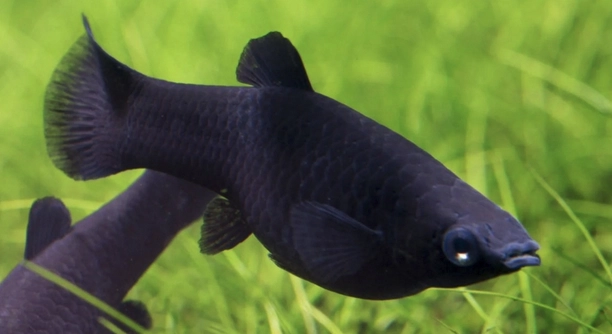
Are your black mollies spending more time avoiding the filter than swimming freely? Observing this behavior can be concerning, especially when your tank seems healthy. Their hesitation may hint at subtle changes in their environment or comfort level.
Black mollies often avoid the filter side due to strong water currents, bright light, or mechanical noise. These factors can cause stress or discomfort, prompting fish to seek calmer areas of the tank where movement and disturbances are minimal.
Understanding these behaviors can help maintain a balanced tank environment and ensure your mollies feel safe and comfortable in their home.
Common Reasons Black Mollies Avoid the Filter
Black mollies are sensitive to changes in their environment. One main factor is water flow. Filters create currents that can be too strong for some fish, making them seek calmer areas of the tank. Bright light around the filter can also make mollies uncomfortable. They may avoid the area if the light is too intense or reflects sharply off the water. Mechanical noise from the filter motor can add stress, particularly in smaller or quieter tanks. Water temperature near the filter may fluctuate slightly, causing the fish to move toward more stable areas. Over time, mollies learn which areas feel safest, often preferring the middle or back of the tank. Even subtle differences in water chemistry, such as oxygen concentration or debris accumulation near the filter intake, can influence their choice. Observing their patterns closely helps identify specific triggers and create a more comfortable tank setup.
Some mollies naturally prefer calm water, so minor adjustments can encourage them to explore more evenly.
Adjusting the filter flow, repositioning the tank light, and monitoring temperature can improve your fish’s comfort. These small changes make a noticeable difference in behavior and stress levels.
Adjusting the Environment for Comfort
Start by checking the filter flow rate. A gentle current is usually best for black mollies, allowing them to swim freely without strain. If the current is strong, consider adding a baffle or placing plants to break the flow. Ensure the filter area is not excessively bright, as intense light can drive them away. Soft, indirect lighting helps mollies feel secure. Mechanical noise is another factor; filters that hum or vibrate excessively can disturb sensitive fish. Placing the filter on a stable surface or using quieter models reduces stress. Maintaining stable water temperature near the filter also matters. Black mollies are more likely to explore if the entire tank has consistent conditions. Observing how they respond to small adjustments helps identify the best setup. By creating a calm and stable environment, mollies become more confident and active, reducing avoidance behavior over time.
Paying attention to both water flow and light levels ensures a healthier, calmer habitat for your black mollies.
Feeding Habits and Filter Avoidance
Black mollies may avoid the filter area during feeding times if food tends to accumulate elsewhere. They often prefer areas where food is easy to access and not caught in currents, which can make the filter side less appealing.
Uneaten flakes or pellets near the filter can be pushed away by the current, causing frustration. Mollies naturally seek calm water when feeding to conserve energy and avoid competition. By observing where they consistently eat, you can adjust feeding locations to encourage more balanced tank activity. Floating or slow-sinking food can help mollies remain comfortable while eating without stressing against the current. Consistent feeding routines also reduce anxiety and reinforce safe zones away from strong flows.
Adjusting feeding techniques can gradually encourage mollies to explore near the filter. Offering food in multiple areas ensures all fish feel safe and reduces avoidance behaviors caused by water movement.
Tank Layout and Hiding Spots
Black mollies often avoid the filter side if there are no hiding places nearby. Dense plants, rocks, or decorations provide shelter that makes them feel secure while swimming.
Providing multiple hiding spots near the filter encourages exploration and reduces stress. Black mollies rely on visual barriers to break up open water, giving them confidence to approach areas with stronger currents. Rearranging decorations can create gentle pathways to the filter and improve overall tank coverage. Hiding spots also serve as resting areas, helping fish conserve energy and maintain social balance. Over time, mollies may use the filter side more freely once they feel protected. Consistent observation helps identify areas that need additional shelter.
A thoughtful tank layout supports both comfort and natural behavior. Multiple plants and decorations near the filter allow mollies to swim confidently without feeling exposed.
Water Quality and Filter Side Behavior
Black mollies may avoid the filter side if water conditions there differ slightly from the rest of the tank. Variations in temperature, pH, or oxygen levels can make certain areas less comfortable for them.
Maintaining consistent water quality throughout the tank ensures mollies feel safe exploring all areas. Regular testing and adjustments help prevent stress and encourage more even swimming patterns.
Introducing Gentle Currents
Creating a softer flow near the filter allows black mollies to swim comfortably. Adjusting filter output or adding flow diffusers reduces strong currents that may cause avoidance.
Monitoring Fish Health
Ill or stressed mollies tend to stay away from high-flow areas. Observing behavior and physical condition helps detect early signs of illness or discomfort.
Consistent Observation
Regularly watching how your mollies interact with the tank environment reveals subtle triggers affecting filter-side behavior and helps guide adjustments.
FAQ
Why are my black mollies hiding from the filter?
Black mollies may hide from the filter due to strong currents, bright light, or mechanical noise. They naturally seek calmer areas to conserve energy and reduce stress. Providing gentle water flow, shaded spots, and consistent conditions can encourage them to explore the filter side more comfortably.
Can water temperature near the filter affect their behavior?
Yes. Filters can slightly alter water temperature or create microcurrents that feel cooler or warmer. Black mollies prefer stable, consistent temperatures. Monitoring the tank and adjusting heater placement or flow can help mollies feel secure in all areas, including near the filter.
Do black mollies avoid the filter during feeding?
Sometimes. Fast currents from the filter can push flakes or pellets away, making feeding near it frustrating. Offering floating or slow-sinking food in calmer sections allows mollies to eat without stress and may gradually encourage exploration closer to the filter.
Will adding plants near the filter help?
Absolutely. Plants and decorations break up strong currents and provide shelter. Black mollies feel safer with nearby hiding spots, which can encourage swimming near the filter. Arranging dense plants or rocks strategically also helps reduce stress and promotes more even tank coverage.
Can loud filters make mollies anxious?
Yes. Mechanical noise from motors or vibrations can disturb sensitive fish. Using quieter filters, stabilizing the filter on a solid surface, or adding flow diffusers reduces noise and stress, helping mollies feel comfortable approaching areas they normally avoid.
Do black mollies get used to the filter over time?
They can. Gradual exposure to moderate currents, consistent lighting, and proper hiding spots helps mollies adapt. Observing behavior during small adjustments allows you to track progress. With patience, they often begin swimming more freely near the filter without signs of stress.
Could water quality issues be causing avoidance?
Yes. Differences in oxygen levels, debris accumulation, or pH near the filter can make mollies avoid that side. Regular water changes, testing, and filter maintenance help maintain uniform water quality, promoting balanced behavior throughout the tank.
Are there signs of illness related to filter avoidance?
Ill or stressed mollies often stay in calm areas, avoiding currents entirely. Watch for lethargy, faded coloration, labored breathing, or clamped fins. Addressing health concerns promptly and maintaining stable tank conditions encourages recovery and normal swimming behavior.
How can I safely adjust the filter for my mollies?
Start by reducing flow output or adding a baffle to soften currents. Ensure the area has nearby plants or decorations for shelter. Gradual changes prevent shock, allowing mollies to explore the filter side confidently. Observe behavior and make adjustments as needed.
Will rearranging the tank layout help mollies approach the filter?
Yes. Adding hiding spots and creating smoother paths toward the filter encourages exploration. Placing plants or rocks near strong currents reduces stress and provides visual barriers. Strategic layout adjustments improve comfort and overall activity levels for black mollies.
How long does it take for mollies to adjust?
Adjustment depends on fish personality, current strength, and environment. Some mollies adapt within days, while others may take weeks. Consistent conditions, gentle currents, and safe hiding spots accelerate acclimation. Patience and observation are key to seeing positive behavior changes.
Does lighting affect their behavior near the filter?
Bright or harsh lighting around the filter can drive mollies away. Soft, indirect lighting reduces stress and encourages fish to swim near areas they might otherwise avoid. Experimenting with light intensity and placement can make a significant difference in comfort levels.
Can I use multiple feeding spots to encourage filter-side exploration?
Yes. Offering food in several areas, including near the filter, teaches mollies that it is safe to approach. Gradually, they become more comfortable swimming through stronger currents while maintaining access to food. This reduces avoidance behavior and promotes natural movement.
Are all black mollies sensitive to strong currents?
Not all, but many prefer calm water. Individual personalities and prior experiences influence tolerance. Observing each fish’s reaction to current helps tailor adjustments, ensuring the tank suits the needs of all mollies while promoting healthier behavior.
Does regular observation help reduce filter avoidance?
Definitely. Watching mollies closely reveals patterns in behavior, preferences, and stress triggers. Regular monitoring allows timely adjustments to water flow, hiding spots, and feeding routines, improving overall comfort and encouraging exploration near the filter.
How often should I check the filter for maintenance?
Frequent checks prevent debris buildup and uneven water flow, which can make mollies avoid the area. Cleaning and inspecting the filter weekly maintains consistent conditions, reducing stress and promoting a stable environment for confident swimming.
Can adjusting the filter help with tank balance?
Yes. Gentle currents support oxygen circulation without creating stressful zones. Combined with proper plant placement, lighting, and feeding strategies, adjusting the filter improves both fish comfort and overall tank health. Black mollies are more likely to use all areas evenly.
Is it normal for black mollies to favor one side of the tank?
Yes. They often prefer calm areas or spaces with suitable shelter. Observing these preferences helps guide adjustments in flow, lighting, and decorations to balance tank usage and reduce stress. Regular monitoring ensures mollies explore the environment safely.
How can I tell if mollies are stressed near the filter?
Signs include darting, clamped fins, hiding, or avoiding strong currents. Addressing environmental factors such as water flow, light intensity, and nearby shelter reduces stress, allowing mollies to interact more naturally with all areas of the tank.
Will black mollies ever completely avoid the filter?
They may avoid it temporarily if conditions are uncomfortable. Adjusting water flow, lighting, and adding nearby hiding spots usually encourages exploration. Over time, mollies typically become more confident swimming near the filter while maintaining safe and calm behavior.
Final Thoughts
Black mollies are sensitive fish, and their behavior around the filter often reflects their comfort level in the tank. Avoidance does not always mean something is wrong, but it does signal that certain environmental factors may be causing stress or discomfort. Strong currents, bright lighting, mechanical noise, or slight temperature fluctuations can make the filter side less appealing. Observing how your mollies respond to different conditions helps identify what needs adjustment. Simple changes, like softening the water flow, adding plants or decorations, and maintaining consistent water quality, often result in noticeable improvements. Mollies are intelligent and adaptive, and with careful attention, they can become more confident in all areas of the tank.
Feeding habits also influence where mollies spend their time. If food tends to accumulate away from the filter, mollies will naturally avoid areas with strong currents or turbulence. Providing floating or slow-sinking food in multiple areas, including closer to the filter, encourages exploration and reduces stress. Consistency is key; predictable feeding routines help mollies feel secure and confident. Additionally, adding hiding spots near the filter, such as dense plants or rocks, allows them to feel protected while exploring. Over time, mollies learn which areas are safe and gradually become more comfortable swimming near stronger water currents. Careful observation during feeding and tank adjustments ensures that the fish feel safe and their behavior gradually normalizes.
Regular monitoring and maintenance are crucial for creating a stable environment. Water quality, temperature, and flow should be consistent throughout the tank. Any fluctuations can impact how mollies behave around the filter. Filters should be checked and cleaned regularly to prevent debris buildup, noise, or irregular currents. Observing your fish daily allows you to detect subtle signs of stress or illness early, such as clamped fins, lethargy, or hiding excessively. By adjusting the tank layout, light intensity, and feeding strategies, you create an environment that supports natural behavior and reduces stress. Patience is important, as some mollies may take longer to adapt to changes than others. With attention to detail and care, black mollies can thrive and explore their entire tank, including the filter side, confidently and comfortably.

Hello,
If you enjoy the content that we create, please consider saying a "Thank You!" by leaving a tip.
Every little bit helps us continue crafting quality advice that supports the health, happiness, and well-being of pets around the world, for pets of all shapes, sizes, and species.
We really appreciate the kindness and support that you show us!