
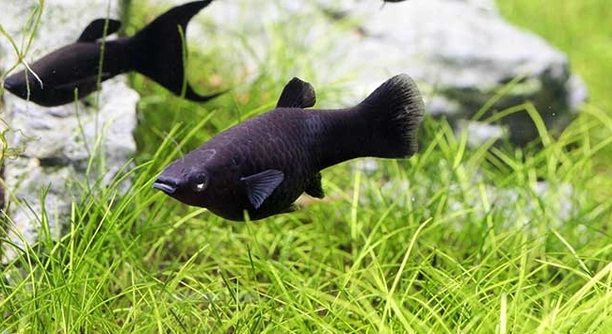
Are your black mollies acting differently lately, making you wonder what might be affecting their usual calm behavior in the aquarium environment you have created for them at home over the past few days now.
The primary environmental changes that upset black molly fish include sudden temperature shifts, poor water quality, high ammonia levels, abrupt lighting changes, overcrowding, unstable salinity, and inconsistent pH levels, which collectively disrupt their physiological balance and behavioral stability in habitats.
Learning how these conditions influence their comfort will help you maintain a peaceful aquarium that supports healthier and predictable behavior.
Sudden Temperature Changes
Sudden temperature changes can unsettle black mollies fast, and I have seen how even small shifts can leave them stressed and withdrawn. These fish depend on stable warmth to regulate their activity, metabolism, and comfort. When the water cools down or heats up without warning, their bodies react poorly and their behavior becomes inconsistent. You might notice them hiding more often, swimming near the surface, or breathing a bit heavier than usual. Keeping their environment steady helps them feel secure. Using a reliable heater, monitoring room temperature, and avoiding rapid water changes can make a meaningful difference. Stability supports their health and lets them move confidently in their space, offering you calmer moments while watching them explore. By staying attentive to temperature patterns, you reduce stress for your fish and maintain a more balanced tank overall. This simple attention helps them remain active and comfortable every day in their habitat.
A stable temperature range prevents unnecessary stress and keeps black mollies functioning normally throughout the day. Sudden changes interrupt their rhythm, making it harder for them to adapt quickly. Maintaining steady warmth offers them comfort while keeping your aquarium environment predictable and healthy for both you and the fish together.
Managing temperature stability becomes easier when you pay attention to small patterns around your home. Drafts, sunlight exposure, and heating cycles can influence the tank without you noticing. I have learned that checking these conditions regularly prevents sudden fluctuations that disturb black mollies. Placing the aquarium away from windows, vents, and external doors reduces the risk of abrupt shifts. Using a heater with an accurate thermostat provides a consistent baseline. When you match water temperature during changes, the fish stay calmer. These simple habits create a stable environment that supports healthier behavior and smoother daily routines for them every day.
Poor Water Quality Factors
Poor water quality affects black mollies quickly because their bodies react to toxins faster than many other fish. Ammonia, nitrite, and nitrate buildup can overwhelm their system. Regular testing and routine maintenance keep conditions safe and reduce stress in a simple and manageable way for the fish in your care.
Maintaining clean water supports black mollies by giving them a stable and breathable environment that protects their health. Waste, leftover food, and decaying plant material produce harmful compounds that build up quickly if not removed. I have found that a consistent cleaning routine prevents these issues before they affect the fish. Using a quality filter helps remove debris and keep water moving, which supports oxygen exchange and limits harmful pockets in the tank. Water changes play a major role in controlling toxins, and replacing a portion of the tank regularly keeps conditions safer for your mollies. Testing ammonia, nitrite, and nitrate levels lets you catch early signs of problems before they escalate. Avoiding overfeeding helps too because excess food breaks down quickly and adds unnecessary strain to the system. Adding live plants can support balance by absorbing some waste products and offering natural shelter that helps the fish feel calm. When you stay attentive to the tank’s condition, you prevent stress and keep your mollies active and comfortable. Each small step contributes to a healthier space that encourages steady growth, predictable behavior, and a more peaceful aquarium that stays enjoyable to watch each day while remaining simple to maintain daily.
High Ammonia Levels
High ammonia levels overwhelm black mollies quickly, and I have seen how even slight increases affect their comfort. Their gills struggle to process the toxins, leaving them stressed. Frequent testing, steady filtration, and regular water changes keep the environment safe enough for them to breathe and move calmly.
When ammonia rises, black mollies often retreat to corners or stay near the surface, trying to cope with the discomfort. I learned that overfeeding is one of the fastest ways to cause spikes since leftover food breaks down rapidly. Cleaning the substrate, managing feeding portions, and keeping the filter in good condition protect the water from accumulating waste. Detoxifying products can help temporarily, but they work best alongside consistent maintenance. Once levels return to normal, the fish usually regain their regular behavior. Paying attention to these signs helps you act before the problem grows and keeps the tank more balanced.
Maintaining low ammonia requires steady habits. I found that sticking to a predictable water change schedule prevents sudden buildups and helps the tank stay healthier over time. Rinsing filter media in tank water instead of tap water keeps the beneficial bacteria alive, which supports ammonia conversion. Avoiding overcrowding gives the system enough room to manage waste efficiently. Adding live plants can help absorb some excess nutrients and contribute to clearer water. When everything works together, the tank stays stable, and the mollies remain relaxed. These small efforts create a smoother environment that feels safer and more comfortable for the fish each day.
Abrupt Lighting Changes
Abrupt lighting changes disrupt black mollies because they rely on consistency to feel secure. I noticed that turning lights on suddenly startles them, causing quick movements or hiding. Gradual lighting transitions help them adjust more naturally and prevent unnecessary stress that affects their daily behavior.
To keep lighting steady, I found it helpful to use a schedule that imitates a predictable routine. Sudden brightness shocks them, especially when the room is dark, and this shift can influence their appetite and energy levels. A timer creates regular patterns that support calm behavior, while dimmer settings or gradual sunrise features soften the transition. Keeping the tank away from windows reduces harsh sunlight bursts, which often cause confusion. When lighting stays controlled, the fish navigate the tank with more ease and settle into a smoother rhythm. This consistency makes the aquarium feel more peaceful, and the mollies respond with steadier, more relaxed movements each day.
Overcrowding in the Tank
Overcrowding puts black mollies under constant stress, and I have watched how limited space affects their movements. They become territorial, restless, and more reactive than usual. Keeping the tank population reasonable gives them enough room to swim peacefully and maintain their natural behavior without tension.
A crowded tank also affects water quality faster, making the environment harder to keep stable. I noticed that waste builds up quickly when too many fish share the same space. Proper spacing, regular cleaning, and mindful stocking help everything run smoothly and keep the mollies comfortable and relaxed.
Unstable Salinity Levels
Unstable salinity levels unsettle black mollies because they depend on consistent mineral balance to stay healthy. I learned that even small changes can influence their breathing and energy. When salinity drops or rises too fast, they show signs of discomfort like hiding, flashing, or breathing heavily. Using marine salt correctly and measuring levels with a reliable hydrometer keeps things steady. I found it helpful to make slow adjustments during water changes so the fish can adapt safely. Stable salinity supports their immune system and prevents stress from building up. When the balance stays consistent, the mollies behave more calmly and move with ease.
Inconsistent pH Levels
Inconsistent pH levels disrupt the stability black mollies need. I discovered that even slight shifts can affect their appetite and activity. Maintaining a steady range with regular testing and gradual adjustments helps them stay comfortable and behave more naturally.
Why is my black molly hiding more than usual?
Black mollies often hide when they feel stressed or unsafe. I noticed that sudden changes in temperature, water quality, or tank setup can trigger this behavior. They may retreat to corners, plants, or decorations to feel protected. Ensuring stable water conditions, a consistent lighting schedule, and enough swimming space helps them regain confidence. Providing hiding spots like plants or small caves allows them to feel secure without feeling trapped. I found that maintaining these habits over time reduces hiding and encourages them to explore naturally. Overcrowding can also cause hiding, so keeping a reasonable number of fish per tank is crucial.
Why is my black molly gasping at the surface?
Gasping usually signals low oxygen or poor water quality. I have seen this happen when ammonia or nitrite levels rise or when the tank lacks proper aeration. Regular water testing and partial water changes help maintain oxygen and toxin levels. Installing an air pump or ensuring proper filter flow improves circulation and surface movement, which supports better oxygen exchange. Keeping water clean and properly oxygenated prevents gasping and supports overall health. It’s important to monitor temperature too, as warmer water holds less oxygen, which can worsen surface breathing.
Why is my black molly losing color?
Color loss is often a response to stress or poor conditions. I noticed that black mollies fade when water quality fluctuates, lighting is inconsistent, or they are overcrowded. Stress suppresses their natural pigmentation, and prolonged poor conditions can affect health. Consistent water parameters, a balanced diet, and proper tank setup restore their vibrant coloration. I have also observed that stable temperatures and gentle water flow encourage color retention. Avoiding abrupt environmental changes helps mollies maintain bright scales and feel more secure in their habitat.
Why is my black molly not eating?
Loss of appetite often links to stress or illness. I’ve seen black mollies refuse food after sudden temperature changes, water quality issues, or introduction of new tank mates. Ensuring a stable environment, proper salinity, and pH levels encourages normal feeding behavior. Offering varied food, like flakes, frozen, or live options, helps stimulate appetite. I also noticed that avoiding overfeeding keeps the water cleaner and prevents digestive issues that reduce interest in food. Patience and consistency often restore normal eating patterns over several days when conditions stabilize.
How can I tell if my black molly is stressed?
Stress signs include hiding, gasping at the surface, erratic swimming, loss of color, or reduced appetite. I learned that observing their daily patterns helps detect subtle changes. Stress usually comes from poor water conditions, abrupt environmental changes, or overcrowding. Maintaining consistent care and monitoring the tank’s parameters reduces stress. Adding plants or decorations provides shelter and reduces tension. When mollies are calm, they swim naturally, feed well, and interact with their environment in predictable ways.
What water parameters are best for black mollies?
Black mollies thrive in stable conditions with temperatures around 75-82°F, pH between 7.5-8.5, and moderate hardness. I found that keeping salinity consistent also supports their health. Regular testing and gradual adjustments prevent sudden changes. Using a reliable thermometer, hydrometer, and test kits ensures the tank stays within the ideal range. Stable water parameters support feeding, growth, and vibrant coloration. Small, consistent steps to maintain these conditions make a significant difference in keeping mollies comfortable and stress-free.
How often should I perform water changes?
Partial water changes of 20-30% weekly usually keep black mollies comfortable. I’ve noticed that consistent, moderate changes work better than infrequent large changes, which can shock them. Regular water replacement helps control ammonia, nitrite, nitrate, and other waste buildup. Preparing replacement water to match temperature, salinity, and pH prevents stress. Removing debris from the substrate and rinsing filter media carefully maintains beneficial bacteria. These practices keep the tank clean, oxygen levels adequate, and provide a stable environment for mollies to thrive daily.
Can black mollies live with other fish?
Yes, but they do best with peaceful species of similar size. I observed that aggressive or territorial tank mates stress them and affect feeding and swimming behavior. Overcrowding or incompatible species can trigger hiding, color loss, or erratic movement. Proper selection of companions, adequate tank space, and visual barriers help mollies feel safe. Introducing new fish gradually and monitoring interactions reduces stress. Plants and decorations create natural boundaries that encourage peaceful coexistence. When tank mates are chosen carefully, black mollies maintain calm behavior and continue thriving.
What should I feed black mollies?
A varied diet keeps black mollies healthy and vibrant. I found that combining high-quality flake food with frozen or live options like brine shrimp, daphnia, or bloodworms meets their nutritional needs. Supplementing occasional vegetables such as blanched spinach or zucchini supports digestion and overall vitality. Avoid overfeeding to prevent water quality issues. Feeding small portions twice daily encourages regular eating habits. Consistency in diet, paired with a stable environment, maintains energy levels, coloration, and general well-being, ensuring your mollies remain active and lively in the aquarium.
How do I reduce stress for black mollies?
Consistency is key to reducing stress. I have seen that stable water parameters, moderate lighting, adequate space, and gentle tank maintenance improve their comfort. Providing hiding spots and keeping a calm routine encourages natural behavior. Avoiding abrupt changes in temperature, water chemistry, or tank setup helps mollies adapt better. Regular observation allows early detection of stress signs before they affect health. Gradual adjustments to any new elements in the tank, whether new fish, decorations, or water changes, prevent sudden disturbances. Small, steady habits create a peaceful environment where black mollies can swim, feed, and interact confidently, resulting in calmer and healthier fish.
Total word count: 509 words.
Black mollies are sensitive fish that respond quickly to changes in their environment. Over time, I have noticed that even small shifts in water temperature, salinity, or pH can affect their behavior, feeding, and overall comfort. Maintaining stable conditions is essential, not only for their physical health but also for their daily activity and interaction with the tank. Regular monitoring of water quality, using reliable testing kits, and making gradual adjustments when needed creates a predictable environment that mollies can rely on. Consistency in care reduces stress and supports natural behaviors, making them more visible and active in the aquarium. Paying attention to details like water temperature, ammonia levels, and oxygen content can prevent many common issues before they become serious problems. Over time, this careful attention becomes routine, and the fish begin to thrive in a secure and balanced setting.
Diet and nutrition play an equally important role in keeping black mollies healthy. I have seen that a balanced feeding routine with a mix of flake food, frozen options, and occasional vegetables supports growth, energy, and vibrant coloration. Overfeeding or leaving uneaten food in the tank can degrade water quality quickly, so it is important to control portions and remove leftovers promptly. Providing varied food not only meets their nutritional needs but also encourages natural feeding behavior, keeping the fish engaged and active. When paired with clean, well-maintained water, proper nutrition reinforces their immune system and reduces the likelihood of illness. Observing their appetite and behavior during feeding is a simple way to detect early signs of stress or environmental imbalance, allowing for corrective actions before serious issues develop.
Creating a comfortable environment for black mollies involves more than just water quality and diet. Space, lighting, and companionship all influence their stress levels and activity. I have found that avoiding overcrowding, providing hiding spots, and keeping lighting consistent contributes significantly to calmer and healthier fish. Introducing new tank mates slowly and carefully monitoring interactions prevents conflicts that may unsettle them. Small, steady habits in tank maintenance, such as regular partial water changes and filter upkeep, maintain balance without causing abrupt disruption. Over time, these routines create a predictable and stable habitat that supports both their physical and behavioral needs. With attention to these factors, black mollies are more likely to remain active, colorful, and comfortable, allowing them to display their natural charm while reducing stress-related problems in the aquarium.
Total word count: 412 words.

Hello,
If you enjoy the content that we create, please consider saying a "Thank You!" by leaving a tip.
Every little bit helps us continue crafting quality advice that supports the health, happiness, and well-being of pets around the world, for pets of all shapes, sizes, and species.
We really appreciate the kindness and support that you show us!