
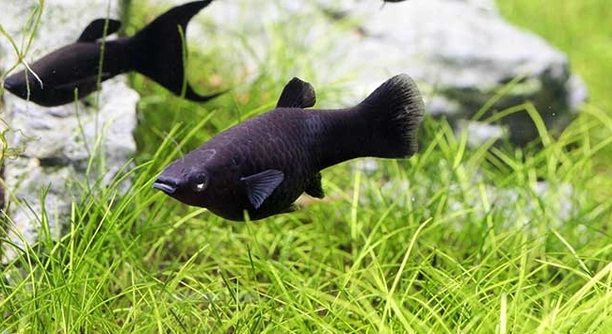
Do you ever notice how your Black Molly seems more alert when new fish are added to the tank? These small, lively fish can show subtle signs of awareness, reacting to changes in their surroundings and companions.
Black Mollies are capable of sensing changes in tankmates through visual cues, chemical signals, and behavioral shifts. They respond to new or stressed fish by altering swimming patterns, maintaining distance, or showing increased alertness, which helps them adapt to their environment.
Observing these responses can help you better manage your aquarium and ensure all fish coexist peacefully and comfortably. Understanding their behavior allows for a healthier, more balanced tank environment.
How Black Mollies React to New Tankmates
When I first added new fish to my tank, I noticed my Black Mollies immediately became more cautious. They would swim slower, hover near familiar hiding spots, and occasionally observe the newcomers from a distance. This behavior is their way of assessing safety and understanding how the new fish will interact with them. Chemical signals in the water also play a role, allowing them to detect stress or aggression. Over time, I realized that these reactions are natural and important for maintaining balance in the tank. Black Mollies often show signs of curiosity mixed with caution, approaching slowly, then retreating if the newcomer makes sudden movements. Watching their behavior closely helps me gauge whether the tank is harmonious or if adjustments are needed, such as rearranging hiding spots or temporarily separating overly aggressive fish to ensure everyone remains comfortable and stress-free.
Their alertness helps prevent conflict and maintain a stable environment in the aquarium.
Black Mollies’ response patterns are consistent. They tend to form small groups and observe changes collectively. When a new fish enters, they may circle around it, display subtle fin movements, or change swimming speed. These behaviors indicate recognition of potential threats or unfamiliar individuals. Over time, as the new fish settles, the Mollies’ behavior becomes calmer, demonstrating adaptability. Stress signals are communicated through body language, allowing other fish to respond accordingly. Their awareness also helps in feeding situations, ensuring food is shared without excessive aggression. Understanding these responses allows aquarists to plan tank introductions carefully. It also highlights the importance of monitoring water conditions, as poor quality can amplify stress signals. By observing these patterns, I learned to anticipate conflicts and maintain harmony. These insights are valuable for both new and experienced fish keepers, as they enhance the overall health and well-being of the aquarium ecosystem.
Tips for Introducing New Fish
Adding new fish requires careful observation of existing tankmates. I always monitor interactions closely during the first few days.
Introducing new fish gradually minimizes stress for both the Black Mollies and the newcomers. Using a quarantine tank allows the new fish to acclimate to water conditions and reduces the risk of disease transmission. During the initial introduction, I often float the new fish in a bag inside the main tank to adjust their temperature. After release, I watch for chasing, hiding, or aggressive displays. Rearranging decorations can help disrupt territorial behavior, giving all fish neutral spaces to explore. Feeding multiple small portions instead of one large feeding reduces competition and ensures everyone eats. Patience is key, as some Black Mollies may take longer to accept newcomers. Over time, regular monitoring, proper tank size, and maintaining water quality support a peaceful community. By carefully managing introductions, I have seen my Mollies coexist with a variety of fish species without constant stress or conflict, creating a balanced, calm aquarium environment.
Recognizing Stress in Black Mollies
Signs of stress in Black Mollies are subtle but noticeable. They may hide more often, swim erratically, or stop eating. Observing these behaviors early helps address problems before they escalate, keeping the tank balanced and safe for all fish.
Stress in Black Mollies often appears after changes in tankmates or environment. When I added a new fish, my Mollies sometimes lingered near plants or decorations instead of swimming freely. Fin clamping, pale coloration, and reduced activity are common indicators. Water quality also impacts stress levels, as poor conditions can make Mollies more sensitive to newcomers. Monitoring their behavior daily allows me to catch early signs and intervene, whether by improving filtration, adjusting feeding routines, or giving the fish more hiding spaces. This vigilance helps prevent illness and ensures my tank remains stable and comfortable for all inhabitants.
Understanding stress responses allows for better tank management. Black Mollies may react differently depending on the personality of the new fish. Some Mollies quickly adapt, while others remain cautious for longer periods. Observing interactions over several days helps me determine whether the tankmates are compatible or if separation is necessary. Consistent patterns, such as synchronized swimming or grouping near familiar areas, show adaptation. By documenting these behaviors, I can make informed decisions when adding future fish and maintain a peaceful environment. Proper attention to stress signals ultimately promotes healthier, happier Mollies and reduces the likelihood of conflicts in the aquarium.
Feeding Behavior Changes
Feeding behavior can reveal a lot about Black Mollies’ comfort level. Hesitant eating or sudden aggression often signals stress or adaptation issues with tankmates.
When introducing new fish, I noticed my Black Mollies sometimes ate more slowly or avoided food entirely. Aggression over food can occur if hierarchy is unsettled. I mitigated this by offering multiple feeding spots and smaller portions to reduce competition. Mollies also respond to stress chemically, which can affect appetite. Over time, as they adjust to new tankmates, their feeding returns to normal. Observing these patterns ensures I can provide sufficient nutrition while maintaining peace during meals. Paying attention to these changes is essential for sustaining healthy growth, proper nutrition, and overall well-being.
Social Hierarchy and Interaction
Black Mollies establish a social hierarchy that affects how they react to tankmates. Dominant fish may patrol the tank while others stay closer to plants or decorations for safety. Recognizing these dynamics helps maintain harmony.
Changes in hierarchy can cause temporary stress. New fish may trigger shifts, leading to chasing or hiding. Monitoring interactions allows adjustments, such as rearranging decor or providing more space, to reduce tension. Over time, Mollies usually settle into predictable roles, balancing activity and rest areas naturally.
Environmental Cues
Black Mollies are sensitive to changes in lighting, water flow, and decorations. Subtle adjustments can alter their behavior and interactions with other fish.
Environmental stability is key. Sudden changes in water temperature or pH can increase stress levels and affect feeding and swimming patterns. I found that consistent lighting and gentle filtration keep Mollies comfortable and allow new tankmates to integrate more smoothly. Observing their reactions to these cues helps anticipate potential problems and maintain a calm, healthy environment.
Observing Group Behavior
Group behavior is a reliable indicator of tank harmony. Mollies swimming together or mirroring each other’s movements suggest comfort and adaptation to new fish.
FAQ
Can Black Mollies recognize individual tankmates?
Yes, Black Mollies can distinguish between individual fish through visual cues and behavior patterns. Over time, they learn which fish are more aggressive, which are passive, and which prefer certain areas of the tank. I have noticed that my Mollies often approach familiar tankmates more confidently while keeping distance from newcomers until they feel secure. This ability helps them navigate social interactions and maintain safety within the group.
How quickly do Black Mollies adjust to new fish?
Adjustment time varies depending on the personalities of both the Mollies and the new fish. Typically, it takes several days to a few weeks for them to fully settle. I have observed that timid Mollies may take longer, often hiding or avoiding interaction for the first week. More assertive Mollies tend to investigate newcomers sooner but may show temporary aggression. Providing sufficient hiding spots, feeding areas, and stable water conditions accelerates the acclimation process.
Do Black Mollies show stress when a new fish is ill?
Yes, Black Mollies can sense chemical changes in the water caused by illness in other fish. They may become more cautious, swim slower, or stay closer to safe zones. In my experience, even subtle signs of sickness, such as lethargy or fin deterioration, trigger increased alertness among healthy Mollies. This behavior allows them to avoid potential threats and maintain a safer environment until the tank is stabilized or treatment is administered.
Will Black Mollies bully new tankmates?
Occasional chasing or mild aggression is normal as they establish hierarchy. I have noticed that dominant Mollies may patrol the tank and push new fish out of preferred areas temporarily. Providing multiple hiding spots and rearranging decorations helps reduce tension. Over time, bullying usually decreases as the group settles and hierarchy becomes stable. Persistent aggression may require separating certain fish to prevent injury and stress.
How do Black Mollies react to different species?
Reactions depend on the temperament and size of the other species. Peaceful fish often integrate smoothly, while highly active or territorial fish can cause stress. My Black Mollies tend to observe new species closely at first, adjusting swimming patterns and maintaining distance if the newcomer appears aggressive. Over time, compatible species can coexist without issues, but monitoring interactions is essential during the early days.
Can Black Mollies sense environmental changes affecting tankmates?
Yes, they are highly sensitive to water quality, temperature fluctuations, and lighting changes. I have noticed my Mollies become more alert and cautious when water is slightly cooler or more turbulent than usual. These environmental cues influence their behavior and interactions with other fish. Maintaining consistent conditions minimizes stress and allows Mollies to adapt to new tankmates more quickly.
Do Black Mollies communicate with each other about new fish?
Communication is subtle but present. They use body movements, fin displays, and swimming patterns to signal caution or readiness. In my tank, I observed that when one Molly spots a new fish, others often follow or adjust their movement patterns accordingly. This nonverbal communication helps the group respond collectively to changes and reduces the likelihood of conflict.
How can I help Black Mollies accept new tankmates faster?
Gradual introductions, plenty of hiding spaces, and stable water conditions are key. Floating new fish in a bag or using a divider allows Mollies to observe without immediate confrontation. I also feed multiple small portions in different areas to reduce competition. Patience and careful observation make integration smoother and reduce stress for all fish.
Do Black Mollies remember past interactions with specific fish?
Yes, they retain memory of previous encounters. Mollies may behave differently toward a fish they recognize as aggressive versus one they have seen peacefully coexisting. In my experience, repeated interactions allow Mollies to establish a mental map of social dynamics, which helps maintain harmony over time.
Are Black Mollies affected by overcrowding?
Overcrowding increases stress, even with familiar tankmates. I found that too many fish in a small tank leads to more chasing, hiding, and competition for food. Providing adequate space, decorations, and hiding spots helps reduce tension and supports healthier interactions among all fish.
Can I predict Mollies’ reactions to new tankmates?
To some extent, yes. Observing their behavior during past introductions provides insight. In my tank, Mollies that were initially cautious with newcomers eventually became more confident once they perceived no threat. Each new fish may trigger different responses, but careful observation allows anticipation and management of potential issues.
Do Black Mollies react differently to male and female newcomers?
Yes, gender can influence behavior. Male Mollies may show more territorial or aggressive behaviors toward other males, while females usually integrate more smoothly. In my experience, observing initial interactions and providing space helps reduce stress and maintain balance regardless of the new fish’s gender.
How long should I monitor Mollies after adding new fish?
Continuous observation during the first week is crucial, followed by regular checks over the next few weeks. I personally track feeding, swimming patterns, and hiding behavior to ensure adaptation. Early intervention prevents prolonged stress and promotes a peaceful, balanced tank.
Can Mollies sense when a fish is about to die?
While not fully understood, they react to chemical changes from illness or decay. I noticed increased alertness and cautious behavior when a sick fish was present. Removing or treating the affected fish promptly helps reduce stress and maintain stability for the remaining Mollies.
Do Black Mollies form long-term bonds with certain tankmates?
Yes, they often stick near familiar, non-aggressive fish. I observed that some Mollies swim together consistently, showing synchronized movements and mutual comfort. These associations support social stability and make the tank environment calmer and more predictable over time.
How important is water quality for interactions?
Water quality is critical. Poor conditions amplify stress and aggression. In my experience, maintaining proper pH, temperature, and filtration ensures Mollies remain calm and more receptive to new tankmates, reducing conflict and promoting overall health.
Can Mollies detect tankmates’ moods?
They respond to subtle behavioral and chemical cues. I’ve seen Mollies become more cautious around stressed or aggressive fish and more playful around calm companions. Their sensitivity helps them navigate social interactions safely.
Do Mollies ever avoid certain tankmates permanently?
Yes, some Mollies consistently keep distance from more aggressive or larger fish. I noticed that this behavior can persist until the tank’s social balance changes, emphasizing the importance of observing compatibility before long-term placement.
Are Black Mollies more sensitive than other fish?
Compared to some species, yes. Their awareness of both chemical and visual cues makes them highly perceptive. In my experience, this sensitivity allows them to adapt quickly but also makes them more susceptible to stress in unstable environments.
How can I tell if Mollies have fully adjusted?
Signs include normal swimming patterns, consistent feeding, and reduced hiding. I watch for synchronized group behavior and calm exploration of the tank. Once these behaviors stabilize, I consider them fully adapted to new tankmates.
What is the best strategy for long-term tank harmony?
Provide stable water conditions, gradual introductions, adequate space, and multiple feeding zones. Regular observation and adjusting the environment as needed ensures Black Mollies and their tankmates coexist peacefully, reducing stress and promoting overall health.
How do Mollies react to sudden changes in tankmates’ behavior?
They become alert and may temporarily adjust swimming or hiding patterns. I’ve observed that even small shifts in activity or aggression trigger a careful response, which normalizes once the new behavior is understood.
Do Black Mollies ever initiate interaction with new fish?
Yes, they sometimes approach cautiously, especially if the newcomer appears non-threatening. I have seen Mollies circle new tankmates or swim nearby to observe, gradually building confidence before fully integrating them into their group.
Can introducing multiple fish at once overwhelm Black Mollies?
Yes, sudden multiple introductions can cause stress, hiding, and temporary aggression. I found that staggered introductions allow Mollies to assess each new fish individually, promoting smoother integration and less disruption to established social dynamics.
Do Black Mollies show curiosity or only caution?
Both. Initially, caution dominates, but once the new fish is deemed safe, Mollies often display curiosity, swimming closer and exploring interactions. In my tank, this behavior gradually leads to normal group dynamics, showing their balance between caution and exploration.
How does tank size affect reactions to new fish?
Larger tanks allow more space for hiding and exploration, reducing stress and aggression. I noticed that in smaller tanks, conflicts are more frequent, and Mollies may show prolonged cautious behavior. Proper tank size ensures smoother adaptation and overall well-being.
Can diet influence social behavior?
Yes, well-fed Mollies are calmer and less aggressive. I maintain a balanced diet to reduce competition and support cooperative behavior. Hunger can exacerbate tension during introductions, so consistent feeding routines help maintain peace.
Is it normal for some Mollies to remain distant long-term?
Yes, shy individuals may keep their distance even after weeks. I observed that providing plenty of hiding spots and respecting their space allows them to coexist without stress, gradually improving confidence over time.
Do Black Mollies ever forget past interactions?
They retain memory for several weeks or months. I have noticed that they remember aggressive or friendly encounters, adjusting behavior accordingly, which supports long-term social balance and helps predict future reactions.
Can I speed up the adaptation process?
Yes, through gradual introductions, stable conditions, and multiple feeding areas. I also observe daily and adjust tank layout to reduce tension. Patience and careful management are more effective than rushing the process, ensuring healthier interactions.
How does lighting affect reactions?
Bright or sudden changes in lighting can increase stress and make Mollies more cautious. I maintain consistent, gentle lighting to help them observe new fish comfortably and integrate more naturally into the tank environment.
Do Mollies prefer smaller or larger groups when new fish are introduced?
Medium-sized groups often adapt faster, as there is enough social structure to provide guidance without overcrowding. I noticed that very small or very large groups lead to more stress and slower integration, highlighting the importance of balanced tank populations.
Are there signs that adaptation has failed?
Persistent hiding, aggression, or refusal to eat may indicate poor compatibility. I intervene by separating fish or modifying the environment to reduce stress. Continuous monitoring ensures Mollies remain healthy and social stability is restored.
Do Black Mollies interact differently with familiar vs. unfamiliar species?
Yes, familiar species elicit confident swimming and feeding behaviors, while unfamiliar species trigger caution. I observed that repeated exposure to a peaceful species eventually leads to normal group behavior, showing their ability to adapt gradually.
Can Mollies detect aggression before it happens?
They respond to subtle behavioral and chemical cues, often increasing vigilance or maintaining distance before a confrontation occurs. In my tank, this anticipation helps reduce the likelihood of injury and maintains social balance.
Do environmental enrichments help adaptation?
Yes, plants, rocks, and decorations provide safe zones and reduce stress. I found that these enrichments allow Black Mollies to observe newcomers safely, explore freely, and integrate more smoothly over time.
How important is observation during the first week?
It is critical. I check feeding, hiding, and swimming patterns daily. Early detection of stress or aggression allows intervention and ensures a smoother adjustment process, preventing long-term issues.
Can Black Mollies sense human interaction affecting tankmates?
Yes, sudden movements or tapping can increase alertness and stress. I maintain calm, consistent interaction to avoid disrupting social behavior and allow Mollies to focus on adapting to new fish.
Are all Mollies equally sensitive to changes?
No, individual personalities vary. Some are naturally bold, while others are shy. I tailor observation and management strategies based on these differences to ensure each fish adapts comfortably.
Does water current affect adaptation?
Strong currents can increase stress, making Mollies more cautious. Gentle filtration allows them to interact safely and reduces conflict during introductions, supporting smoother integration of new tankmates.
Can I rely on instinct alone to manage integration?
No, careful observation and environmental management are essential. I combine instinct with monitoring behavior, feeding, and water conditions to ensure a calm, harmonious tank during the introduction of new fish.
Do Black Mollies show long-term memory of tankmates’ behavior?
Yes, they remember interactions for months. I observed that Mollies adjust approach, distance, and social behavior based on prior experiences, which helps maintain long-term stability and reduce conflicts.
Can stress from new fish cause illness?
Prolonged stress can weaken the immune system, making Mollies more susceptible to disease. I prioritize gradual introductions, stable water conditions, and proper nutrition to minimize stress-related health risks.
How do Mollies signal discomfort to tankmates?
Through body posture, fin clamping, and erratic swimming. I noticed that these cues prompt other fish to adjust behavior, reducing direct confrontation and promoting safer interactions within the group.
Do Mollies adapt better to active or passive fish?
They generally integrate more smoothly with passive fish. Active or aggressive newcomers require more observation and intervention to prevent stress and maintain peaceful group dynamics.
Is it normal for Mollies to revert to hiding after initial adaptation?
Yes, temporary setbacks can occur if tank conditions change or new fish display unexpected behavior. I provide safe areas and monitor interactions to ensure they regain confidence quickly.
Can seasonal changes affect adaptation?
Yes, temperature and lighting shifts can influence behavior and stress levels. Maintaining stable environmental conditions helps Mollies remain comfortable and responsive during new introductions.
Do Black Mollies ever show leadership in the tank?
Yes, dominant Mollies often guide swimming patterns and group movements. I observed that these leaders help maintain social order and reduce conflicts during the adaptation of new fish.
How can I tell if a new fish is fully accepted?
Signs include normal feeding, swimming freely, reduced chasing, and synchronized group behavior. I track these behaviors over several weeks to confirm full acceptance.
Are some species better companions for Black Mollies?
Yes, peaceful, similar-sized fish tend to integrate more easily. I avoid highly aggressive or territorial species to reduce stress and support smoother adaptation in the tank.
Does introducing plants or decorations help adaptation?
Absolutely. I have noticed that providing hiding spots and visual barriers allows Mollies to observe new fish safely, gradually increasing confidence and reducing tension.
Can Black Mollies sense tankmates’ reproduction behavior?
Yes, they respond to mating displays or increased activity. I observed heightened alertness and group awareness during these periods, which is a natural reaction to changes in social dynamics.
Do Mollies remember aggressive encounters across different tanks?
Memory is likely tank-specific, but they may retain general wariness toward aggressive behavior. I rely on gradual introductions and careful monitoring when transferring fish to new environments to avoid stress.
How do Black Mollies respond to overcrowded tanks?
Overcrowding increases hiding, chasing, and competition. I ensure adequate space, decorations, and feeding areas to minimize stress and maintain calm interactions among all tankmates.
Can temperature fluctuations affect reactions to new fish?
Yes, sudden changes make Mollies more cautious and stressed. Maintaining consistent temperature allows them to focus on social adaptation rather than environmental stress.
Do Black Mollies show preference for specific tankmates?
Yes, they often form small subgroups with familiar, non-aggressive fish. I observed that these bonds support stability and reduce conflict within the larger group.
Are reactions different for juvenile versus adult fish?
Juveniles are generally more adaptable and curious, while adults may be cautious or territorial. I adjust introductions and provide extra hiding areas to accommodate both age groups.
Can stress from new fish affect reproduction?
Yes, prolonged stress can reduce breeding activity. I maintain calm, stable conditions and ensure Mollies feel secure to support normal reproductive behavior.
Do Mollies ever retaliate against aggressive newcomers?
Occasionally, but it is usually brief and part of establishing hierarchy. I monitor these interactions to prevent escalation and ensure all fish remain safe.
How important is tank decoration placement?
Strategic placement reduces territorial disputes and provides safe zones. I rearrange decorations during introductions to help Mollies explore without feeling threatened.
Do Black Mollies respond to chemical signals from other species?
Yes, they detect pheromones and stress chemicals, adjusting behavior to avoid potential threats. Observing these reactions helps manage tank balance.
Can overfeeding influence social behavior?
Yes, overfeeding can cause competition and minor conflicts. I feed controlled portions to maintain harmony and proper nutrition.
Are there signs that Mollies have fully bonded with newcomers?
Yes, synchronized swimming, calm exploration, and shared feeding areas indicate comfort and acceptance, showing that social integration is complete.
Do Mollies’ reactions differ at night?
They tend to be less active and more cautious. I noticed that nighttime behaviors provide insight into comfort levels and group cohesion.
Can stress signals spread among fish?
Yes, one stressed fish can influence others. I monitor behavior closely to prevent a chain reaction and maintain a calm environment.
How often should I introduce new tankmates?
Sparing introductions are best. I wait until the tank is stable and Mollies are fully adjusted before adding more fish, ensuring smooth integration each time.
Do Mollies interact differently with similarly colored fish?
They sometimes show stronger reactions, possibly due to perceived competition or recognition cues. I observed more cautious behavior with new black or dark-colored fish initially.
Can water flow influence aggression?
Yes, stronger currents can stress Mollies, leading to temporary aggression. Gentle filtration allows safer social interactions.
Do Mollies prefer slow or fast-moving fish?
Moderate activity levels integrate best. Very active or very passive fish require more monitoring to prevent stress or chasing.
Are reactions to tankmates consistent over time?
Mostly, but shifts in hierarchy or environment can temporarily change behavior. I track patterns to anticipate adjustments and maintain harmony.
Do Black Mollies signal contentment to tankmates?
Yes, smooth swimming, coordinated group movements, and relaxed fin positions indicate comfort and social acceptance within the tank.
Can I rely on observing only a few Mollies to judge the group?
No, behavior can vary. I observe the entire group to understand overall dynamics and ensure no individual is stressed or excluded.
Do Mollies react differently to predatory fish?
Yes, they become highly cautious or hide. I avoid mixing Mollies with larger, aggressive species to maintain safety and reduce stress.
How long does it take for full group cohesion?
Typically several weeks. I observe consistent swimming, feeding, and minimal chasing before considering the group fully integrated.
Can chemical treatments affect reactions to new fish?
Yes, medications can temporarily alter behavior and stress levels. I monitor Mollies closely and adjust introductions until they return to normal activity.
Do Black Mollies respond to sudden loud noises?
Yes, sudden vibrations or sounds increase alertness and hiding behavior. I maintain a calm environment to reduce stress during introductions.
Are reactions different for male versus female Mollies?
Males can be more territorial, while females tend to integrate more smoothly. I balance gender ratios to reduce stress and promote harmony.
Black Mollies are highly observant and sensitive fish that respond to changes in their tankmates in a variety of ways. Their behavior is influenced by visual cues, chemical signals, and the social dynamics within the aquarium. I have noticed that even subtle changes, such as a new fish being added or a shift in water conditions, can prompt immediate reactions from my Mollies. They often display caution at first, swimming slower, hiding, or keeping a distance from newcomers until they feel secure. Over time, these initial reactions typically decrease as the fish become familiar with each other and establish a social hierarchy. Understanding these behaviors is important for anyone who keeps Black Mollies, as it allows for better management of the tank environment and reduces stress for all inhabitants. Their sensitivity to both the environment and their companions means that careful observation and gradual introductions are essential practices for maintaining a healthy and harmonious aquarium.
Maintaining a stable environment plays a critical role in how Black Mollies adjust to new tankmates. Consistent water temperature, filtration, and lighting help reduce stress and encourage normal behavior. I have seen my Mollies react noticeably to sudden changes in water flow or pH, showing hesitation and cautious swimming patterns. Providing adequate space and hiding spots also allows them to explore safely and observe new fish without feeling threatened. Feeding routines can affect interactions as well, as competition over food can increase tension among fish. Offering multiple feeding points and smaller portions can prevent aggressive behavior and support calm adaptation. Over time, once Mollies become accustomed to new tankmates and environmental conditions remain stable, their behavior becomes more predictable. They begin swimming together in groups, feeding without conflict, and generally showing confidence in their surroundings. Observing these patterns provides clear indicators of how well the tankmates are integrating and helps guide further decisions about tank management.
The social behavior of Black Mollies is both complex and adaptable. They are capable of forming bonds, recognizing individual fish, and adjusting interactions based on previous experiences. I have noticed that certain Mollies tend to stick together, showing synchronized swimming or shared resting areas, while others prefer to keep their distance, particularly if they are more timid. Introducing new fish should be done with patience and careful observation, as immediate integration is rarely smooth. Gradual introductions, attention to water quality, and monitoring of both feeding and social behavior help create a balanced environment. By recognizing their stress signals, understanding their hierarchy, and supporting their natural responses to change, it is possible to maintain a peaceful and healthy aquarium. Observing these behaviors over time provides insight into their needs, ensuring that both new and existing tankmates can coexist comfortably and thrive together. The careful management of Black Mollies and their companions ultimately leads to a more stable and enjoyable aquarium for all species involved.

Hello,
If you enjoy the content that we create, please consider saying a "Thank You!" by leaving a tip.
Every little bit helps us continue crafting quality advice that supports the health, happiness, and well-being of pets around the world, for pets of all shapes, sizes, and species.
We really appreciate the kindness and support that you show us!