
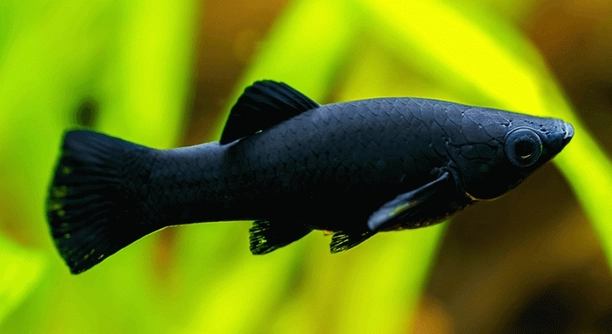
Is your black molly fry always floating with its head pointed upward in the tank? Observing this unusual behavior can be concerning for fish owners. Understanding the cause helps ensure the health and well-being of your tiny aquatic companion.
The primary reason a black molly fry faces upward is often related to swim bladder disorder. This condition affects the fish’s buoyancy, causing it to tilt or float abnormally. Proper water quality, diet, and careful observation are essential for management.
Monitoring your fry closely and adjusting feeding habits can prevent complications. Maintaining clean water and appropriate nutrition supports their natural swimming patterns and overall development.
Understanding Swim Bladder Issues
Swim bladder problems are common in young molly fry. This small organ helps fish control buoyancy, allowing them to swim upright. When it malfunctions, fry may float head-up or sideways, struggle to dive, or drift to the water surface. Factors like overfeeding, poor water quality, or sudden temperature changes can aggravate this condition. Fry are particularly sensitive because their organs are still developing, so even minor stressors can impact their balance. Observing feeding patterns is crucial, as excessive flakes or dry food can swell in the stomach, pressing on the swim bladder. Maintaining a gentle water flow and stable temperature reduces stress, while feeding smaller portions more frequently can prevent sudden digestive strain. If water conditions are poor, ammonia or nitrite levels can weaken the fry’s system, worsening buoyancy problems. Early intervention ensures faster recovery and reduces the risk of long-term swimming issues.
Addressing swim bladder issues early improves survival rates and helps fry maintain normal activity levels.
For persistent problems, providing a varied diet of finely crushed food or live baby brine shrimp can aid digestion. Consistent water monitoring and proper filtration support recovery. Maintaining low-stress conditions is essential for fry growth and overall health, helping them develop balanced swimming habits naturally.
Improving Tank Conditions
Water quality is critical for molly fry health. Clean, stable water reduces stress and supports organ development.
Regular water changes, careful monitoring of pH, temperature, and ammonia, and avoiding overcrowding can significantly reduce stress. Fry are highly sensitive to sudden changes, so gradual adjustments are key. A gentle filter and moderate water flow prevent exhaustion while promoting swimming activity. Proper lighting cycles mimic natural conditions, aiding metabolic processes and digestion. Feeding small amounts prevents leftover food from decaying, which can otherwise compromise water quality. Using a sponge filter or fine mesh helps prevent fry from being sucked into filtration systems. Keeping adult fish separate from fry reduces competition and stress. Consistency in these conditions allows the fry to thrive, recover from minor swim bladder issues, and develop normal swimming behavior. Tracking changes in behavior and growth helps identify problems before they become severe, supporting long-term health. Gradual improvements in water conditions often show noticeable results within days, allowing the fry to regain stability and strength efficiently.
Feeding Adjustments
Overfeeding is a common reason fry float head-up. Small molly fry have tiny stomachs, and too much food can press on the swim bladder. Feeding smaller portions several times a day prevents bloating and supports healthy digestion.
Using finely crushed flakes, powdered fry food, or live baby brine shrimp helps fry eat comfortably. Uneaten food should be removed quickly to prevent water contamination. Observing how the fry swim after eating can indicate if digestion is causing buoyancy issues. Adjusting portion sizes gradually ensures fry get enough nutrition without overloading their small digestive systems, reducing the risk of swim bladder problems.
Feeding live foods like baby brine shrimp occasionally provides essential nutrients and encourages natural swimming activity. A consistent feeding schedule, combined with clean water and portion control, helps fry maintain proper buoyancy. Avoiding sudden diet changes also minimizes stress and prevents digestive disruption, which could worsen upward swimming tendencies. These adjustments can lead to noticeable improvements within a few days, allowing fry to regain normal swimming patterns and develop stronger, healthier bodies.
Monitoring Behavior
Fry behavior can indicate underlying health problems. Constantly facing upward often signals stress, digestive issues, or swim bladder dysfunction. Observing interactions with tank mates and response to feeding provides insights.
Recording behavior over several days helps identify patterns or triggers. Sudden floating episodes may follow overfeeding or rapid temperature changes, while consistent head-up positioning points to persistent swim bladder issues. Noting growth rates, activity levels, and response to water adjustments also supports effective care. Early recognition of abnormal behavior allows prompt adjustments in feeding, tank maintenance, and water conditions, reducing risks of long-term health problems.
Providing a calm, stable environment enhances fry confidence and swimming coordination. Gentle observation, gradual feeding adjustments, and careful water monitoring reduce stress, allowing fry to adapt to their tank conditions. Tracking small improvements helps gauge recovery, while separating fry from aggressive tank mates prevents competition for food and space. Over time, attentive care and consistent monitoring ensure fry develop balanced swimming habits and maintain buoyancy, reducing incidents of upward-facing behavior. This proactive approach supports healthy growth and strengthens overall resilience in the early stages of life.
Tank Temperature
Stable water temperature is crucial for fry health. Sudden fluctuations can stress fry and affect their swim bladder, causing them to float abnormally. Maintaining a consistent temperature within the recommended range supports digestion and overall activity.
Using a reliable heater and thermometer ensures temperature stays steady. Avoid placing tanks near windows or vents that can cause sudden changes. Regular checks prevent stress-related buoyancy issues and help fry develop normal swimming patterns.
Water Quality Maintenance
Regular water changes keep the tank clean and reduce toxins. Ammonia and nitrite spikes can weaken fry, affecting buoyancy. Testing water parameters ensures a safe environment. Filtration and gentle flow help maintain stability without overwhelming small fry.
Separation from Adults
Keeping fry separate from adult mollies prevents competition for food and reduces stress. Adults may unintentionally nip or overshadow fry, impacting feeding and swimming behavior.
Stress Reduction
Minimizing sudden movements, loud noises, or frequent handling reduces stress in fry. A calm, stable environment encourages proper swimming and healthy growth.
FAQ
Why is my black molly fry always facing upward?
This behavior is usually caused by swim bladder issues, which affect buoyancy. Overfeeding, poor water quality, or sudden temperature changes can make the fry float head-up. Monitoring feeding portions and maintaining stable tank conditions can help correct this problem.
How can I adjust my fry’s feeding to prevent buoyancy problems?
Feed smaller portions multiple times a day using finely crushed flakes, powdered fry food, or live baby brine shrimp. Remove uneaten food promptly to avoid water contamination. Observing the fry’s swimming after feeding helps determine if adjustments are needed.
Can water temperature affect swim bladder function?
Yes. Fry are sensitive to temperature changes. Sudden shifts can stress their system and impair swim bladder function. Use a reliable heater and thermometer, and keep the tank away from drafts or direct sunlight to maintain stability.
What water conditions are best for black molly fry?
Stable, clean water with low ammonia and nitrite levels is crucial. Regular water changes, gentle filtration, and moderate flow create a safe environment. pH should be slightly alkaline, around 7.0–7.8, and temperature maintained between 24–28°C (75–82°F) for optimal health.
Should I separate fry from adult mollies?
Yes. Adults may outcompete fry for food or cause stress. Separating fry in a breeding box, partition, or separate tank ensures they can feed properly and swim without interference, supporting healthy growth and development.
Can diet alone fix upward-facing behavior?
Diet adjustments help but may not fully resolve swim bladder issues if water quality or temperature is unstable. A balanced approach addressing feeding, water conditions, and stress reduction is more effective. Occasional live foods like baby brine shrimp improve digestion and stimulate natural swimming.
How long does it take for fry to recover from buoyancy problems?
Recovery depends on the cause. Minor digestive issues may improve within a few days, while persistent swim bladder problems could take a week or more. Consistent care, monitoring, and gradual feeding adjustments speed up recovery and help fry regain proper swimming patterns.
What signs indicate my fry is improving?
Fry swimming upright, responding to food normally, and maintaining stable positions in the tank indicate recovery. Increased activity and consistent growth show that diet, water quality, and stress management are effective. Regular observation is key to ensuring continued progress.
Can stress cause upward-facing swimming?
Yes. Loud noises, rapid movements, or overcrowding can stress fry, affecting buoyancy. Minimizing disturbances and providing a calm, stable environment encourages normal swimming behavior. Avoid frequent handling and maintain consistent tank conditions.
Are there long-term risks if buoyancy issues persist?
Persistent swim bladder or stress-related buoyancy problems can stunt growth and reduce overall health. Long-term problems may make fry more prone to infections, reduce feeding efficiency, and affect development into healthy adult mollies. Proactive care helps prevent lasting effects.
Is live food better than dry food for fry?
Live foods like baby brine shrimp or daphnia improve digestion, stimulate activity, and provide essential nutrients. Dry food is acceptable if finely crushed and given in small portions. A combination of both ensures balanced nutrition and reduces the risk of swim bladder problems.
Can temperature swings be fixed without a heater?
Yes, but it requires careful placement of the tank away from drafts, direct sunlight, and vents. Inconsistent temperatures are hard to manage without a heater, so using one ensures stability, reduces stress, and prevents buoyancy issues in fry.
How often should I test water for fry?
Testing 2–3 times per week is recommended for ammonia, nitrite, nitrate, and pH. Frequent monitoring allows early detection of imbalances that could impact fry health and swimming behavior. Regular checks keep the environment safe and supportive for growth.
What if my fry continues floating despite all adjustments?
Persistent upward-facing may indicate congenital swim bladder issues or other health problems. Isolating affected fry, maintaining perfect water quality, and consulting an experienced aquarist or veterinarian can help manage chronic cases. Early intervention increases chances of improvement.
Can overcrowding cause buoyancy issues?
Yes. Too many fry or tank mates can lead to competition for food, stress, and poor swimming conditions. Maintaining appropriate fry density and separating them from larger or more aggressive fish reduces stress and supports normal swimming behavior.
Is there a way to naturally help fry swim upright?
Providing small, frequent meals, a gentle water flow, stable temperature, and minimal stress encourages natural swimming. Occasional live foods stimulate activity, while careful observation helps identify and correct problems early, supporting proper buoyancy development.
Final Thoughts
Observing a black molly fry constantly facing upward can be unsettling, but it is often manageable with careful attention. The most common reason for this behavior is swim bladder issues, which affect the fry’s ability to control its buoyancy. While these problems may appear serious at first, they are often linked to diet, water conditions, or minor stress factors. Paying attention to feeding habits, tank cleanliness, and water temperature can prevent many buoyancy issues before they start. By addressing these areas consistently, fry can regain proper swimming patterns and develop normally. This approach not only reduces immediate problems but also promotes long-term health and growth, allowing your fry to mature into active, strong adult fish. Small changes in care routines can have a significant impact, and being consistent with these practices ensures that the fry remain healthy and balanced in the tank environment.
Diet plays a crucial role in preventing buoyancy problems in young fry. Overfeeding or providing food that expands in the stomach can press on the swim bladder, making it difficult for the fry to maintain proper orientation in the water. Small, frequent feedings of finely crushed flakes, powdered fry food, or live baby brine shrimp help avoid this issue. Observing how the fry react after feeding is essential. If upward-floating persists, it may indicate a more serious swim bladder problem or other digestive complications. Maintaining clean water while feeding is equally important, as leftover food can decompose and release harmful compounds that stress the fry. A stable environment, combined with careful feeding, significantly increases the likelihood of recovery. Gradual adjustments to both diet and tank conditions often produce noticeable improvement in just a few days.
Environmental stability is just as important as diet when addressing upward-facing behavior. Consistent water temperature, proper filtration, gentle water flow, and separation from adult fish all reduce stress, allowing fry to swim naturally. Sudden temperature changes or poor water quality can exacerbate swim bladder issues, so regular monitoring is necessary. Observing behavior over time provides insight into whether interventions are working. Fry that are active, swim upright, and respond well to feeding show that the care adjustments are effective. Stress reduction, clean water, and proper nutrition work together to support healthy development and minimize the risk of long-term problems. By maintaining these standards consistently, fry can grow into strong, healthy mollies with balanced swimming behavior. A proactive, attentive approach ensures that issues are addressed quickly, improving survival and overall well-being.

Hello,
If you enjoy the content that we create, please consider saying a "Thank You!" by leaving a tip.
Every little bit helps us continue crafting quality advice that supports the health, happiness, and well-being of pets around the world, for pets of all shapes, sizes, and species.
We really appreciate the kindness and support that you show us!