
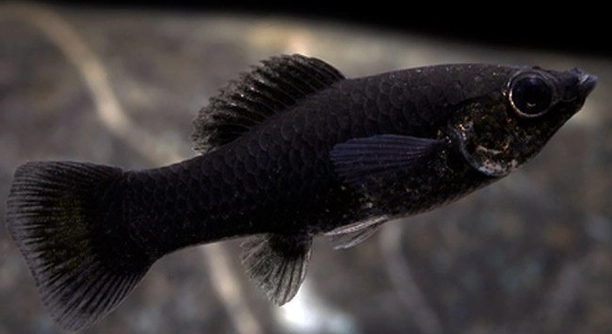
Do you ever notice your black molly fry swimming alone while the rest of the group sticks together? This behavior can feel worrying, especially when you want your fry to grow safely in a harmonious environment.
The primary reason black molly fry separate from the group is related to stress, water conditions, or competition for food. Fry may seek calmer areas when overcrowded, experience aggression from other fry, or struggle with unsuitable water parameters.
Observing these behaviors closely can help you understand their needs and improve conditions for healthier, more social fry.
Stress and Environmental Factors
Black molly fry are very sensitive to changes in their environment. Sudden shifts in temperature, water quality, or pH levels can make them feel unsafe, causing them to separate from the group. Overcrowded tanks add pressure, as fry compete for space and hide to avoid aggressive behavior from older fish or siblings. Even minor changes, like moving decorations or cleaning the tank, can temporarily make fry uneasy. Observing the fry carefully can reveal patterns, such as clustering near certain areas or avoiding the center of the tank. Providing plenty of hiding spots with plants or small ornaments helps reduce stress. Maintaining stable water conditions and avoiding sudden disturbances can encourage fry to swim together naturally. Consistent feeding schedules also play a role, as irregular feeding can increase competition and stress. With attention to their environment, fry are more likely to form cohesive groups and thrive.
Stress in fry is often subtle, but it has a significant effect on their behavior.
Monitoring water temperature, ensuring proper filtration, and reducing overcrowding creates a safe, calm habitat where fry feel comfortable and secure, promoting natural group behavior.
Nutrition and Feeding Patterns
Improper feeding can lead fry to separate from the group, as they search for food independently.
Feeding too little, too much, or inconsistent portions can cause fry to scatter. Some fry are more aggressive eaters and dominate food sources, forcing smaller or weaker fry to hide. Overfeeding can pollute the water, increasing stress and making fry avoid the main group. The size of the food also matters. Fry require finely crushed flakes, powdered food, or specialized fry pellets that are easy to swallow. Observing which fry are feeding and which are avoiding the group helps identify imbalances. Adjusting feeding times and amounts ensures all fry get proper nutrition without increasing competition. Small, frequent meals encourage social behavior, as fry no longer feel pressured to search for scarce food. Maintaining clean water and providing appropriate food improves overall health and reduces separation. Balanced nutrition directly supports growth, immune function, and energy levels, making fry more likely to stay close together. Regular monitoring of feeding patterns helps prevent future issues and supports a stable tank environment.
Tank Size and Overcrowding
Overcrowded tanks force black molly fry to compete for space, hiding spots, and oxygen. Limited swimming areas make fry isolate themselves to reduce stress and avoid aggressive interactions from older fish.
Small tanks with many fry increase competition and lead to uneven growth. When too many fry share a confined space, weaker individuals often separate to avoid being pushed aside during feeding. Providing more room allows fry to explore freely and reduces conflict. A larger tank also helps maintain stable water conditions, as overcrowding can lead to rapid changes in ammonia, nitrite, and nitrate levels. Plants and hiding areas further support natural behavior.
Dividing fry into smaller groups or upgrading to a larger tank helps prevent separation and supports healthier development. Consistent monitoring ensures each fry has enough space to thrive while maintaining social cohesion within the group.
Water Quality and Filtration
Poor water quality creates stress, causing fry to swim away from the group to find safer areas.
High ammonia, nitrite, or nitrate levels are harmful to black molly fry, making them weak or lethargic. Temperature fluctuations and incorrect pH also trigger separation behavior. A reliable filtration system reduces toxins and keeps water clear. Performing regular water changes maintains stability, while testing water parameters ensures a healthy environment. Fry are more likely to group together when the water is clean, oxygenated, and stable.
Gentle filtration is important because strong currents can tire fry, forcing them to hide or swim separately. Balancing water flow with adequate aeration supports natural swimming behavior and reduces stress. Regular observation of fry activity helps identify water-related issues early, allowing adjustments before problems escalate. Proper tank maintenance ensures fry remain healthy, active, and more social. Consistency in water conditions is key to fostering cohesive groups and supporting overall growth.
Aggression Among Fry
Aggressive behavior from older fry or other tankmates can force black molly fry to separate. Smaller fry often hide or swim alone to avoid being nipped or chased.
Providing enough space and hiding spots reduces conflict. Separating highly aggressive individuals can help maintain a calmer tank environment.
Light and Tank Environment
Bright lights or sudden changes in lighting can make fry uneasy, prompting them to isolate themselves. Fry often prefer shaded areas created by plants or decorations.
Arranging the tank with plants, gentle currents, and soft lighting encourages natural swimming patterns. Shaded areas provide security, reducing stress and promoting social interaction among fry.
Monitoring Health
Sick or weak fry tend to separate from the group, signaling potential health issues.
Observing appetite, swimming behavior, and appearance helps detect illness early. Prompt attention prevents disease from spreading and supports overall group cohesion.
FAQ
Why are my black molly fry always hiding?
Fry hide primarily to avoid stress or aggression from other fish. Overcrowding, sudden water changes, or strong currents make them feel unsafe. Providing plants, decorations, and gentle water flow gives them secure spaces where they can rest and gradually join the group.
How often should I feed black molly fry?
Fry need small, frequent meals to grow properly. Feeding two to three times a day with finely crushed flakes, powdered food, or specialized fry pellets ensures they get enough nutrients without overcrowding or polluting the tank. Consistency helps maintain calmer behavior and reduces separation.
Can water temperature affect fry behavior?
Yes, even minor temperature fluctuations can stress fry. They thrive in stable temperatures between 75°F and 80°F. Using a reliable heater and monitoring water with a thermometer prevents sudden drops or spikes that may cause fry to isolate themselves.
Is tank size important for black molly fry?
Tank size is crucial. Overcrowded tanks increase competition for food and space, forcing fry to separate. A minimum of 20 gallons for a sizable group allows free swimming, reduces stress, and supports healthier social interaction. Adding plants and hiding spots further improves comfort.
Why do some fry grow faster than others?
Differences in growth are natural, but competition and nutrition play a role. Faster-growing fry may dominate food, while smaller fry separate to avoid competition. Ensuring all fry get equal access to food and maintaining clean water helps balance growth and reduces isolation.
How do I reduce aggression in my fry tank?
Providing ample space, hiding spots, and regular feeding reduces aggressive encounters. If certain fry are consistently chasing others, separating them temporarily can prevent stress. Avoid overcrowding and monitor interactions to maintain a calm environment.
Can poor water quality make fry separate?
Absolutely. High ammonia, nitrite, nitrate, or incorrect pH stresses fry and encourages them to isolate. Regular water testing, partial water changes, and proper filtration are essential. Clean, stable water supports health, growth, and social behavior.
Should I add more plants to the tank?
Plants provide shelter, reduce stress, and mimic a natural environment. Fry feel safer and are more likely to group when they have shaded areas. Floating plants or dense clusters offer protection while keeping the tank visually open for swimming.
What signs indicate a fry is sick?
Lethargy, loss of appetite, clamped fins, or unusual swimming patterns often signal illness. Sick fry often separate from the group. Observing daily and addressing health issues promptly prevents disease from affecting the entire fry population.
How can I encourage fry to swim together?
Maintaining stable water conditions, feeding consistently, reducing stress, and providing hiding spots encourages fry to interact and swim as a group. Minimizing sudden disturbances and observing behavior helps them feel secure and promotes natural social patterns.
Is filtration important for fry tanks?
Yes, gentle filtration maintains water quality without creating strong currents. Fry are sensitive to polluted water and strong flow. Proper filtration balances oxygenation, reduces toxins, and supports healthy swimming behavior, making fry more likely to stay together.
Can lighting affect fry activity?
Bright or sudden lighting can stress fry, causing separation. Using moderate lighting and providing shaded areas allows fry to move freely while feeling safe. Adjusting lighting gradually after tank changes helps fry adapt without stress.
How long do fry usually start swimming together?
Fry typically begin socializing within a few weeks if water, space, and feeding conditions are suitable. Stress, illness, or poor environment delays group behavior. Regular observation and maintaining ideal tank conditions support natural social development and reduce isolation.
Is separating fry ever necessary?
Sometimes separation helps weaker, sick, or stressed fry recover. Temporary isolation allows targeted feeding, monitoring, or treatment. Once healthy, fry can return to the main group without risking aggression or further stress.
What should I do if fry keep separating despite good conditions?
Check for subtle stressors like minor temperature fluctuations, uneven lighting, or hidden aggression. Observing individual behavior, adjusting tank layout, and maintaining stable water parameters usually resolves ongoing separation issues, helping fry regain natural social patterns.
Black molly fry can be sensitive and easily affected by their environment, and noticing them separate from the group can be worrying. There are many reasons why fry may swim alone, including stress, poor water quality, overcrowding, and nutrition issues. Each of these factors plays a role in how comfortable fry feel in their tank. Stress is one of the most common causes, and it can happen even with minor changes in the tank setup, water temperature, or lighting. Fry are small and delicate, and sudden movements, loud noises, or aggressive tankmates can make them feel unsafe. Providing plants, hiding spots, and gentle currents can help fry feel more secure, encouraging them to stay closer to the group. Maintaining a calm and consistent environment reduces the chances of fry isolating themselves and supports their natural social behavior.
Nutrition is another key factor in why fry may separate from their group. Fry require frequent, small meals of finely crushed flakes, powdered food, or specialized fry pellets to grow properly. If some fry eat faster or more aggressively, smaller fry may swim alone to avoid competition. Overfeeding can also negatively affect water quality, which increases stress and can make fry separate. Consistent feeding schedules help reduce competition and allow all fry to get the nutrients they need. Watching how your fry eat and adjusting feeding routines can make a significant difference in their behavior. Ensuring balanced nutrition not only improves growth but also promotes healthier interactions, as fry are less likely to feel threatened or stressed.
Water quality, tank size, and overall health are equally important in helping fry stay together. Poor water quality, with high levels of ammonia, nitrite, or nitrate, makes fry weak and encourages them to hide or swim alone. Regular water testing, partial water changes, and proper filtration maintain a stable and clean environment. Overcrowding also creates stress and competition for space, which can push weaker fry away from the group. Sick or weak fry naturally separate, signaling a need for care and attention. By observing their behavior and maintaining clean water, appropriate temperature, and enough space, fry are more likely to swim together. Simple adjustments to tank conditions, feeding, and monitoring health create a safer and calmer environment that supports growth, social interaction, and overall well-being. Over time, these practices help your black molly fry thrive as a healthy, active group.

Hello,
If you enjoy the content that we create, please consider saying a "Thank You!" by leaving a tip.
Every little bit helps us continue crafting quality advice that supports the health, happiness, and well-being of pets around the world, for pets of all shapes, sizes, and species.
We really appreciate the kindness and support that you show us!