
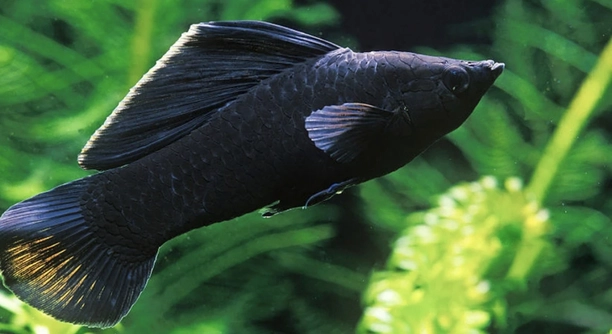
Keeping Black Molly fish healthy requires more than just feeding them. Their tank needs proper care, clean water, and a stable environment. Many hobbyists overlook small daily tasks that can make a big difference in their wellbeing.
Consistent tank maintenance for Black Molly fish improves water quality, reduces disease risk, and supports healthy growth. Regular cleaning, monitoring water parameters, and providing a stable environment ensures the fish thrive and display vibrant colors over time.
Simple daily habits can greatly improve your fish’s life. By learning a few key practices, you can ensure your Black Mollies stay happy and healthy for years.
Regular Water Changes
Changing the water in your Black Molly tank regularly is one of the simplest ways to keep them healthy. I usually change about 25% of the water once a week. It helps remove waste, uneaten food, and harmful chemicals like nitrates that can build up over time. Using a water conditioner is important to remove chlorine and chloramines from tap water. I also make sure the new water is close to the tank temperature to avoid shocking the fish. While it may seem like a small task, skipping water changes can stress the fish and make them more prone to disease. Over time, regular water changes create a stable environment where Black Mollies can swim freely and show their natural colors. Even a small tank can benefit greatly from this habit, and it makes observing your fish much more enjoyable.
Consistent water changes prevent algae overgrowth and maintain cleaner tanks, keeping the fish healthy and active.
By keeping up with regular water changes, you reduce toxins in the tank and ensure a balanced environment. It also helps maintain pH stability, which is crucial for Black Mollies. I’ve noticed that after starting weekly changes, my fish swim more actively and appear brighter in color. It also makes cleaning decorations and checking the filter easier, since the tank is less cluttered with debris. Water changes are not just about removing dirt; they are about creating a living environment that supports growth and wellbeing. Even small steps, like partial water changes, have long-term benefits for the tank ecosystem. For beginners, it may feel like an extra chore, but it quickly becomes part of the routine. Black Mollies are sensitive to sudden changes, so I always monitor the water parameters before and after a change. This simple habit has helped me keep my fish thriving, active, and more resilient to minor illnesses.
Filter Maintenance
A well-maintained filter keeps water clean and reduces harmful bacteria. I check and rinse my filter every two weeks to avoid clogs and keep it efficient.
Cleaning the filter regularly prevents debris from building up and ensures proper water flow. A blocked filter can reduce oxygen levels and affect fish health. I usually remove the sponge or cartridge and rinse it gently in tank water to avoid killing beneficial bacteria. This way, the filter continues to process waste effectively without disrupting the tank’s ecosystem. Filter maintenance also includes checking the motor and ensuring there are no unusual noises, which can indicate a blockage or worn part. Neglecting the filter can quickly lead to cloudy water and stress for the fish. For Black Mollies, clean water is essential to prevent fin rot and other infections. Maintaining the filter alongside water changes provides a stable, healthy environment where the fish can grow and reproduce naturally. It may seem like a small detail, but over time, a clean filter significantly contributes to the overall tank balance and the long-term health of your Black Mollies.
Proper Feeding Schedule
Overfeeding can harm Black Mollies, so I feed them small portions once or twice a day. Removing leftover food prevents water contamination and keeps the tank clean.
I usually give my Black Mollies food that they can finish within two minutes. Overfeeding leads to excess waste, which can spike ammonia and nitrate levels quickly. I also rotate their diet between flakes, pellets, and occasional live or frozen foods. This variety helps them get essential nutrients and keeps them active. Watching them eat helps me notice any changes in appetite or behavior, which can indicate health issues. Feeding small amounts consistently has kept my fish healthy and lively, without clouding the water or stressing the tank’s ecosystem. It’s a small habit, but it makes a noticeable difference in tank maintenance and fish wellbeing.
A proper feeding schedule also supports growth and prevents obesity. Black Mollies that are fed correctly show better coloration, swim actively, and maintain strong fins. I track feeding times and amounts carefully, and I always remove uneaten food after a few minutes. This prevents water quality problems and keeps algae growth in check. Providing a mix of food types ensures they get vitamins, minerals, and protein. Live or frozen foods like brine shrimp or bloodworms are occasional treats that encourage natural hunting behavior. Over time, a controlled feeding schedule reduces disease risk and promotes long-term vitality. Watching my Mollies thrive under this routine reinforces how small, consistent efforts can create a healthier tank environment and happier fish.
Regular Tank Temperature Checks
Maintaining stable water temperature is vital for Black Mollies. I check the heater daily and adjust as needed to keep the tank between 75-80°F.
Sudden temperature changes can stress Black Mollies and make them prone to illness. I use a thermometer to monitor fluctuations and ensure the heater works correctly. Even small drops at night or rises during the day can affect their immune system. I place the heater near the filter to circulate warmth evenly. For extra caution, I also monitor room temperature since windows or drafts can influence the tank. Keeping the water stable has made my fish more energetic and less likely to develop fin rot or other stress-related conditions.
Stable tank temperatures support consistent metabolism and behavior. Black Mollies rely on warm, consistent water to digest food and swim actively. I once noticed sluggish movement when a heater malfunctioned, which resolved immediately after fixing the temperature. Proper temperature management also prevents sudden spawning stress and maintains reproductive health in mature fish. I often adjust the heater slightly during seasonal changes to mimic natural conditions without creating shocks. Regular checks ensure the environment stays predictable, which reduces stress and keeps water chemistry stable. Over time, monitoring temperature has become a quick habit that prevents many common health problems and keeps the Mollies thriving day after day.
Cleaning Decorations and Substrate
I clean tank decorations and substrate regularly to remove algae and debris. I use a soft brush and siphon to avoid disturbing beneficial bacteria.
Regular cleaning prevents waste buildup that can harm water quality. I make it part of my weekly routine to keep the tank looking neat and healthy for my Black Mollies.
Monitoring Water Parameters
Testing water for pH, ammonia, nitrite, and nitrate ensures a stable environment. I record readings weekly and adjust as needed to maintain safe levels. Regular monitoring prevents sudden spikes that could stress or harm my Black Mollies.
Avoiding Overcrowding
Keeping too many fish in one tank stresses Black Mollies and increases disease risk. I maintain a low fish-to-water ratio to ensure enough space and proper oxygen levels.
Providing Hiding Spots
Black Mollies feel safer with plants, caves, or decorations to hide in. I add small decorations to give them shelter and reduce stress in the tank.
How often should I change the water in my Black Molly tank?
I change about 25% of the water every week. This keeps ammonia and nitrate levels low and removes leftover food or waste. Partial water changes are safer than complete changes because they don’t shock the fish. I make sure the new water is treated and close to the tank temperature.
What type of food is best for Black Mollies?
I rotate their diet between high-quality flakes, pellets, and occasional live or frozen foods like brine shrimp. This provides all necessary nutrients and keeps them active. Overfeeding can harm the water quality, so I give small amounts that they finish in two minutes.
How can I prevent diseases in my Black Molly tank?
Keeping the water clean, maintaining proper temperature, and avoiding overcrowding are key. I also monitor water parameters weekly. Sick fish should be isolated immediately. A clean filter and regular substrate cleaning reduce the risk of infections. Healthy feeding habits also improve immunity.
What is the ideal water temperature for Black Mollies?
I keep my tank between 75-80°F. Sudden changes can stress them, so I monitor the heater daily. I also check room temperature since drafts or sunlight can affect the tank. Stable temperature helps with metabolism, activity, and overall health.
How do I maintain the filter without harming beneficial bacteria?
I rinse filter sponges or cartridges gently in tank water, not tap water, to preserve bacteria. This keeps the filter effective while avoiding spikes in ammonia or nitrites. I check for clogs and ensure water flow remains steady, which supports a healthy environment.
How many Black Mollies should I keep in one tank?
I follow a low fish-to-water ratio, usually 1 inch of fish per gallon of water. Overcrowding can stress fish, reduce oxygen, and increase waste. Proper spacing ensures they swim freely and prevents aggressive behavior.
Do Black Mollies need hiding spots in the tank?
Yes, I add plants, caves, and small decorations. Mollies feel safer with shelter, which reduces stress. Hiding spots also give them a place to rest or escape if other fish become too active, improving their overall wellbeing.
How can I tell if my Black Mollies are stressed?
I watch for sluggish swimming, clamped fins, loss of appetite, or sudden color fading. Stress can be caused by poor water quality, overcrowding, or sudden changes in temperature. Addressing these issues quickly helps prevent illness.
Is it necessary to test water parameters regularly?
Yes, I test pH, ammonia, nitrite, and nitrate weekly. Monitoring prevents sudden spikes that could harm the fish. Keeping a log helps me notice trends and adjust care before problems arise. Stable water conditions are essential for Black Mollies to thrive.
How do I clean the tank substrate safely?
I use a siphon to remove debris without disturbing too much of the tank’s ecosystem. Cleaning once a week or when waste builds up keeps water clear and reduces harmful bacteria. This helps maintain a healthy and comfortable environment for my Mollies.
Can Black Mollies live with other fish?
Yes, I keep them with peaceful species that share similar water needs. Avoid aggressive or very small fish that could be nipped. Proper tank mates reduce stress and help maintain harmony in the tank.
What should I do if a fish gets sick?
I isolate the sick fish in a separate tank or container. I check water quality, review feeding habits, and consider treatment if necessary. Early intervention prevents disease from spreading to other Mollies and protects the overall tank health.
How often should decorations be cleaned?
I clean decorations every few weeks or when algae builds up. Using a soft brush and rinsing in tank water is enough. This keeps the tank visually clean and prevents waste from contaminating the water.
Are live plants necessary for Black Mollies?
Not strictly, but I find that live plants improve water quality, provide hiding spots, and reduce stress. They also help maintain oxygen levels. Fake plants work too, but I prefer live ones for a more natural environment.
What is the best way to introduce new Mollies to the tank?
I quarantine new fish for a couple of weeks before adding them. This prevents diseases from spreading and allows the fish to adjust to water conditions gradually. Slowly acclimating them reduces stress and improves survival rates.
How can I encourage natural behavior in Black Mollies?
Providing open swimming areas, hiding spots, and a varied diet encourages active and healthy behavior. I also avoid overcrowding and keep water stable, which makes the fish more confident and vibrant.
Can overfeeding harm Black Mollies?
Yes, excess food can lead to poor water quality and stress. I always remove uneaten food after a few minutes and feed small portions. This keeps the tank cleaner and helps the fish stay healthy and active.
How do I handle sudden water cloudiness?
I check the filter, substrate, and feeding routine. Often, cloudiness is caused by overfeeding or bacterial blooms. Partial water changes and gentle filter cleaning usually resolve the issue quickly. Monitoring parameters prevents long-term problems.
What signs indicate my tank is too small for Mollies?
Crowding, aggressive behavior, or slow growth can indicate a tank is too small. I make sure there is enough space per fish to swim freely and maintain proper water quality. Expanding the tank or reducing fish numbers helps.
How important is tank lighting for Black Mollies?
Moderate lighting supports plant growth and displays their natural colors. I keep lights on for 8-10 hours daily. Too much light can encourage algae, while too little reduces activity and color vibrancy.
Caring for Black Mollies may seem complicated at first, but it is really about consistency and paying attention to small details. Daily and weekly tasks, such as feeding the right amount, checking the water temperature, and monitoring the filter, all add up to a healthier environment for the fish. Over time, these routines become natural, and it feels less like a chore. I have noticed that once these habits are in place, the tank is cleaner, the fish are more active, and the overall maintenance becomes easier. Consistency helps prevent common problems such as stress, disease, or water quality issues, which can quickly affect the wellbeing of Black Mollies if left unchecked. Even simple habits, like observing the fish while feeding or checking for unusual behavior, can alert you to issues early, making care much less stressful for both the fish and the keeper.
Maintaining a stable tank environment is one of the most important aspects of keeping Black Mollies healthy. Temperature stability, proper water chemistry, and avoiding overcrowding all contribute to their wellbeing. I learned that even small fluctuations in pH or temperature can stress the fish, which makes them more prone to illness. By monitoring these factors regularly, I can make small adjustments before any serious problems occur. Adding hiding spots and live plants helps reduce stress, creating a more natural and comfortable habitat. These additions do not require much effort, but they have a noticeable impact on how the fish behave and interact. Over time, the tank becomes a balanced ecosystem where Black Mollies can swim freely, explore, and display their full coloration. A well-maintained tank not only supports their physical health but also encourages natural behaviors that make watching them more enjoyable.
Regular maintenance and observation are key to long-term success with Black Mollies. I have found that splitting tasks into manageable routines, like weekly water changes, filter cleaning, and substrate care, keeps the tank in good condition without feeling overwhelming. Feeding small amounts, rotating foods, and checking for leftover food keeps water quality high. Even occasional adjustments, such as moving decorations or adding new plants, can improve the environment and reduce stress. By following these habits, I have seen my Black Mollies live longer, stay active, and reproduce successfully. Taking the time to care for them properly ensures they remain vibrant and healthy while making the tank a more pleasant space overall. Small, consistent actions create a stable, safe, and thriving home for Black Mollies, which is the ultimate reward for anyone who enjoys keeping them.

Hello,
If you enjoy the content that we create, please consider saying a "Thank You!" by leaving a tip.
Every little bit helps us continue crafting quality advice that supports the health, happiness, and well-being of pets around the world, for pets of all shapes, sizes, and species.
We really appreciate the kindness and support that you show us!