
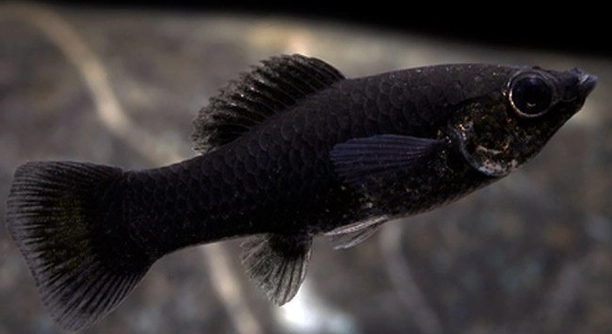
Do your black mollies seem a little off lately, showing small changes that feel easy to ignore? These early shifts in their behavior or appearance can signal the first signs of Black Molly Disease developing.
Black Molly Disease develops when parasitic or bacterial stressors weaken the fish, leading to noticeable behavioral and physical changes. Early clues often include fading coloration, clamped fins, lethargy, reduced appetite, and irregular swimming patterns, indicating advancing illness that requires attention.
These early clues help you understand developing issues and support conditions that keep your black mollies stable as symptoms progress.
Understanding Early Behavioral Changes
Noticing early behavioral changes in black mollies is important because these small shifts often reveal the first signs of trouble. When a fish begins acting differently, it usually reflects discomfort or stress developing beneath the surface. You might see your mollies spending more time near the bottom, showing less interest in exploring, or appearing slow compared to their usual rhythm. These signs can feel subtle, yet they provide valuable clues that something is affecting their health. Monitoring these behaviors helps you understand what is happening in their environment and gives you a chance to act before the condition progresses. Paying attention to how your mollies interact with their surroundings allows you to catch issues early and provide a more stable space for them. Early awareness gives you the opportunity to respond quickly, and with consistent observation you can create a healthier setting that reduces the strain your fish may be experiencing.
These behavioral shifts often appear before physical symptoms show, making them an important guide for early detection.
Identifying these small changes helps you address possible causes and make adjustments that support stronger health.
Spotting Physical Symptoms Early
Physical symptoms often appear after behavioral changes, and recognizing them quickly helps you respond before the condition becomes more serious.
When your mollies begin showing visible signs of Black Molly Disease, the changes usually appear in a predictable pattern. Fading coloration is often one of the first clues. This loss of pigment usually reflects stress building inside the fish and creates a dull, washed-out look that is hard to miss once you start paying attention. Clamped fins may follow, signaling discomfort and limited energy. As the condition progresses, you might see irregular swimming patterns that look uncoordinated or weak. Appetite often decreases during this stage, and your mollies may ignore food they normally enjoy. These symptoms tell you the fish is trying to conserve energy while fighting the developing illness. Observing these changes helps you adjust water quality, reduce stressors, and create a more supportive space that encourages recovery.
Recognizing Environmental Triggers
Poor water conditions often contribute to the early stages of Black Molly Disease, and small changes in the tank can influence how quickly symptoms appear. Maintaining steady parameters helps reduce stress and supports healthier behavior in your mollies.
Keeping the environment stable plays a major role in preventing early symptoms from developing further. Ammonia spikes, pH swings, and temperature fluctuations can weaken your mollies and make them more vulnerable to stress. These shifts may seem minor, but they can affect the fish faster than expected. Regular testing allows you to catch these problems early and correct them before they escalate. Adjusting the tank slowly rather than making sudden changes helps prevent additional stress. Consistency is key, and staying aware of how the water behaves helps you reduce risks that lead to early signs of illness.
Supporting your mollies with clean water and proper filtration reduces the strain on their bodies and lowers the chance of stress-related symptoms. Stable conditions help the fish maintain their natural rhythm and prevent early issues from progressing. Focus on smooth changes to lighting, temperature, and tank maintenance. Even simple actions, like avoiding overfeeding, help reduce waste and protect the tank from harmful imbalances.
Understanding Feeding-Related Stress
Feeding habits can influence early symptoms, especially when mollies receive food too often or in portions that create excess waste. Uneaten food breaks down quickly, affecting water clarity and stability while adding unnecessary stress to the tank.
Healthy feeding practices support stronger energy levels and reduce the chance of early symptoms developing into something more serious. Offering small portions prevents buildup that harms water quality and helps your mollies maintain a steady appetite. Overfeeding can cause digestive discomfort, leading to slow movement or low energy. Choosing balanced foods and rotating them helps the fish receive nutrients without overwhelming their system. Paying attention to how much they eat gives you an idea of their overall condition and helps you notice changes earlier. Consistent feeding routines strengthen your mollies and keep them more stable when stressors appear.
Monitoring Social Behavior Patterns
Changes in how your mollies interact with each other can signal early distress that often goes unnoticed. Reduced group swimming, sudden isolation, or mild signs of agitation may appear when stress begins rising. These shifts help you notice problems before stronger symptoms start developing inside the tank during early stages.
Social stress can influence early symptoms by disrupting the natural balance of the group. When a molly becomes withdrawn, stops following others, or reacts slowly, it often reflects internal strain. These changes give you a chance to respond quickly and reduce the pressure affecting their overall stability in the tank.
Identifying Breathing Irregularities
Breathing irregularities appear early when your mollies begin experiencing stress that affects their comfort. Rapid gill movement, slight gasping near the surface, or slower breathing patterns can indicate that the water conditions are shifting in a way that strains their system. These signs often reflect reduced oxygen levels, rising toxins, or subtle imbalances you may not see right away. Paying attention to how your mollies breathe helps you catch environmental issues before they worsen. Adjusting aeration, checking filtration, and maintaining stable parameters support healthier breathing and give your fish a better chance of recovering from early discomfort in their habitat.
Observing Early Color Shifts
Subtle color changes appear early when your mollies begin reacting to stress that builds gradually. A slight dullness, uneven patches, or fading near the fins can reveal rising strain. These shifts help you recognize developing issues and respond before the condition becomes more difficult to manage inside the tank environment.
FAQ
What causes Black Molly Disease to appear in the first place?
Black Molly Disease often develops when stress affects the fish over time. Poor water quality, unstable parameters, overcrowding, or untreated parasites can weaken their system and make them more vulnerable. When their environment shifts too quickly, their bodies struggle to cope. Even small changes in temperature, pH, or lighting can create discomfort that slowly builds into early symptoms. The condition usually starts with mild behavioral changes that are easy to overlook, which is why staying aware of the tank’s stability helps prevent the problem from progressing. Keeping things consistent supports stronger health and lowers the chances of symptoms appearing.
How quickly do early symptoms become more serious?
Early symptoms can progress at different speeds depending on the stress level in the tank. In some cases, signs like dull coloration or slow movement can develop over a few days. In other situations, the symptoms may worsen within hours if a strong stress factor is present. The pace depends on factors like water quality, toxin levels, or the fish’s existing health. Monitoring the tank daily allows you to react before the condition becomes harder to manage. When you notice early changes, adjusting the environment can slow the progression and give your mollies time to recover.
Can early signs disappear on their own without treatment?
Early signs may improve slightly if the stressor is removed quickly, but they rarely disappear entirely without some form of correction. The fish may look better for a short time, yet the underlying issue usually remains. Cleaning the tank, improving filtration, and stabilizing parameters help support real recovery. Ignoring early clues often leads to more noticeable symptoms later. It’s always safer to adjust the environment rather than assume the issue will resolve by itself. Mollies react well to consistent care, so even small improvements can make a significant difference in how they feel.
Is Black Molly Disease contagious to other fish in the tank?
The condition itself is not a single disease, but rather a reaction to stress, parasites, or imbalances. Some causes, like parasites or bacterial issues, can spread to other fish. Environmental stress spreads indirectly by affecting every fish exposed to unstable conditions. When one molly begins showing symptoms, it often means that the entire tank is experiencing the same stress. Improving the environment protects all the fish, not just the ones showing visible changes. Early action keeps other fish from developing similar signs and maintains a healthier space for the entire community.
How can I support a molly showing the first signs of stress?
Supporting a molly with early signs begins with checking the tank. Testing ammonia, nitrite, nitrate, pH, and temperature gives you a clear idea of what may be causing the issue. Improving aeration and performing a small water change helps stabilize the environment. Watching how the fish reacts after these adjustments helps you understand what is working. Reducing sudden movements around the tank and avoiding overfeeding can also create a calmer space. Adding hiding spots gives the fish a sense of safety, which helps lower stress. Each step contributes to a more stable setting that supports recovery.
When should I consider seeking additional help?
You should consider seeking help when symptoms progress despite stabilizing the environment. If breathing becomes difficult, swimming becomes unbalanced, or severe color fading appears, it may indicate a deeper issue developing. Persistent symptoms often point to parasites or bacteria that require targeted treatment. Guidance from an experienced aquarist or aquatic specialist can help identify the exact cause. Acting early gives your mollies the best chance of recovering.
Final Thoughts
Caring for black mollies becomes easier when you understand how early clues can shape their overall health. These small signs often appear quietly, and noticing them helps you respond before the condition becomes more stressful for your fish. Soft shifts in behavior, color, or movement can guide you toward what needs attention in the tank. While these early symptoms may seem minor at first, they often reflect deeper changes happening inside the environment. Watching closely allows you to support your mollies with steady care and a calmer space that keeps them more stable. By focusing on consistency, you create a setting that encourages their comfort and reduces the impact of stress that can build slowly over time. This approach keeps your mollies more resilient and gives you confidence in how you care for them each day.
Understanding the influence of water quality, feeding habits, and social behavior helps you recognize what may be affecting your fish before the signs become difficult to manage. When you stay aware of how your mollies act, breathe, and move through the tank, you gain a clearer picture of their overall condition. Clean water, balanced feeding, and smooth changes in their environment all play a role in keeping your mollies steady. Even small adjustments can make a meaningful difference when they are done consistently. Taking time to observe your fish helps you understand their normal patterns so any changes stand out more clearly. Once you recognize these shifts, you can respond with gentle corrections that reduce stress and support a healthier habitat. These details may seem small, but they guide you toward maintaining a tank that feels safe and predictable for your mollies.
Providing stable care helps prevent early signs from progressing into more serious issues. When you focus on smooth routines and regular checks, your mollies experience a safer environment that supports their natural rhythm. Early symptoms often appear when the tank begins shifting in ways that disrupt their comfort, and responding quickly gives your fish a better chance of staying well. You can create a balance that keeps them active, alert, and comfortable simply by staying mindful of the tank’s condition. With steady attention, you can protect your mollies from unnecessary stress and keep their environment healthy. These efforts help you maintain a stronger connection to your tank and support your mollies in a way that feels natural and manageable.

Hello,
If you enjoy the content that we create, please consider saying a "Thank You!" by leaving a tip.
Every little bit helps us continue crafting quality advice that supports the health, happiness, and well-being of pets around the world, for pets of all shapes, sizes, and species.
We really appreciate the kindness and support that you show us!