
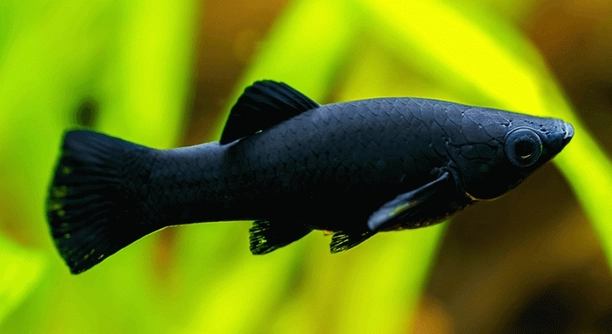
Are your aquariums filled with lively Black Mollies but you notice they behave differently under dim lights? These fish are popular for their hardiness and striking appearance. Many fish owners wonder how lighting affects their behavior.
Black Mollies can tolerate dim lighting, but they thrive best with moderate illumination. Low light does not harm them directly, yet it may reduce their activity levels and limit the display of their natural colors, affecting overall visual appeal.
Learning how lighting impacts your Mollies’ habits can help you maintain a healthier and more engaging tank environment. Observing these subtle changes can improve your aquarium care routine.
Lighting Needs of Black Mollies
Black Mollies are fairly adaptable when it comes to lighting. They do not require intense illumination, but a well-lit tank helps bring out their natural black sheen and vibrant patterns. In dim lighting, these fish may become less active, often staying near plants or decorations. Over time, low light can make their colors appear duller. While they can survive in shaded areas, a balance of light and shade is ideal. Black Mollies also benefit from a consistent day-night cycle, which helps regulate feeding and behavior. Too much bright light, however, can stress them, causing them to hide or swim frantically. Providing floating plants or shaded sections in the tank gives them places to retreat, mimicking their natural habitat. Observing their behavior can guide you in adjusting the light level to match their comfort. Proper lighting also supports algae growth, which can be a minor food source.
Dim lighting may slightly reduce Black Mollies’ energy, but they generally remain healthy and active in a calm tank environment.
Ensuring the right lighting setup is about balance. You can achieve this by using a timer to regulate light exposure and avoid long periods of darkness or overly bright illumination. Gradually adjusting the light helps the fish acclimate without stress. Plants and decorations can enhance shaded areas, offering comfort and hiding spots. Regular observation allows you to see if fish are active, feeding properly, and displaying strong coloration. Black Mollies in well-lit tanks tend to interact more and show natural behaviors like foraging and schooling. Maintaining moderate light also reduces algae overgrowth, keeping the tank cleaner. Consistency in light duration supports healthy growth and overall well-being. Small adjustments can make a noticeable difference in how your fish look and behave, ensuring a lively and visually pleasing aquarium.
Behavior Changes in Dim Lighting
Black Mollies often swim more slowly and hide when the tank is darker.
Reduced light can make them less social and more cautious. They may gather near the tank bottom or behind plants to feel secure. Feeding activity can also decrease because they rely on visual cues to find food. Over weeks, their black coloration may become muted. Some fish may remain near the surface if dim lighting reduces plant growth. Observing these changes can help you adjust lighting to support both comfort and visibility. Introducing subtle light increases or adjusting decorations can encourage activity. Ensuring a natural day-night cycle minimizes stress. Although their overall health is not immediately affected, consistent low light may affect energy levels and social interactions. Monitoring their behavior and adjusting the environment helps maintain a healthy, balanced tank that keeps Black Mollies both comfortable and visually appealing.
Tank Setup Tips for Dim Lighting
Providing hiding spots is essential when lighting is low. Plants, rocks, and decorations help Black Mollies feel secure and reduce stress in shaded areas.
Arranging the tank to include both open swimming spaces and shaded regions allows Black Mollies to choose where they feel safest. Floating plants are particularly useful because they soften bright light while creating natural hiding zones. Gravel or substrate color can influence light reflection, subtly affecting the tank’s brightness. Regular cleaning ensures that dim lighting does not encourage excessive algae growth, which can make the environment less healthy. Using adjustable LED lights or dimmable fixtures allows gradual light changes, helping the fish adapt comfortably. Placement of the tank away from direct sunlight prevents sudden brightness shifts, which can startle the fish. Monitoring how your Black Mollies respond to the setup provides insight into whether further adjustments are needed.
Lighting timers are helpful to maintain a consistent day-night cycle, which supports feeding patterns and overall well-being. Observing fish activity shows how well they adjust.
Feeding Habits Under Dim Lighting
Black Mollies may eat less when light levels are low, relying heavily on visual cues to locate food.
In dim conditions, they can become slower and less proactive during feeding times. Floating or sinking pellets help ensure all fish receive nutrition, even if visibility is limited. Overfeeding should be avoided, as leftover food can decay and affect water quality. Offering a mix of flake food, vegetables, and occasional protein treats supports healthy growth. Observing their feeding behavior under different lighting conditions allows you to determine the best type of food and feeding schedule. Adjusting the position of food in the tank, near lighted areas or open swimming spaces, can encourage activity and ensure all Mollies get adequate nutrition. Proper feeding also helps maintain their vibrant coloration and energy levels, even in dimmer environments.
Common Health Considerations
Dim lighting alone does not harm Black Mollies, but it can indirectly affect their health. Low activity may lead to mild weight changes or reduced immunity.
Watching for signs of stress, such as hiding excessively or color fading, is important. Proper tank maintenance and balanced feeding help prevent these issues.
Plant Choices for Low Light
Low-light plants like Java Fern, Anubias, and Cryptocoryne thrive without intense illumination. They provide shelter and contribute to a stable tank ecosystem, benefiting Black Mollies’ comfort and natural behaviors.
Monitoring Water Quality
Even in dim lighting, maintaining clean water is essential. Regular testing for ammonia, nitrites, and nitrates prevents health problems and keeps Black Mollies active and thriving.
Light Adjustment Strategies
Gradually increasing or dimming light can help Mollies adapt without stress. Avoid sudden changes to preserve comfort and normal behavior.
FAQ
Do Black Mollies need bright light to survive?
Black Mollies do not require bright lighting to survive. They can live comfortably in moderate or dim light, though their colors may appear less vibrant. While they are resilient, providing a balanced light schedule helps maintain their natural behaviors and activity levels.
Will dim lighting stress my Black Mollies?
Dim lighting generally does not cause stress if the tank is properly maintained. Stress usually comes from poor water quality, sudden light changes, or overcrowding. Adding hiding spots and keeping a stable day-night cycle allows Mollies to feel secure, even with low light levels.
How does dim light affect their color?
Under dim lighting, Black Mollies’ natural black coloration may look duller. Reduced light affects the way their pigmentation is displayed, but it does not harm the fish. Moderate lighting or gradual adjustments can help bring out their full appearance over time.
Do they eat less in low light?
Yes, feeding behavior can slow down when light levels are low because Black Mollies rely on visual cues. Offering sinking or floating foods in accessible areas ensures they receive proper nutrition. Feeding small amounts more frequently helps maintain energy and prevents leftover food from polluting the tank.
How can I encourage activity in dim lighting?
Adding plants, decorations, and open swimming areas encourages natural behaviors. Gentle light adjustments and varied feeding locations can also promote movement. Observation is key to seeing how your Mollies respond, and small environmental changes often increase engagement without stressing them.
Are low-light plants necessary for the tank?
Low-light plants such as Java Fern, Anubias, and Cryptocoryne are helpful but not mandatory. They provide shelter, reduce stress, and create natural hiding spots. These plants thrive in dim environments, improving tank aesthetics and giving Black Mollies safe spaces to explore and rest.
How often should I check water quality in a dimly lit tank?
Water quality should be monitored at least weekly, even in dim lighting. Ammonia, nitrite, and nitrate levels directly affect fish health. Regular testing and partial water changes prevent disease, keep the tank balanced, and ensure Black Mollies remain active and healthy.
Can dim lighting cause algae problems?
Dim lighting generally reduces algae growth compared to bright light, but algae can still develop if overfeeding occurs or water changes are infrequent. Maintaining proper cleaning routines and avoiding excessive food helps control algae without needing strong lighting.
Should I use a timer for dim lights?
Using a timer is highly recommended. A consistent day-night cycle supports feeding patterns, growth, and behavior. Gradual light changes through a timer prevent sudden shifts that might startle Mollies and help them adjust comfortably to the tank environment.
Can Black Mollies breed in low light?
Breeding is possible in dim lighting, but slightly brighter conditions often encourage more activity and mating behaviors. Providing plants and hiding spots gives fry protection and makes the tank feel secure, improving chances for successful reproduction.
How do I know if dim lighting is too low?
Signs include sluggish movement, excessive hiding, loss of color, or decreased appetite. If these appear, gradually increase light intensity or adjust decorations to provide brighter zones. Observing fish daily allows you to respond quickly to any changes in behavior or health.
Is supplemental lighting ever needed in a dim tank?
Supplemental lighting may help show natural colors and support plant growth. LED or adjustable lights allow you to control intensity and timing, helping maintain a balanced environment. Careful placement ensures Mollies have both shaded and lighted areas to choose from.
Can Black Mollies live with other fish in low light?
Yes, they adapt well with other non-aggressive species in dim tanks. Ensuring enough hiding spaces reduces stress and competition. Observing interactions in low light helps prevent conflicts and supports a peaceful, balanced community tank.
Does dim lighting affect their lifespan?
Dim lighting itself does not shorten lifespan if water quality, diet, and tank conditions are adequate. Providing appropriate care, nutrition, and stable environmental conditions ensures Black Mollies remain healthy for their expected lifespan, even in lower light setups.
Are there any special care tips for dim tanks?
Monitor activity levels, maintain a clean tank, provide hiding spots, and offer varied food. Using a timer and low-light plants helps create a stable, comfortable environment. Observation and small adjustments are key to keeping Black Mollies happy and thriving in dim lighting.
Black Mollies are adaptable fish that can live in a variety of lighting conditions, including dimly lit tanks. Their hardiness makes them suitable for beginners and experienced aquarists alike. While dim lighting does not harm them directly, it can subtly influence their behavior and appearance. You may notice they swim more slowly, hide more often, or appear less vibrant when the tank is darker. These changes are normal responses to low light rather than signs of illness. Providing a mix of shaded areas and gentle illumination allows Mollies to choose where they feel most comfortable. This balance not only supports their natural instincts but also encourages activity without creating stress. Over time, observing how your fish respond to different lighting levels can help you adjust the environment to suit their needs. Simple additions like floating plants, rocks, or small caves offer both comfort and privacy while making the tank visually appealing.
Maintaining proper care in a dimly lit aquarium goes beyond lighting alone. Water quality, feeding habits, and overall tank setup all play crucial roles in the well-being of Black Mollies. Regular testing of ammonia, nitrites, and nitrates ensures that the tank remains safe, even if the light is lower than usual. Feeding small portions several times a day can help compensate for reduced activity levels, making sure all fish receive adequate nutrition. Low-light plants like Java Fern, Anubias, and Cryptocoryne add both aesthetic and functional value, providing hiding spots and stabilizing the tank ecosystem. Using a timer for lights maintains a consistent day-night cycle, which supports their natural rhythms and helps prevent sudden stress. By paying attention to these small details, you can create a stable and healthy environment that allows your Black Mollies to thrive, even without bright lighting.
Ultimately, understanding how dim lighting affects Black Mollies helps in providing a more comfortable and natural habitat. These fish are resilient, but their comfort and appearance improve with thoughtful care. Adjusting light gradually, offering hiding spaces, and monitoring their behavior ensures they stay active and healthy. Dim lighting does not mean neglect; it simply requires careful attention to other aspects of aquarium care. Observing their daily habits, noticing changes in swimming patterns, and checking coloration can guide any necessary adjustments. Over time, you will learn the right balance of light, shelter, and nutrition for your tank. With consistent care, Black Mollies can remain lively, visually striking, and healthy, even in less intense lighting conditions, allowing them to live comfortably and display their natural behaviors to the fullest.

Hello,
If you enjoy the content that we create, please consider saying a "Thank You!" by leaving a tip.
Every little bit helps us continue crafting quality advice that supports the health, happiness, and well-being of pets around the world, for pets of all shapes, sizes, and species.
We really appreciate the kindness and support that you show us!